
Hydroponics Farming in India
A Quiet Shift in Indian Farming
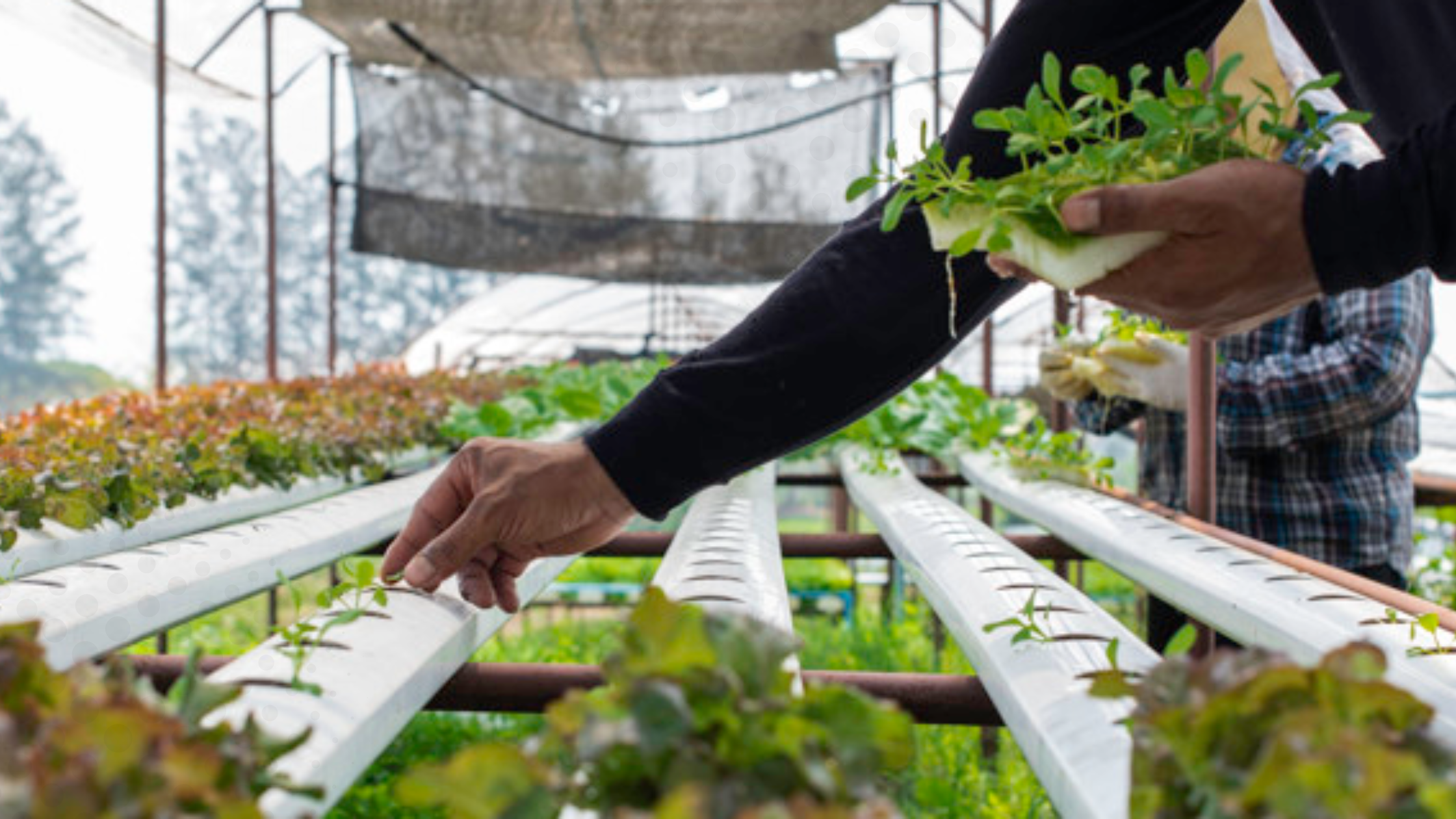 Indian farming is going through a silent change. For generations, agriculture in India has depended on seasons, rainfall, and soil health. While this traditional system still feeds millions, new challenges like water shortage, shrinking land, unpredictable weather, and rising food demand are pushing farmers to look for smarter methods. One such method gaining steady attention is hydroponics.
Hydroponics allows crops to grow without soil, using water and nutrients instead. It might sound unusual at first, but across cities and rural zones alike, Indian growers are slowly adopting this system. From small rooftops to large greenhouses, hydroponic farming is reshaping how food can be grown in limited spaces.
Why This Method is Gaining Attention
The biggest strength of hydroponics is control. Farmers are no longer fully dependent on rain, soil conditions, or open land. They can decide how much water, nutrients, and light a plant receives. This control leads to faster growth, reduced crop failure, and more consistent quality.
 Water savings are another major benefit. Compared to open-field cultivation, hydroponics uses up to 80–90% less water. In a country where many regions struggle with water scarcity, this alone makes hydroponics appealing.
Urban demand also plays a big part. Cities like Mumbai, Delhi, Bengaluru, Pune, and Hyderabad are seeing a surge in demand for fresh leafy greens grown close to consumption zones. Hydroponics makes this possible without large farmland.
Crops That Are Commonly Grown
In India, hydroponics is  mainly used to grow fast-growing, high-demand crops. These include:
-
Lettuce
-
Spinach
-
Kale
-
Basil and mint
-
Cherry tomatoes
-
Cucumbers
-
Strawberries
-
Some varieties of beans
These crops thrive in controlled environments and offer good returns when sold to hotels, cafés, supermarkets, and exporters.
The Rise of Controlled Growing Spaces
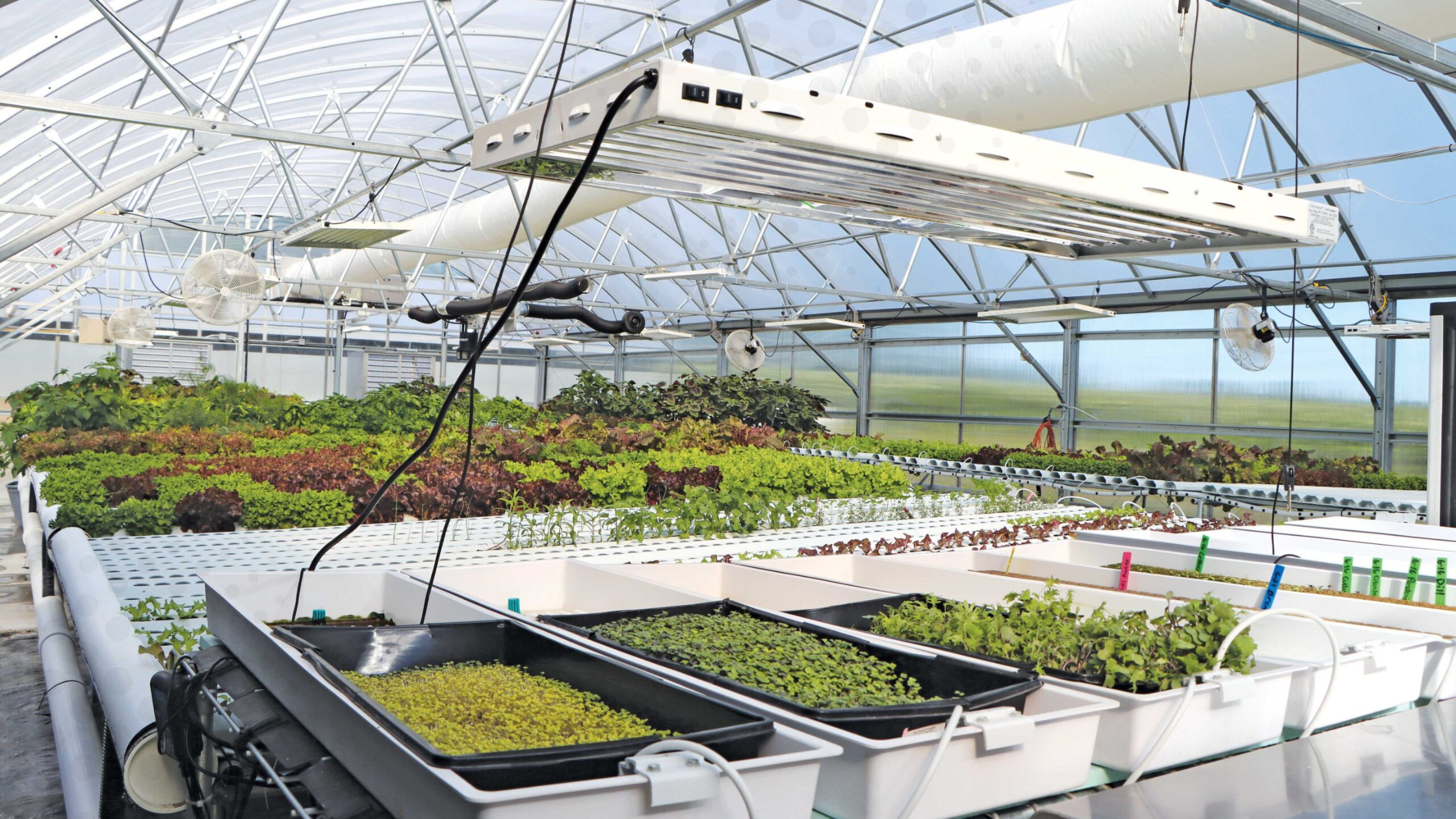 Hydroponic farms in India are no longer limited to research centers. Today, they exist in:
-
Polyhouses
-
Greenhouses
-
Warehouses
-
Rooftop setups
-
Vertical units
Many young entrepreneurs are setting up small units with just a few hundred square feet of space. With proper planning, even small setups can produce steady harvests throughout the year.
This change is also influencing the farm industry by creating new job roles such as system technicians, nutrient specialists, climate control managers, and packaging professionals.
Investment and Practical Challenges
While hydroponics offers many advantages, it is not without challenges. The initial setup cost is higher than traditional farming. Equipment like water pumps, grow channels, lighting systems, and temperature control units require investment.
 Another challenge is technical knowledge. Hydroponic farming demands precision. A small mistake in nutrient balance or water quality can slow plant growth or damage crops. Training and hands-on learning are essential for long-term success.
Power supply can also be a concern in certain rural areas. Since most systems rely on pumps and climate control, consistent electricity is important. Some farmers are now using solar energy to overcome this issue.
A New Way to Grow Without Heavy Chemicals
Hydroponics is changing how people look at clean food. Since crops grow without soil, the risk of soil-borne disease drops sharply. This reduces the need for chemical sprays, which aligns well with the idea of organic 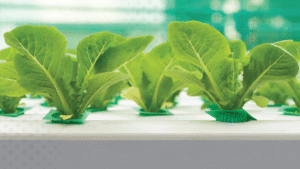 cultivation when natural nutrient sources and clean practices are followed.
Consumers are becoming more aware of what they eat. Clean, residue-free vegetables are now preferred in homes, hotels, and hospitals. Hydroponics meets this demand more easily than traditional farming in many cases.
Market Demand and Buying Patterns
 The Indian market for hydroponic produce is expanding steadily. Major buyers include:
-
Premium supermarkets
-
Five-star hotels
-
Cloud kitchens
-
Health food brands
-
Juice and salad makers
These buyers prefer stable supply, uniform size, and long shelf life — all of which hydroponics supports well. Prices for hydroponic greens are often higher than open-field produce due to superior appearance and freshness.
This growing demand is also strengthening the agri industry by pushing farmers toward value-based selling instead of only bulk trading.
Export Opportunities and the Role of Vipra Overseas
 As Indian produce continues to gain trust in global markets, exports have become a strong source of income for growers. Clean, uniform, and properly packed hydroponic vegetables fit well into international demand.
This is where Vipra Overseas plays an important role. Vipra Overseas helps export agro products such as:
-
Fresh fruits
-
Fresh vegetable
-
Beans
-
Frozen products
-
Spices
-
Grains
By managing quality checks, packaging standards, and export documentation, Vipra Overseas connects Indian growers to international buyers. As hydroponic produce grows in popularity, exporters like Vipra Overseas help farmers move beyond local trading and enter premium global markets.
Scope for Small Farmers and Youth
Hydroponics is creating fresh interest among young farmers and first-generation agri-entrepreneurs. Many graduates, engineers, and 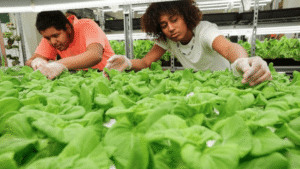 business owners are now entering this field after seeing its long-term potential.
Small farmers are also beginning to adopt low-cost hydroponic models using simple tanks, pipes, and natural light. With guidance and market access, hydroponics can become a steady income source rather than just an experimental method.
The Road Ahead for India
India’s population continues to grow, and so does the need for safe, reliable food supply. 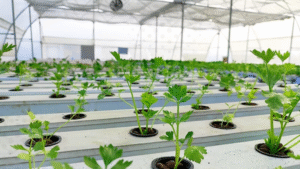 Hydroponics is not meant to replace traditional farming completely, but it will surely become a powerful support system for urban and semi-urban food production.
With improvements in technology, training programs, and export infrastructure, hydroponic farming in India is expected to expand rapidly in the coming years. The blend of local demand and global export potential gives this method a strong future.
Final Words
Hydroponics in India is no longer just a concept found in textbooks or laboratories. It is now present in real farms, real markets, and real homes. With water-saving methods, cleaner produce, stable returns, and rising export opportunities, it offers a practical solution for modern farming challenges.
When supported by reliable export partners like Vipra Overseas, Indian growers can turn hydroponic farming into a long-term, profitable venture that reaches far beyond local boundaries.