
How to Maintain pH in Hydroponics
Why pH Balance Matters More Than You Think
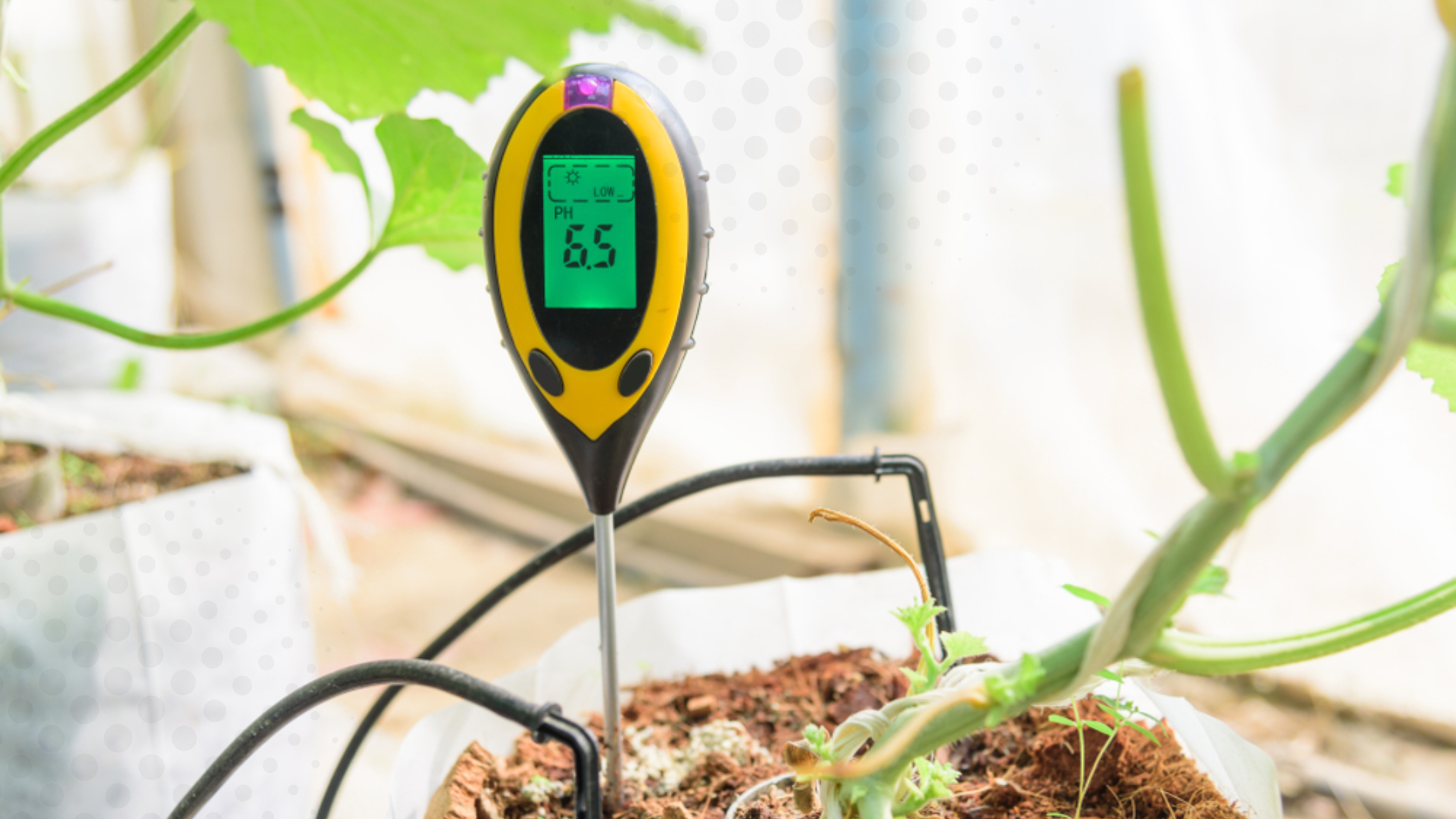 When people begin hydroponic farming, they often focus on plants, lights, and nutrients. But one silent factor controls everything behind the scenes—pH balance. You may not see it, you may not feel it, but your plants react to it every single day. If pH drifts too high or too low, your crops may look healthy for a short time, then suddenly stop growing, turn yellow, or lose strength without warning.
Understanding how to maintain proper pH is one of the most important skills a hydroponic grower can learn. It directly decides how well plants absorb nutrients and how fast they grow.
What pH Really Means in Simple Words
pH tells us how acidic or  alkaline the water is. The scale runs from 0 to 14.
7 is neutral
Below 7 is acidic
Above 7 is alkaline
Most hydroponic plants grow best in a slightly acidic range, usually between 5.5 and 6.5. In this range, nutrients dissolve properly and roots absorb them easily.
If the pH moves outside this range, even if nutrients are present in the water, the plant may not be able to take them in. It’s like having food on a plate but being unable to eat it.
Signs That pH Is Out of Balance
Your plants often give  clear signals when pH is unstable. Some common warning signs include:
Yellow or pale leaves
Burnt leaf edges
Slow or stopped growth
Weak stems
Curling leaves
Many new growers mistake these signs for disease or nutrient deficiency, when the real problem is poor pH control.
Tools You Need for pH Monitoring
You don’t need expensive  lab equipment to manage pH properly. A few simple tools will do the job well:
Digital pH meter
pH testing drops
pH up solution
pH down solution
A digital pH meter is the most accurate and easiest tool to use. You simply dip it into the water and get a reading within seconds.
The Right Time to Check pH
pH is not a “check once 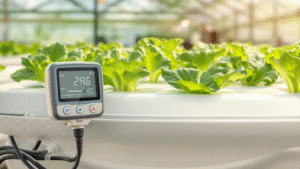 and forget” task. It changes naturally as plants feed on nutrients.
You should check:
Once daily in warm weather
Every 2–3 days in cooler conditions
Immediately if plants show stress signs
Morning is usually the best time to test, before plants begin heavy nutrient uptake during the day.
How to Adjust pH the Correct Way
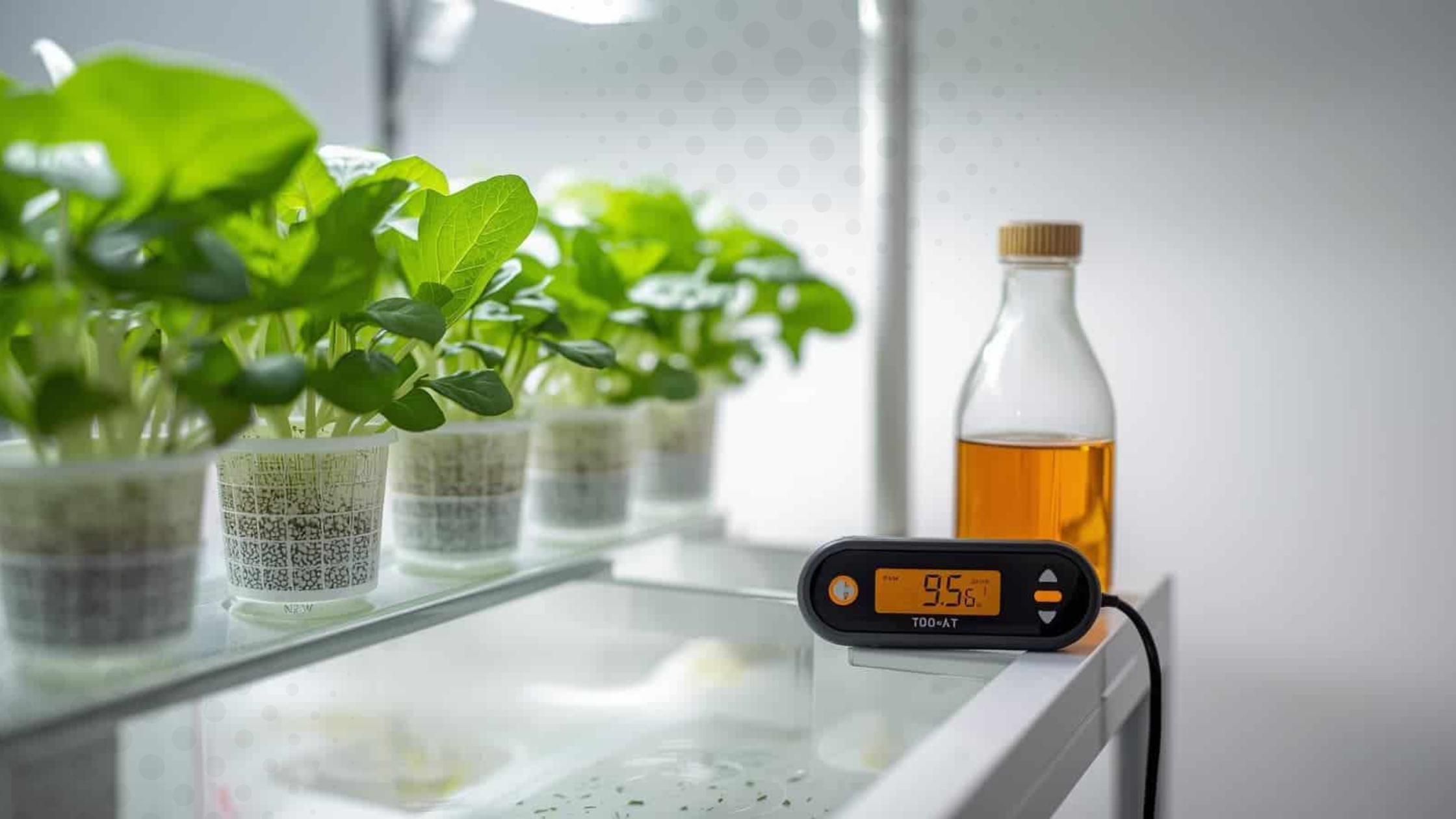 If your pH is outside the ideal range, it needs gentle correction. Never rush this step.
To lower pH:
Add a few drops of pH down solution
Mix well
Wait 10–15 minutes
Test again
To raise pH:
Add a small amount of pH up solution
Stir thoroughly
Retest after a short wait
Always adjust in small steps. Big jumps can shock plant roots and slow down growth.
How Nutrients Affect pH Levels
Every nutrient solution 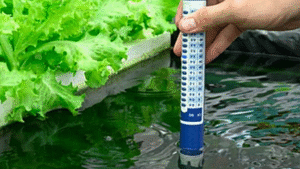 naturally pushes pH either up or down. That’s why pH often changes after fresh nutrients are added.
Some minerals tend to:
Raise pH slowly
Lower pH over time
Create pH swings if mixed incorrectly
This is why stable feeding routines are important. When nutrient strength and feeding schedules stay consistent, pH becomes easier to manage.
This type of precision system is now becoming common even in the modern agric farm environment, where growers rely more on accuracy than guesswork.
Water Quality Plays a Big Role
Your starting water 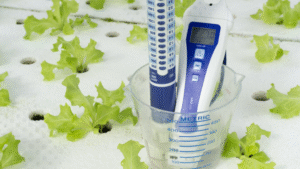 source matters more than many growers realize. Hard water usually comes with high natural pH and mineral content. This makes it harder to control balance in the long run.
If your water:
Has high salt
Has high calcium buildup
Leaves white residue on tanks
Then filtering it before use can make pH control far easier and more stable.
Daily Habits That Keep pH Stable
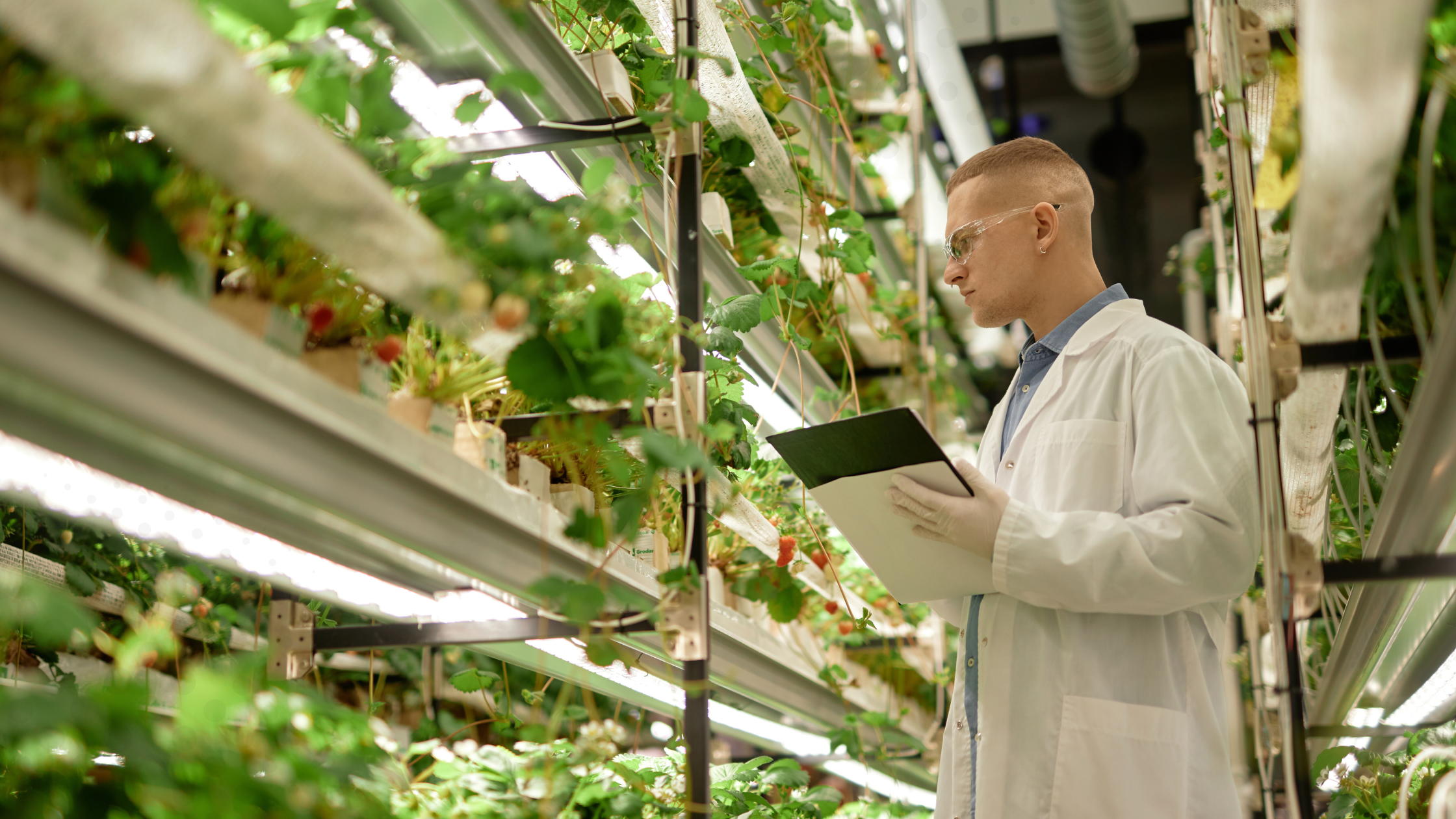 How to maintain ph level for hydroponics – ApureThe best way to control pH is not through constant correction, but through good habits:
Always mix nutrients in the correct order
Never add nutrients directly to root zones
Keep your tank covered from direct light
Maintain stable water temperature
Clean your tank regularly
These habits reduce unnecessary chemical reactions inside the tank.
pH Control and Clean Growing Practices
Hydroponic growers  trying to follow organic agri methods place extra importance on pH stability. Since chemical corrections are often avoided or minimized, natural balance becomes even more important.
Using clean water, gentle adjustments, and steady monitoring allows growers to maintain healthy plants without harsh treatments.
How Proper pH Increases Market Value
When pH is maintained  correctly, plants grow:
Faster
Taller
With stronger stems
With deeper natural color
With longer shelf life
This makes a direct difference when selling to buyers who demand uniform quality. Hotels, supermarkets, and exporters always prefer produce that looks clean, consistent, and fresh.
This is also where the idea of farm to farmers trade becomes profitable growers who maintain quality attract repeat buyers without depending on middle layers.
Export Support and the Role of Vipra Overseas
 As hydroponic produce gains demand in global markets, proper pH control becomes even more important. Export buyers insist on strong appearance, longer freshness, and stable quality.
This is where Vipra Overseas supports growers by exporting agro products such as:
Fresh fruits
Fresh vegetable
Beans
Frozen products
Spices
Grains
Vipra Overseas handles quality checking, packing standards, cold storage, and export logistics, allowing farmers and hydroponic growers to focus on clean production while reaching international buyers smoothly.
Common Errors Growers Make With pH
 Even experienced growers make mistakes when they:
Skip regular testing
Overuse pH correction chemicals
Mix nutrients without checking water base
Ignore seasonal temperature changes
Forget to clean sensors
Avoiding these errors saves time, money, and crop loss.
Final Thoughts
Maintaining proper pH in hydroponics is not difficult, but it does demand attention and patience. It is the hidden force that decides how well your plants feed, grow, and survive stress. Once you build the habit of regular testing and gentle adjustment, pH control becomes second nature.
Whether you grow for home use, for local markets, or for international supply with export partners like Vipra Overseas, stable pH gives your plants the strong foundation they need to thrive.