
How to Get the Best Soybean Produce
Introduction
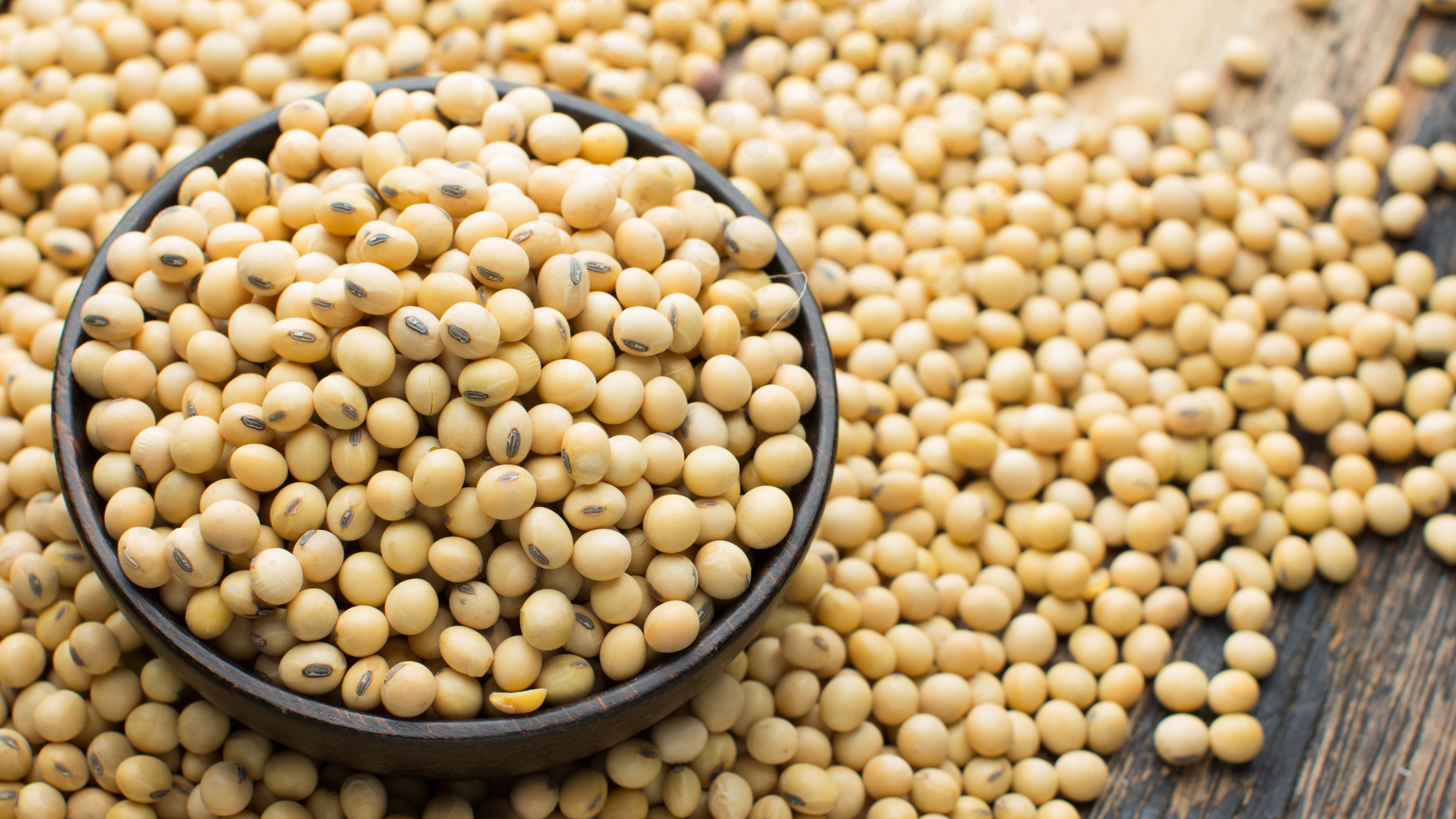 Soybean has quietly become one of the most important crops in modern farming. From edible oil and animal feed to food products and exports, this small bean carries wide value. But getting a strong soybean harvest is not a matter of chance. It depends on clear planning, timely action, and steady care from sowing to harvest. When the basics are done correctly, soybeans reward farmers with both quality and quantity. This guide walks through practical, field-tested steps that help growers achieve the best possible soybean produce season after season.
Choosing the Right Field and Soil
Why Soil Condition Matters
Soybean grows best in well-drained soil with good natural fertility. Fields that hold water for too long can weaken  roots and reduce plant strength. Loamy soil offers the best balance between moisture retention and drainage.
Before sowing, the land should be properly cleaned of crop residue and weeds. A light tilling helps loosen the soil and creates a healthy seedbed. Adding compost or natural manure improves soil texture and supports early root development.
Selecting High-Quality Seeds
Start Strong to Finish Well
Good seed quality sets the foundation for the entire crop. Farmers should always choose certified seeds with high germination rates and  strong resistance to local pests and diseases. Mixed or damaged seeds often lead to uneven growth, weaker plants, and lower yields.
Before sowing, seed treatment using safe protective methods helps reduce early-stage losses. Treated seeds grow more uniformly and face fewer threats during the critical first weeks.
Perfect Timing for Sowing
Why Timing Decides Yield
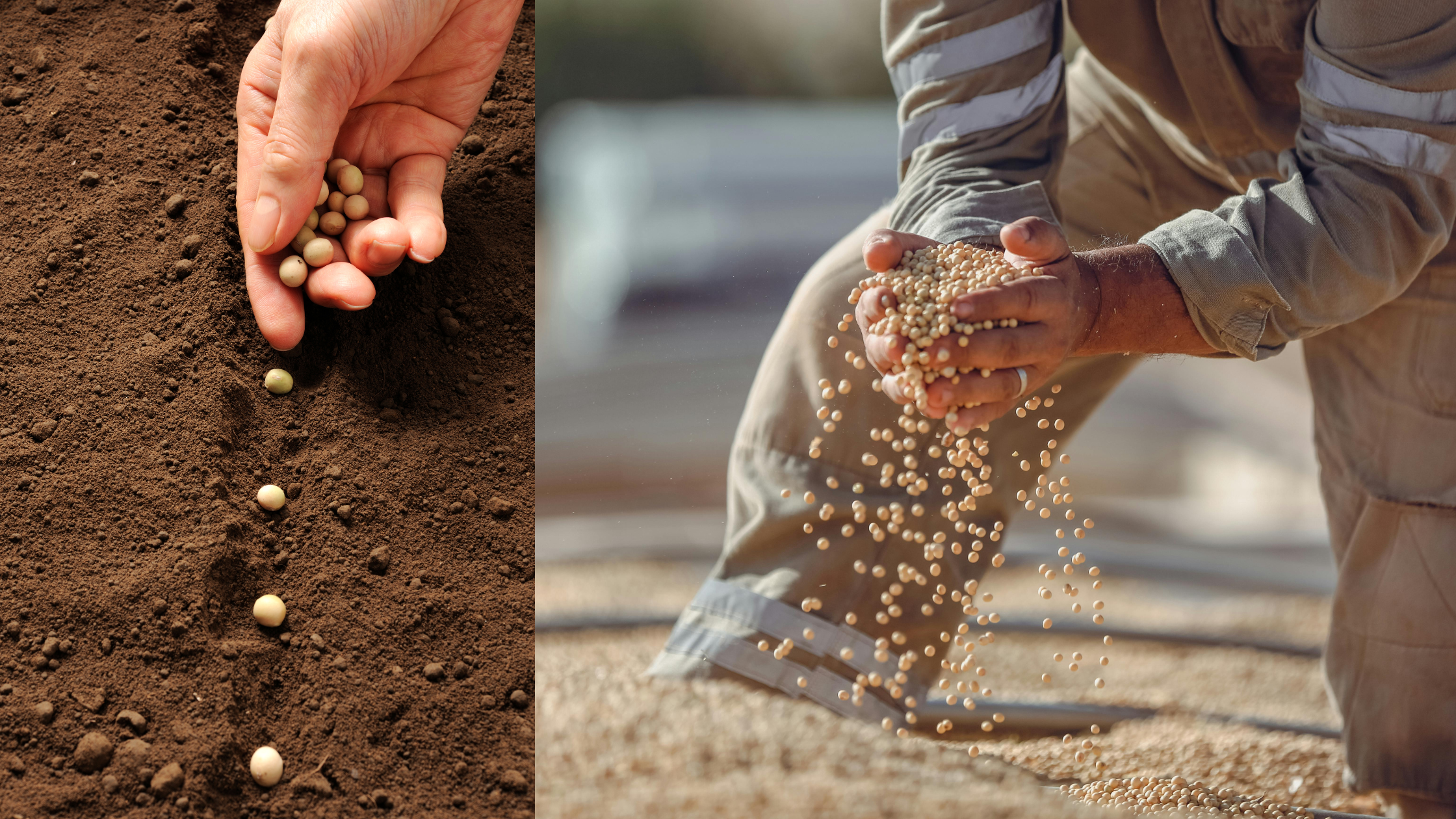 Soybeans depend heavily on correct sowing time. If planted too early, seedlings may face cold stress. If planted too late, flowering and pod formation suffer due to temperature shifts.
The ideal sowing window depends on local climate and rainfall patterns. The goal is to ensure steady moisture in the soil during early growth. Well-timed sowing gives plants the best chance to develop strong stems and deeper roots.
Smart Water Management
Balanced Moisture for Better Growth
Soybeans do not like waterlogged fields, but they also do not tolerate long dry spells during flowering and pod 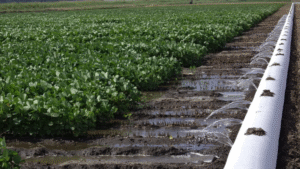 formation. The crop needs consistent moisture during key stages—germination, flowering, and seed filling.
Over-irrigation can cause root diseases and poor oxygen flow in soil. Controlled watering keeps plants healthy and supports steady pod development. Good drainage plays just as important a role as timely irrigation.
Supplying Nutrients the Right Way
Feeding the Crop at Every Stage
Soybeans are known for fixing nitrogen from the air, but that does not mean they need no 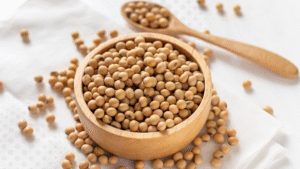 nutrition from the soil. Phosphorus helps with root growth, potassium supports pod formation, and trace elements improve overall plant strength.
Instead of heavy chemical use, many farmers now rely on balanced nutrition supported by compost and crop rotation. This approach also ties well with organic farming, where soil health and plant balance are given long-term importance.
Weed Management Without Stress on the Crop
Clean Fields Lead to Strong Plants
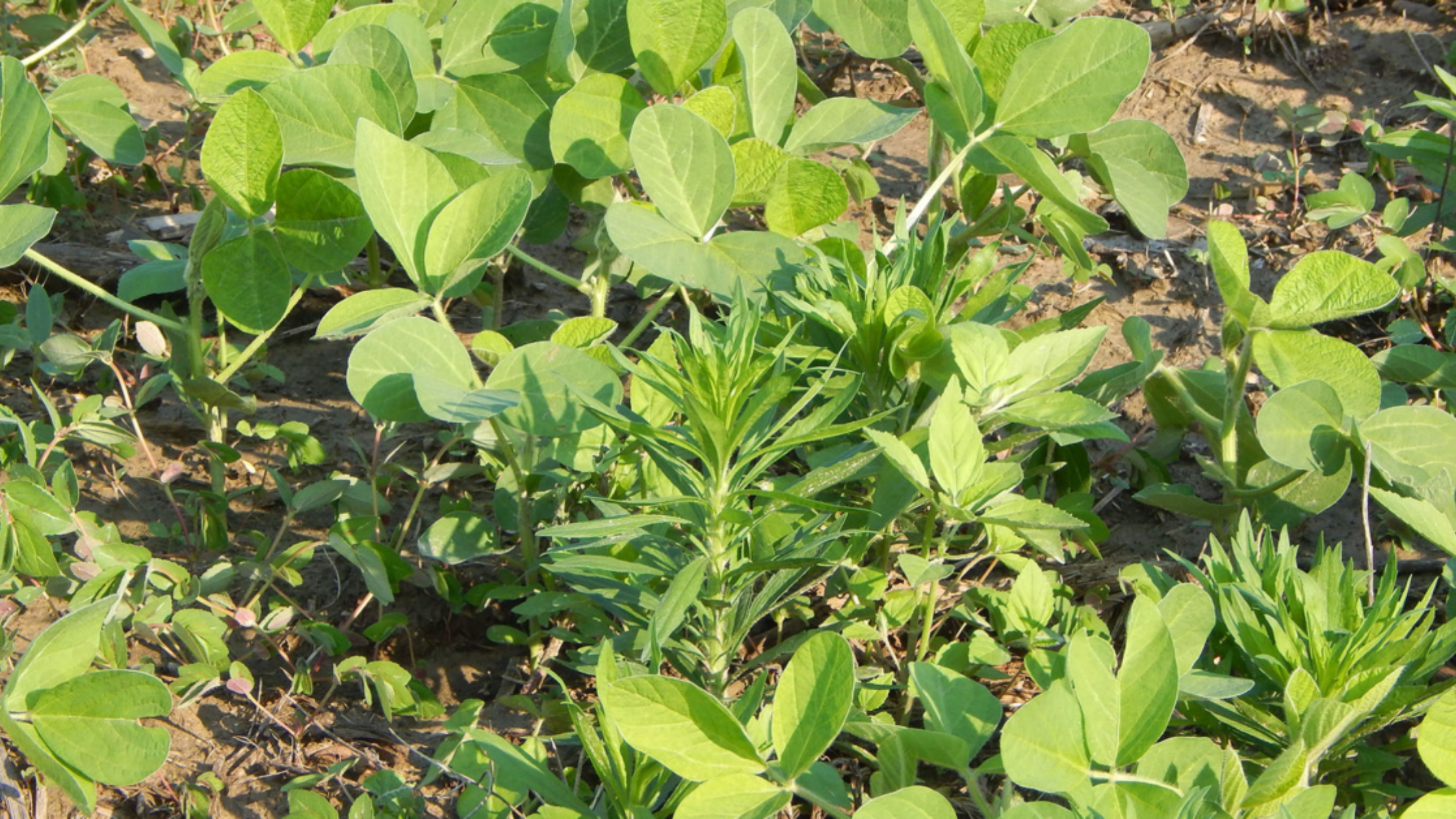 Weeds compete directly with soybeans for nutrients, water, and sunlight. The first 30 to 40 days are critical. If weeds are not controlled during this period, yield loss becomes unavoidable.
Manual weeding, mechanical tools, and responsible use of control methods help maintain clean rows. Once soybean plants gain height and leaf cover, they naturally suppress further weed growth.
Monitoring Pests and Diseases
Early Action Saves the Crop
Soybeans can be affected by insects like stem borers, aphids, and pod feeders, along with fungal 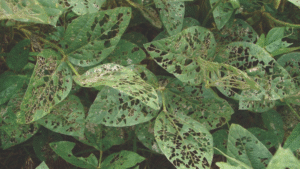 diseases during humid conditions. Regular field inspection helps identify problems before they spread.
Balanced nutrition, proper spacing, and clean field practices improve natural plant resistance. When protection is needed, measured and responsible use of treatments prevents damage without disturbing the surrounding environment.
Harvesting at the Right Stage
Timing Is Everything at the End
Harvesting soybeans too early leads to immature seeds, while delayed harvest increases losses 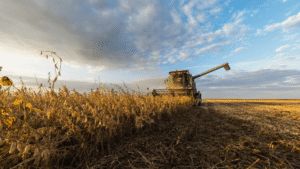 from shattering and moisture damage. The ideal time is when leaves turn yellow and pods dry evenly.
Harvesting should be done during dry weather to maintain grain quality. Clean handling, proper drying, and safe storage protect the crop’s market value after months of effort.
Soybean’s Growing Role in the Food and Trade Chain
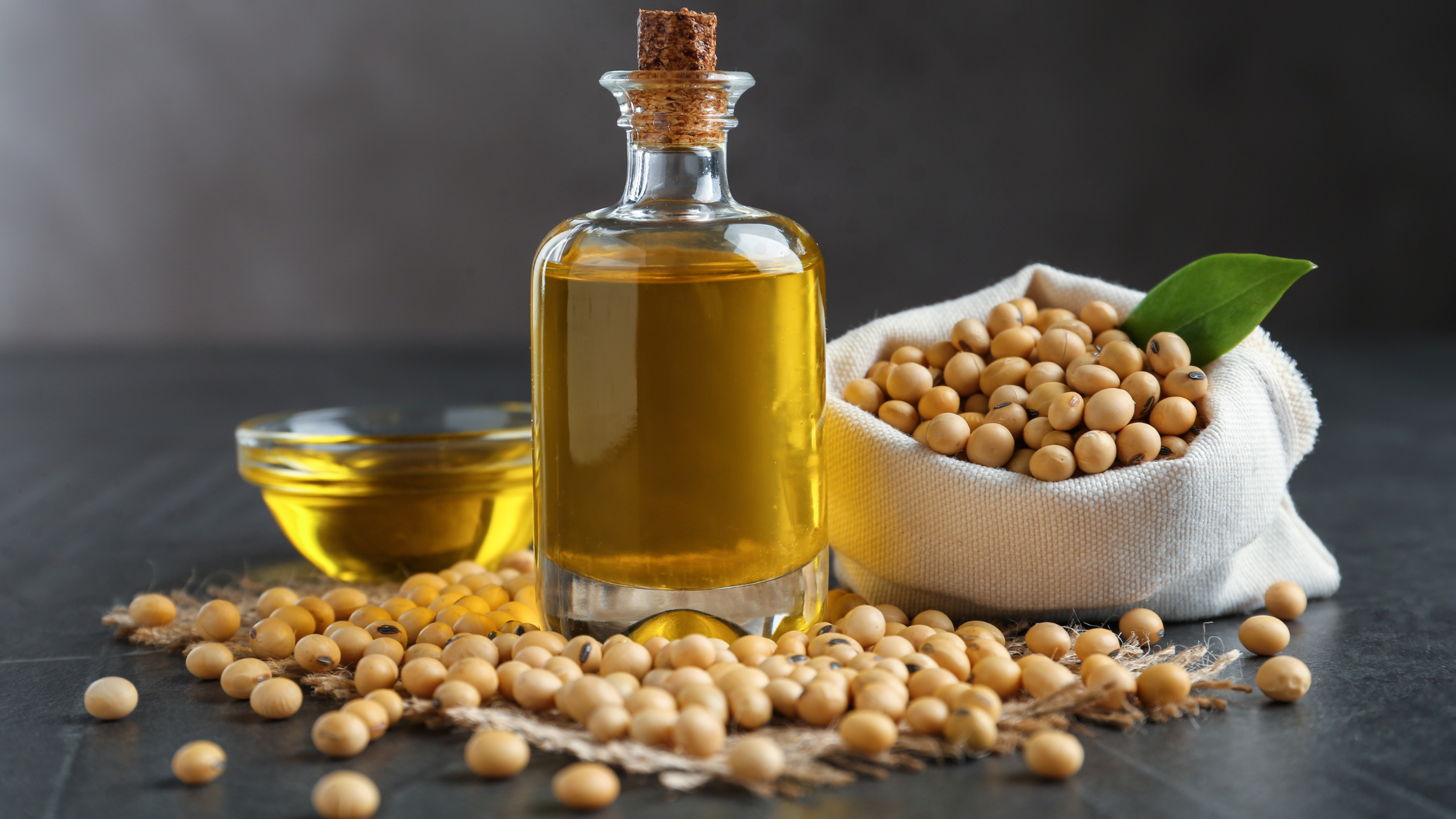
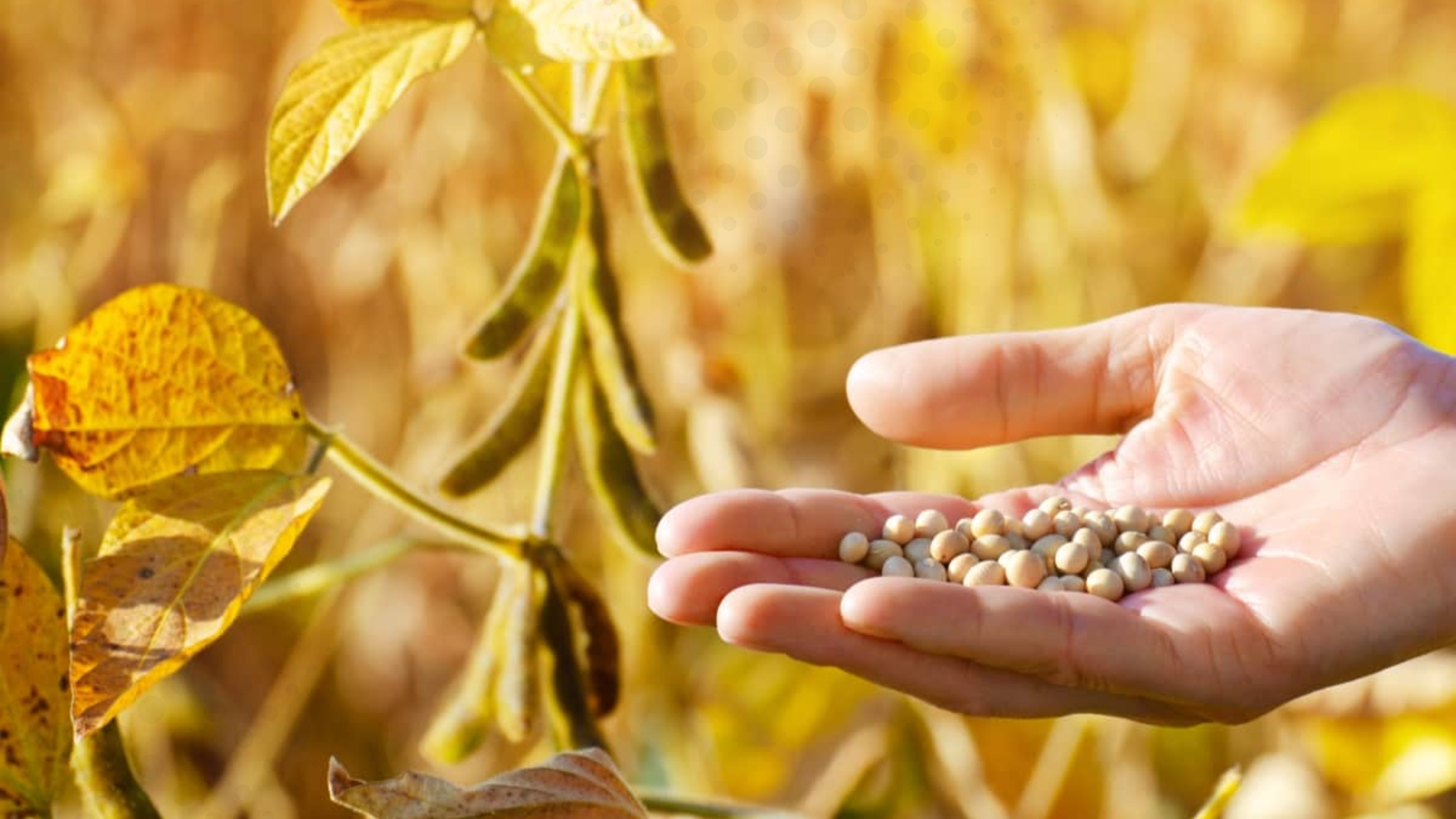 Soybean is no longer limited to oil mills and animal feed. Its reach now extends to packaged foods and household use across regions. In many areas, soybeans move directly into vegetables home usage through fresh processing and value-added products. As global demand rises, soybean also supports organic farming systems that focus on long-term soil care and cleaner food cycles. It further contributes to global trade as part of large-scale export vegetables movement, connecting farms to cross-border markets.
Vipra Overseas and the Global Export of Agro Products
 As demand for reliable farm produce continues to grow worldwide, Vipra Overseas plays an important role in supporting international supply chains. Through its strong sourcing network and export operations, Vipra Overseas helps move fresh fruits, fresh vegetables, beans, frozen products, spices, and grains into global markets. From farm-level quality checks and grading to export-grade packaging and coordinated international logistics, the company works to ensure that produce reaches overseas buyers in excellent condition. By acting as a bridge between growers and global demand, Vipra Overseas expands access, builds consistency, and strengthens trust across markets.
Why Consistency Matters More Than Shortcuts
 Many farmers make the mistake of changing methods every season looking for quick returns. Soybean responds best to steady, disciplined practices. Consistent sowing methods, regular field inspection, balanced nutrition, and timely harvesting build reliable results year after year.
Shortcuts may save time temporarily, but they often cost more in lost yield, poor quality, and lower market prices.
Conclusion
Getting the best soybean produce is not about using complex techniques—it is about doing the basics with care and timing. From quality seed selection and soil preparation to water control, nutrition, and pest monitoring, each step shapes the final harvest. When soybeans are grown with patience and planning, they reward farmers with strong yields, good market value, and lasting soil health.
With growing domestic use and global demand supported by structured export systems like those offered by Vipra Overseas, soybean farming holds steady promise for farmers who focus on consistent, thoughtful cultivation.