
Important Tips On Onion Farming
Introduction
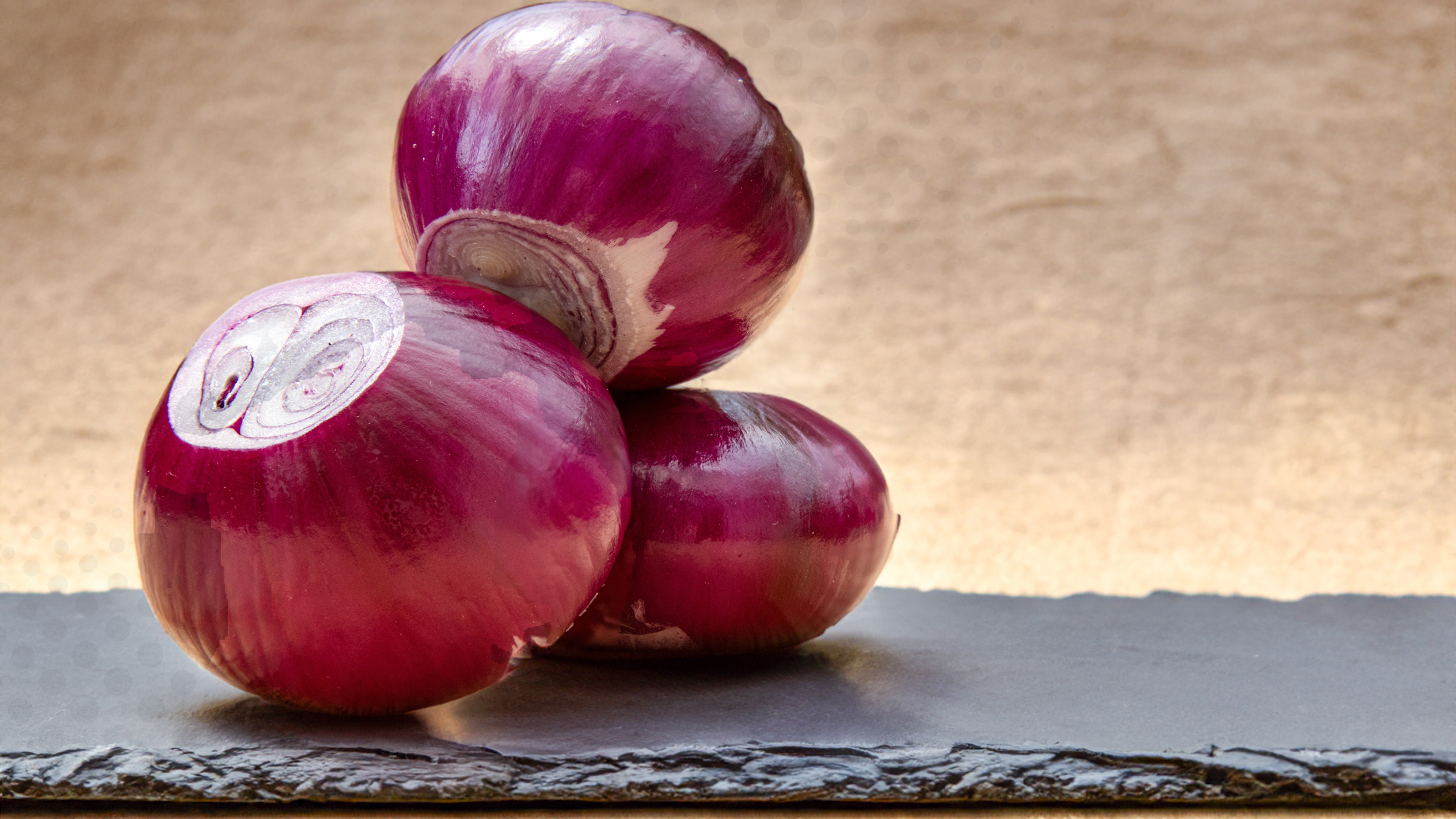 Onion is one of the most widely used vegetables in everyday cooking. From simple home meals to large food industries, onion plays a central role in flavor and nutrition. Because of its constant demand, onion farming has become a dependable source of income for many farmers. However, to get good size bulbs, proper yield, and strong market value, growers must follow disciplined farming practices. Onion farming is not difficult, but it requires correct timing, careful soil management, and steady attention throughout the crop cycle. This guide shares practical tips that help farmers achieve healthy onion crops with better returns.
Understanding the Right Climate and Soil
Why Climate Makes a Difference
Onions grow best in mild  weather. Very high heat during early growth can weaken plants, while extreme cold can slow bulb formation. A balanced environment helps the plant focus on steady leaf growth first and bulb development later.
Choosing the Right Soil Type
Loose, well-drained soil works best for onion farming. Heavy clay soil holds water too long and can cause bulb rot. Sandy loam soil allows good drainage while holding enough moisture for root growth. The field should be free of stones and compact patches so bulbs can expand freely.
Selecting Good Quality Seed or Seedlings
Strong Planting Material Builds Strong Crops
Good onion produce begins with healthy seeds or seedlings. Farmers should select seeds with 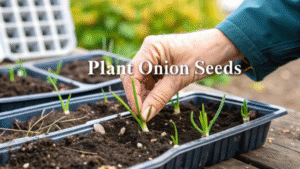 high germination rates and disease resistance. Weak or old seeds usually result in uneven crop growth and reduced bulb size.
Seedlings grown in a nursery should be firm, green, and free from yellowing. Healthy transplants survive better after shifting into the main field and begin growth quickly.
Proper Land Preparation
Creating the Perfect Bed for Growth
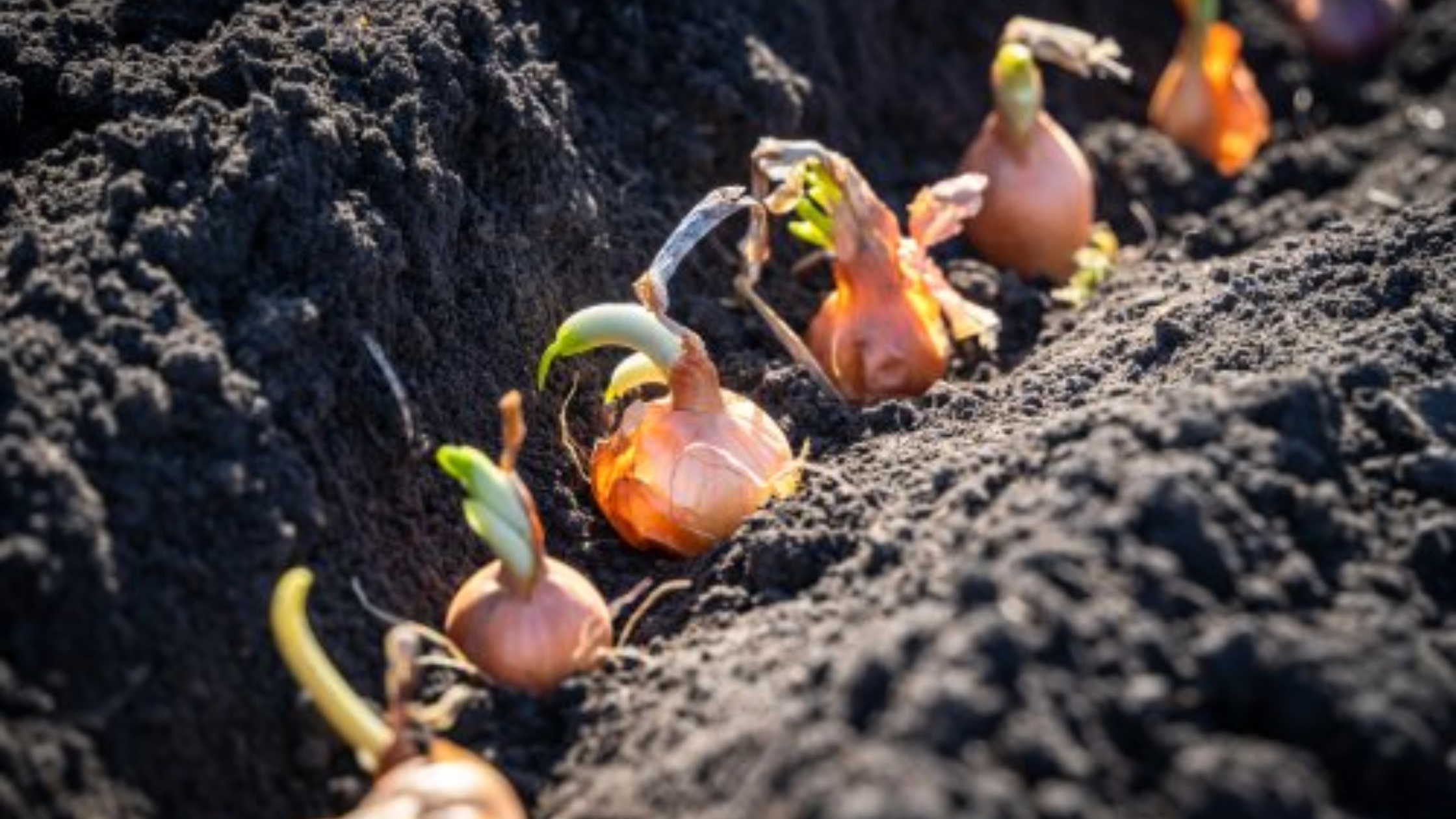 The field should be ploughed properly to loosen the soil and remove previous crop residue. This helps roots grow freely and allows water to spread evenly. Raised beds improve drainage, especially in areas where rainfall is heavy.
Before planting, farmers often mix organic manure or compost into the soil to increase natural fertility. Balanced soil nutrition at this stage supports stronger plants during early growth.
Correct Spacing and Transplanting
Giving Each Plant Enough Room
Onion plants need proper spacing for healthy bulb 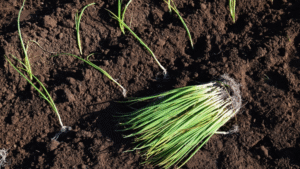 development. Crowded plants compete for light, water, and nutrients, leading to smaller bulbs. Proper row spacing allows air to move freely, which reduces disease risk.
Transplanting should be done during mild weather, preferably in the evening. This reduces shock and gives plants time to settle before facing strong sunlight.
Efficient Water Management
Balancing Moisture Without Waterlogging
Onions need regular watering, especially during early growth and 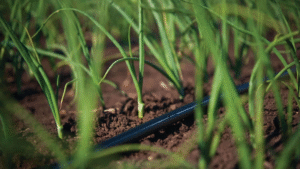 bulb formation. However, excess water causes rot and weak root development. Fields should never remain waterlogged.
As the crop matures, watering should be reduced. Too much moisture near harvest reduces shelf life and affects bulb quality. Controlled watering keeps the onion firm and suitable for storage.
Supplying Nutrients at the Right Time
Feeding the Crop for Better Bulb Formation
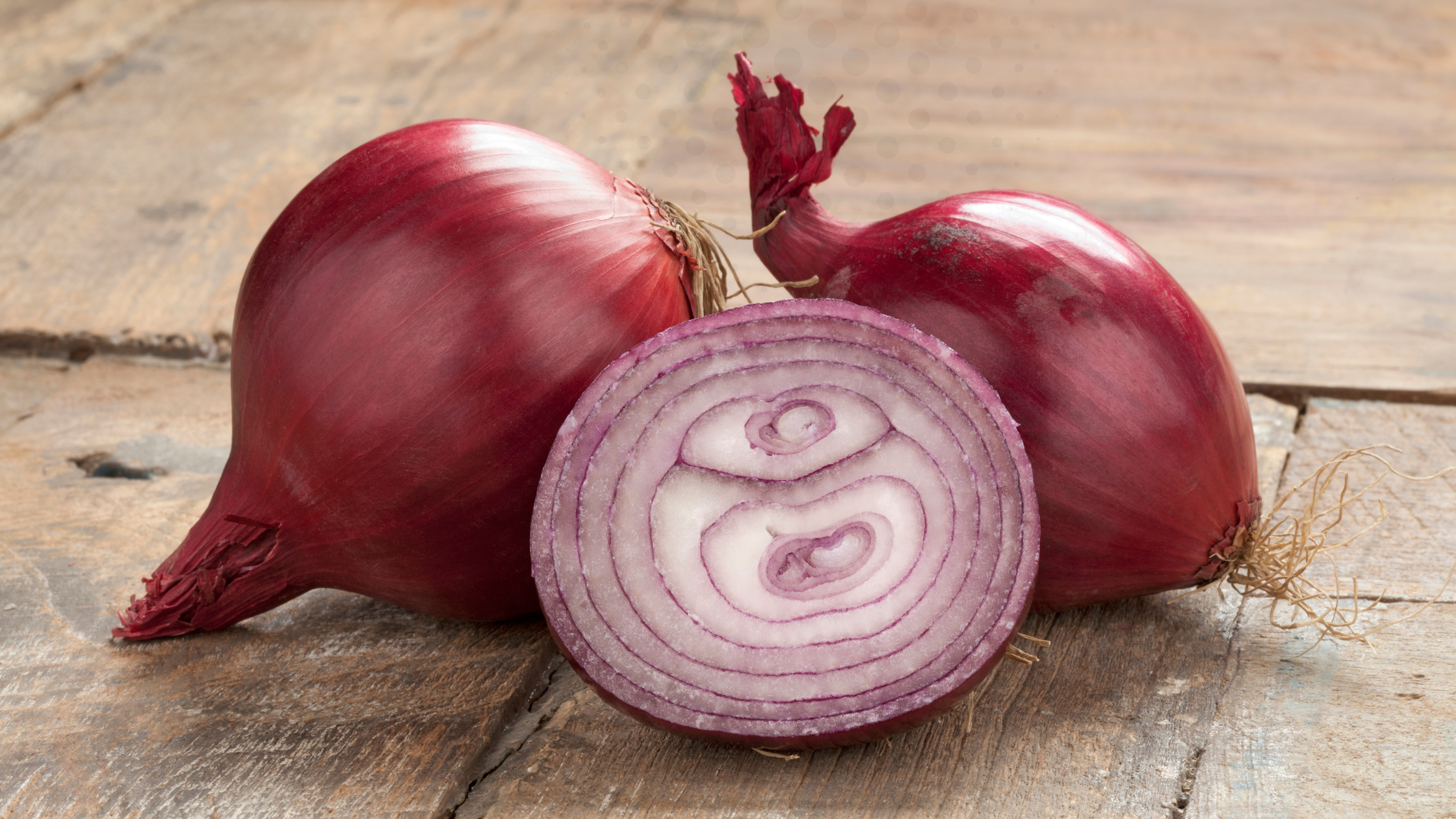 Onions respond well to balanced nutrition. Nitrogen supports leaf growth, while potassium improves bulb size and firmness. Instead of applying everything at once, nutrients should be given in stages to match plant needs.
Many farmers now combine natural inputs with careful feeding methods. Onion farming also draws attention within the crop industry due to its wide use and steady market demand. With proper methods, it is often considered among the best business in farming for stable seasonal income.
Weed and Disease Management
Protecting the Crop from Competition
Weeds grow quickly during early onion growth and compete directly for nutrients and moisture. Manual 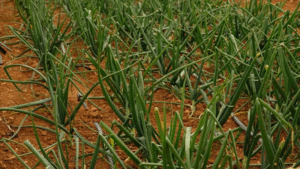 weeding or mechanical tools help keep the field clean. Early weed control helps onion plants grow stronger without stress.
Onions can also face fungal diseases and pests, especially in humid conditions. Regular field checks help detect early signs. Maintaining spacing, clean irrigation practices, and balanced nutrition improves natural resistance.
Harvesting at the Right Stage
Timing the Final Step Carefully
Onions are ready for harvest when the leaves start to bend and turn 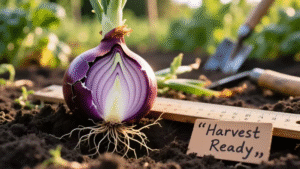 yellow. Harvesting too early reduces bulb size, while delaying too much can cause poor storage life.
Harvesting should be done on dry days. Once pulled, bulbs should be dried properly in shade before storage. Proper curing strengthens the outer skin and protects the onion from spoilage.
Post-Harvest Storage and Marketing
Keeping Quality Intact After Harvest
After curing, onions should be stored in dry, well-ventilated spaces.  Moist storage areas lead to fungal growth and rotting. Proper storage protects both appearance and weight.
Onions are widely traded and contribute strongly to agro exports, supporting domestic supply as well as international markets.
Vipra Overseas and the Global Export of Agro Products
 Vipra Overseas plays a key role in connecting Indian farms with global buyers through a strong and dependable export system. The company supports the export of fresh fruits, fresh vegetables, beans, frozen products, spices, and grains across international markets. From farm-level sourcing, careful quality inspection, and proper grading to export-grade packaging and smooth logistics, Vipra Overseas ensures that produce reaches abroad in excellent condition. By building strong trade links and consistent supply chains, Vipra Overseas helps Indian farmers reach wider markets with confidence and stability.
Why Onion Farming Requires Patience and Planning
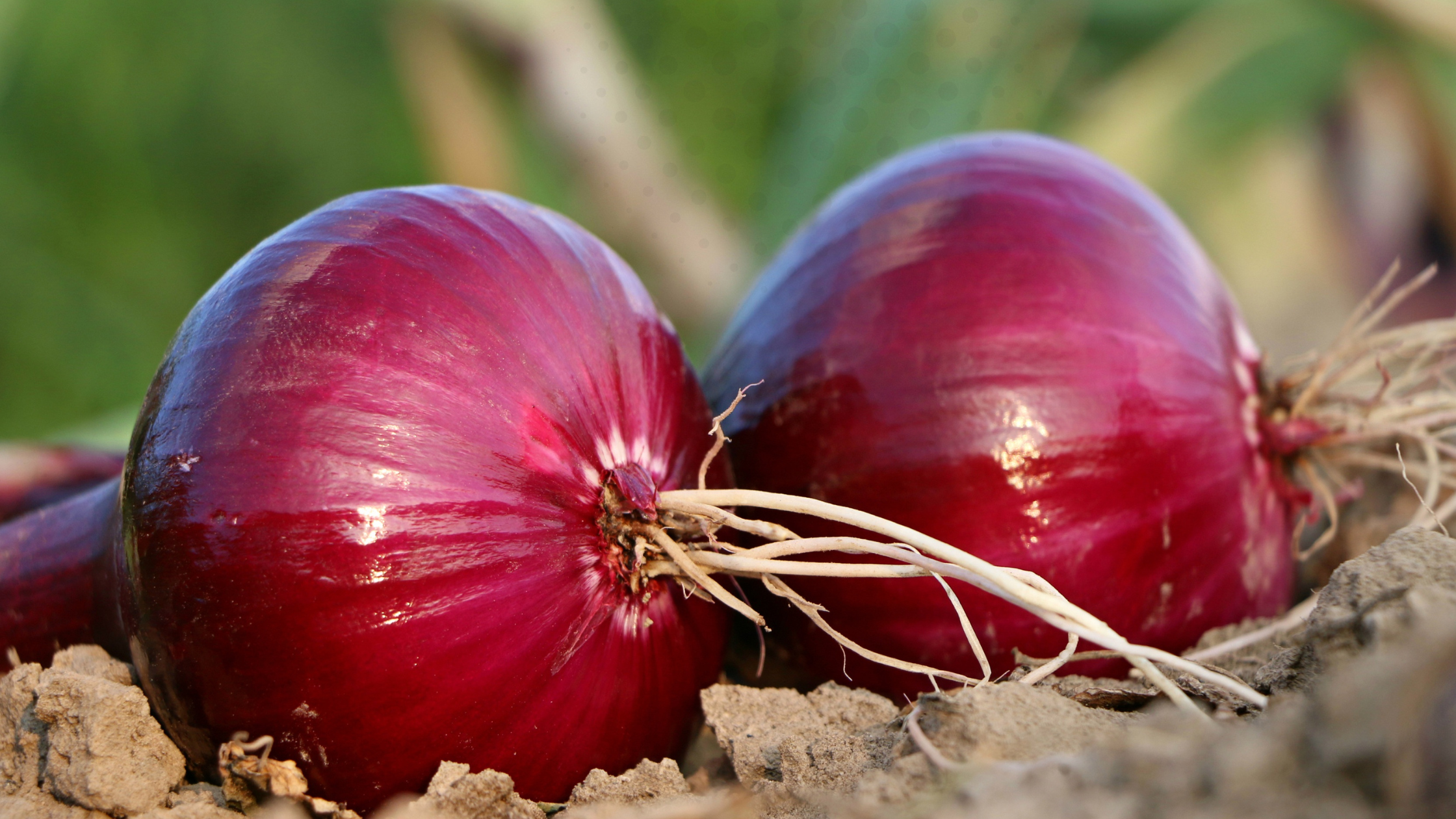 Onion farming rewards farmers who follow steady methods rather than shortcuts. Each stage—right from soil preparation to storage—plays an important role in final profit. Farmers who remain disciplined with water, nutrients, and timely harvest enjoy better yield and higher market value.
Conclusion
Onion farming is a dependable and rewarding agricultural activity when handled with care. By choosing the right soil, using healthy seeds, managing water properly, feeding crops at the right time, and harvesting carefully, farmers can achieve strong onion yields with good storage quality. With growing demand in both local markets and international trade supported by exporters like Vipra Overseas, onion farming continues to offer long-term potential for consistent income and growth.