
Growing Corn How To Plant, Care, & Harvest
A crop that feeds homes and markets a like
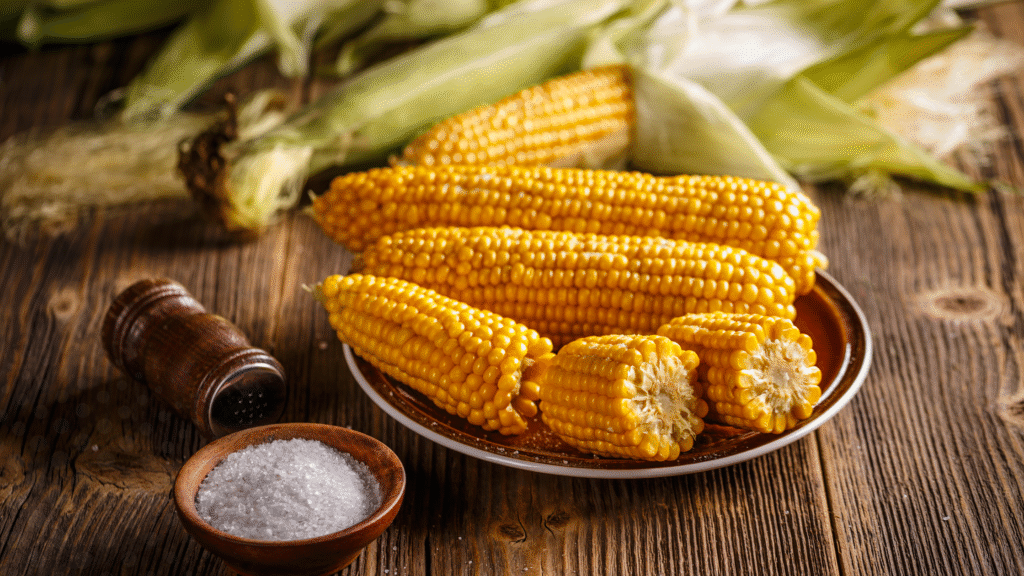 Corn is one of the most dependable and widely grown crops across many regions. It supports food systems, livestock feed, and various industries, making it an essential part of modern farming. Whether grown on a small plot or across large fields, corn rewards farmers who follow the right practices at each stage. Successful corn cultivation depends on proper soil preparation, timely planting, consistent care during growth, and harvesting at the correct stage. This guide explains each step in a practical and easy-to-follow manner.
Understanding the Ideal Growing Conditions
Corn grows best in warm weather with plenty of sunlight. It needs a frost-free period to complete 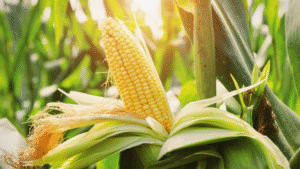 its growth cycle and performs well when temperatures remain steady during early development. Adequate sunlight helps the plant produce strong stalks and healthy ears.
Soil quality plays a major role in corn production. Well-drained soil with good structure allows roots to grow deeply and absorb nutrients efficiently. Fields that hold excess water can lead to poor root health and reduced yield.
Preparing the Land Before Planting
Land preparation sets the foundation for a successful crop. The field should be ploughed deeply to loosen compact soil and remove weeds or leftover crop residue. 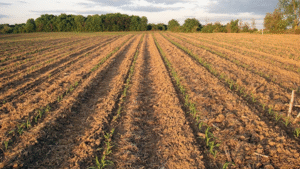 Fine soil texture helps seeds settle evenly and supports smooth germination.
Adding organic matter improves soil fertility and moisture retention. Many farmers also follow crop rotation practices to maintain soil balance and reduce pest buildup over time.
Planting Corn Correctly
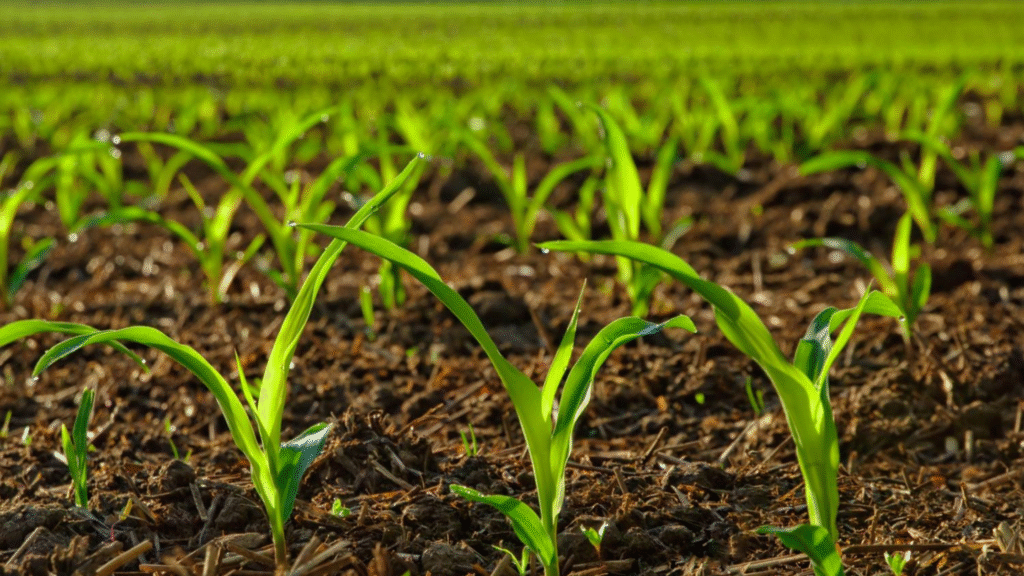 Corn should be planted only after soil temperatures become warm enough for proper germination. Planting too early may slow growth, while planting too late can shorten the growing season.
Seeds are usually planted in rows with uniform spacing. This allows good air circulation, sunlight exposure, and access to nutrients. Consistent planting depth ensures even emergence, which makes crop management easier later.
Watering and Nutrient Care
Corn requires steady moisture, especially during early growth, flowering, and grain development. Uneven watering can affect cob size and kernel formation.
Irrigation should be 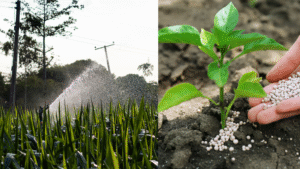 adjusted based on soil moisture rather than a fixed routine. Too much water can damage roots, while too little can cause stress during critical stages.
Balanced nutrition is essential. Corn benefits from nutrients that support leaf growth, root strength, and grain filling. Soil testing helps farmers apply the right nutrients at the right time, avoiding unnecessary input use.
Managing Weeds and Crop Health
Weeds compete with corn plants for water, nutrients, and sunlight, especially in the early stages. Keeping fields 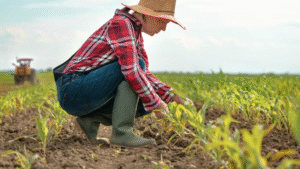 clean during the first few weeks helps protect yield potential.
Regular field checks help identify issues before they spread. Healthy soil, proper spacing, and timely care reduce stress on plants and support steady growth throughout the season.
Monitoring Growth and Development
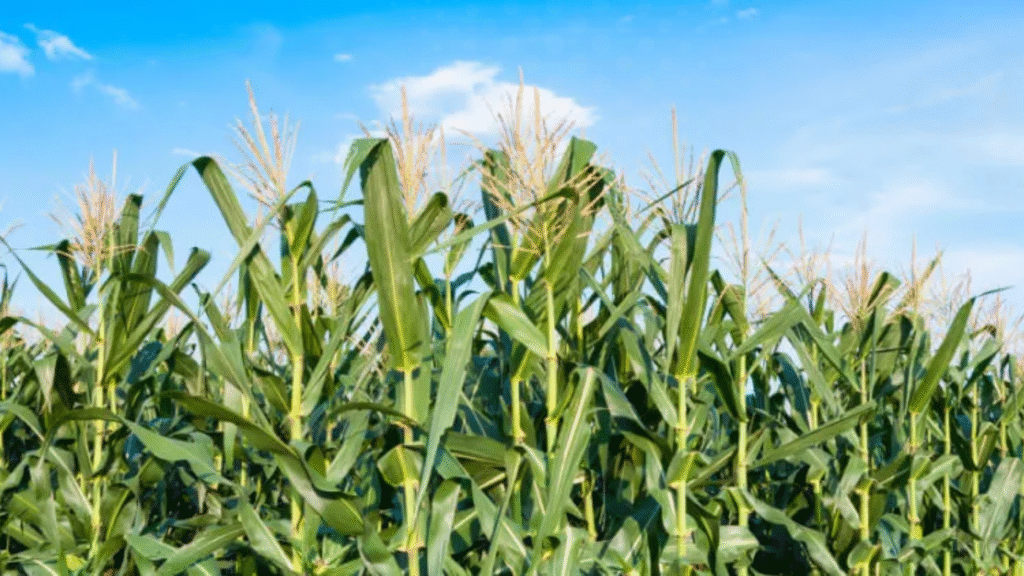 Corn passes through several growth stages, from seedling emergence to tasseling and ear formation. Observing these stages helps farmers plan irrigation and nutrient application more accurately.
Strong stalks, dark green leaves, and well-developed ears are signs of good crop health. Early detection of irregular growth helps prevent larger problems later.
Harvesting at the Right Stage
Harvest timing depends on how the corn will be used. Corn grown for fresh consumption is harvested earlier than corn grown for grain.
Harvesting too early affects quality, while 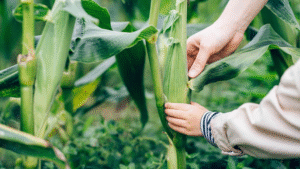 harvesting too late increases the risk of loss due to lodging or pest damage. Moisture levels should be checked to ensure the crop is suitable for storage or transport.
Mechanical harvesters are commonly used for large areas, helping save time and reduce labor demand.
Post-Harvest Handling and Storage
After harvest, corn should be dried properly to reduce moisture content. Drying helps  prevent spoilage and protects grain quality during storage.
Clean storage conditions protect the crop from pests and damage. Proper post-harvest handling increases shelf life and market value.
Corn Farming in a Changing Agricultural Landscape
 Corn production continues to adapt to modern challenges. Many farms now focus on improving soil health and reducing environmental impact through practices linked to carbon farming. New tools and techniques connected to precision agriculture allow farmers to monitor soil, water, and crop health more accurately. These approaches support better resource use while maintaining productivity, helping corn remain a reliable crop in evolving agri systems.
Vipra Overseas and Global Agro Exports
 Vipra Overseas plays an important role in connecting Indian farms with global markets. The company supports the export of fresh fruits, fresh vegetables, beans, frozen products, spices, and grains, ensuring quality at every stage. From farm-level sourcing and careful quality checks to export-grade packaging and coordinated international logistics, Vipra Overseas ensures agro products reach overseas buyers in excellent condition. This structured export support helps farmers and producers expand their reach beyond domestic markets.
Why Corn Remains a Strong Farming Choice
Corn continues to be trusted by farmers because of its adaptability, steady demand, and wide usage. When grown with attention to detail, it delivers predictable yields and fits well into diversified farming systems.
Conclusion
Growing corn successfully requires preparation, patience, and timely action. From soil preparation and planting to daily care and harvesting, each step contributes to the final result. With responsible farming practices and strong export support from companies like Vipra Overseas, corn grown on Indian farms continues to serve both local needs and global markets. As farming methods evolve, corn remains a dependable crop for long-term agricultural success.