
Cardamom Cultivation in India: Varieties & Farming
A spice rooted in tradition and terrain
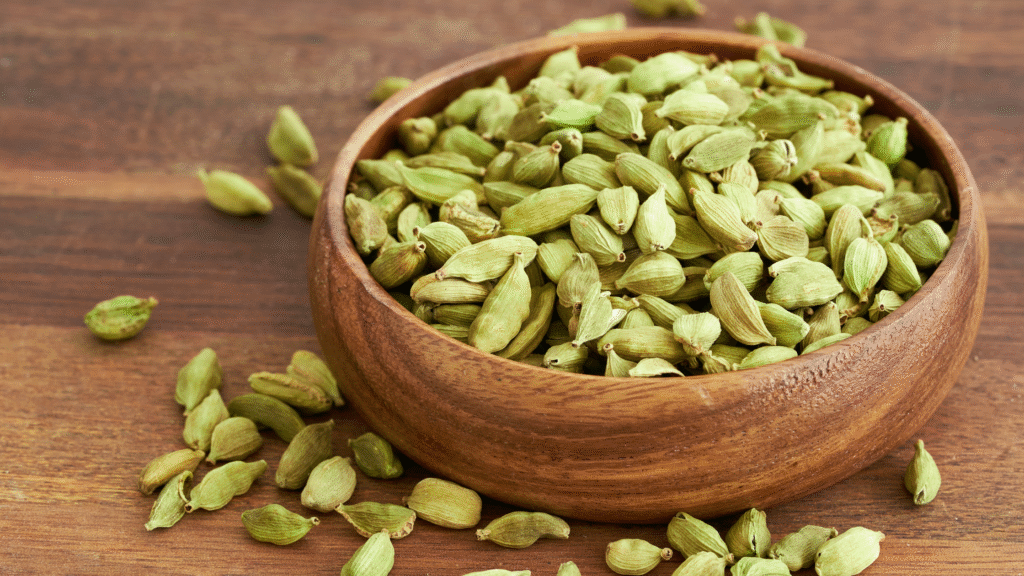 Cardamom is often called the “Queen of Spices,” and its reputation is well earned. With its strong aroma and distinctive flavor, cardamom holds a valued place in Indian kitchens, traditional preparations, and global spice markets. India is one of the leading producers of cardamom, supported by suitable climate conditions and generations of farming knowledge. Cultivating cardamom requires patience, careful planning, and close attention to natural conditions, but the rewards are significant due to strong demand and premium pricing.
Why Cardamom Thrives in Indian Conditions
Cardamom grows best in warm, humid environments with consistent rainfall and shaded conditions. India’s Western Ghats provide ideal surroundings, offering rich forest soil, steady moisture, and moderate temperatures. These natural advantages allow  cardamom plants to grow steadily and produce high-quality pods with strong aroma.
Because cardamom is a perennial crop, it remains productive for several years when managed properly. This long-term nature makes it a valuable investment for farmers who are willing to follow disciplined cultivation practices.
Major Cardamom Varieties Grown in India
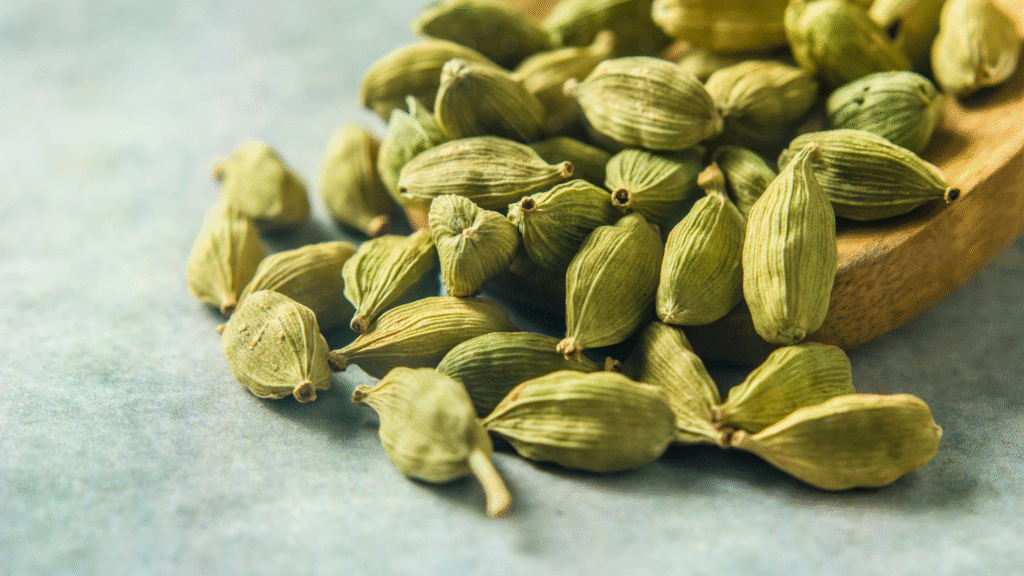
India grows mainly small cardamom, which is known for its intense aroma and compact pods. Within this category, several improved varieties are cultivated based on yield potential and resistance.
Some popular types are known for early maturity, while others are chosen for higher capsule weight or better tolerance to  local conditions. Farmers often select varieties based on elevation, rainfall pattern, and soil type to achieve consistent results.
Large cardamom is also grown in select regions, especially in the northeastern states. This variety has a smoky aroma and is commonly used in savory dishes.
Soil and Climate Requirements
Loose, well-drained soil rich in organic matter is essential for cardamom farming. Waterlogging damages roots and reduces productivity, so natural drainage or raised beds are important.
The crop prefers partial shade rather than direct sunlight. Many farmers grow cardamom under tree cover, which protects plants from extreme heat while maintaining humidity. Regular mulching helps retain soil moisture and supports healthy root development.
Planting and Propagation Methods
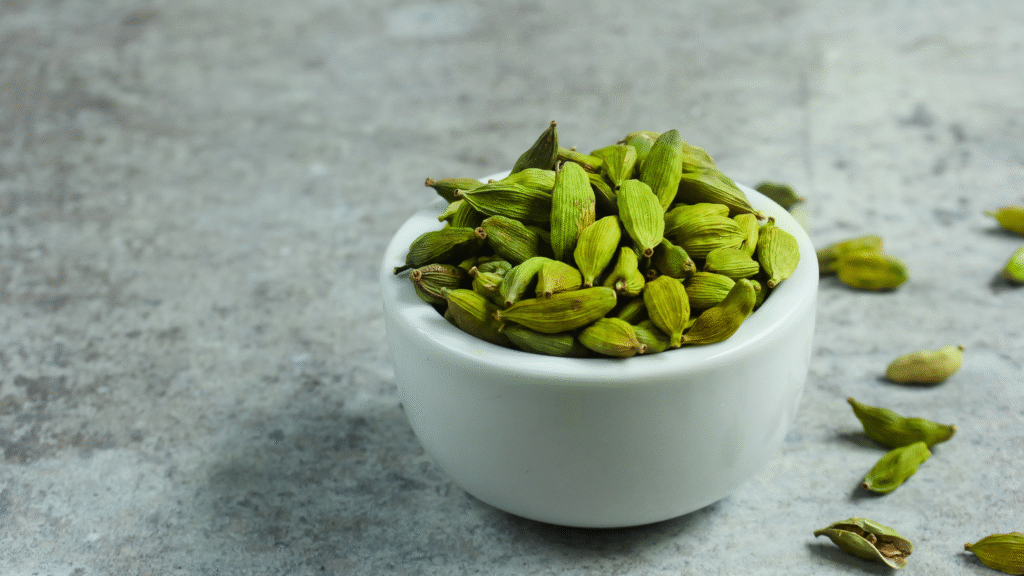 Cardamom is commonly propagated through healthy suckers or seedlings raised in nurseries. Selecting disease-free planting material is critical for long-term success.
Planting is usually done at the onset of monsoon when soil moisture is adequate. Proper spacing allows airflow and reduces disease pressure. Once planted, young plants require careful attention during the first year to establish strong roots.
Water and Nutrient Management
Cardamom requires consistent moisture throughout the growing period. Irrigation becomes especially important during dry months. Light but frequent watering helps maintain soil moisture without causing root damage.
Natural soil enrichment methods are widely used to support long-term soil health. Balanced nutrition helps plants produce healthy foliage and strong flowering spikes, which directly affect capsule yield.
Weed, Pest, and Disease Care
 Weeds compete for nutrients and moisture, especially during early growth. Regular manual weeding helps keep fields clean without disturbing roots.
Cardamom plants may face challenges such as fungal infections or pest attacks if humidity becomes excessive. Good air circulation, proper shade management, and clean field practices help reduce these risks. Preventive care works better than heavy corrective measures.
Harvesting and Post-Harvest Handling
Cardamom harvesting requires patience and attention. Capsules are picked when they reach full size but before they over-ripen. Harvesting is done in multiple rounds to ensure uniform quality.
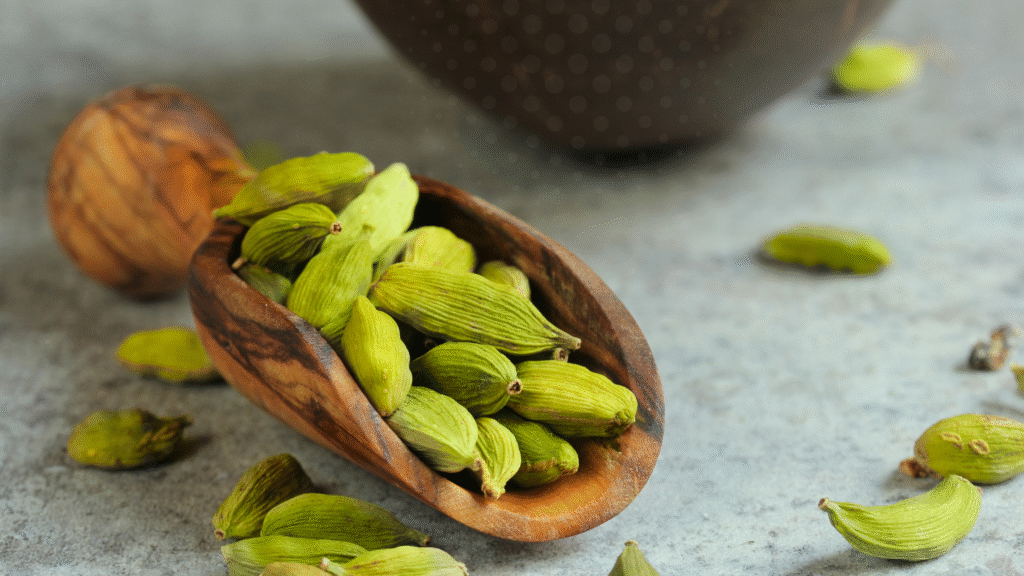
After harvest, capsules are dried carefully to preserve color and aroma. Proper drying and storage play a major role in determining market value. Well-handled cardamom commands premium prices both domestically and internationally.
Cardamom Farming in a Modern Agricultural Setting
 Cardamom cultivation is increasingly influenced by new approaches that blend tradition with innovation. Many farms now use data-based irrigation planning and soil monitoring through smart farming methods to improve efficiency. Some growers work within community supported agriculture models, where farming communities share resources and knowledge. Technological tools under the agro tech space also help farmers track crop health and optimize yields without disturbing natural balance.
Vipra Overseas and the Export of Agro Products
 Vipra Overseas plays a key role in bringing Indian agricultural produce to global markets. The company supports the export of fresh fruits, fresh vegetables, beans, frozen products, spices, and grains, ensuring quality at every stage. From farm-level sourcing and strict quality checks to export-grade packaging and international logistics coordination, Vipra Overseas helps Indian produce reach overseas buyers in excellent condition. This strong export support allows spices like cardamom to gain wider global recognition while maintaining their natural quality.
Why Cardamom Remains a Valuable Crop
Cardamom farming may require careful management, but its returns justify the effort. Strong global demand, long crop life, and premium pricing make it one of the most profitable spice crops. With proper care, a cardamom plantation can remain productive for many years.
Farmers who focus on soil health, shade management, and timely harvesting often achieve stable yields and consistent quality.
Conclusion
Cardamom cultivation in India reflects a perfect blend of natural conditions, traditional knowledge, and evolving farming practices. From selecting the right variety to careful harvesting and post-harvest handling, each step contributes to the final quality of the spice.
With increasing global demand and reliable export support from companies like Vipra Overseas, Indian cardamom continues to travel from forest-grown farms to kitchens around the world. When cultivated with care and balance, cardamom farming remains a rewarding and sustainable agricultural choice.