
A Simple Way to Start Growing Without Soil
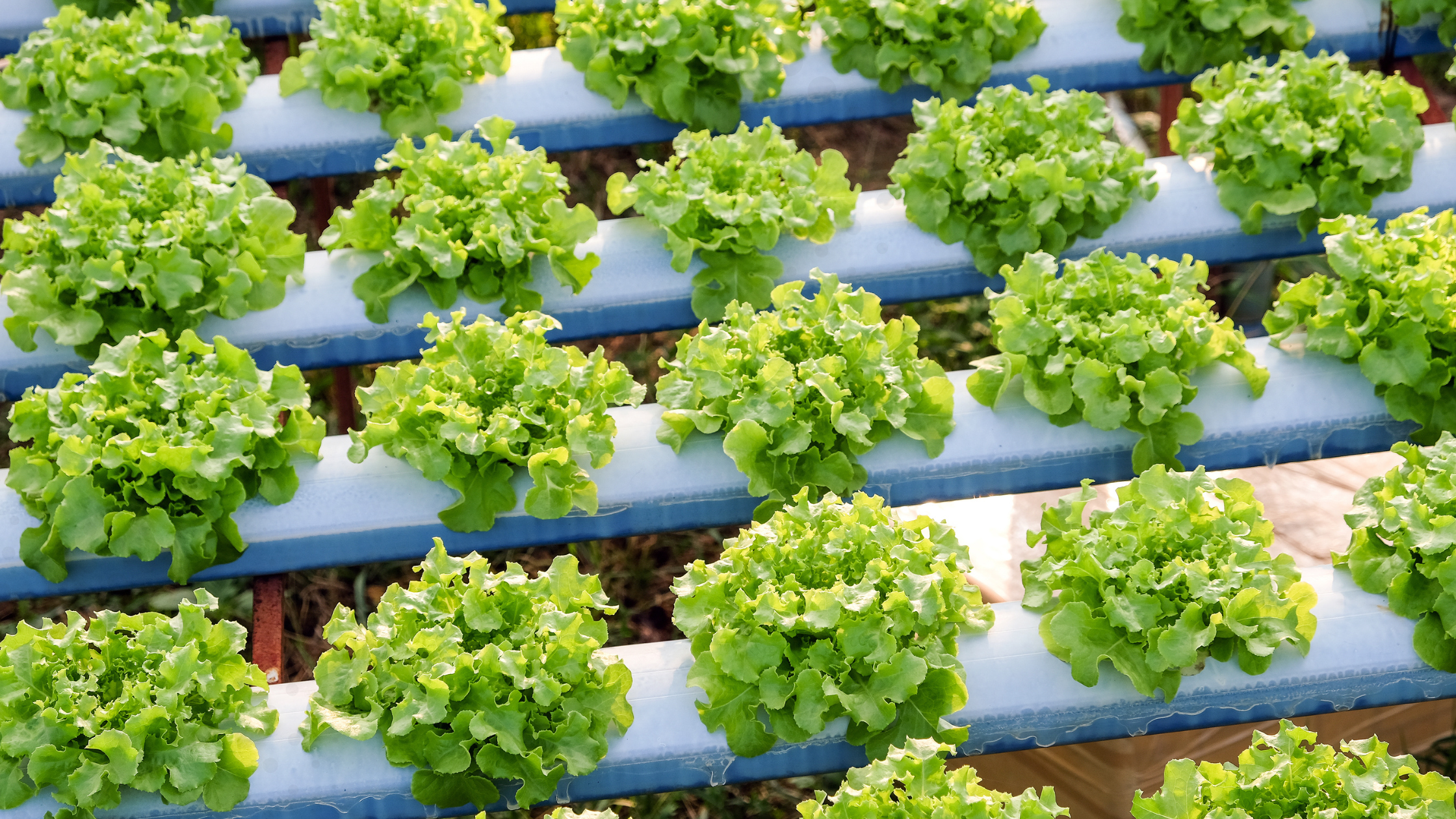 For many people, the idea of growing plants without soil sounds strange at first. Yet once you understand how hydroponics works, it becomes one of the most practical and rewarding ways to grow food—especially in small spaces. Whether you live in a city apartment, manage a greenhouse, or want to try something modern on your farm, hydroponics allows you to grow clean, fast, and controlled crops all year round.
This guide will walk you through the full process in clear, simple steps so you can confidently begin your own hydroponic growing journey.
Step 1: Decide What You Want to Grow
Before setting up  anything, the first step is choosing your plant. Not all crops behave the same way in water-based systems. For beginners, it’s best to start with fast-growing and low-maintenance plants.
Good starter options include:
-
Lettuce
-
Spinach
-
Basil
-
Mint
-
Coriander
-
Cherry tomatoes
These plants give quick results, helping you understand the system without long waiting periods.
Step 2: Pick the Right Type of System
There are different types  of hydroponic systems, and each works in a slightly different way. Your choice should depend on your space, budget, and crop type.
Common system types:
-
Deep Water Culture (DWC) – roots hang directly in water
-
Nutrient Film Technique (NFT) – thin water flow through channels
-
Wick system – passive setup without pumps
-
Vertical towers – designed for stacked growing
For home users, DWC and NFT are often the easiest to manage.
Step 3: Gather the Basic Materials
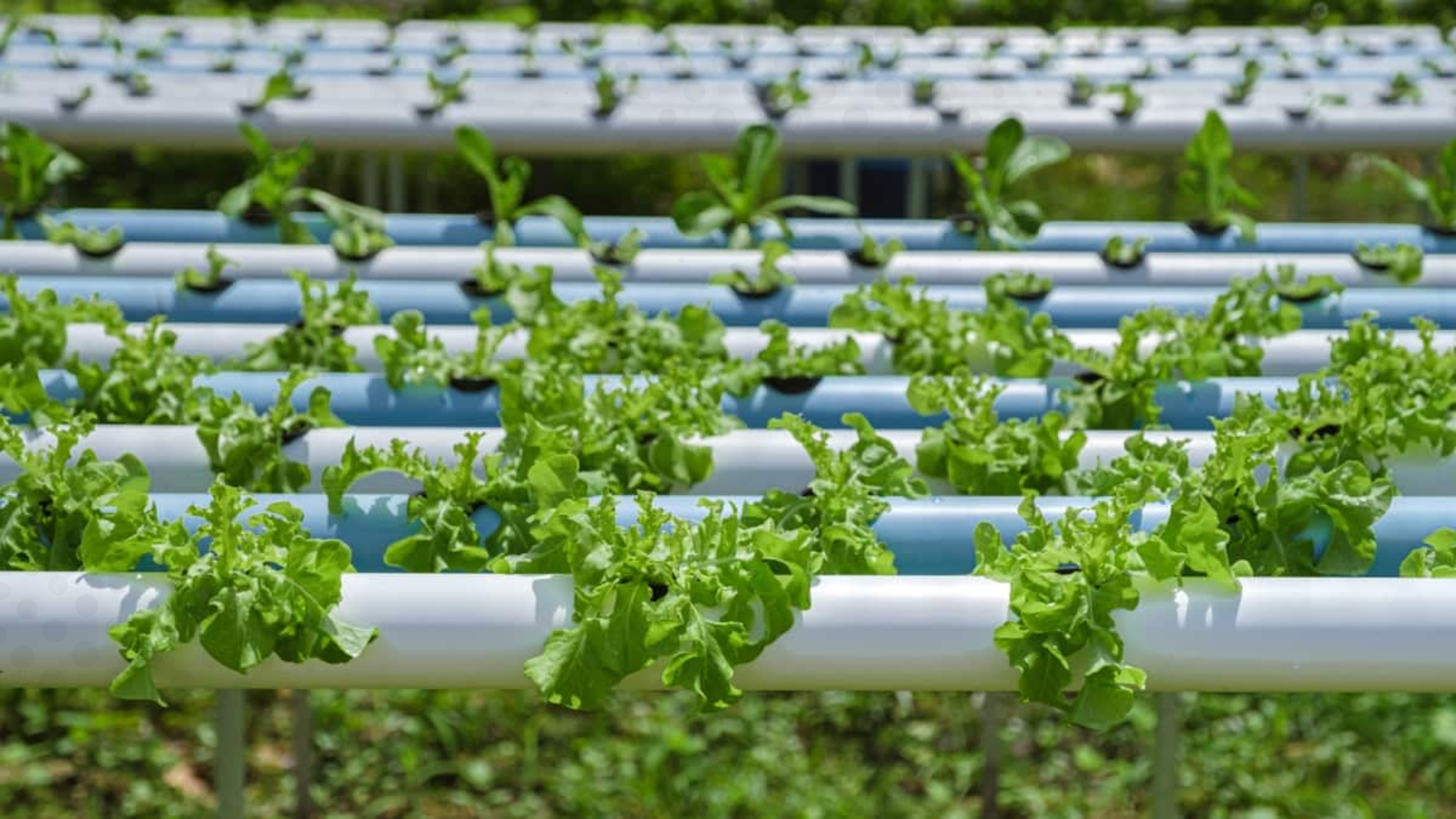 Once your system type is decided, you’ll need to collect the main components. A basic setup usually includes:
-
Water tank
-
Net pots
-
Growing medium (coco peat or rock wool)
-
Nutrient solution
-
Air pump and air stone
-
Water pump (for recirculating systems)
-
PVC pipes or channels
-
Light source or access to natural sunlight
These parts are widely available through local stores and agri suppliers, making it easier than ever to get started.
Step 4: Prepare Water and Nutrient Mix
Water is the lifeline of 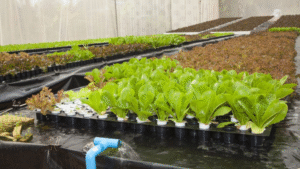 your hydroponic system. Always start with clean, filtered water if possible. After that, add the nutrient solution based on the plant’s growth stage.
Each plant needs a specific balance of:
-
Nitrogen
-
Phosphorus
-
Potassium
-
Calcium
-
Magnesium
-
Trace minerals
Mix the nutrients carefully as per the instructions. Too much or too little can affect plant growth. Stir the solution well and ensure even mixing before circulating it into the system.
Step 5: Start Seeds and Transplant Carefully
Seeds should be started in small growing cubes. 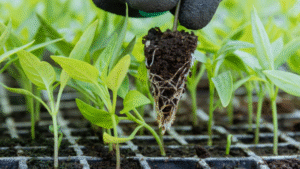 Keep these cubes moist, but never flooded. Within a few days, you’ll see tiny sprouts.
Once seedlings develop 2–3 proper leaves and a strong root system, they are ready to move into the main setup. While transplanting:
-
Handle roots gently
-
Avoid bending the stem
-
Secure the cube properly into the net pot
This stage is delicate, but once the plant settles, growth becomes rapid.
Step 6: Manage Light and Air Flow
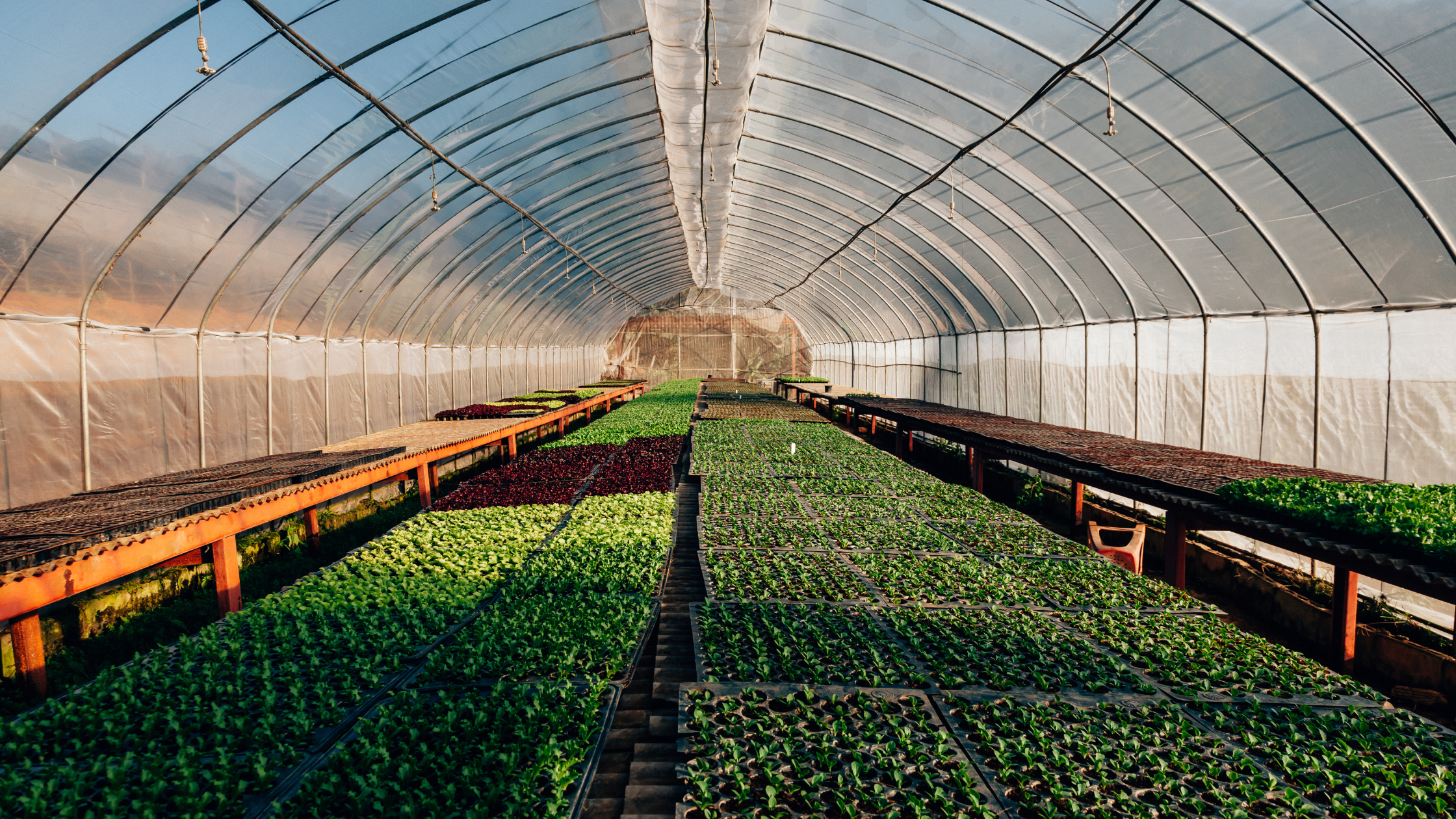 Plants need light to prepare their food. If you are growing indoors, LED grow lights are a reliable option. Most leafy crops require 12 to 16 hours of light daily.
Air movement is equally important. A light fan:
-
Strengthens plant stems
-
Prevents moisture buildup
-
Reduces chances of mold
Fresh airflow keeps the growing space healthy and balanced.
Step 7: Daily Observation and Care
Hydroponics does not 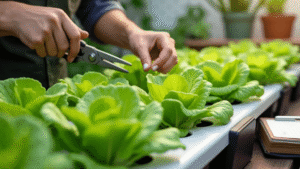 demand heavy physical work, but it does require daily attention. Spend a few minutes each day checking:
-
Water level
-
Nutrient strength
-
Leaf color and structure
-
Root condition
Healthy plants look fresh, upright, and full of color. If you notice yellow leaves or slow growth, it often points to nutrient imbalance or light issues.
This careful monitoring is one of the key agricultural features that makes hydroponics reliable and predictable.
Step 8: Harvest the Right Way
Most hydroponic plants 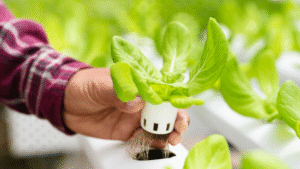 can be harvested multiple times. Leafy greens are usually harvested by cutting outer leaves and allowing new leaves to grow from the center.
Tips for clean harvesting:
-
Use clean scissors
-
Harvest during cooler hours
-
Never remove more than one-third of the plant at once
This method keeps the plant productive for weeks.
Step 9: Understanding Where Your Produce Can Go
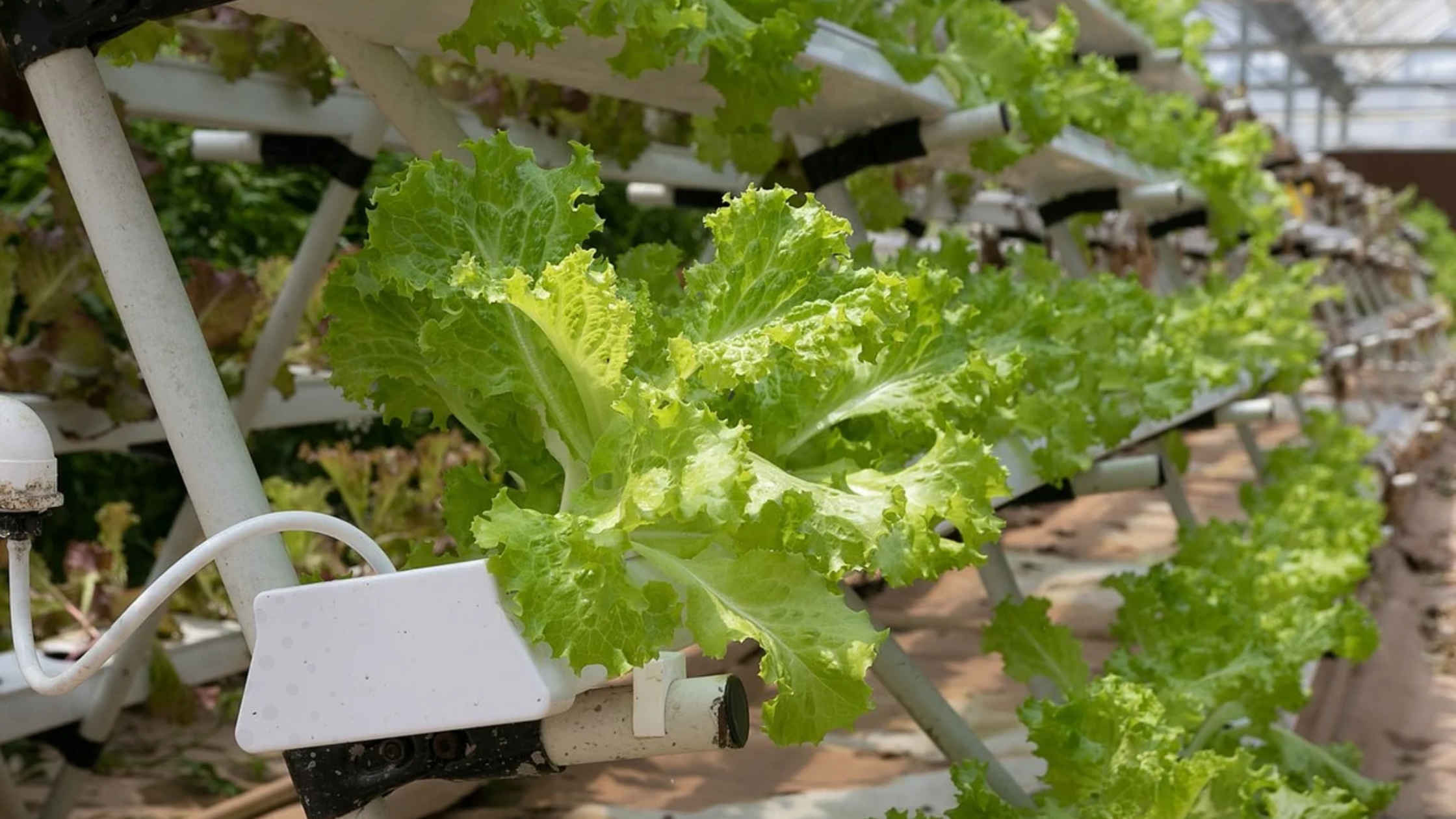 Hydroponically grown crops are highly valued for their clean look, longer shelf life, and uniform size. They fit well into:
-
Local retailers
-
Hotels and restaurants
-
Salad and juice brands
-
Health food stores
-
Export channels
Many growers today directly connect with agri markets to get better pricing for premium-quality produce.
Export Support and the Role of Vipra Overseas
 Once quality production is established, exporting becomes a strong opportunity for hydroponic growers. This is where Vipra Overseas plays a valuable role. Vipra Overseas actively supports the export of:
-
Fresh fruits
-
Fresh vegetable
-
Beans
-
Frozen products
-
Spices
-
Grains
By handling quality checks, cold-chain support, packaging, and documentation, Vipra Overseas helps farmers and growers reach international buyers smoothly. Clean, well-grown hydroponic produce fits global demand perfectly, and exporters like Vipra Overseas create a reliable bridge between farms and foreign markets.
Common Mistakes Beginners Should Avoid
While hydroponics is simpler than it looks, beginners often make a few common mistakes:
-
Overfeeding nutrients
-
Ignoring water temperature
-
Inconsistent light timing
-
Poor root aeration
-
Skipping daily checks
Avoiding these mistakes can dramatically improve your success rate in the first few months.
Final Thoughts
Growing plants hydroponically is no longer just a modern experiment—it is a practical, rewarding way to grow food in today’s space-limited world. From seed to harvest, every step offers control, cleanliness, and faster results. Whether you aim to grow for home use or for business, hydroponics gives you the flexibility to scale at your own pace.
With rising demand in local and global markets, and export support available through reliable partners like Vipra Overseas, hydroponic farming is becoming more than a hobby—it is turning into a solid opportunity for serious growers.