
How to Grow Kale in Hydroponics
A Fresh Start With Leafy Power
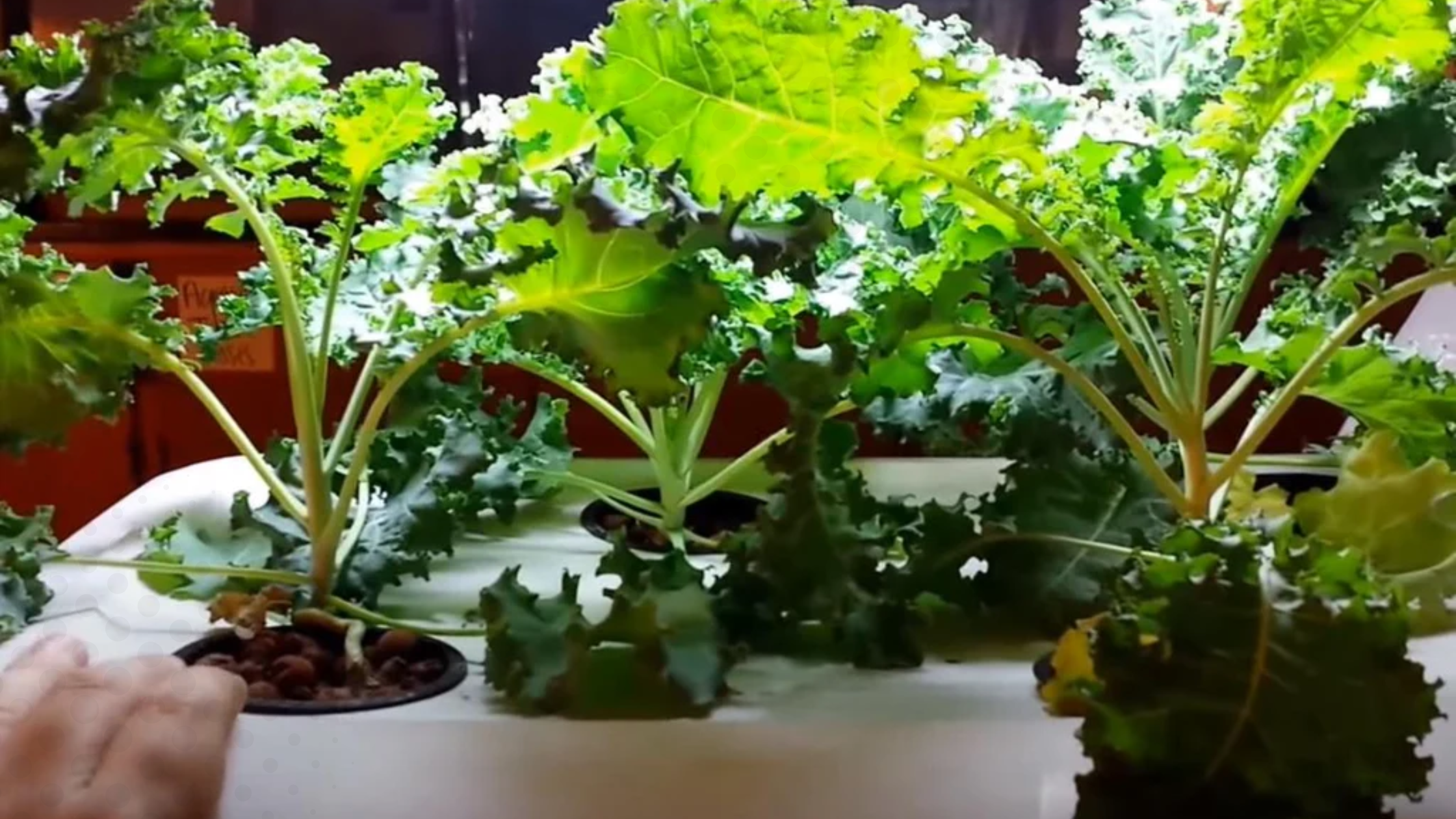 Kale has quietly become one of the most loved leafy greens across kitchens and cafés worldwide. Its deep green color, crisp texture, and rich nutrient value make it a favorite among health-focused eaters. While kale grows well in soil, hydroponics takes its growth to another level. With full control over water, nutrients, and environment, you can grow tender, clean, and fast-growing kale almost anywhere—rooftop, greenhouse, balcony, or indoor setup.
For growers who want steady harvests and better quality, learning how to grow kale in hydroponics is a smart move.
Why Kale Thrives in Water-Based Growing
Kale has a shallow root 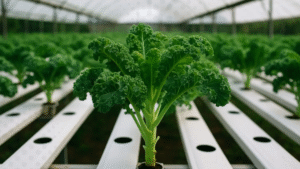 system and grows quickly, which makes it ideal for hydroponic systems. Since its roots get direct access to nutrients, the plant channels more energy into leaf growth instead of searching through soil.
Key reasons kale performs well in hydroponics:
-
Fast growth cycle
-
Strong leaf structure
-
Less risk of soil-borne disease
-
Cleaner harvest
-
Better texture and color
With the right setup, you can expect your first harvest in as little as 25–30 days after planting.
Choosing the Right Kale Variety
Not all kale types behave 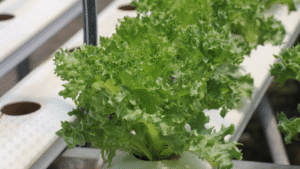 the same way. Some are better suited for hydroponics due to leaf softness and uniform growth.
Popular choices include:
-
Curly kale
-
Lacinato (dinosaur kale)
-
Red Russian kale
Curly kale is the easiest for beginners as it adapts well to different systems and grows evenly.
Setting Up the Growing System
You don’t need a massive 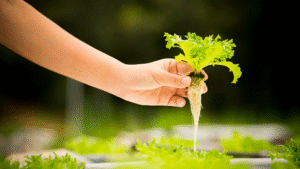 farm to start growing kale in hydroponics. Even a compact structure can work well if designed properly.
Common systems that work best:
-
Nutrient Film Technique (NFT)
-
Deep Water Culture (DWC)
-
Vertical towers
Each system allows constant access to water and nutrients, which keeps kale growing without stress.
You’ll also need:
-
Grow tray or channels
-
Net pots
-
Growing medium (coco peat or rock wool)
-
Nutrient tank
-
Water pump
-
LED or natural sunlight
From Seed to Seedling
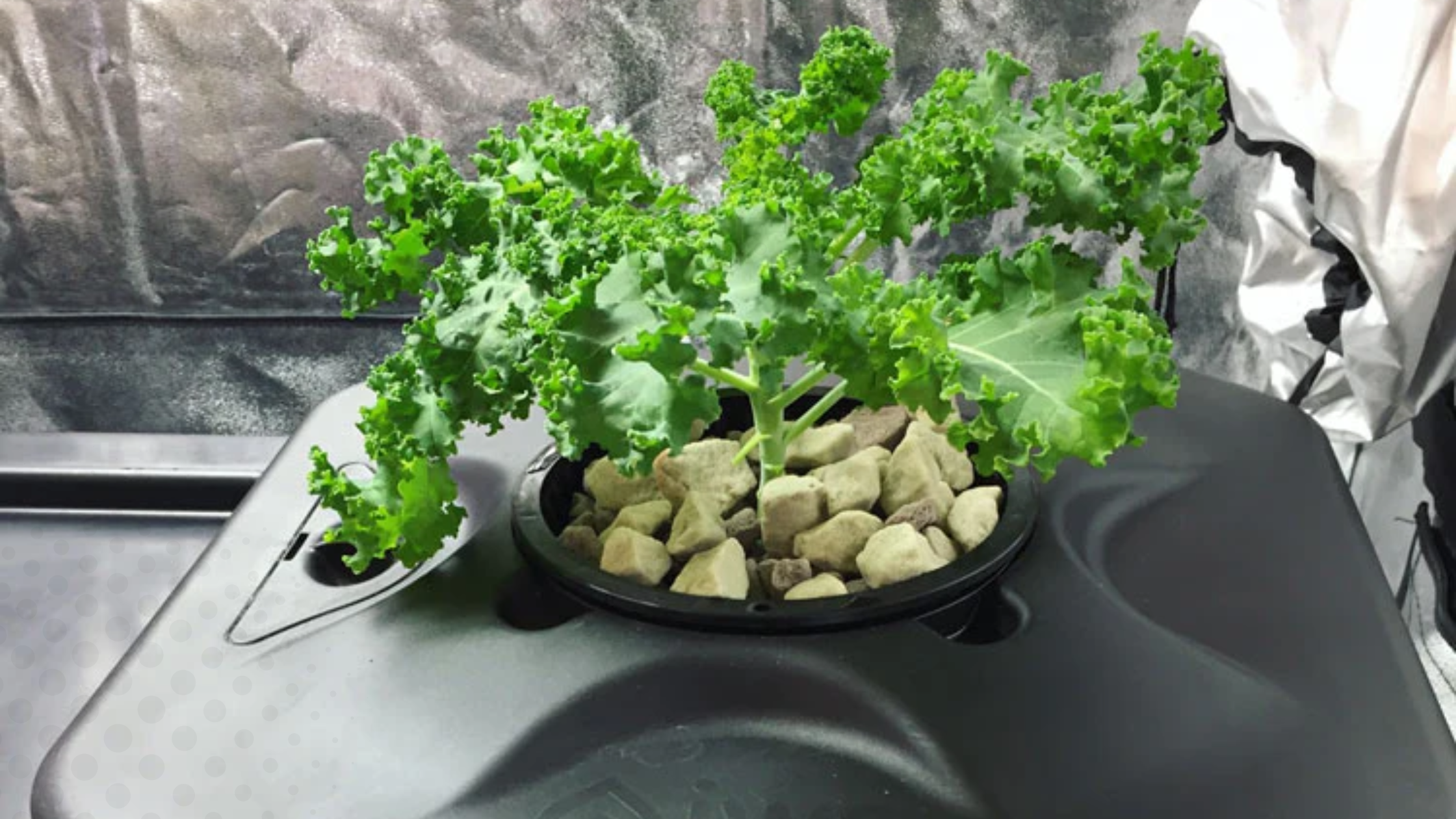 Start by placing kale seeds into wet growing cubes. Keep them warm and lightly moist. Within 3 to 5 days, you’ll notice tiny sprouts breaking through.
Once the seedlings grow 3–4 inches tall and develop a few true leaves, they are ready to be transferred into the hydroponic system. At this stage, handle them gently to protect the roots.
Managing Light, Water, and Nutrients
Kale loves steady light. If growing indoors, provide  12 to 16 hours of grow light daily. If outdoors, make sure the plants receive full sun for at least 6 hours.
Water quality matters more than many growers realize. Use clean, filtered water whenever possible. The nutrient solution should be adjusted carefully to avoid weak growth or bitter leaves.
This is where the idea of agricalchar farm practices comes in — modern farms focusing on precision, not guesswork.
Growth Care and Daily Checks
Once kale is settled into  the system, daily observation becomes your best tool. Check leaf color, firmness, and overall plant posture. Healthy kale stands upright with rich green shades.
Watch out for:
-
Yellowing leaves
-
Slow growth
-
Curling or spotting
These signs usually point to nutrient imbalance or light stress. Quick correction keeps plants on track.
Hydroponic kale rarely faces pest problems, but airflow is important. A light fan helps strengthen stems and prevents moisture buildup.
Harvesting the Right Way
Kale is a cut-and-come-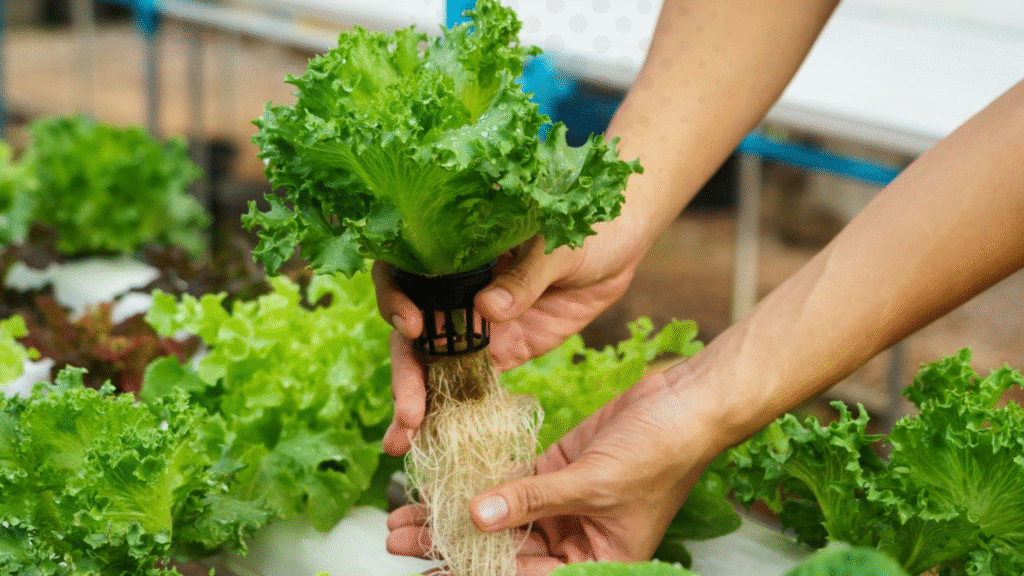 again crop. This means you don’t have to pull the whole plant out. Simply harvest the outer leaves first and allow the center to keep growing.
Follow this method:
-
Cut leaves when they reach hand size
-
Use clean scissors
-
Never remove more than one-third of the plant at once
With this method, a single plant can give multiple harvests over several weeks.
Market Demand and Export Opportunity
 Kale has strong demand in hotels, salad producers, juice makers, and health food brands. With clean hydroponic growth, it becomes even more attractive for premium buyers.
The rise of organic farming methods has also pushed demand for pesticide-free leafy greens. Hydroponic kale fits perfectly into this space.
On the export side, companies like Vipra Overseas help move fresh produce to global markets. Vipra Overseas supports the export of:
-
Fresh fruits
-
Fresh vegetable
-
Beans
-
Frozen products
-
Spices
-
Grains
With proper grading, cold storage, and packing, hydroponically grown kale can also be positioned for international buyers under the growing umbrella of agric products.
Is Hydroponic Kale Profitable?
For small and mid-level growers, kale offers quick turnover and strong pricing. Compared to 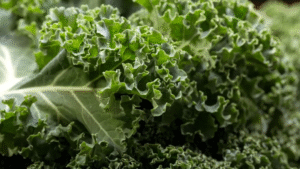 many fruit crops, the investment is lower and returns start faster. When grown correctly, losses are minimal and quality remains consistent.
Restaurants and exporters prefer stable suppliers who can meet volume and quality both. Hydroponics makes this consistency possible.
Final Thoughts
Growing kale in hydroponics is not complicated, but it does require careful handling at each stage. From seed to harvest, each step plays a role in creating a clean, crisp, and nutrient-rich leaf. With the right system, even a small space can turn into a productive growing zone.
As demand for safe, green produce rises locally and globally, hydroponic kale offers farmers not just a crop, but a steady business opportunity. With export support from reliable partners like Vipra Overseas, growers can move beyond local sales and step into global markets with confidence.