
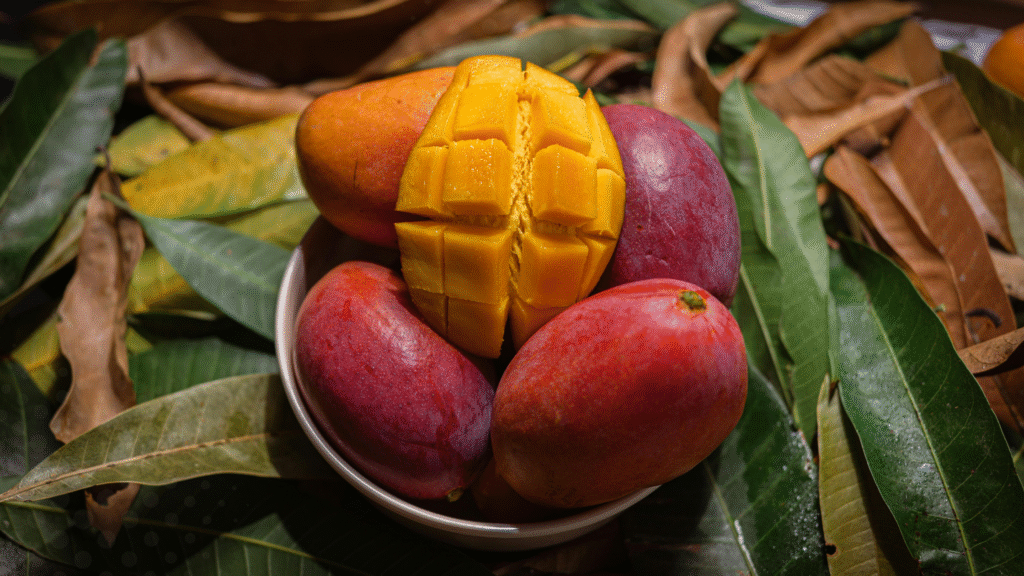
 Mango farming has always held a special place in agriculture, especially in regions where climate and soil naturally support this beloved fruit. Over the years, farming practices have evolved, and growers are now paying closer attention to how food is produced, not just how much is grown. Organic mango farming has emerged as a preferred approach for farmers who want healthier orchards, better soil balance, and long-term sustainability. This method focuses on working with nature rather than forcing results, and it is proving to be both practical and rewarding.
Understanding Organic Mango Farming
Organic mango farming relies on natural methods to grow trees and produce fruit. Instead of chemical fertilizers and  synthetic pesticides, farmers use compost, organic manure, natural pest control, and soil-friendly techniques. The goal is to maintain a healthy ecosystem within the orchard, where soil organisms, plants, and beneficial insects all play a role.
This approach takes patience, but it strengthens the orchard over time. Mango trees grown organically often develop deeper roots, stronger branches, and improved resistance to stress.
Healthier Soil Leads to Better Orchards
Soil is the foundation of any successful farm. Organic practices focus 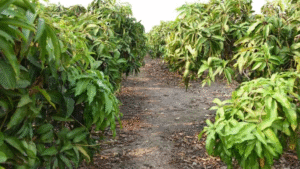 heavily on improving soil structure and fertility. Adding compost, green manure, and natural nutrients improves water retention and encourages beneficial microorganisms.
Healthy soil supports better root development, which allows mango trees to absorb nutrients more efficiently. Over time, this results in stable yields and trees that continue producing quality fruit year after year.
Improved Fruit Quality and Taste
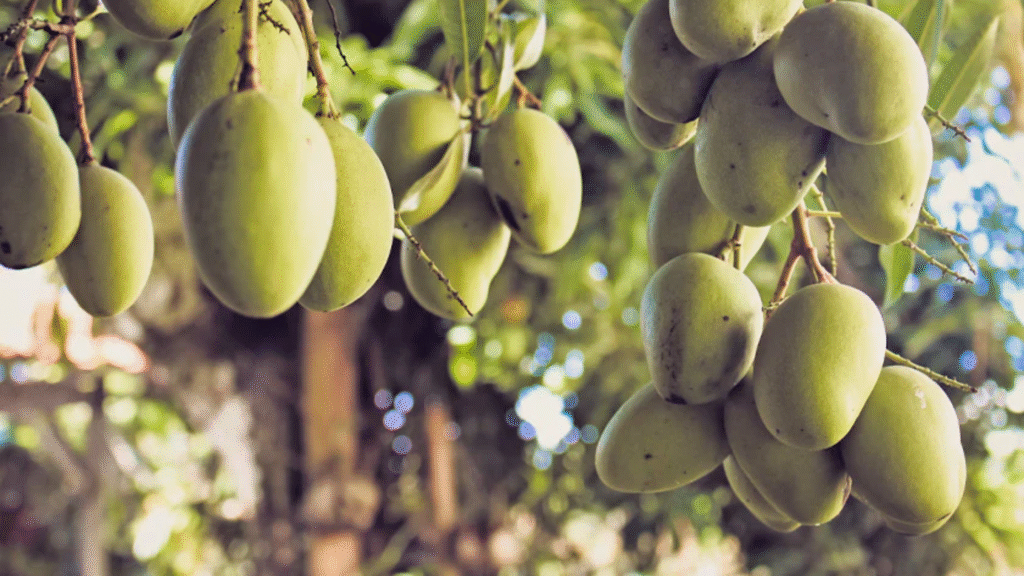 One of the biggest reasons farmers and buyers prefer organically grown mangoes is quality. Mangoes grown with natural inputs often develop richer aroma and balanced sweetness. The fruit matures at its own pace, allowing flavors to develop fully.
Consumers today are more aware of what they eat. They prefer mangoes that are grown without heavy chemical use, especially when choosing fruits & veges for family consumption. This growing preference increases the value of organic mangoes in local and international markets.
Reduced Input Costs Over Time
While organic mango farming may require careful planning in the beginning, it often 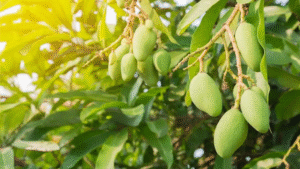 reduces costs in the long run. Natural inputs such as compost, plant-based sprays, and farm-made solutions lower dependence on expensive chemicals.
Once the orchard ecosystem becomes balanced, pest pressure often decreases naturally. This reduces repeated spending on treatments and lowers long-term operational costs for farmers.
Better Resistance to Climate Stress
Organic mango orchards tend to be more resilient. Improved soil health helps retain moisture 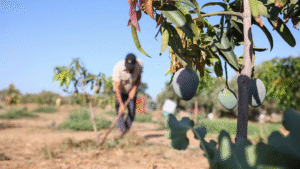 during dry periods and improves drainage during heavy rains. Trees grown under organic systems often handle temperature changes better because their root systems are stronger.
As climate patterns become less predictable, this resilience becomes a major advantage for mango growers.
Strong Market Demand for Organic Mangoes
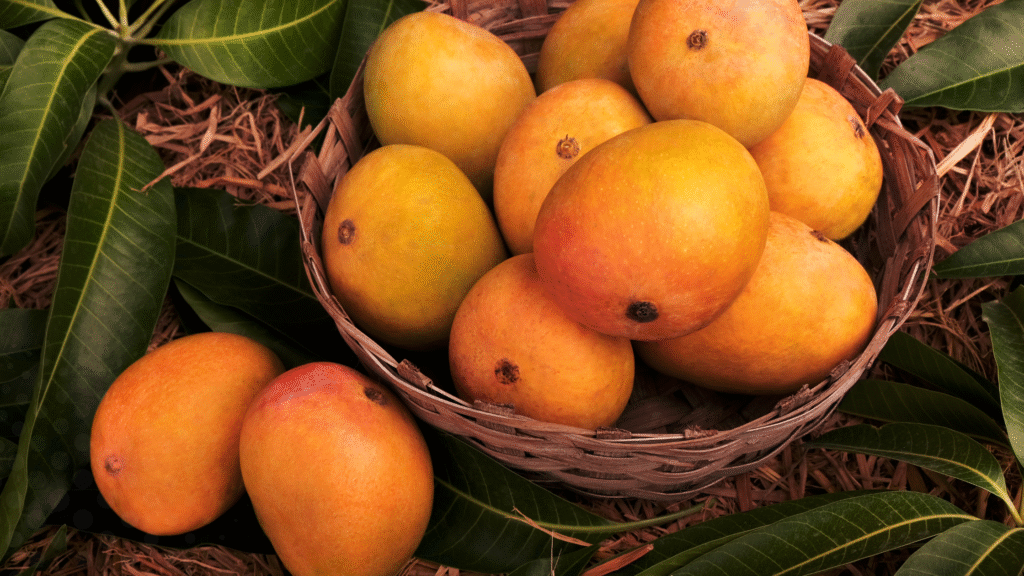 Demand for organically grown mangoes continues to rise across domestic and global markets. Buyers are increasingly focused on transparency and traceability. They want to know how fruits are grown and handled before reaching their tables.
This shift is closely linked to broader food habits where people seek balanced diets that include fruits and vegetables and clean sourcing practices. Organic mango farming aligns perfectly with this expectation and offers farmers access to premium buyers.
Environmental Benefits of Organic Practices
Organic mango farming supports biodiversity. Birds, bees, and 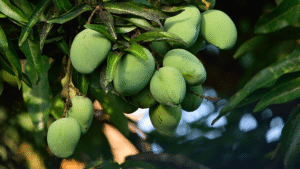 beneficial insects thrive in chemical-free orchards. This natural balance helps with pollination and pest control.
Water quality also improves because harmful runoff from chemicals is avoided. Over time, organic farming protects surrounding land and supports healthier ecosystems beyond the orchard itself.
Organic Mango Farming and Global Trade
As global food awareness grows, organically grown produce is gaining strong 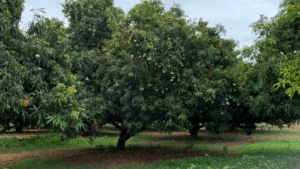 acceptance in international markets. Mangoes produced through natural methods fit well into supply chains that prioritize safety and quality.
The global food space increasingly looks at fruits and vegetables fruits and vegetables as part of integrated food systems that support health and sustainability. Organic mango farming positions growers well within this evolving landscape.
Vipra Overseas and the Export of Agro Products
 Vipra Overseas plays a key role in connecting Indian farmers with international markets through a reliable export network. The company supports the export of fresh fruits, fresh vegetables, beans, frozen products, spices, and grains, ensuring that quality is maintained at every stage. From sourcing directly at farms and carrying out careful quality checks to export-grade packaging and coordinated global logistics, Vipra Overseas helps deliver Indian produce to overseas buyers in excellent condition. By supporting growers and maintaining consistent standards, Vipra Overseas helps organic mango farmers reach wider markets with confidence.
Why Organic Mango Farming Is a Long-Term Investment
Organic mango farming is not about quick returns—it is about building a system that lasts. Trees  remain productive for many years, soil health improves steadily, and farming becomes more predictable. Farmers who commit to organic methods often find greater satisfaction in their work, knowing they are protecting both their land and their customers.
With rising consumer awareness and stronger export opportunities, organic mango farming offers stability and growth potential for the future.
Conclusion
Organic mango farming brings together tradition, responsibility, and opportunity. By focusing on soil health, natural inputs, and balanced ecosystems, farmers can grow mangoes that are rich in taste and trusted by consumers. The method supports long-term orchard health, reduces environmental impact, and opens doors to premium markets.
With growing global demand and strong export support from companies like Vipra Overseas, organic mango farming stands out as one of the smartest choices for farmers looking toward a sustainable and rewarding future.