
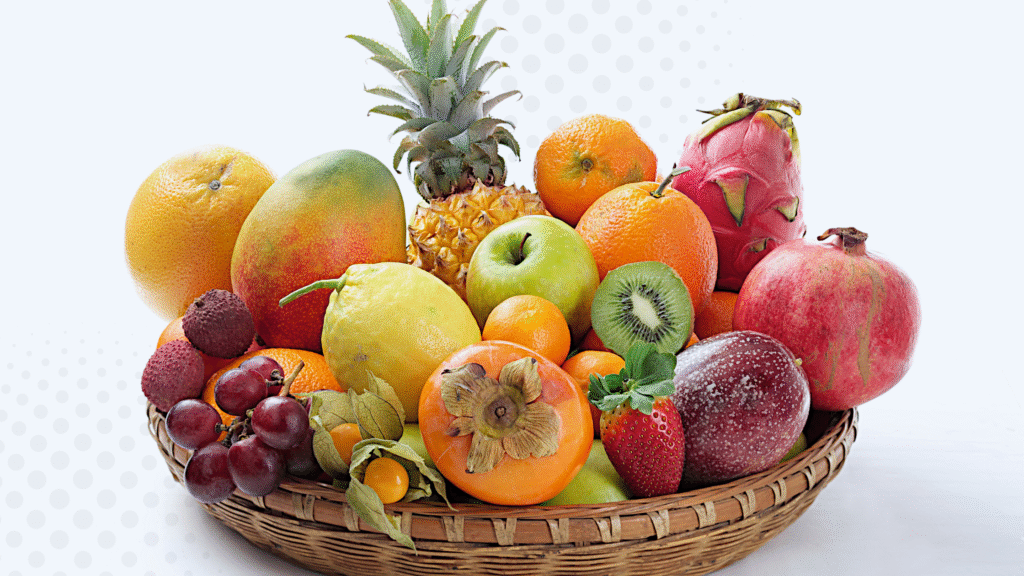
 Winter brings a noticeable shift in what appears at local markets and on dining tables. As temperatures drop, certain fruits reach their peak flavor, freshness, and nutritional value. These winter fruits are often richer, juicier, and better suited for the body’s needs during colder months. Many of them help support immunity, digestion, and overall energy when the body needs it most. Understanding which fruits grow best in winter helps people make better food choices and enjoy seasonal eating at its finest.
Why Winter Fruits Are Special
Fruits that grow during winter develop under cooler conditions, which often enhances their taste  and storage life. Many winter fruits have thicker skins or protective peels that help them stay fresh longer. This makes them easier to store and transport while retaining quality.
Winter fruits are also known for their higher levels of natural nutrients that support the body during seasonal changes. Their role becomes especially important when the body faces colder air, shorter days, and increased exposure to seasonal illness.
Citrus Fruits: Winter’s Natural Boost
Oranges
 Oranges are one of the most popular winter fruits. They are juicy, refreshing, and widely enjoyed across all age groups. Oranges are commonly eaten fresh, juiced, or added to salads and desserts. Their bright flavor makes them a winter favorite.
Mandarins and Tangerines
 Smaller and easier to peel, mandarins and tangerines are perfect for quick snacks. Their sweet taste and soft segments make them popular in lunch boxes and light meals during winter.
Grapefruits
 Grapefruits offer a balance of sweetness and mild bitterness. They are often eaten at breakfast or added to fruit bowls. Their firm texture and refreshing taste suit winter mornings well.
Pomegranates: A Seasonal Favorite
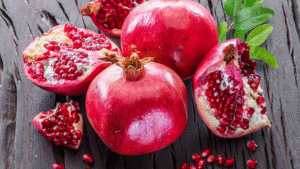 Pomegranates are widely available during winter and are known for their jewel-like seeds. These fruits are enjoyed fresh, sprinkled over salads, or used in juices. Their slightly tart flavor pairs well with both sweet and savory dishes.
Because of their firm outer skin, pomegranates store well and remain fresh for longer periods, making them a practical winter choice.
Apples: Reliable and Versatile
 Apples are harvested in cooler months and stored to be available throughout winter. Their crisp texture and mild sweetness make them suitable for daily consumption. Apples are eaten raw, baked, or added to warm dishes like pies and stews.
Different varieties offer different flavors, ranging from sweet to slightly tangy, allowing flexibility in cooking and snacking.
Pears: Soft and Naturally Sweet
 Pears are another winter fruit that becomes tender and juicy when ripe. They are often eaten fresh or cooked into warm desserts. Pears blend easily into baked dishes and pair well with nuts and spices commonly used in winter cooking.
Guava: A Winter Market Essential
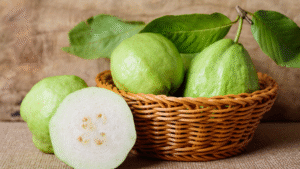 Guava appears in many markets during winter months. It has a firm texture and a unique flavor that stands out. Guava is commonly eaten raw with a pinch of seasoning or sliced into fruit plates. It is valued for its freshness and filling nature.
Kiwi: Small but Flavorful
 Kiwi may be small, but it offers a bold taste and soft texture. It is often added to fruit bowls, smoothies, and desserts. Kiwi’s bright green flesh adds color and freshness to winter meals.
Strawberries: A Seasonal Treat
 In many regions, strawberries begin appearing in winter. Their sweet taste and soft texture make them a favorite in desserts, cakes, and breakfast bowls. Fresh strawberries are often enjoyed as they are, without much preparation.
How Winter Fruits Fit into Everyday Meals
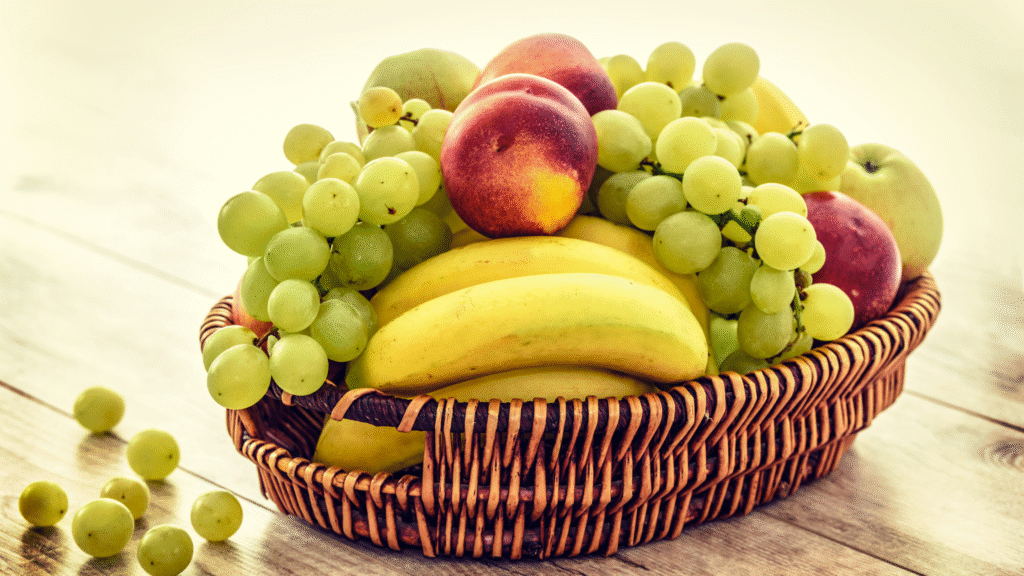 Winter fruits can be enjoyed in many ways—fresh, juiced, baked, or added to warm dishes. Many households combine different fruits and vegetables to create balanced meals that suit the season. These fruits also pair well with warm spices, nuts, and grains commonly used in winter cooking.
With growing demand for seasonal produce, winter fruits are now widely available through organized supply systems that ensure fruits fresh reach homes with minimal handling. Some winter varieties also include flavor profiles that blend naturally with spice fruits, making them ideal for seasonal recipes and traditional preparations.
Vipra Overseas and the Global Export of Agro Products
 Vipra Overseas plays an important role in connecting Indian farms with international markets. The company supports the export of fresh fruits, fresh vegetables, beans, frozen products, spices, and grains, ensuring quality at every stage. From sourcing directly from growers and maintaining strict quality checks to export-grade packaging and reliable logistics, Vipra Overseas helps deliver produce that meets global standards. By creating strong trade connections and dependable supply chains, Vipra Overseas helps Indian agricultural produce reach buyers across the world with consistency and trust.
Why Eating Seasonal Fruits Matters
 Seasonal fruits are naturally aligned with the body’s needs. They taste better, store longer, and often require fewer artificial interventions. Eating winter fruits supports local growers, reduces food waste, and allows people to enjoy produce at its natural best.
Choosing seasonal fruits also encourages variety in daily meals and helps people stay connected to natural food cycles.
Conclusion
Winter fruits bring warmth, flavor, and nourishment during colder months. From citrus varieties and pomegranates to apples, pears, and strawberries, each fruit offers something unique. Their availability, taste, and versatility make them an important part of winter eating habits.
With improved farming methods and strong export support from companies like Vipra Overseas, winter fruits now reach homes and global markets in better condition than ever before. Enjoying these fruits in season is a simple way to support health, taste, and sustainable food choices throughout winter.