
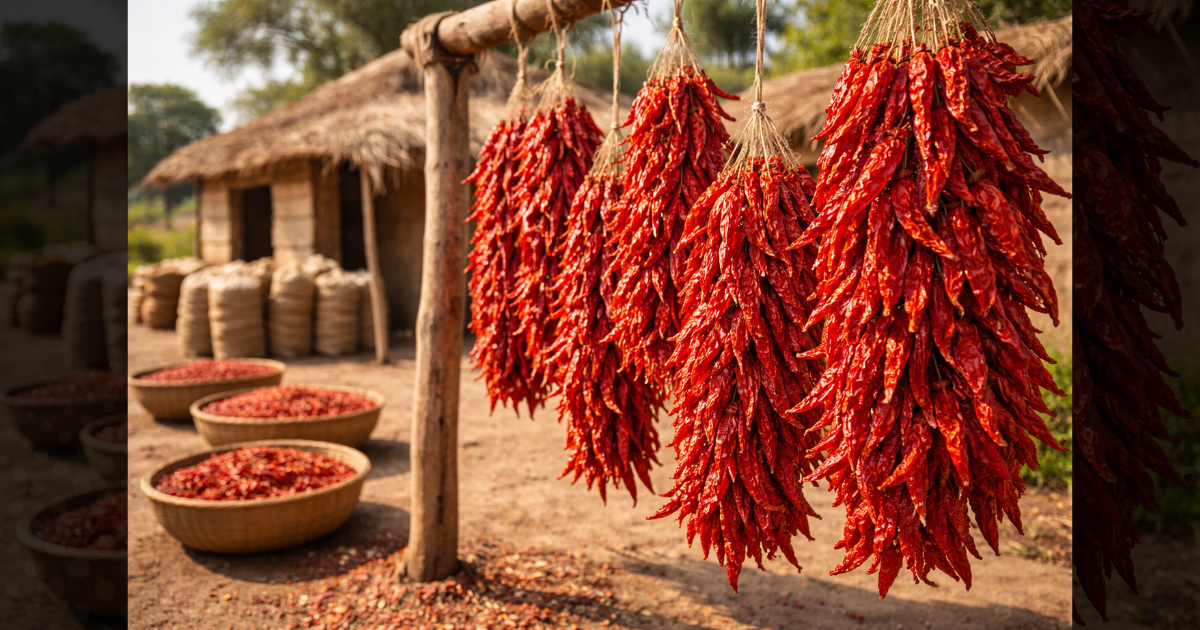
In the heart of every Indian kitchen, dry red chillies hold a place of reverence that goes beyond mere seasoning. These sun-dried pods carry within them centuries of culinary wisdom, regional identity, and the essence of what makes Indian cuisine resonate across continents. Unlike their fresh counterparts, dry red chillies bring a concentrated depth—smoky, earthy, and magnificently complex—that forms the backbone of countless traditional preparations passed down through generations.
From the family farm where they are carefully cultivated and sun-dried to the bustling export markets that connect Indian spices with global kitchens, dry red chillies represent both heritage and commerce. Their journey from field to flame tells a story of agricultural dedication, traditional knowledge, and the evolving landscape of import export opportunities in India’s spice sector.
Why Dry Red Chillies Are Essential in Traditional Cooking
The transformation that occurs when dry red chillies meet hot oil is nothing short of magical. This process, known as tempering or tadka, releases volatile oils that infuse dishes with a characteristic aroma impossible to replicate with fresh chillies or powdered substitutes. The whole pods contribute not just heat, but also a subtle sweetness and smoky undertones that define authentic Indian flavours.
Traditional cooks understand that different varieties—from the fierce Guntur to the milder Kashmiri—serve distinct purposes. This knowledge, often originating from family farm practices where specific varieties have been grown for decades, ensures that each dish achieves its intended character. The relationship between farming communities and culinary traditions remains inseparable, with regional chilli varieties shaping local food identities.
South Indian Dishes That Depend on Dry Red Chillies
South Indian cuisine showcases dry red chillies in their most elemental form. Rasam, the tangy tamarind-based soup, begins with roasted dry red chillies ground with peppercorns and cumin. This spice blend, prepared fresh in traditional homes, creates a warming, digestive preparation that epitomises comfort food across Tamil Nadu, Karnataka, and Andhra Pradesh.
Andhra-style curries demonstrate perhaps the most generous use of dry red chillies in Indian cooking. Dishes like Gongura Mamsam rely on abundant whole red chillies fried until they darken, releasing their oils into the curry base. The resulting preparation carries intense heat balanced by tangy sorrel leaves—a combination that has made Andhra cuisine legendary among spice enthusiasts.
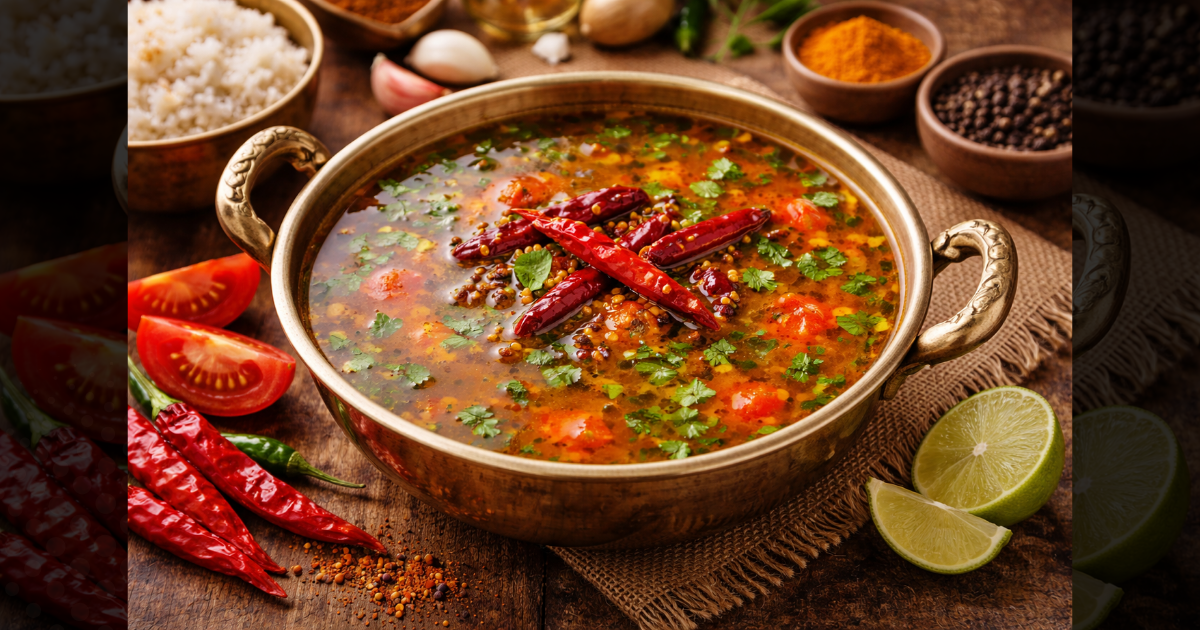
Kerala’s fish curries employ dry red chillies differently, using Kashmiri varieties for colour while smaller bird’s eye chillies provide heat. These coastal preparations reflect generations of spice trading history, where agri products moved through port cities, influencing both local cuisine and international palates.
North Indian and Central Indian Chilli-Rich Recipes
North Indian cuisine employs dry red chillies with remarkable restraint and sophistication. The classic Dal Tadka exemplifies this approach—a few whole dry red chillies sizzled in ghee with cumin seeds create an aromatic crown for creamy lentils. This simple technique, mastered in households across Punjab and Haryana, transforms humble pulses into celebrations of flavour.
Rajasthani preparations like Laal Maas showcase dry red chillies as the star ingredient. This fiery mutton curry, historically prepared by warrior communities, uses Mathania chillies—a variety specific to the region—creating a dish so distinctive that it has become synonymous with Rajasthani hospitality. The chillies here aren’t merely heat providers but flavour architects, contributing body, colour, and character.
Central Indian tribal cuisines, often overlooked in mainstream discussions, reveal fascinating uses of dry red chillies. Chhattisgarh’s Bafla incorporates roasted dry red chilli paste into wheat dough, while Madhya Pradesh’s Poha preparations begin with whole red chillies crackling in oil—a wake-up call for taste buds across the region.
Western and Coastal Indian Preparations Using Dry Chillies
Goan cuisine bears Portuguese influence while maintaining distinctly Indian roots, with dry red chillies playing a pivotal role. Vindaloo, perhaps Goa’s most famous contribution to world cuisine, begins with whole dry red chillies soaked in vinegar and ground into a paste. This preparation method, refined over centuries, balances heat with acidity in ways that continue to inspire chefs globally.
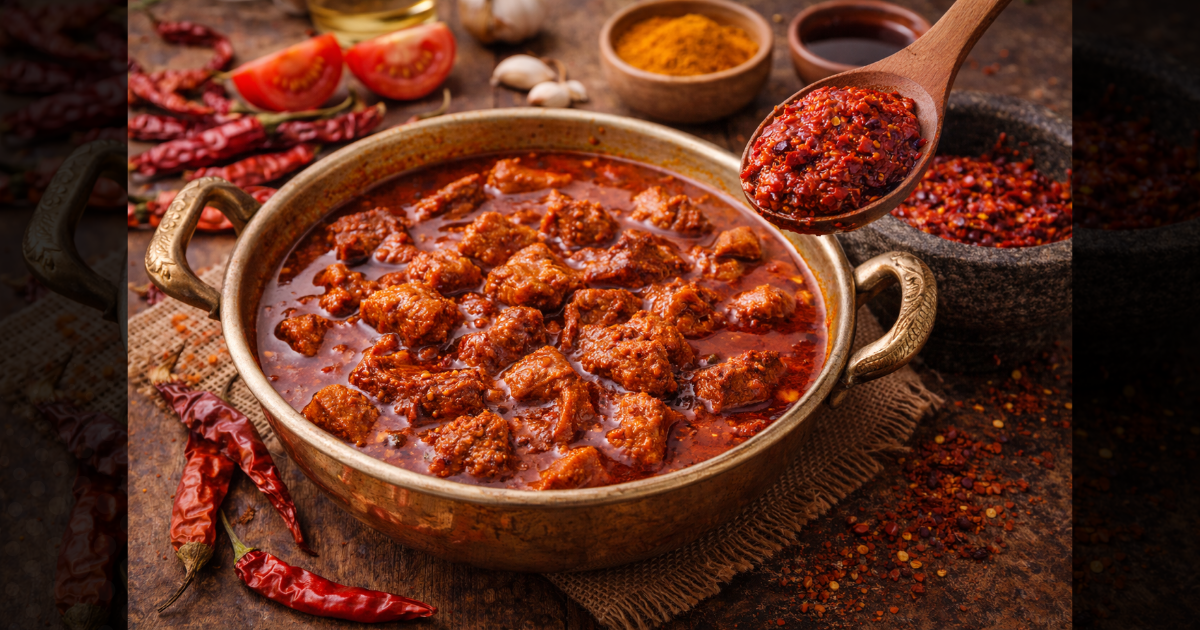
Maharashtra’s Kolhapuri cuisine takes pride in its distinctive chilli variety and the preparations built around it. Kolhapuri Chicken and Mutton dishes depend on freshly roasted and ground Kolhapuri chillies, creating a rusty-red gravy that delivers heat without overwhelming other spices. This regional speciality has gained recognition in import export circles as international buyers seek authentic Indian chilli varieties.
How Dry Red Chillies Shape Flavour, Aroma, and Heat
Understanding dry red chillies requires appreciating the Scoville scale alongside agricultural factors. Sun-drying concentrates capsaicin while developing complex flavour compounds absent in fresh chillies. The soil quality, climate, and traditional drying methods employed by farming communities directly impact the final product’s characteristics.
Different preparation techniques extract distinct qualities from dry red chillies. Dry roasting before grinding creates nutty undertones; frying whole chillies in oil produces aromatic intensity; soaking and grinding yields smooth paste textures. These methods, preserved through generations of home cooking, demonstrate sophisticated understanding of chemistry and flavour development.
Link Between Traditional Dishes and Farming Practices
The survival of traditional dishes depends fundamentally on sustainable farming practices. Small-scale family farm operations across India maintain heirloom chilli varieties that commercial agriculture might otherwise abandon. These farmers understand that preserving biodiversity means preserving culinary heritage—each variety suited to specific regional preparations.
Agricultural cycles dictate kitchen rhythms in rural India. The winter harvest of dry red chillies coincides with wedding seasons and festivals, when elaborate preparations showcase the year’s produce. This synchronicity between agri calendars and culinary traditions reinforces the cultural significance of dry red chillies beyond their practical applications.
Growing Global Interest in Indian Chilli-Based Foods
International markets increasingly seek authentic Indian flavours, driving demand for traditional chilli varieties and the dishes that feature them. Restaurants from London to Sydney now source specific chilli types to recreate regional Indian recipes, recognising that authenticity depends on proper ingredients. This global appetite has created opportunities for structured export systems connecting Indian producers with international consumers.
How Vipra Overseas Supports Global Agro Export
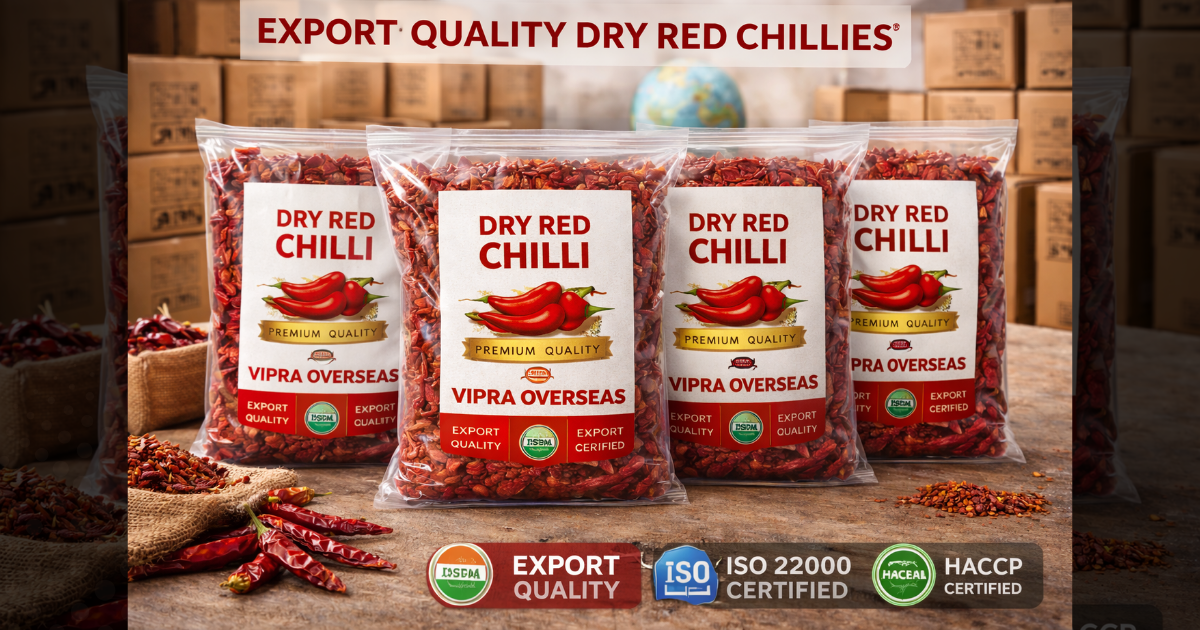
Vipra Overseas has established itself as a reliable partner in connecting India’s agricultural bounty with global markets. Specialising in premium agri products, the company facilitates import export of fresh fruits, fresh vegetables, beans, frozen products, spices, and grains—ensuring that traditional ingredients reach kitchens worldwide while supporting farming communities at home.
Their understanding of quality standards, documentation requirements, and logistics challenges makes them valuable partners for both producers and buyers. By maintaining traceability from family farm sources to international destinations, Vipra Overseas ensures that the dry red chillies and other spices they export carry authentic flavour profiles and meet stringent quality benchmarks.
Conclusion
Dry red chillies represent more than ingredients in traditional Indian dishes—they embody agricultural heritage, regional identity, and evolving global food cultures. From the family farm to sophisticated export operations, these sun-dried pods connect past and present, tradition and innovation. As international interest in authentic Indian cuisine grows, the role of quality-focused export partners becomes increasingly vital in preserving traditional flavours while expanding market access for Indian farmers. The future of Indian culinary traditions depends on maintaining these connections, ensuring that dishes crafted over centuries continue enriching tables worldwide.