
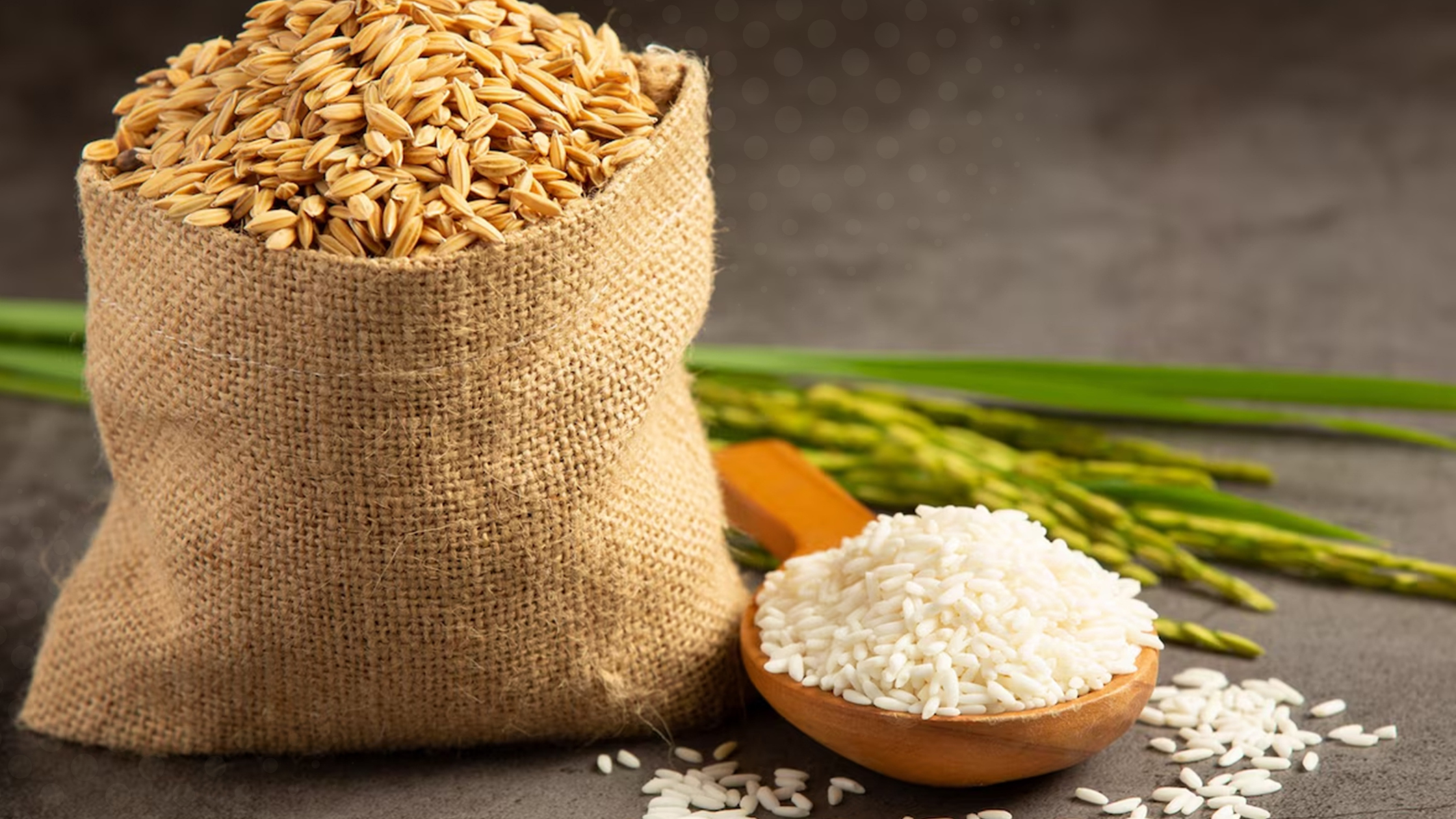
 Rice is more than just a staple food it is a lifeline for millions of farmers and families around the world. In many regions, rice farming shapes rural economies, food security, and cultural traditions. However, traditional rice cultivation methods often place heavy pressure on water resources, soil health, and the environment. This is where sustainable rice farming becomes essential. By adopting responsible practices, farmers can continue producing high-quality rice while protecting natural resources and ensuring long-term productivity. Sustainable rice farming focuses on balance between yield, environment, and future generations.
Understanding Sustainable Rice Farming
Sustainable rice farming means growing rice in a way that maintains soil fertility, conserves water, and reduces harm to  surrounding ecosystems. Instead of relying on excessive inputs or outdated practices, farmers use smarter techniques that work with natural cycles.
These methods aim to lower production costs, reduce environmental impact, and improve crop resilience. Over time, sustainable farming also helps farmers maintain stable yields even when weather conditions become unpredictable.
Choosing the Right Variety and Seed Quality
The foundation of good rice farming begins with selecting the right seed variety. Seeds should match local climate  conditions and soil type. Choosing disease-resistant varieties reduces crop loss and minimizes the need for chemical treatments.
High-quality seeds ensure uniform germination, stronger plants, and better grain development. This first step plays a major role in the overall success of the crop.
Soil Health as the Core of Sustainability
 Healthy soil is critical for sustainable rice cultivation. Continuous rice planting without proper care weakens soil structure and nutrient balance. Farmers practicing sustainable methods focus on improving soil through organic matter, crop residues, and natural nutrients.
Regular soil testing helps farmers understand nutrient levels and avoid unnecessary input use. Improved soil structure also enhances root growth and water retention, making plants stronger and more resilient.
Efficient Water Management Practices
Rice is traditionally grown in flooded fields, but this method consumes large amounts of water. Sustainable rice 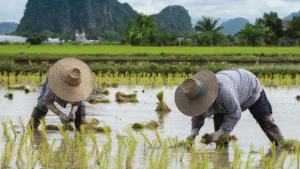 farming encourages controlled water use through alternate wetting and drying techniques. These methods reduce water usage while maintaining crop performance.
Proper field leveling and timely irrigation prevent water loss and ensure even distribution. Efficient water use not only conserves resources but also reduces methane emissions linked to continuous flooding.
Integrated Nutrient Management
Instead of relying heavily on chemical fertilizers, sustainable rice farming promotes balanced nutrition. Organic 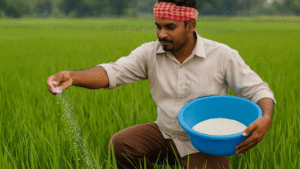 manure, compost, and crop residues improve soil fertility naturally. These inputs support beneficial microorganisms that help plants absorb nutrients effectively.
When additional nutrients are needed, they are applied carefully and in correct amounts. This prevents nutrient runoff and protects nearby water bodies from contamination.
Natural Pest and Disease Control
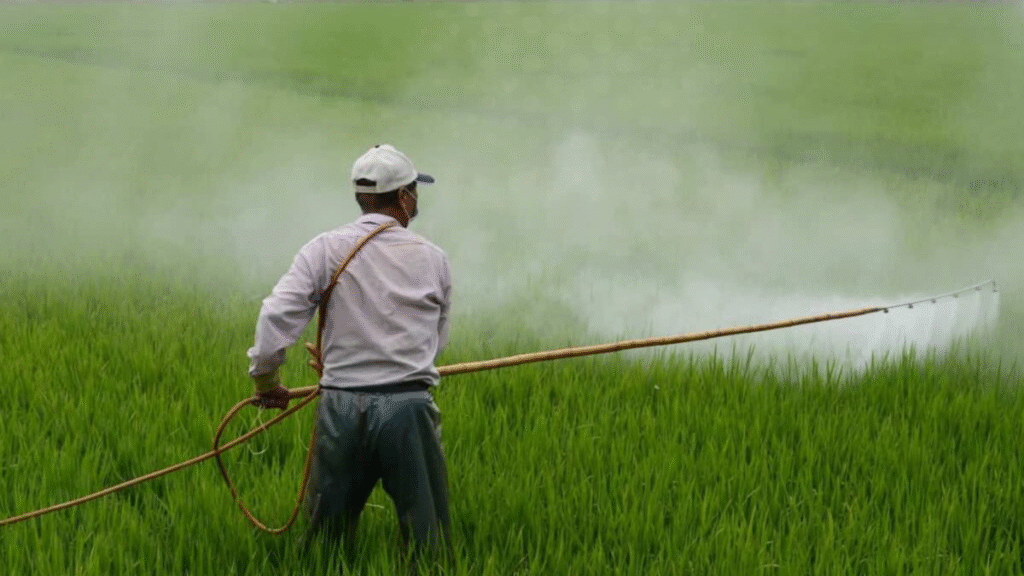 Rice crops can be affected by pests and diseases, but sustainable farming encourages preventive approaches rather than reactive ones. Healthy soil, balanced nutrition, and proper spacing reduce pest pressure naturally.
Farmers also use crop rotation, resistant varieties, and biological controls to manage problems. This approach protects beneficial insects and reduces long-term dependency on chemical sprays.
Harvesting and Post-Harvest Practices
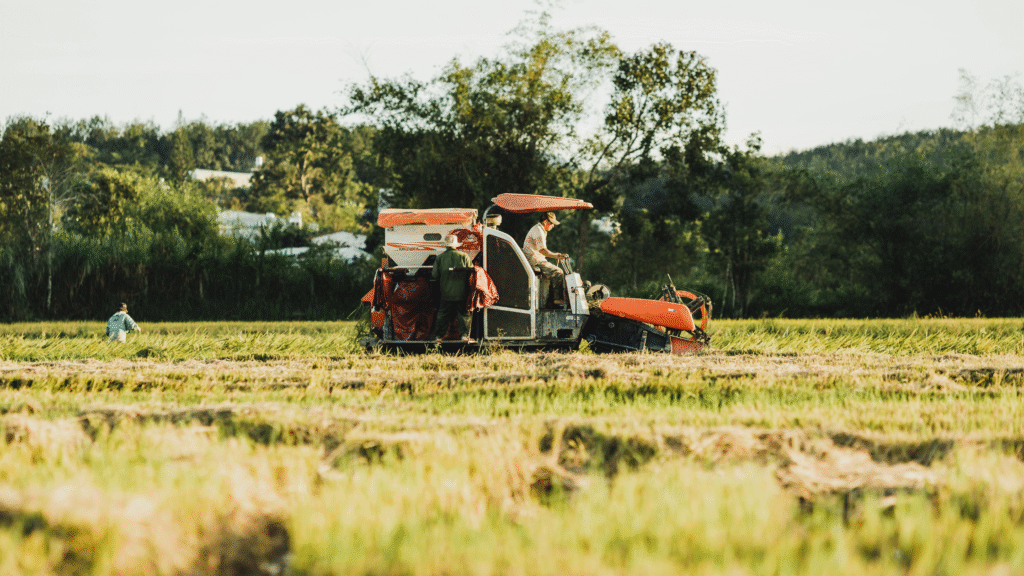
Harvesting rice at the right stage is essential for grain quality. Crops should be harvested 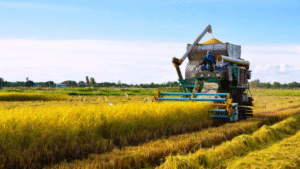 when grains are mature and moisture levels are appropriate. Proper timing improves grain strength and reduces losses.
Post-harvest handling, including drying and storage, plays an important role in maintaining rice quality. Clean storage conditions prevent spoilage and protect the final product for market use.
Rice Farming and Global Food Systems
Rice continues to play a central role in global food supply chains. With rising population and changing consumption 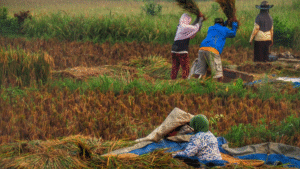 patterns, responsibly grown rice supports long-term food availability. Sustainable rice farming strengthens the connection between local fields and global markets, especially as demand grows for responsibly produced grains under modern trade systems related to export, agriculture, and agro sectors.
Vipra Overseas and the Export of Agro Products
 Vipra Overseas supports Indian farmers by connecting them with international markets through a structured and reliable export network. The company helps export a wide range of agro products including fresh fruits, fresh vegetables, beans, frozen products, spices, and grains. From sourcing at the farm level and maintaining quality standards to export-grade packaging and international logistics coordination, Vipra Overseas ensures that produce reaches global buyers in excellent condition. This support helps farmers gain better access to global markets while maintaining product integrity.
Why Sustainable Rice Farming Matters for the Future
Sustainable rice farming is not just about current harvests—it is about protecting the future. Water scarcity, soil degradation, and climate uncertainty are real challenges. Responsible farming practices help farmers adapt to these changes while continuing to feed growing populations.
By focusing on efficiency, soil care, and balance, sustainable rice farming builds a system that supports farmers, consumers, and the environment together.
Conclusion
Sustainable farming of rice offers a clear path toward long-term agricultural success. Through better soil management, efficient water use, careful nutrient planning, and responsible pest control, farmers can produce high-quality rice without exhausting natural resources. As global demand continues to grow and structured export systems supported by companies like Vipra Overseas expand, sustainable rice farming ensures that rice remains a dependable and responsibly produced staple for generations to come.