
Accurate customs classification stands as the foundation of successful international spice trade. For exporters shipping red chilli powder across borders, understanding the correct Harmonized System code determines everything from duty rates to documentation requirements. A single misclassification can trigger customs delays, penalty assessments, or shipment rejections that cost thousands of dollars and damage business relationships.
The global demand for Indian spices continues growing, with red chilli powder representing one of the most traded commodities. However, many exporters struggle with proper classification, confusing whole dried chillies with ground powder or mixing up preparation methods that affect tariff treatment.
Understanding the Harmonized System in International Trade
The Harmonized System provides a standardized numerical method for classifying traded products worldwide. Developed by the World Customs Organization, this six-digit code system ensures consistency across 200+ countries. When exporting agricultural commodities, particularly processed spices, the classification precision directly impacts customs clearance speed and cost structure.
For agricultural products and processed food items, the HS nomenclature follows specific hierarchies. Chapter 09 covers coffee, tea, maté, and spices, where most dried and ground spices receive classification. Understanding this chapter structure helps exporters navigate the complex world of spice classification with confidence.
Correct Classification for Red Chilli Powder
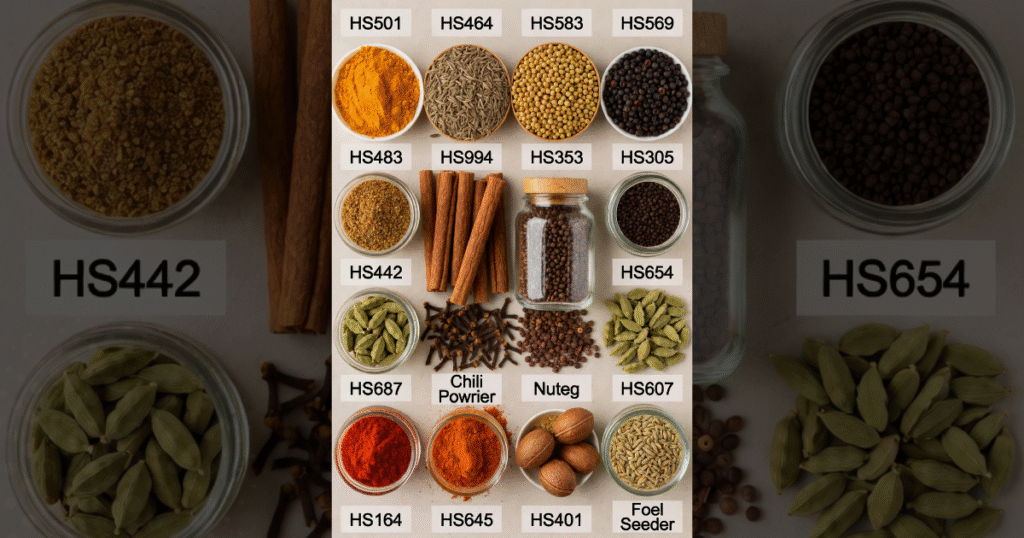
Red chilli powder falls under HS Code 0904.22 in the Indian customs tariff schedule. This code specifically covers “Fruits of the genus Capsicum or of the genus Pimenta, crushed or ground.” The six-digit HS code remains universal, though countries may add additional digits for national tariff purposes.
Breaking down the classification:
- 09 = Coffee, tea, maté, and spices
- 0904 = Pepper of the genus Piper; dried or crushed or ground fruits of the genus Capsicum or of the genus Pimenta
- 0904.22 = Fruits of the genus Capsicum or of the genus Pimenta, crushed or ground
When preparing export documentation, using the complete eight-digit or ten-digit code specific to your destination country ensures smooth customs processing. India uses an eight-digit system that extends the base HS code with additional national classifications.
Distinguishing Between Whole and Ground Chilli Classification
One common area of confusion involves the difference between whole dried chillies and chilli powder. Whole dried chillies receive classification under HS Code 0904.21, while crushed or ground variants fall under 0904.22. This distinction matters significantly because duty rates, import restrictions, and documentation requirements often differ between these classifications.
When red chillies undergo grinding to create powder, the fundamental nature of the product changes from a whole agricultural product to a processed spice. Customs authorities examine the physical state of the product, not just its base ingredient. A vegetables exporter must recognize these nuances to avoid classification errors that trigger audits or penalties.
Impact of Classification on Duties and Documentation
The assigned HS code determines applicable duty rates in the importing country. Different countries impose varying tariffs on spice imports based on trade agreements, domestic protection policies, and revenue requirements. Under the ASEAN-India Free Trade Agreement, for example, spices may receive preferential duty treatment when properly classified and documented.
Beyond duties, the HS code influences:
- Export promotion schemes eligibility (MEIS, RoDTEP)
- GST refund calculations
- Minimum Export Price requirements
- Phytosanitary certificate specifications
- Country-specific import permits
- APEDA registration requirements
Exporters dealing with frozen fruits & vegetables alongside spices must maintain separate classification systems. While both categories involve agricultural products, the processing methods and preservation techniques create distinct tariff treatments.
Common Classification Mistakes Exporters Make
Many exporters, particularly those new to international trade, make avoidable classification errors. Mixing up whole and powdered forms represents the most frequent mistake. Another common error involves classifying spice blends containing chilli powder under the single-ingredient code rather than the mixed spice classification (0910.99).
Some exporters incorrectly apply codes meant for fresh chillies to dried or powdered products. Fresh chillies fall under Chapter 07 (Edible vegetables), while dried and processed variants belong to Chapter 09. This confusion often occurs when businesses handle both fresh fruits vegetables and processed spice products.
Failing to update classifications when trade agreements change also creates problems. Tariff codes may remain stable, but preferential treatment qualifications evolve with new trade deals and regulatory amendments.

Role of Customs Authorities and Verification Process
Customs officers possess authority to challenge declared classifications. When discrepancies arise between the declared HS code and physical examination results, authorities may reclassify shipments, potentially imposing higher duties and penalties. This verification process protects government revenue and ensures fair trade practices.
During examination, customs officials assess:
- Physical characteristics (powder consistency, color, moisture content)
- Processing level (whole, crushed, finely ground)
- Purity and composition
- Packaging and labeling information
- Supporting documentation accuracy
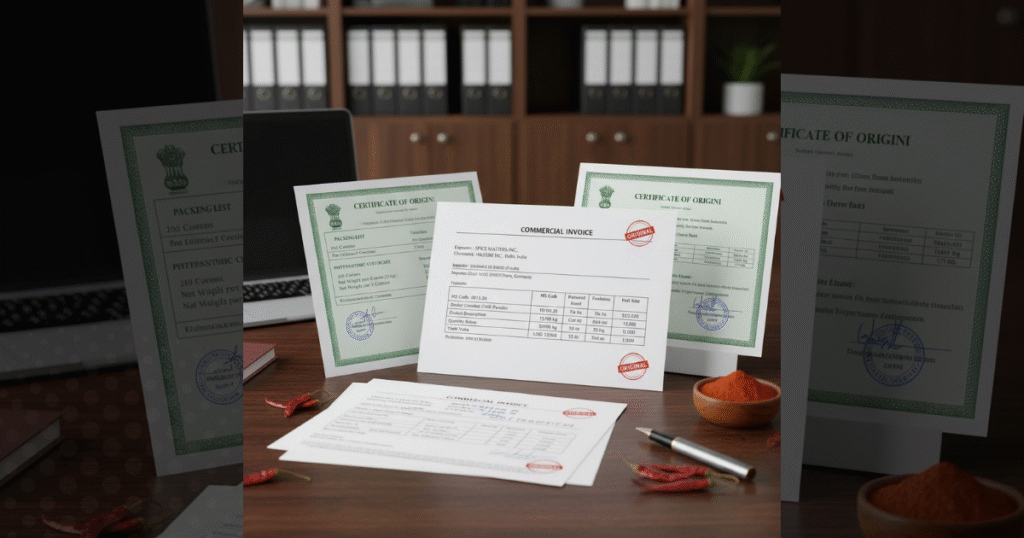
Maintaining detailed processing records helps exporters defend their classification choices during customs scrutiny. Documentation showing grinding processes, quality certificates, and laboratory test reports strengthens your position during verification procedures.
Supporting Smooth Export Operations Through Proper Classification
Correct classification extends beyond mere compliance—it streamlines the entire export operation. When documentation aligns perfectly with physical cargo and regulatory requirements, shipments move through customs checkpoints without delays. This efficiency maintains product quality, particularly crucial for fruits vegetables and perishable agricultural commodities.
Proper classification also enables accurate costing and pricing. Knowing exact duty implications allows exporters to quote competitive prices while maintaining healthy profit margins. For businesses shipping multiple product categories, from frozen products to dried spices, maintaining a comprehensive classification database becomes essential.
Best Practices for Export Compliance
Successful exporters implement systematic approaches to classification management:
Maintain Updated Reference Materials: Keep current copies of the Customs Tariff and relevant notifications. Subscribe to updates from DGFT, CBIC, and APEDA regarding classification changes.
Consult Classification Experts: When dealing with borderline cases or new products, seek advance rulings from customs authorities. This proactive approach prevents future disputes.
Document Product Specifications: Maintain detailed technical specifications for all exported products. Include processing methods, ingredient compositions, and quality parameters that support classification decisions.
Implement Internal Review Systems: Regular audits of classification practices identify errors before they reach customs. This internal control mechanism reduces risk exposure significantly.
Training and Development: Ensure export documentation teams understand HS code fundamentals. Regular training sessions keep staff updated on regulatory changes affecting spice classifications.
How Vipra Overseas Supports Agricultural Export Success
Navigating the complexities of customs classification and international trade regulations requires expertise and experience. Vipra Overseas specializes in helping businesses export high-quality agricultural products to global markets with complete regulatory compliance.
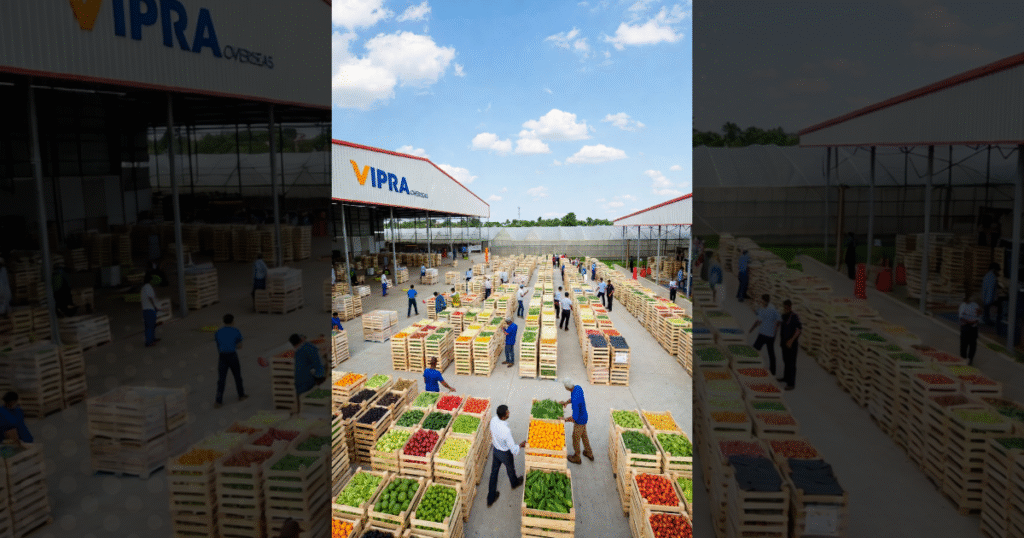
Our comprehensive export services cover diverse agricultural categories, ensuring each product receives proper classification and documentation. We facilitate exports of premium fresh fruits sourced from trusted growers, maintaining cold chain integrity throughout the logistics process. Our fresh vegetables export program connects Indian farmers with international buyers while ensuring all phytosanitary and quality standards are met.
For protein-rich agricultural products, we handle beans exports with specialized knowledge of legume classification and storage requirements. Our frozen products division manages temperature-controlled logistics for preserved fruits vegetables and other agricultural commodities requiring strict temperature maintenance.
Understanding that spices represent India’s heritage in global trade, we provide expert support for all spice varieties, from red chilli powder to turmeric, pepper, and cumin. Each spice category receives appropriate HS classification based on its processing level and composition. We also facilitate grains exports, managing bulk commodity logistics and documentation for rice, wheat, and specialty grain varieties.
Beyond classification support, Vipra Overseas assists with APEDA registration, FSSAI certifications, organic certifications, and destination-specific compliance requirements. Our end-to-end service model covers everything from supplier identification to final delivery, making international trade accessible for businesses of all sizes.
Conclusion
Mastering HS code classification for red chilli powder and other agricultural exports separates successful international traders from those facing constant customs challenges. The correct classification under HS Code 0904.22 for ground chilli powder forms the foundation for duty calculation, documentation preparation, and regulatory compliance.
Exporters must recognize that classification accuracy impacts every aspect of international trade operations—from initial costing to final customs clearance. Investing time in understanding the Harmonized System, maintaining current knowledge of regulatory changes, and implementing robust internal controls pays dividends through faster shipments, lower costs, and enhanced business reputation.
Whether shipping specialized spices or diversified agricultural products, partnering with experienced export facilitators ensures compliance while allowing businesses to focus on product quality and market development. The global marketplace rewards those who combine superior products with meticulous attention to regulatory requirements, creating sustainable export success stories that benefit Indian agriculture and international consumers a like.