
Walking into a spice market for the first time can feel overwhelming, especially when faced with rows of vibrant red chillies, each claiming to be different from the next. Understanding dry red chilli varieties isn’t just about heat—it’s about discovering flavours, colours, and culinary traditions that span centuries. Whether you’re a home cook exploring new recipes or someone curious about the world of spices, knowing your chillies transforms ordinary dishes into extraordinary experiences.
The Journey from Fresh to Dried
Fresh green chillies and their dried red counterparts come from the same plant, but the transformation changes everything. When chillies ripen on the vine and are left to dry under the sun, their flavour concentrates, their colour deepens, and their shelf life extends dramatically. This drying process, perfected through generations of traditional practices, preserves the capsaicin—the compound responsible for heat—while developing complex flavour notes.
Dry red chillies offer consistency that fresh varieties can’t match. A Kashmiri chilli dried last month delivers the same vibrant colour and mild warmth as one dried six months ago, making them invaluable for both home kitchens and commercial food production.
Understanding Heat Levels and Pungency
The Scoville scale measures chilli pungency in heat units, ranging from zero for bell peppers to over two million for the world’s hottest varieties. For dry red chillies commonly used in Indian and international cooking, the range typically spans from 1,000 to 50,000 Scoville units.
Heat comes from capsaicin concentration, which varies based on growing conditions, soil quality, and cultivation methods. Chillies grown using regenerative agriculture often develop more balanced flavour profiles because healthier soil produces plants with better nutrient uptake. The climate, rainfall patterns, and even the specific region’s microclimate influence the final pungency level.
Gentle Beginnings with Mild Varieties
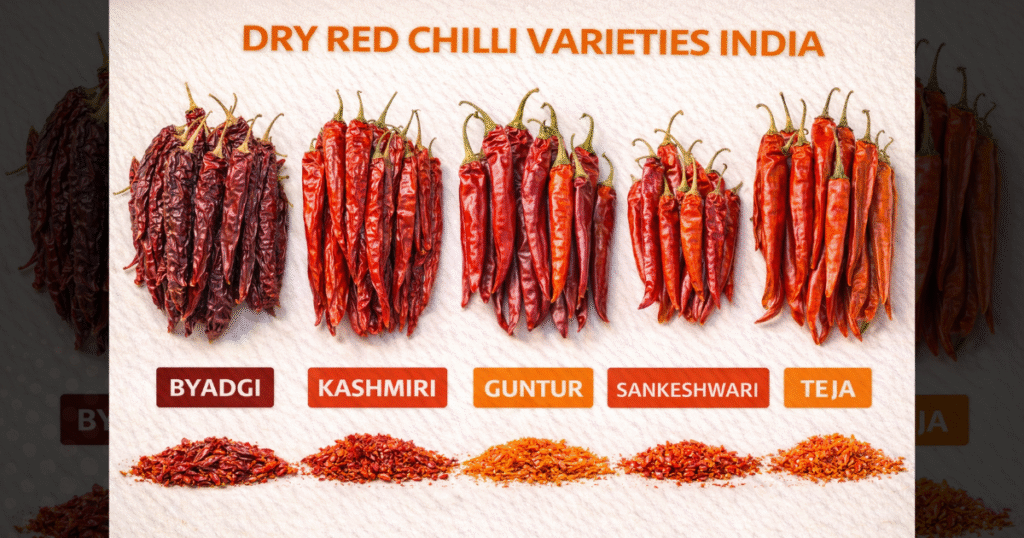
Byadgi chillies from Karnataka represent the perfect introduction to dry red chillies. With a Scoville rating between 8,000 and 15,000 units, they deliver deep red colour without overwhelming heat. Their wrinkled skin and distinctive aroma make them ideal for gravies, sambars, and chutneys where colour matters as much as flavour.
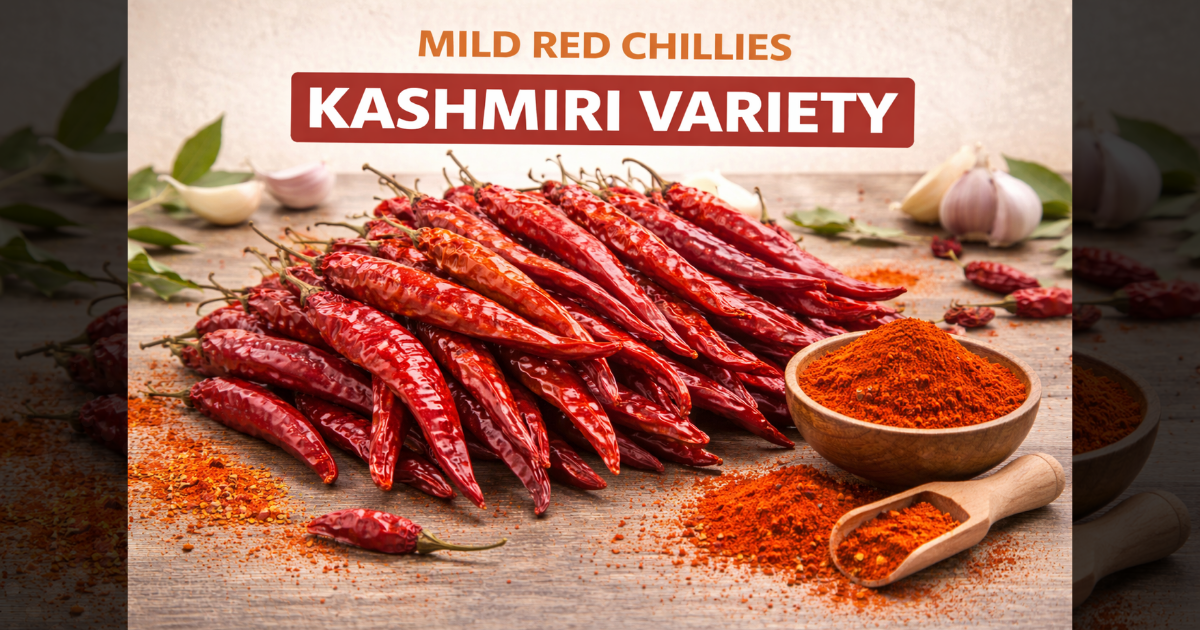
Kashmiri chillies stand out for their brilliant crimson hue and remarkably mild heat, ranging from 1,000 to 2,000 Scoville units. These long, slender chillies are prized in tandoori dishes, biryanis, and decorative spice blends. Their cultivation requires specific climate conditions found in the Kashmir valley and select regions where similar environmental factors exist.
The Middle Ground for Everyday Cooking
Sannam chillies, also called S4 or 334 varieties, occupy the medium heat category with 30,000 to 40,000 Scoville units. Grown extensively in Andhra Pradesh using both traditional farming methods and modern techniques, these chillies balance heat with flavour. Their versatility makes them workhorses in commercial spice blends and home cooking alike.
Teja chillies fall into the same medium-to-hot range, offering intense colour and sharp heat. These shorter, plumper chillies have become export favourites because they maintain quality during processing and storage. The development of improved cultivation practices, including better farm equipment for harvesting and drying, has made Teja production more efficient while maintaining traditional quality standards.
Bold Flavours for Heat Seekers
Guntur chillies from the Guntur district in Andhra Pradesh bring serious heat, ranging from 35,000 to 50,000 Scoville units. These chillies aren’t just about fire—they carry robust flavour that enhances curries, pickles, and spice powders. Guntur’s hot, dry climate creates ideal conditions for developing high capsaicin content.
Dhani chillies push the boundaries further, delivering punch that satisfies those who crave intense heat. These varieties require careful handling during processing, as their potent oils can irritate skin and eyes. Traditional methods of sun-drying these powerful chillies ensure their heat concentrates properly without degrading their essential oils.
Choosing by Colour, Aroma, and Purpose
Beyond heat, colour distinguishes premium chillies from ordinary ones. Natural red colour comes from carotenoid pigments that develop during ripening. Chillies grown in mineral-rich soil through sustainable farming practices often exhibit deeper, more consistent colouring.
Aroma reveals freshness and quality. Well-dried chillies smell fruity, earthy, and complex—never musty or flat. When selecting chillies, look for pliability without brittleness, uniform colour without dark spots, and intact stems that indicate careful handling.
Different dishes demand different chilli characteristics. Biryanis need colour without excessive heat. Vindaloos require both colour and fire. Pickling benefits from chillies that maintain texture during fermentation. Understanding these nuances helps match variety to purpose.
Cultivation and Processing Excellence
Growing quality dry red chillies begins long before harvest. Soil preparation, seed selection, and water management all influence final product characteristics. Regenerative agriculture practices are gaining attention among progressive growers who recognize that soil health directly impacts crop quality. These methods restore soil fertility naturally, reducing dependence on synthetic inputs.
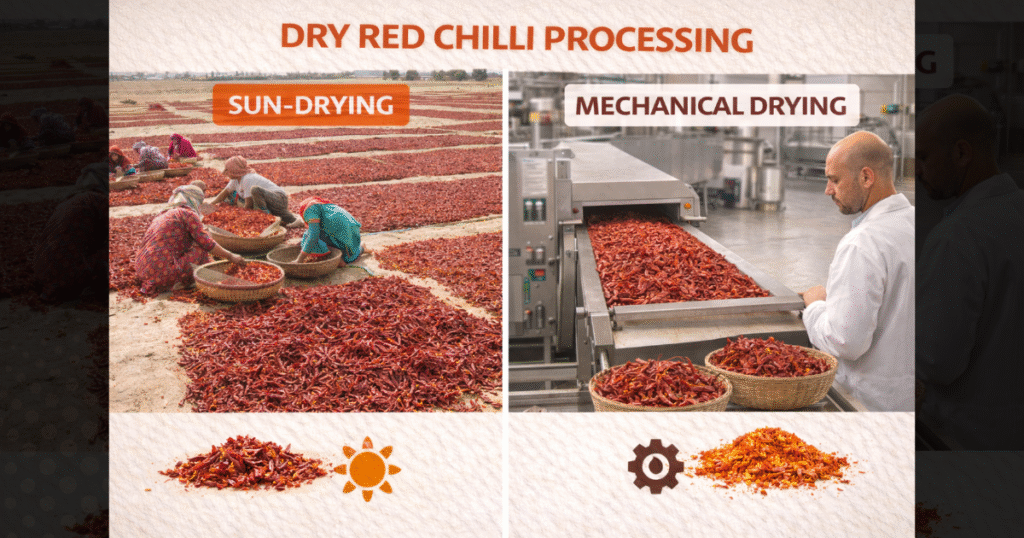
Harvesting timing determines pungency levels—chillies left longer on plants develop more capsaicin. After picking, proper drying becomes crucial. Traditional sun-drying remains popular in major producing regions, where farmers spread chillies on clean surfaces for several days. Modern mechanical drying offers consistency but requires significant investment in farm equipment.
Sorting and grading separate premium chillies from lower grades based on colour uniformity, size, stem retention, and damage-free appearance. This quality control ensures that export-grade chillies meet international standards.
Global Market Considerations
India dominates global chilli production and export, with varieties suited to diverse international preferences. Asian markets favour high-heat varieties, while European buyers often prefer milder chillies with excellent colour. Understanding these market dynamics helps producers align farming practices with demand.
Quality certifications, residue-free production, and traceability have become essential in international spice trade. Buyers increasingly want to know not just what variety they’re purchasing, but also how it was grown, where it came from, and whether it meets food safety standards.
Climate variation affects annual production, sometimes creating shortages of specific varieties. Diversifying cultivation across regions and investing in modern storage facilities helps stabilize supply chains. The adoption of improved farming techniques and appropriate farm equipment allows producers to maintain quality even when facing environmental challenges.
How Vipra Overseas Connects Quality to Global Markets
Vipra Overseas specializes in exporting premium agricultural products that meet international quality standards. Their portfolio extends beyond spices to include fresh fruits, fresh vegetables, beans, frozen products, and grains—serving diverse market needs across continents.
Understanding that dry red chillies represent just one component of global food supply chains, Vipra Overseas maintains rigorous quality control throughout their sourcing and export processes. They work directly with producers who employ responsible farming practices, ensuring traceability from field to shipment.
Their expertise in handling temperature-sensitive products like fresh fruits and fresh vegetables translates into careful management of spices that require proper storage conditions. Whether exporting mild Kashmiri chillies for European markets or high-heat Guntur varieties for Asian buyers, their logistics ensure products arrive in optimal condition.
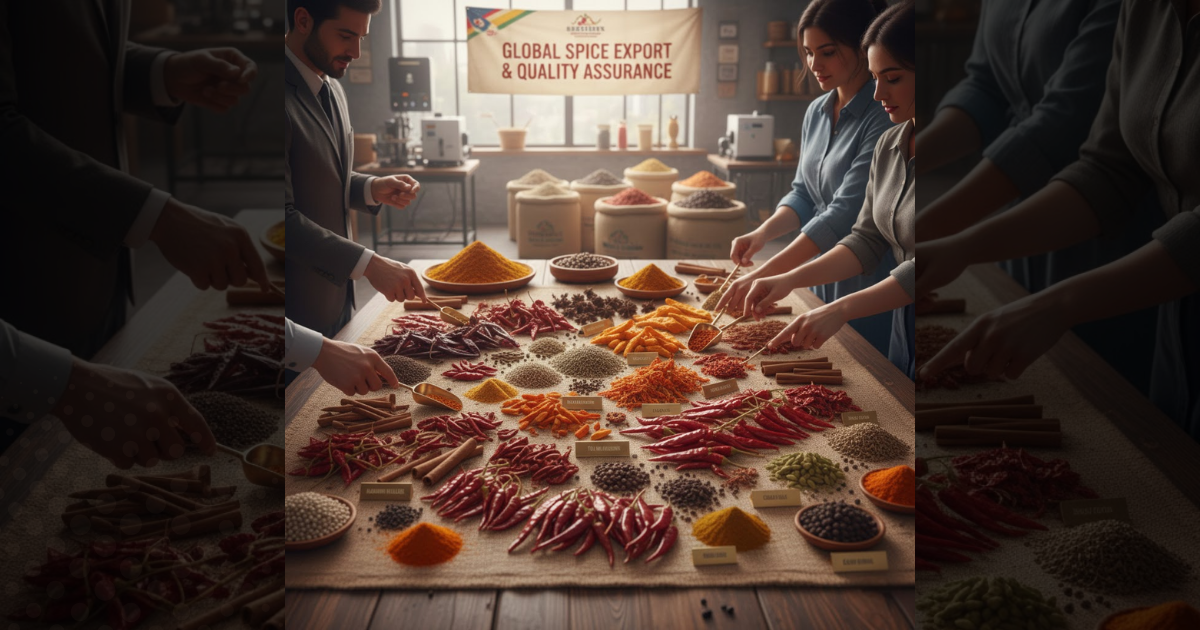
By partnering with producers who understand modern agricultural requirements—from regenerative agriculture principles to efficient use of farm equipment—Vipra Overseas helps bridge the gap between traditional cultivation and contemporary market demands. Their comprehensive approach to quality assurance makes them a trusted partner in the competitive world of agro-exports.
Making Confident Choices
Starting your chilli exploration doesn’t require expert knowledge—just curiosity and willingness to experiment. Begin with mild varieties like Kashmiri or Byadgi to understand base flavours. Gradually progress to medium-heat options like Sannam before venturing into Guntur territory.
Store dry chillies in airtight containers away from direct sunlight to preserve colour and potency. Whole chillies maintain quality longer than powdered forms. When grinding your own chilli powder, roast whole chillies briefly to enhance aroma before processing.
Pay attention to sourcing. Chillies from reputable suppliers who prioritize quality over quantity deliver better results. Whether purchasing small quantities for home use or larger amounts for food service, knowing the variety and origin helps ensure consistency.
The world of dry red chilli varieties offers endless discovery. Each variety tells a story of regional tradition, climatic influence, and agricultural expertise. From the mild elegance of Kashmiri chillies to the bold intensity of Guntur varieties, there’s a perfect chilli waiting to elevate your cooking. Understanding these differences transforms you from a beginner into an informed enthusiast, ready to explore the vibrant spectrum from mild to wild.