
Making Restaurant-Style Red Chilli Paste at Home
Walk into any professional kitchen in India, and you’ll find containers of freshly made red chilli paste stored carefully in the refrigerator. This isn’t just convenience—it’s a technique that transforms ordinary home cooking into restaurant-quality dishes. The difference between homemade and restaurant-style chilli paste lies in understanding a few professional secrets that most home cooks overlook.
Why Restaurant Chilli Paste Tastes Different
Professional chefs know that the foundation of bold, authentic Indian flavour starts with properly prepared spice pastes. Restaurant-style red chilli paste has a distinct smoothness, vibrant colour, and balanced heat that commercial powders simply cannot replicate. The secret lies in the selection of chillies, the soaking process, and the blending technique—each step carefully controlled to extract maximum flavour while maintaining that signature deep red hue.
Selecting the Right Dry Red Chillies
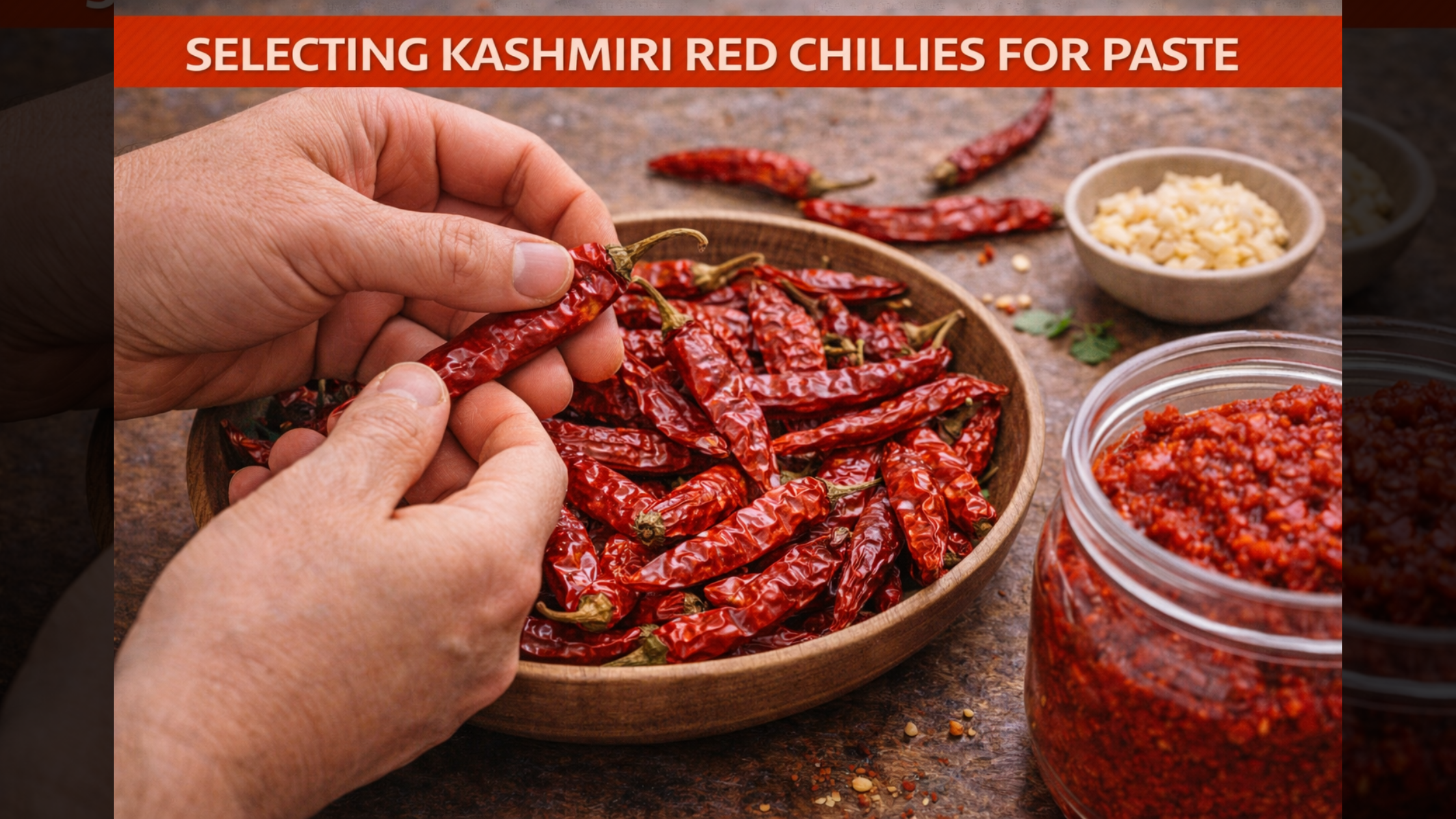
The quality of your chilli paste depends entirely on the chillies you choose. Professional kitchens prefer Kashmiri red chillies for their rich colour and moderate heat, often combined with a small amount of Byadgi or Guntur chillies for depth. When sourcing ingredients, many restaurants work with suppliers who provide export-quality produce, ensuring consistent results. Just as businesses like Vipra Overseas handle fresh vegetables and spices for international markets, choosing premium dried chillies makes a noticeable difference in your final paste.
Look for chillies that are deep red, dry but not brittle, and free from black spots or moisture damage. The surface should have a slight sheen, indicating proper drying and storage.
Preparing Chillies Before Blending
This step separates amateur attempts from professional results. Remove the stems from your dry red chillies, but here’s where technique matters—decide whether to keep or discard the seeds based on your heat preference. Professional kitchens typically remove about half the seeds to balance flavour with spice level.
Soaking dry red chillies properly is crucial. Use warm water, not boiling, and soak for 20 to 30 minutes. The chillies should become pliable but not mushy. Some chefs add a pinch of salt to the soaking water, which helps reduce bitterness and enhances the natural sweetness of the chillies. This is the same attention to detail that goes into preparing frozen products for preservation—timing and temperature control everything.
Step-by-Step Restaurant Technique
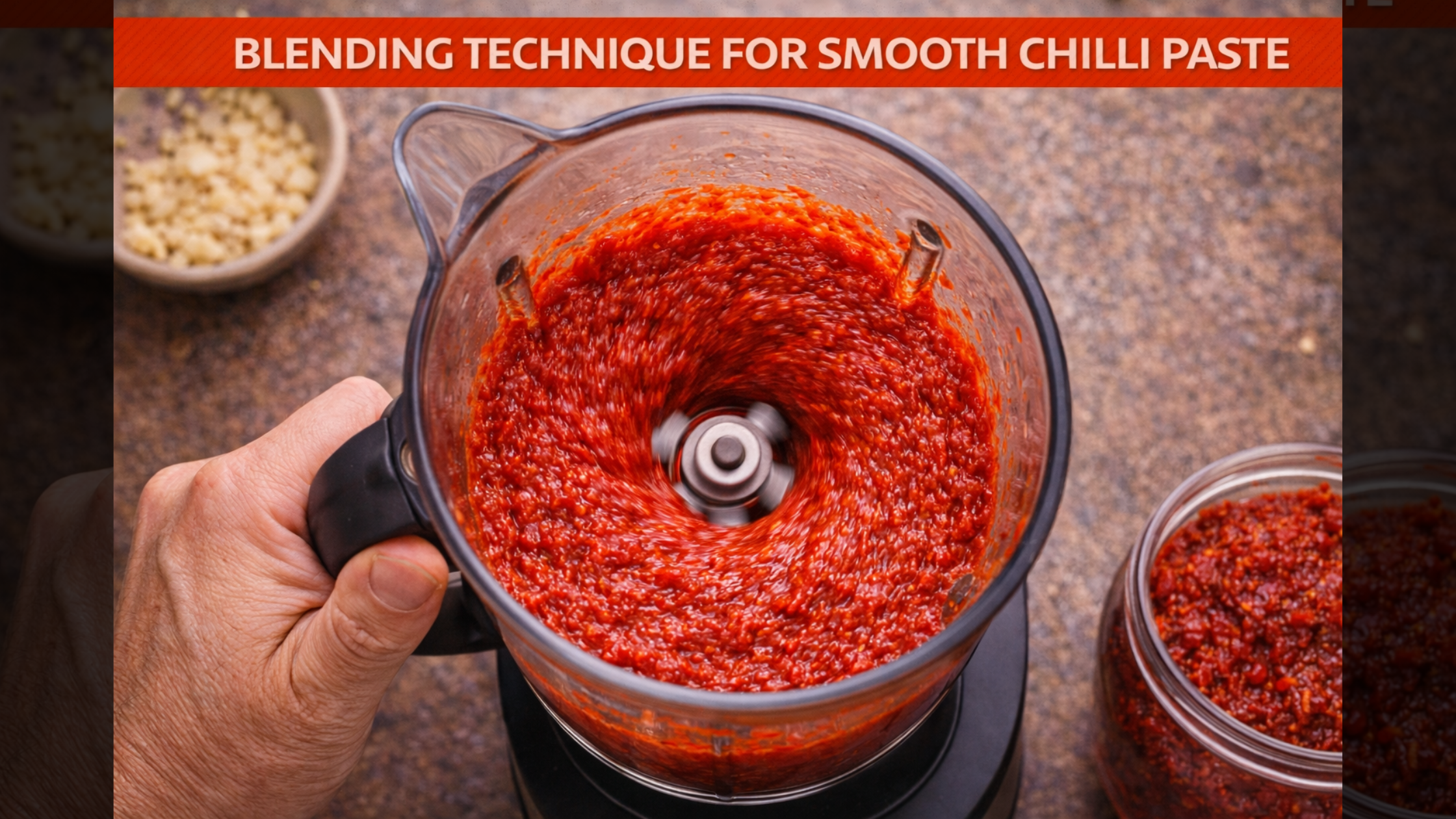
Once your chillies are properly soaked and drained, the blending process begins. Professional chefs add minimal water initially—just enough to get the blades moving. Start with two tablespoons of the soaking water, which retains some of the chilli flavour that would otherwise be lost.
Add one teaspoon of oil during blending. This isn’t optional—oil helps achieve that silky texture restaurants are known for and prevents the paste from drying out during storage. Some kitchens add a small piece of tamarind or a few drops of vinegar at this stage, which brightens the colour and adds subtle tanginess.
Blend in short pulses rather than continuously. Continuous blending generates heat, which can darken the paste and diminish its vibrant colour. Professional blenders in commercial kitchens have temperature control, but at home, pulsing with brief rest periods achieves similar results.
Professional Tips for Colour and Texture
Restaurants maintain that brilliant red colour through several techniques. First, they never oversoak the chillies—waterlogged chillies produce a dull, brownish paste. Second, they add a small amount of fresh red chilli (just one or two) to the dried chillies before blending, which intensifies both colour and aroma.
For extra smoothness, pass the blended paste through a fine sieve if you want absolute restaurant-grade consistency. Most home cooks skip this, but it’s what creates that luxurious texture you notice in professional curries and gravies.
Temperature control during storage matters too. Just as suppliers handle frozen fruits & vegetables with strict temperature protocols, your chilli paste needs immediate refrigeration in an airtight container. Exposure to air oxidizes the paste, causing it to darken and develop off-flavours.
Common Mistakes That Affect Quality
The biggest error home cooks make is using too much water during blending, resulting in a watery paste that lacks intensity. Another frequent mistake is blending for too long, which generates excessive heat and compromises both colour and flavour. Professional kitchens understand that patience produces better results than speed.
Using old, stale chillies is another problem. Dried chillies have a shelf life, and after six months, they begin losing essential oils that carry flavour and aroma. The same principle applies to how agricultural exporters handle india bananas and other produce—freshness directly impacts quality.
Never store chilli paste in containers that previously held strong-smelling foods. The paste absorbs odours easily, affecting its pure chilli character.
Storage Methods from Professional Kitchens
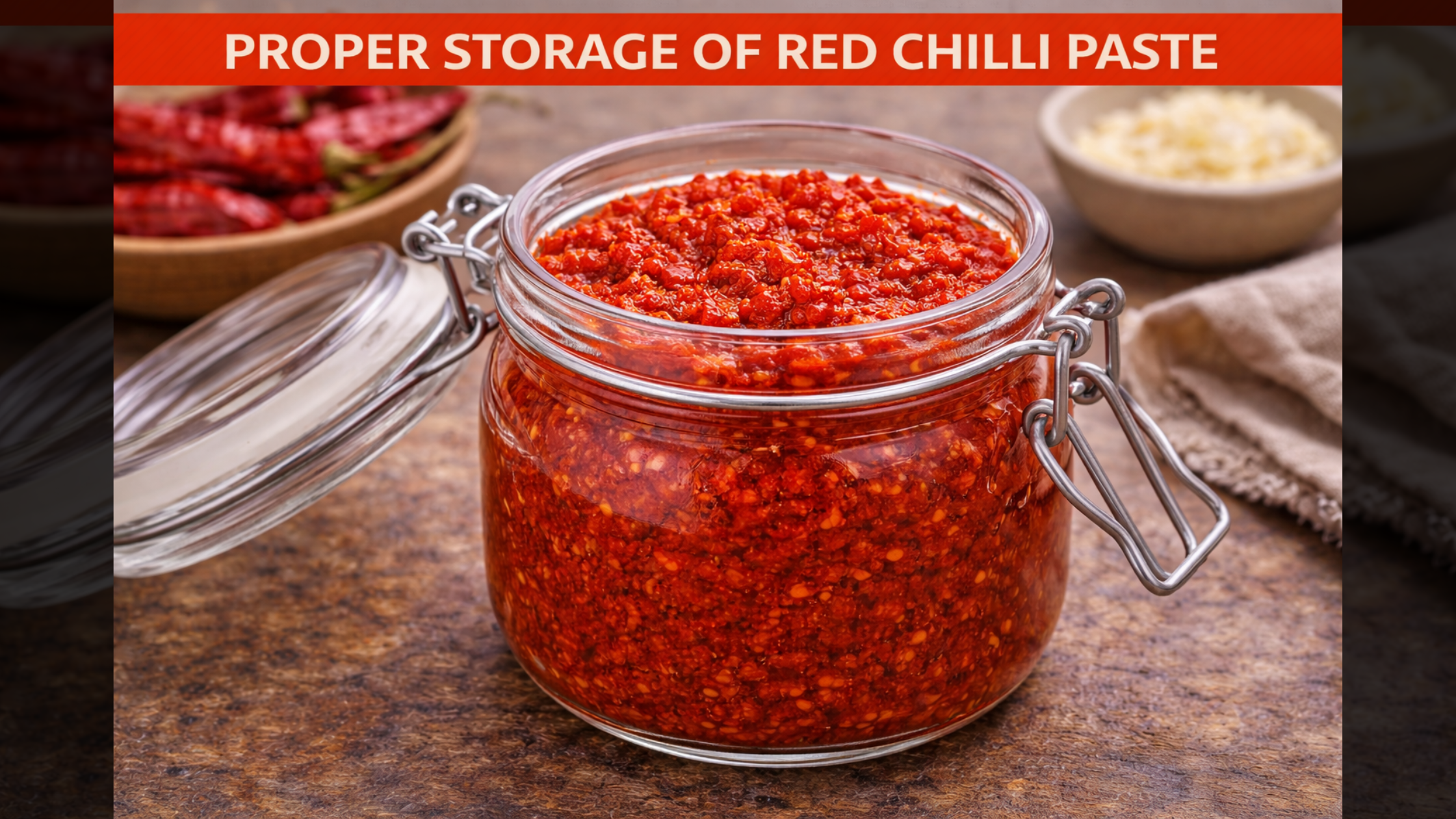
Restaurant chefs store red chilli paste in shallow, wide containers rather than deep, narrow ones. This allows easy access and reduces the amount of paste exposed to air each time the container is opened. Pour a thin layer of oil on top of the paste before sealing—this creates a protective barrier against oxidation.
Properly stored chilli paste lasts up to three weeks in the refrigerator. For longer storage, freeze small portions in ice cube trays, then transfer the frozen cubes to freezer bags. This gives you pre-measured amounts ready to use, similar to how commercial processors package frozen products for convenient portioning.
Using Red Chilli Paste in Everyday Cooking
Once you have restaurant-style chilli paste ready, your cooking transforms. Use it as the base for curries, gravies, and marinades. Two tablespoons of this paste equals roughly one tablespoon of chilli powder, but with far superior flavour complexity.
For restaurant-style butter chicken, tandoori preparations, or even Indo-Chinese dishes, this paste provides authentic colour and heat. It dissolves smoothly into gravies without the grittiness that dry powder sometimes creates. Mix it with yogurt for marinades, add it to lentil dishes for depth, or combine it with other spice pastes for complex curry bases.
Vipra Overseas: Connecting Quality Produce Globally
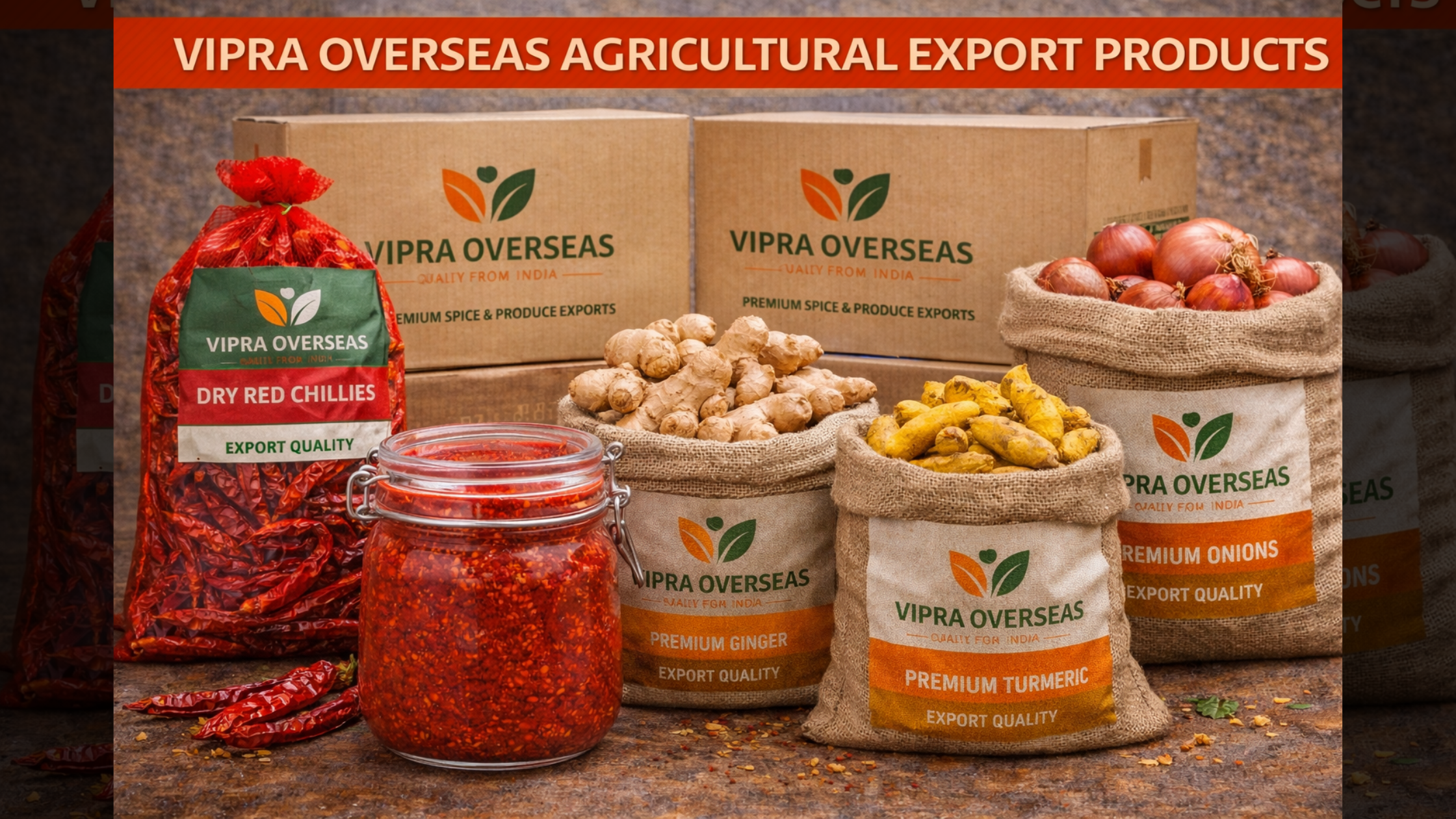
When discussing quality ingredients and professional standards, Vipra Overseas exemplifies the connection between careful sourcing and excellent results. As exporters of agricultural products, they understand that excellence begins with selecting the finest produce—whether that’s fresh fruits, beans, spices, or frozen products that meet international quality standards.
Their expertise in handling fresh vegetables and grains for global markets reflects the same principles that make restaurant cooking successful: quality ingredients, proper handling, and attention to detail at every stage. For businesses seeking reliable agro-export partners or home cooks wanting to understand where professional-grade ingredients come from, Vipra Overseas represents the bridge between Indian agricultural excellence and world markets.
Bringing Restaurant Quality Home
Making restaurant-style red chilli paste at home isn’t complicated—it simply requires understanding the techniques professionals use daily. The difference between adequate results and exceptional ones lies in choosing quality dried chillies, controlling moisture during preparation, blending with proper technique, and storing correctly.
These methods work because they respect the ingredient itself. Just as agricultural exporters respect the produce they handle—from fruits vegetables and grains to specialized spices—home cooks benefit from applying professional standards to their cooking. The vibrant colour, smooth texture, and authentic flavour you achieve will elevate every dish you prepare, bringing genuine restaurant-quality taste to your home kitchen.
Start with small batches until you perfect your technique, then scale up. Your family will immediately notice the difference, and you’ll never want to return to store-bought alternatives. Professional flavour is now within your reach.