
There’s something deeply rewarding about preparing your own spices at home. The vibrant colour, the unmistakable aroma, and the authentic heat of freshly ground red chilli powder can transform everyday meals into memorable culinary experiences. While store-bought options are convenient, making your own allows you to control quality, flavour intensity, and purity—something that becomes increasingly important as awareness grows around food sourcing and agricultural practices.
In recent years, organizations like the food and agriculture organization have emphasized the importance of understanding where our food comes from. This knowledge extends to the spices we use daily. When you prepare red chilli powder at home, you’re taking an active role in ensuring what goes into your family’s meals.
Why Prepare Red Chilli Powder at Home?
Commercial spice powders often contain additives, colour enhancers, or fillers that dilute the authentic flavour. Homemade red chilli powder offers several advantages: you know exactly what’s in it, you can adjust the heat level to your preference, and you retain maximum nutritional value. The process also connects you with traditional spice-making methods that have been passed down through generations in Indian households.
Fresh grinding releases essential oils that give chilli powder its characteristic aroma and pungency. These volatile compounds begin to deteriorate once ground, which is why freshly made powder tastes noticeably superior to something that’s been sitting on a shelf for months.
Selecting the Right Dry Red Chillies
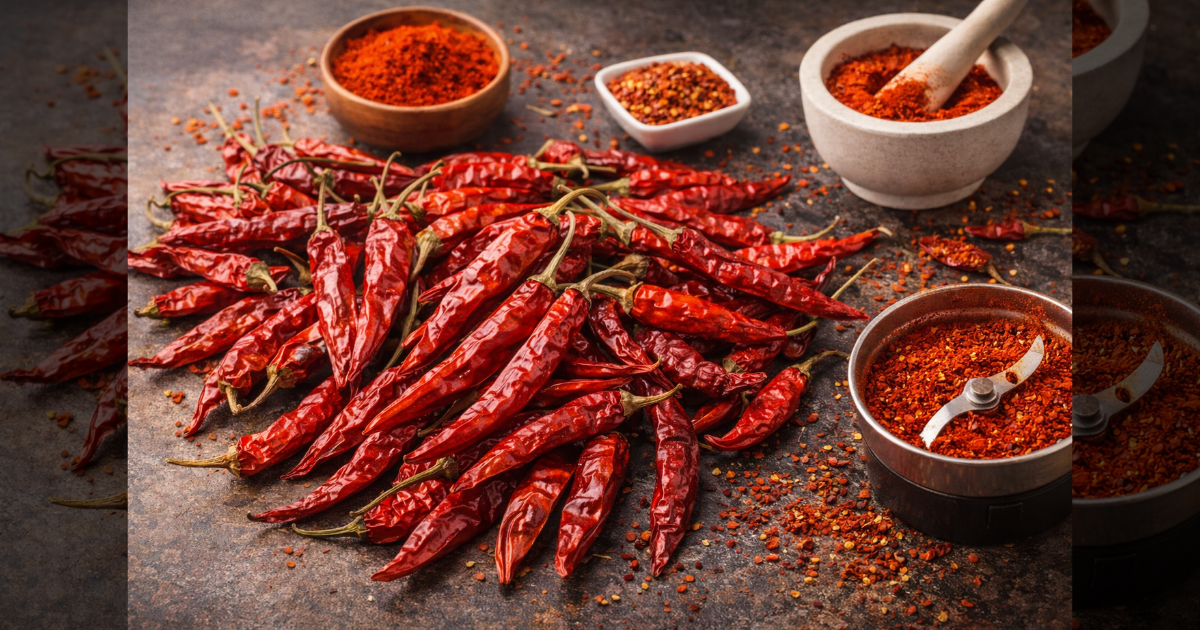
The foundation of excellent chilli powder lies in choosing quality raw material. India produces numerous red chilli varieties, each with distinct heat levels and flavour profiles. Kashmiri chillies are prized for their vibrant colour and mild heat, while Guntur and Byadgi varieties offer more intense spiciness.
When purchasing dry red chillies, look for:
- Deep, uniform colour without dark spots
- Intact stem ends
- No visible mould or moisture
- Firm texture that’s not brittle or overly hard
- Fresh, slightly pungent aroma
Consider sourcing from local farmers’ markets or trusted suppliers who can tell you about the origin of their produce. Climate smart agriculture practices are becoming more common, with farmers adopting methods that improve both crop quality and environmental sustainability. Supporting such initiatives ensures better produce while promoting responsible farming.
Cleaning and Preparation
Before processing, inspect each chilli carefully. Remove stems, which can add bitterness to the final powder. Wipe the chillies with a clean, dry cloth to remove any dust or debris. Avoid washing them unless absolutely necessary, as moisture can lead to mould during storage.
If chillies do need washing, pat them completely dry and ensure they’re left to air-dry in the sun for several hours afterward. Any residual moisture will compromise both grinding efficiency and shelf life.
Drying Methods for Optimal Results
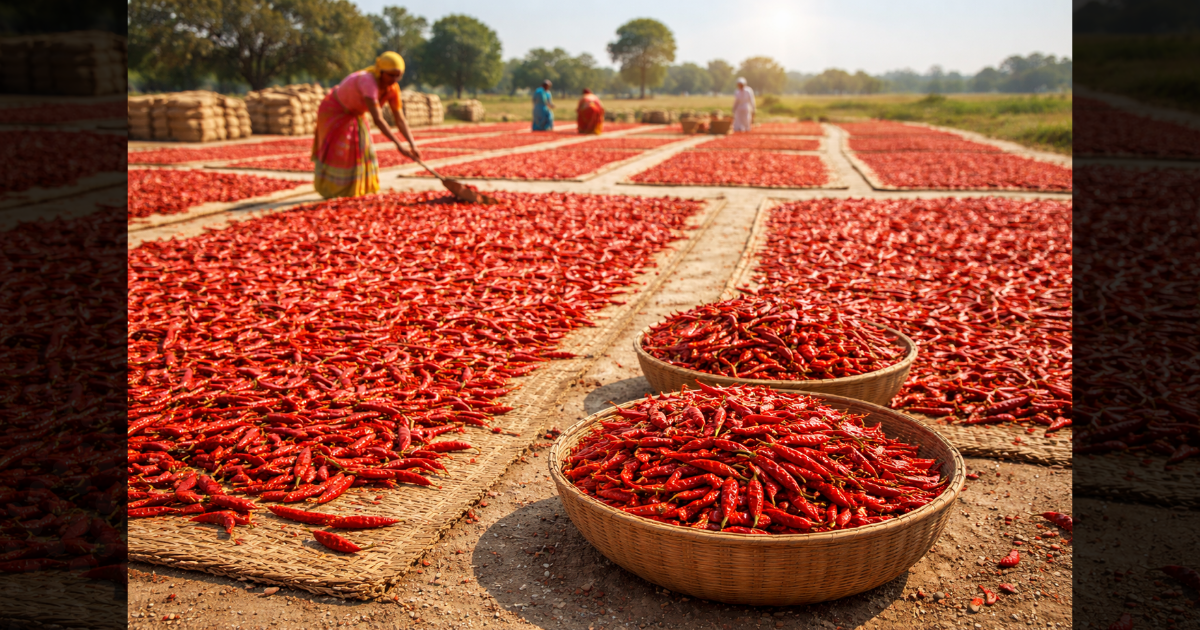
Even purchased dry red chillies benefit from additional sun-drying before grinding. Spread them on a clean cloth or tray in direct sunlight for 2-3 hours. This step removes any hidden moisture and intensifies flavour. Sun-drying is a traditional method that also naturally sanitizes the chillies.
Alternatively, you can use a low-temperature oven. Spread chillies on a baking sheet and heat at the lowest setting (around 50-60°C) for 15-20 minutes, turning occasionally. This method works well in humid climates or during monsoon season when sun-drying isn’t practical.
The chillies are ready when they feel crisp and break easily when bent. Proper drying ensures the powder stays fresh longer and prevents clumping.
Grinding Techniques and Consistency
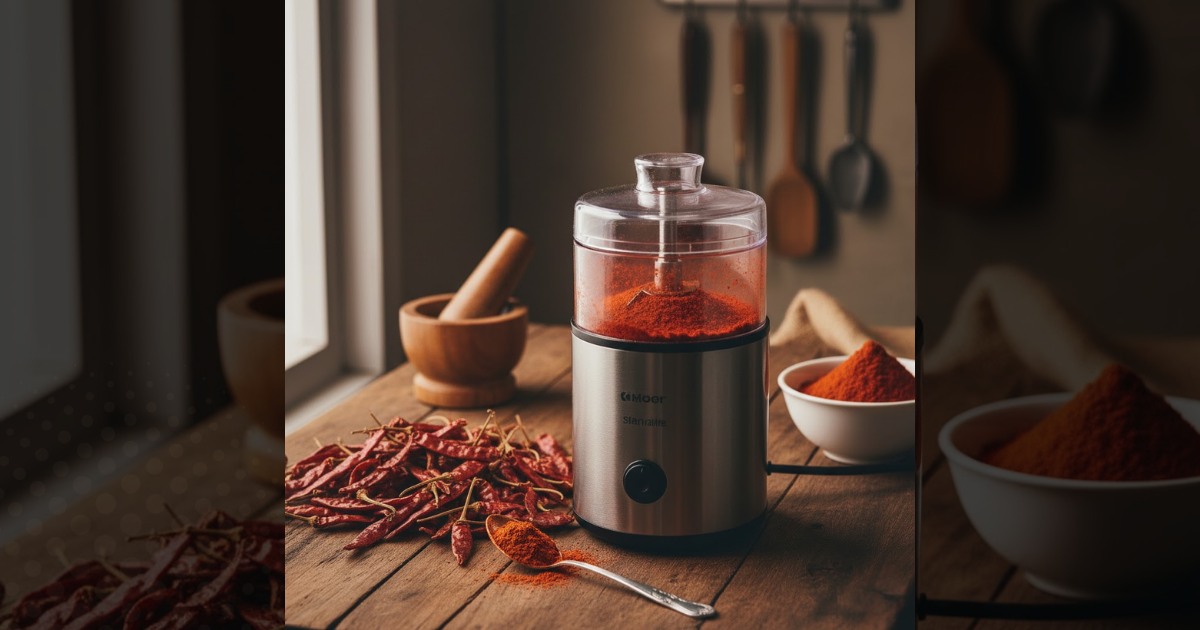
For grinding red chillies at home, you have several options. A traditional stone grinder produces the finest texture but requires effort. Most home cooks use electric mixers or spice grinders, which are efficient and convenient.
Tips for perfect grinding:
- Work in small batches to prevent overheating, which can reduce pungency
- Pulse rather than run continuously to maintain texture control
- For coarse powder, grind for shorter periods
- For fine powder, grind longer and sieve to remove larger pieces
- Add a small piece of dried tamarind or a few grains to improve grinding efficiency
Some cooks prefer roasting chillies briefly in a dry pan before grinding to enhance flavour. This step is optional but adds a subtle smoky note to the powder.
Storage Tips for Maximum Freshness
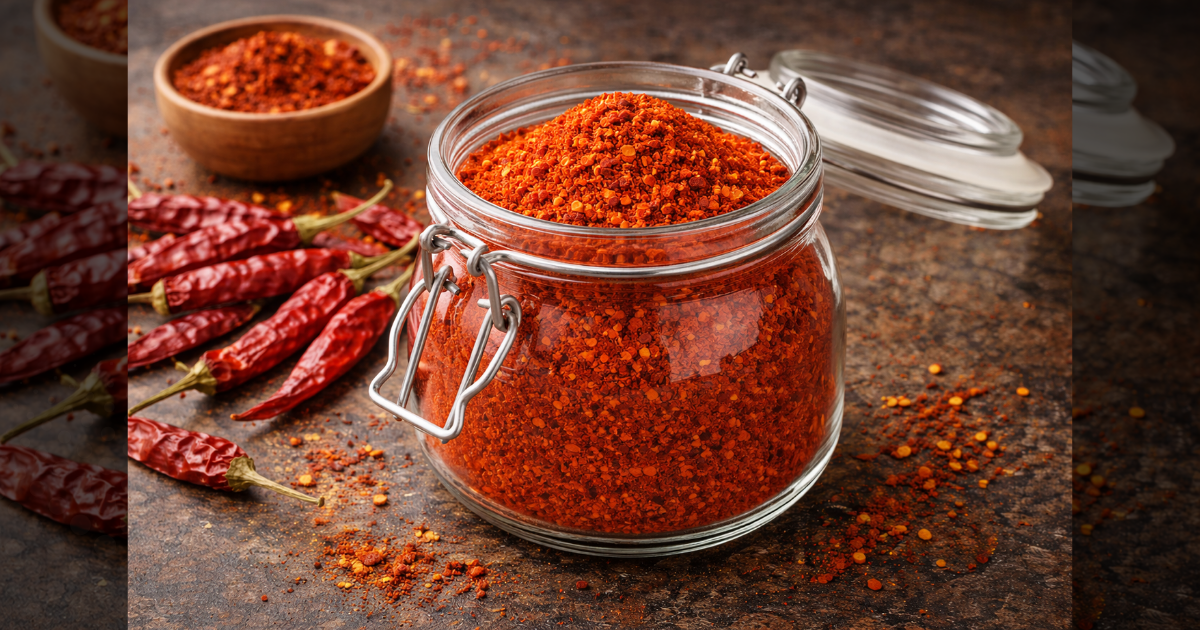
Proper storage is crucial for maintaining the aroma, colour, and heat of your homemade red chilli powder. Transfer the completely cooled powder into clean, dry glass or metal containers with tight-fitting lids. Avoid plastic containers, which can absorb and transfer odours.
Store containers in a cool, dark place away from direct sunlight and heat sources. A dedicated spice cupboard works perfectly. When stored correctly, homemade chilli powder retains its quality for 4-6 months, though it’s best used within three months for peak flavour.
Label containers with the preparation date to track freshness. Avoid using wet spoons to scoop out powder, as moisture introduction can cause spoilage.
Common Preparation Mistakes to Avoid
Even with the best intentions, certain errors can affect the quality of your final product:
- Insufficient drying: Leads to clumping and shortened shelf life
- Overheating during grinding: Destroys flavour compounds
- Storing in humid conditions: Causes moisture absorption and mould
- Using wet equipment: Introduces moisture that promotes bacterial growth
- Grinding too large a quantity: Reduces freshness over time
Additionally, wearing gloves while handling chillies protects your skin from capsaicin, the compound responsible for heat. Avoid touching your face, especially eyes, during preparation.
Homemade Versus Commercial Chilli Powder
The difference between homemade and store-bought chilli powder is remarkable. Commercial products often contain added salt, anti-caking agents, and colour enhancers. Some manufacturers mix different chilli varieties or add other ingredients to reduce production costs.
When you make chilli powder at home, you control every element. You choose the variety, determine the heat level, and ensure no unwanted additives. The colour is natural, the aroma is fresh, and the flavour is authentic. This level of quality control simply isn’t possible with mass-produced alternatives.
Growing Awareness of Quality and Sourcing
Consumers today are more conscious about what they eat and where it comes from. This awareness extends beyond main ingredients to include spices and condiments. Understanding agricultural practices, supply chains, and quality standards has become important for health-conscious families.
Organizations focused on sustainable farming encourage practices that benefit both farmers and consumers. Climate smart agriculture approaches help farmers adapt to changing weather patterns while producing better crops. These methods consider water conservation, soil health, and biodiversity—factors that ultimately affect the quality of agricultural products reaching our kitchens.
The import export business plays a significant role in making diverse spice varieties available globally. However, knowing how to prepare your own spices from quality raw materials gives you independence and assurance about what you’re consuming.
How Vipra Overseas Supports Agricultural Trade
For those interested in the broader picture of agricultural supply chains, companies like Vipra Overseas facilitate the movement of quality produce across borders. They specialize in exporting a wide range of agricultural products that meet international standards.
Vipra Overseas handles the export of:
- Fresh fruits: Seasonal and tropical varieties sourced from reliable farms
- Fresh vegetables: Including traditional and exotic varieties
- Beans: Multiple varieties for diverse culinary applications
- Frozen products: Maintaining cold chain integrity for quality preservation
- Spices: Including whole and processed forms of Indian spices
- Grains: Staple cereals and specialty varieties
Their expertise in the import export business ensures that agricultural products reach global markets while maintaining quality standards. Such organizations bridge the gap between farmers and international consumers, supporting both agricultural communities and food security.
Understanding these supply chains helps appreciate the journey that spices and other agricultural products take from farm to kitchen. Whether you’re preparing your own spice powders or purchasing quality raw materials, knowledge about agricultural practices and trade standards enhances your food choices.
Enjoying Freshness in Every Dish
Making red chilli powder at home is more than a kitchen task—it’s a practice that connects you with traditional food preparation methods while ensuring the highest quality for your family. The vibrant colour that brightens curries, the heat that enlivens marinades, and the aroma that fills your kitchen all come from the care you put into selecting, preparing, and storing your homemade powder.
Start with quality dry red chillies, follow proper drying and grinding techniques, and store your powder correctly. The result is a spice that elevates your cooking and brings authentic flavour to every dish. Once you experience the difference, you’ll find it difficult to return to commercial alternatives.
The effort invested in preparing homemade red chilli powder pays dividends in taste, quality, and the satisfaction of creating something pure and wholesome in your own kitchen. Each pinch you add to your recipes carries the assurance that it’s nothing but the finest chillies, carefully processed and preserved with your family’s well-being in mind.