
Why Roots Are the True Lifeline of a Plant
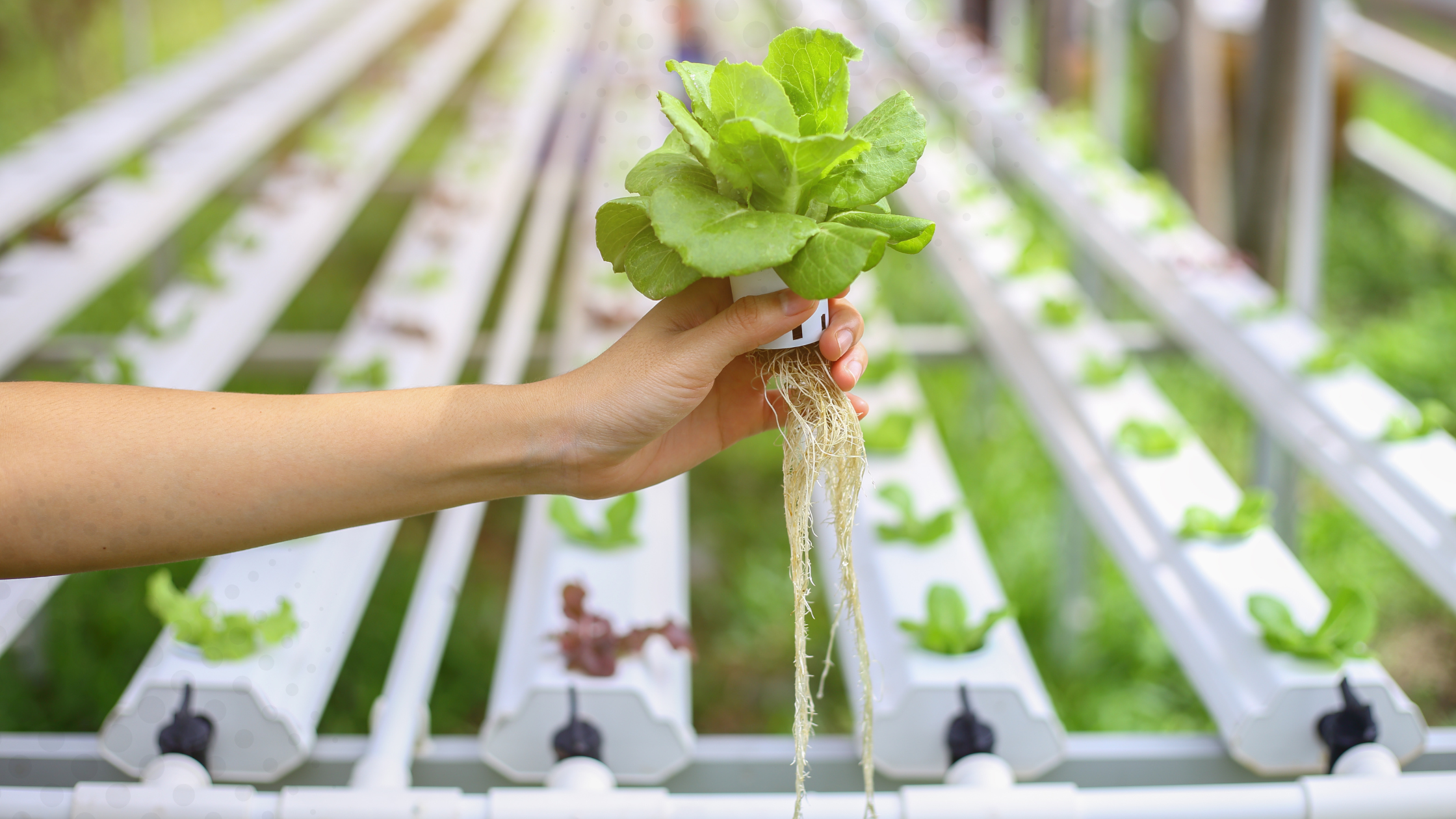 In hydroponics, everything depends on roots. Unlike soil farming, where roots stay hidden underground, here they are exposed, visible, and active all the time. What happens below the plant directly controls what happens above it. If the roots are strong, white, and well-oxygenated, the plant grows fast and stays firm. If the roots weaken, the plant weakens within days.
That is why learning to identify healthy roots is not just a skill—it’s a daily habit every hydroponic grower should build.
What Healthy Roots Look Like
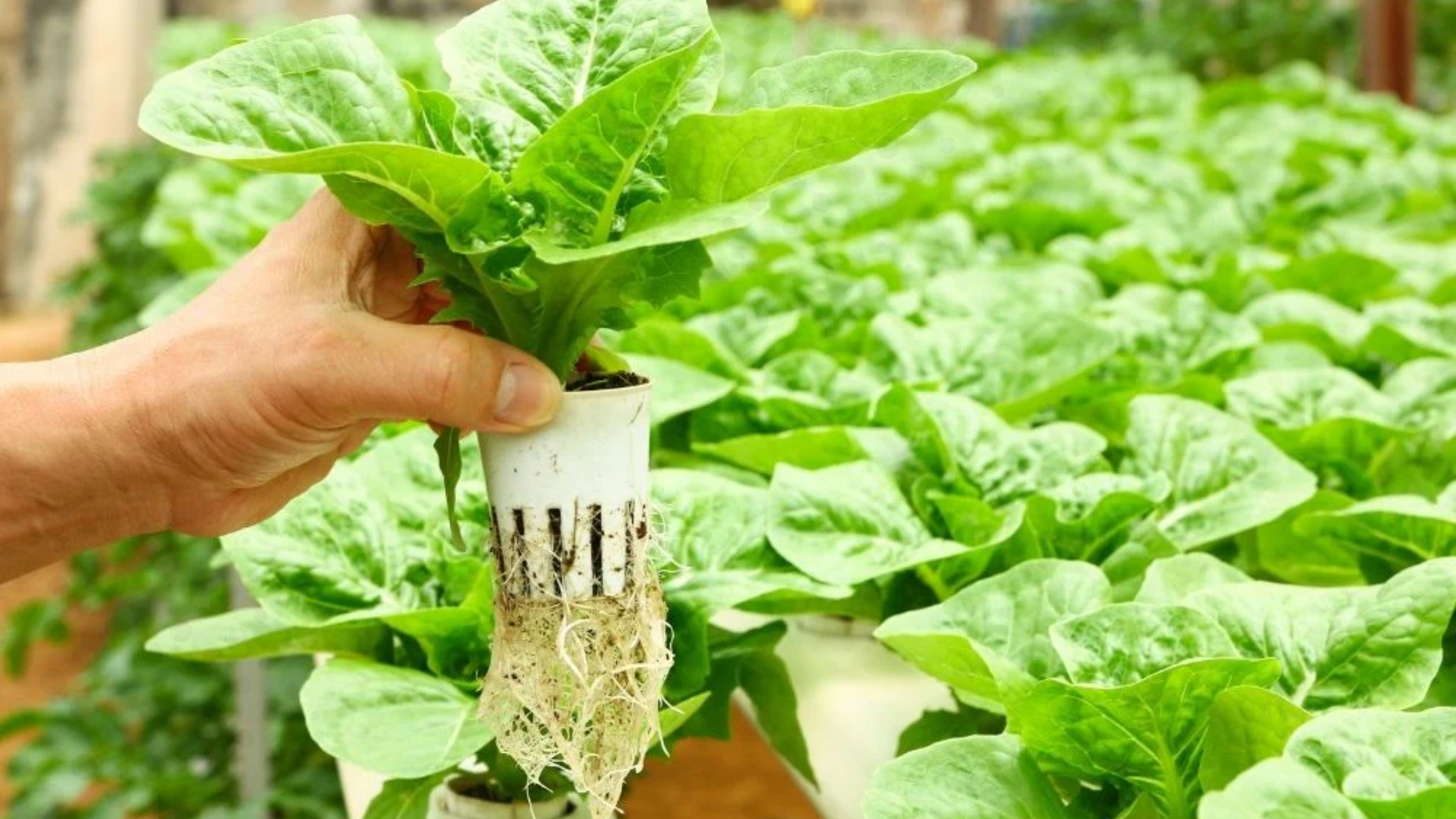
Healthy roots have a very  clear and consistent appearance. When you lift a net pot or inspect the channel, good roots usually appear:
-
Bright white or creamy white
-
Slightly glossy in texture
-
Firm but flexible
-
Well spread and evenly shaped
-
Free from any slimy layer
They also move gently in flowing water and do not stick together in thick clumps. This appearance tells you that oxygen supply is good and nutrient absorption is happening smoothly.
The Texture Test That Growers Trust
Touch plays a big role in  identifying root health. When you gently hold a healthy root, it feels smooth and strong at the same time. It does not break easily and does not feel sticky.
If the root feels:
-
Slimy
-
Mushy
-
Soft like wet cotton
-
Or breaks with very light pressure
Then it is already under stress and may be facing oxygen shortage or disease.
Color Changes and What They Mean
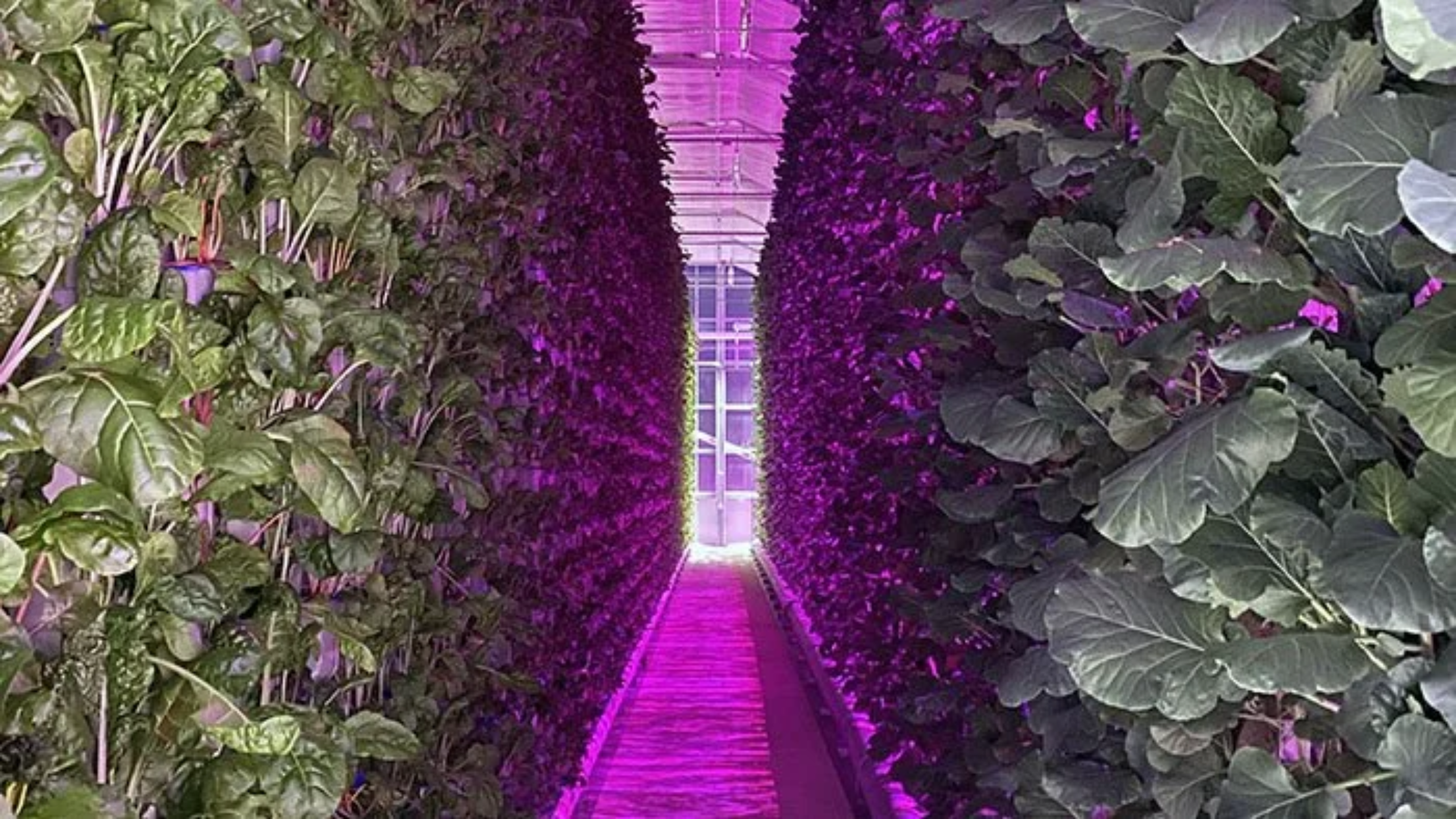 Color is the fastest warning sign. While healthy roots are clean-looking, unhealthy ones change color quickly.
Some common warning shades:
-
Light brown – early stress
-
Dark brown – oxygen shortage
-
Gray or black – rot has already started
Once roots turn dark and soft, recovery becomes difficult. Early detection is the only real solution.
Smell Is Also an Important Signal
Most people forget that  roots have a natural scent. Healthy roots usually smell fresh and neutral, similar to clean water. If you notice:
-
A sour smell
-
A rotten odour
-
A swamp-like smell
Then harmful bacteria may already be growing in your system. Smell testing is a quick way to catch problems even before visual damage becomes serious.
Water Movement and Oxygen Connection
Roots love oxygen. In 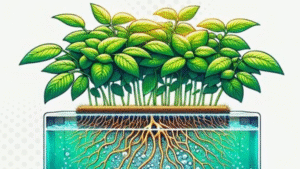 hydroponics, oxygen comes from:
-
Air stones
-
Water splashing
-
Flowing nutrient solution
-
Open root space
If water becomes still for long hours, oxygen level drops. This leads to slow root breathing, followed by decay. Good water movement is one of the strongest protectors of root health.
How Temperature Affects Root Strength
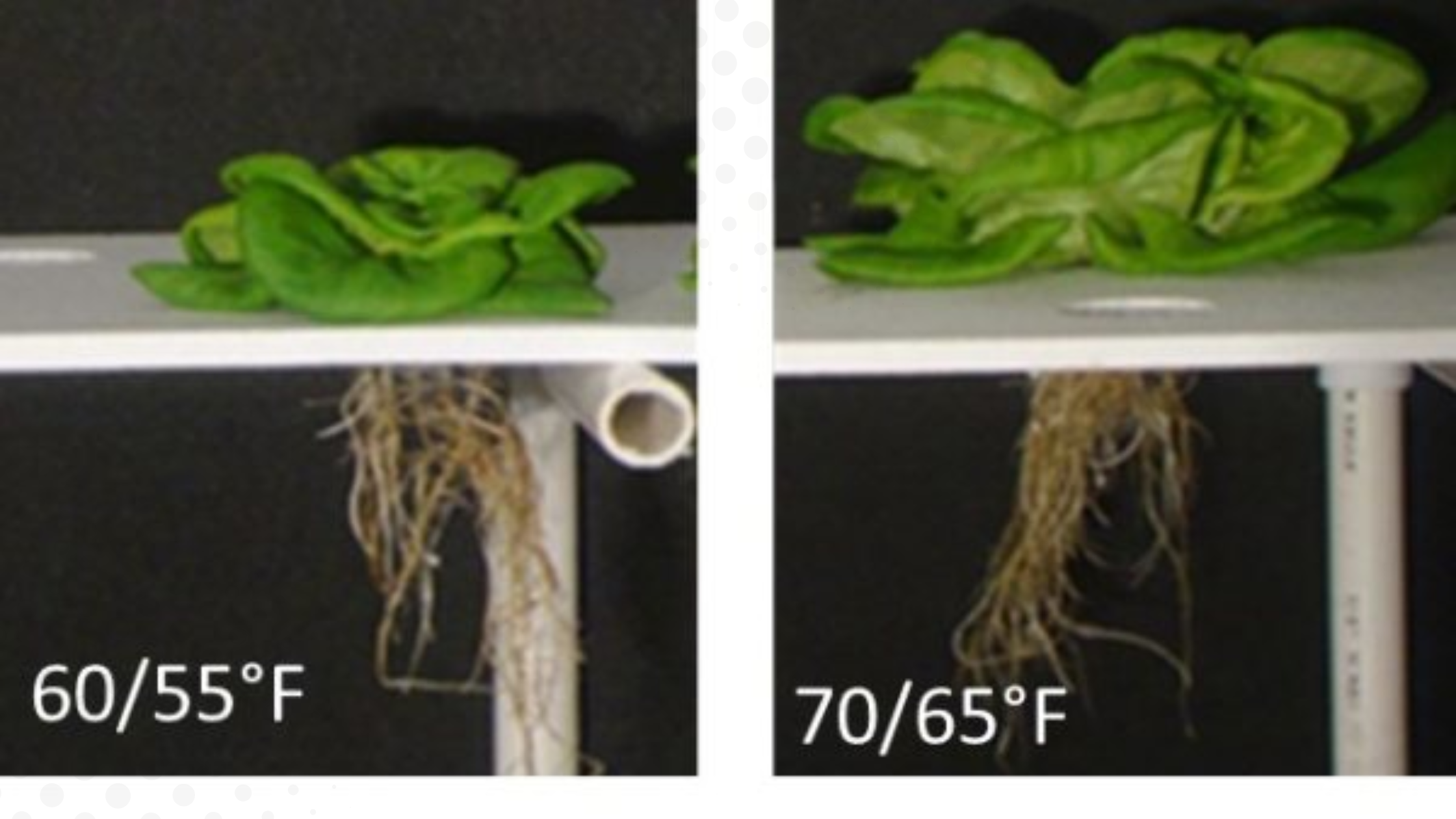 Warm water holds less oxygen. When the nutrient solution becomes too warm, roots start suffocating slowly. This opens the door to fungus and bacterial growth.
A steady water temperature helps:
-
Maintain oxygen levels
-
Keep root tips active
-
Prevent stress-related damage
-
Improve nutrient uptake
This is why many large growers closely monitor tank temperature throughout the year.
The Role of Cleanliness in Root Health
Clean systems produce 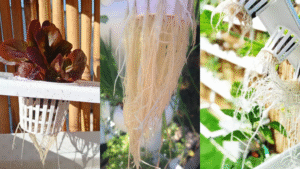 clean roots. Dirty tanks, blocked pipes, and algae buildup all create an environment where harmful microbes multiply.
Best habits for clean roots:
-
Rinse tanks regularly
-
Keep light away from water tanks
-
Clean filters and pumps
-
Remove dead roots immediately
-
Avoid leaving old nutrient solution too long
A few minutes of cleaning every week can save entire crops.
Healthy Roots and Market-Ready Produce
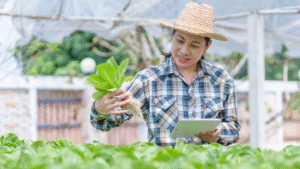 Strong roots lead to:
-
Faster plant growth
-
Larger leaves
-
Better color
-
Higher water content
-
Longer shelf life
This plays a major role when your produce enters retail, hospitality, or bulk trade. Buyers often judge plant quality by how long it stays firm after harvest. Roots decide that lifespan.
This quality also helps hydroponic growers meet the premium standards expected in markets dealing with frozen vegetables, where only well-grown produce is accepted for processing.
Visual Differences Between Good and Bad Root Zones
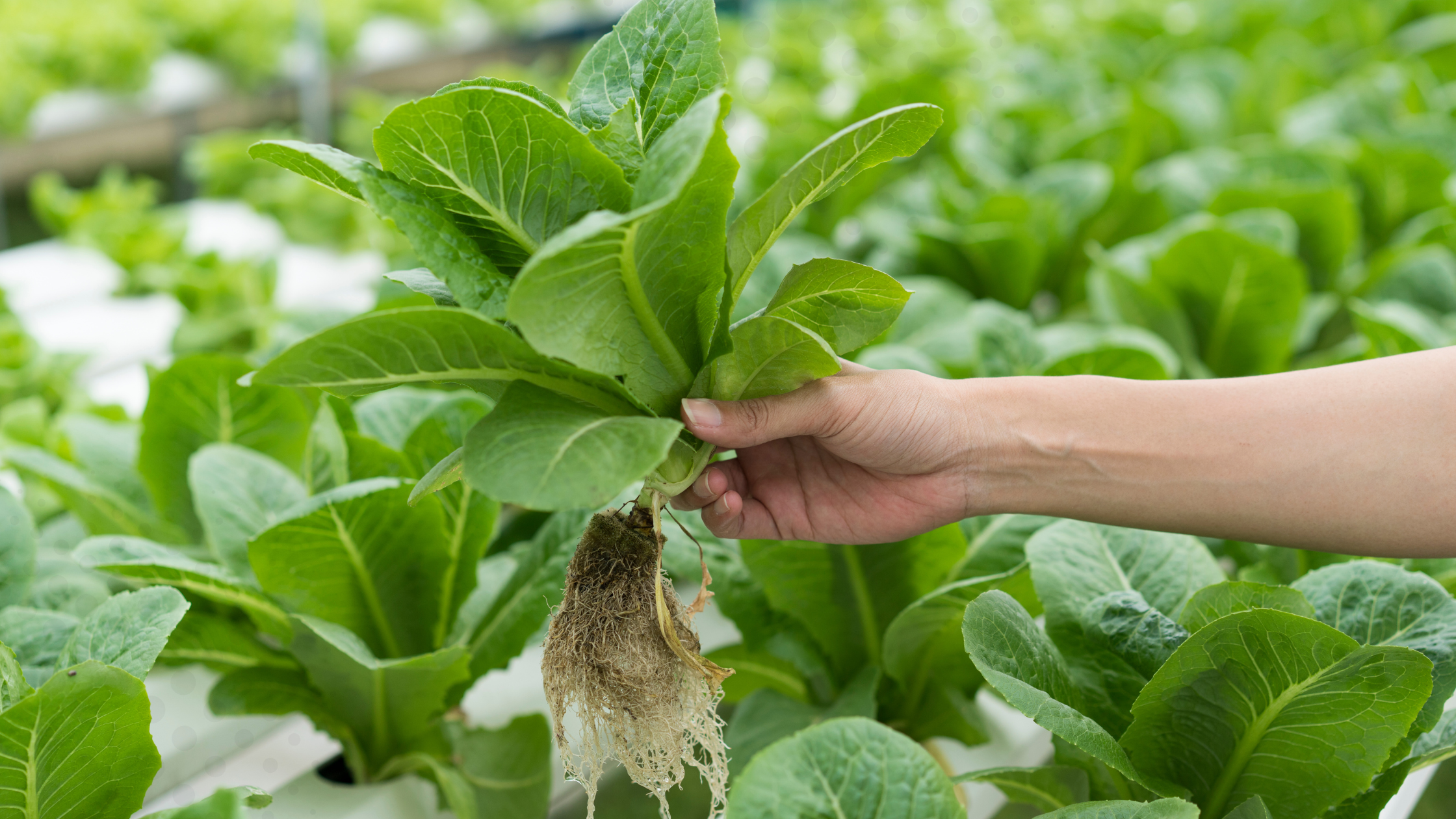 Let’s simplify the contrast:
Healthy root zone shows:
-
Clear water
-
Visible fine root hairs
-
No foam on the surface
-
Light plant weight when lifted
Unhealthy root zone shows:
-
Cloudy water
-
Slime on pipes
-
Thin or collapsing roots
-
Strong odor
Learning this difference early helps prevent crop failure.
From Root Health to Buyer Trust
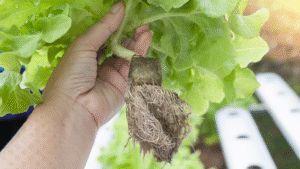 Buyers may not see roots directly, but they see the effect:
-
Leaf softness
-
Crunch
-
Moisture content
-
Storage life
These qualities matter deeply in trade handling fruits and vegetables, where delays, transport, and storage are part of daily operations. Strong roots protect plant quality through these stages.
Export Growth and the Role of Vipra Overseas
 As demand increases in global markets for clean and uniform produce, hydroponically grown crops are gaining strong attention. Root quality becomes even more important for export-grade supply because long-distance transport tests plant strength.
This is where Vipra Overseas supports growers by exporting agro products such as:
-
Fresh fruits
-
Fresh vegetable
-
Beans
-
Frozen products
-
Spices
-
Grains
By managing strict quality checks, packaging standards, cooling systems, and documentation, Vipra Overseas helps farmers and hydroponic growers send their produce safely to international buyers. Crops grown with healthy root systems handle export journeys far better than weak-rooted plants.
Common Mistakes That Damage Roots
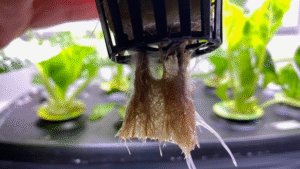 Many root problems come from simple mistakes such as:
-
Letting water levels drop too low
-
Overcrowding net pots
-
Ignoring pump failure
-
Using unfiltered water
-
Overfeeding nutrients
Each of these slowly weakens the root zone before visible damage appears on leaves.
How Often Should You Inspect Roots?
 For home systems:
-
Once every 3–4 days is enough
For commercial setups:
-
Daily visual checks are ideal
Inspection does not mean disturbing plants daily. A quick lift of one pot, a glance at water color, and a smell check is enough to stay alert.
Final Thoughts
In hydroponics, roots are not hidden workers — they are visible partners in plant growth. When you learn to read their color, smell, texture, and shape, you stop guessing and start understanding what your plants truly need.
Healthy roots mean stronger plants, longer shelf life, easier market acceptance, and smoother export handling. Whether your goal is local supply or international trade with partners like Vipra Overseas, everything begins with what happens beneath the surface.