
How To Grow Onions
A crop that fits every kitchen and climate
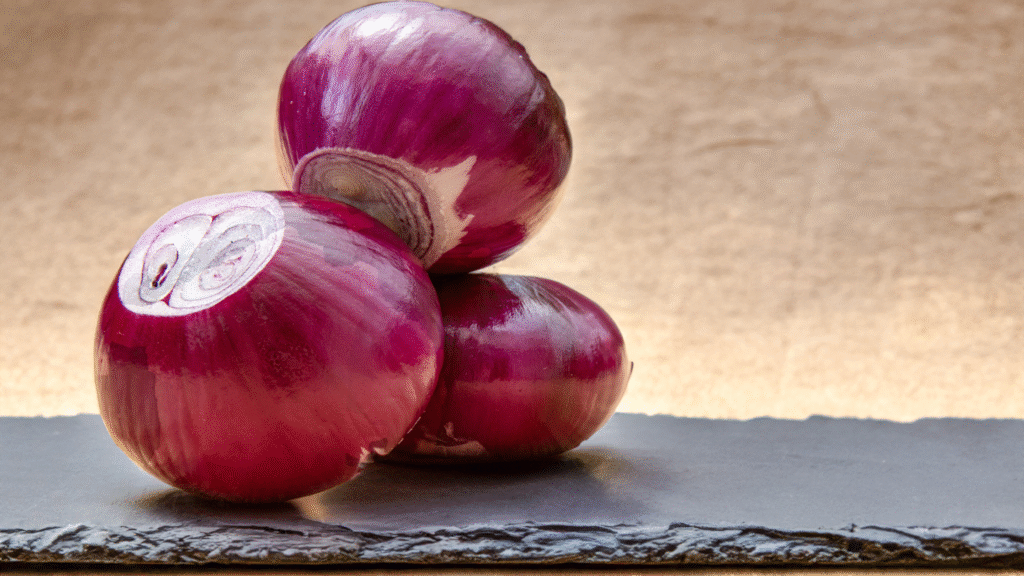 Onions are one of the most widely used ingredients in everyday cooking. From simple home meals to large-scale food preparation, onions form the base of countless recipes. Their ability to grow in different regions and adapt to varying climates makes them a dependable crop for farmers and gardeners alike.
Whether grown on a small plot as a home vegetable or cultivated across large fields, onions reward patience and basic care. With the right approach to soil, watering, and timing, anyone can grow healthy onions with good size and flavour.
Choosing the right variety
The first step in growing onions is selecting a suitable variety. Onions are broadly classified based on day length requirements. Some varieties grow well where  days are shorter, while others need longer daylight hours to form bulbs.
Farmers usually choose varieties that suit local climate and soil conditions. Gardeners growing onions at home often prefer varieties that mature faster and store well. Choosing the right type helps ensure better bulb development and reduces common growing issues.
Preparing the soil properly
Onions grow best in loose, well-drained soil. Heavy or compacted soil can restrict bulb growth and lead to misshapen 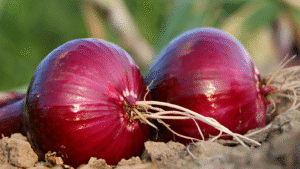 onions. Before planting, the soil should be loosened and cleared of stones and weeds.
Adding organic matter such as compost improves soil structure and fertility. Onions prefer soil that is rich but not overly wet. Good drainage is essential, as standing water can cause rot and disease during growth.
Planting methods and spacing
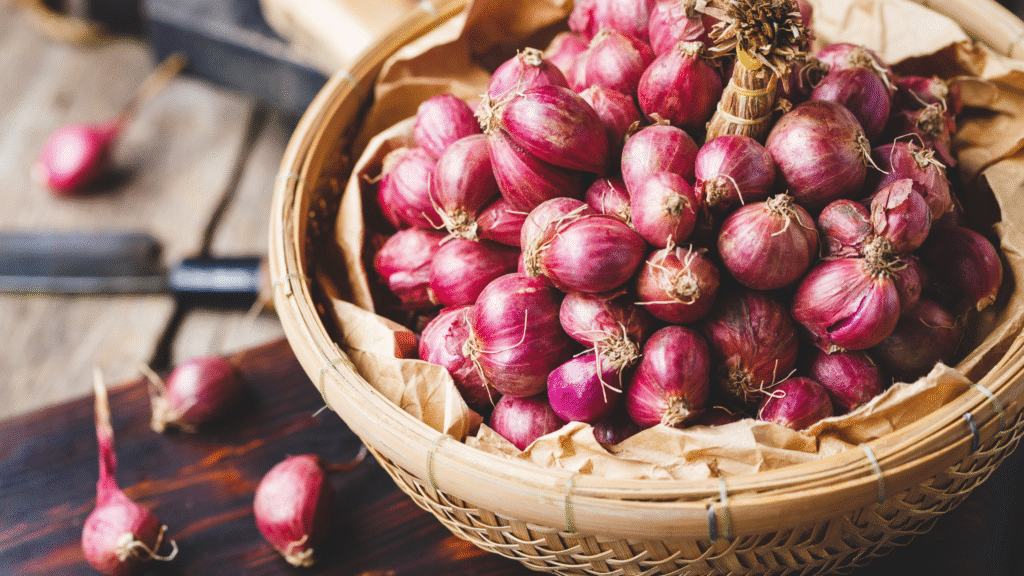 Onions can be grown from seeds, seedlings, or small bulbs known as sets. Each method has its advantages. Seeds are economical but take longer to mature. Seedlings and sets offer quicker results and are easier for beginners.
Planting depth and spacing play an important role. Onion roots are shallow, so planting too deep can slow growth. Proper spacing allows enough room for bulbs to expand and improves air circulation, which helps reduce disease risk.
Watering and nutrient care
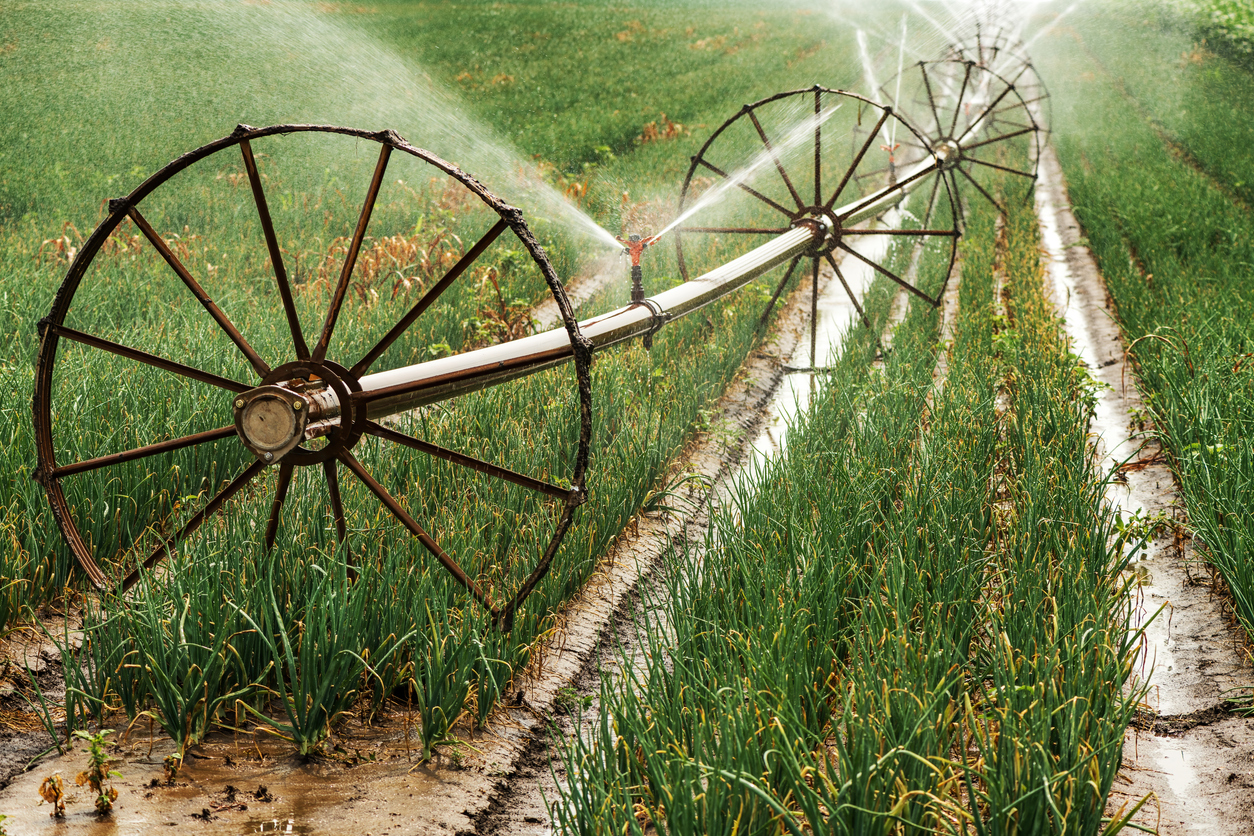
Consistent watering is important, especially during early growth. Onions need regular moisture to develop strong roots and healthy leaves. However, overwatering should be avoided, as it can lead to fungal problems.
As the bulbs begin to form, watering should be adjusted carefully. Excess moisture at this stage may affect storage quality later. Balanced fertilisation helps support steady growth, but too much nitrogen can result in more leaves and smaller bulbs.


Managing weeds and pests
Onions do not compete well with weeds, especially in the early stages. Regular weeding helps ensure that nutrients and moisture are available to the crop. Mulching can also help  reduce weed growth while maintaining soil moisture.
Common pests and diseases can affect onion crops if not monitored. Observing plants regularly allows early detection of issues. Many growers rely on traditional methods combined with practical solutions to maintain crop health without harming soil balance.
Knowing when onions are ready
Onions signal their readiness through their leaves. When the tops begin to yellow and fall over naturally, it usually means the bulbs have reached maturity. This  stage is important, as harvesting too early can reduce size, while delaying harvest may affect storage life.
Once harvested, onions should be cured properly. Drying them in a well-ventilated area helps strengthen the outer skin, making them suitable for storage and transport.
Storage and everyday use
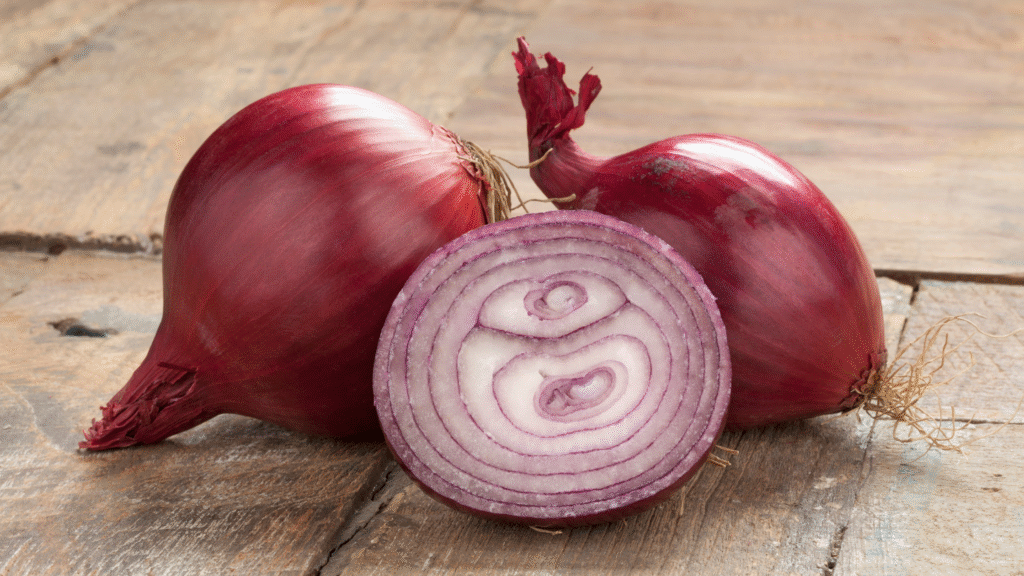 Properly cured onions can be stored for several months in a cool, dry place. Good airflow prevents moisture buildup and spoilage. This long storage life is one reason onions have been a staple in households for generations.
Onions are used daily in cooking, adding depth and flavour to dishes. They pair naturally with vegetables, grains, and proteins, making them an essential ingredient across cuisines. In many homes across fruits india producing regions, onions remain one of the most relied-upon crops.
Role of onions in farming and trade
Onions are not just grown for local consumption. They are traded widely due to their steady demand and 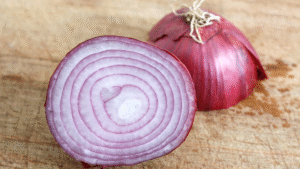 storage ability. Quality, size, and uniformity play a major role in determining market value.
Farmers growing onions often benefit from reliable trade channels that help them reach wider markets. Onions grown in india fruits belts are supplied both domestically and internationally, supporting farm incomes and food supply chains.
How Vipra Overseas supports agro exports
 Strong export partners help connect growers with global buyers. Vipra Overseas supports the export of a wide range of agro products. Their export portfolio includes fresh fruits, fresh vegetables, beans, frozen products, spices, and grains.
By focusing on quality checks, proper packaging, and efficient logistics, Vipra Overseas helps ensure that produce like onions reaches international markets in good condition. Their work allows farmers to focus on cultivation while buyers receive consistent quality, strengthening trust across borders.
A crop that rewards simple care
Growing onions does not require complex techniques. With basic attention to soil, water, and timing, onions can thrive in both small gardens and large farms. Their adaptability makes them suitable as a home vegetable as well as a commercial crop.
From planting to harvest, onions reflect the value of patience and observation in agriculture. Their presence in kitchens and markets across regions connected to india fruits and vegetable production shows how a simple crop can play a big role in everyday life and global trade.
Conclusion
Growing capsicum successfully requires attention to soil quality, climate, watering, and harvesting practices. Each stage of cultivation contributes to fruit quality and yield. With careful management and strong export support from companies like Vipra Overseas, capsicum grown on Indian farms continues to meet domestic needs and international demand. When handled correctly, capsicum farming remains a reliable and rewarding agricultural option.