
How Dry Red Chillies Became a Staple in Indian Cooking
Walk into any Indian kitchen, and you’ll find bunches of dry red chillies hanging near the stove or stored in glass jars. These crimson pods have become so integral to our cooking that it’s hard to imagine Indian food without them. Yet, dry red chillies weren’t always part of our culinary heritage. Their journey from foreign shores to becoming a cornerstone of Indian cuisine is a fascinating tale of adaptation, innovation, and cultural evolution.
The Flavours That Came Before
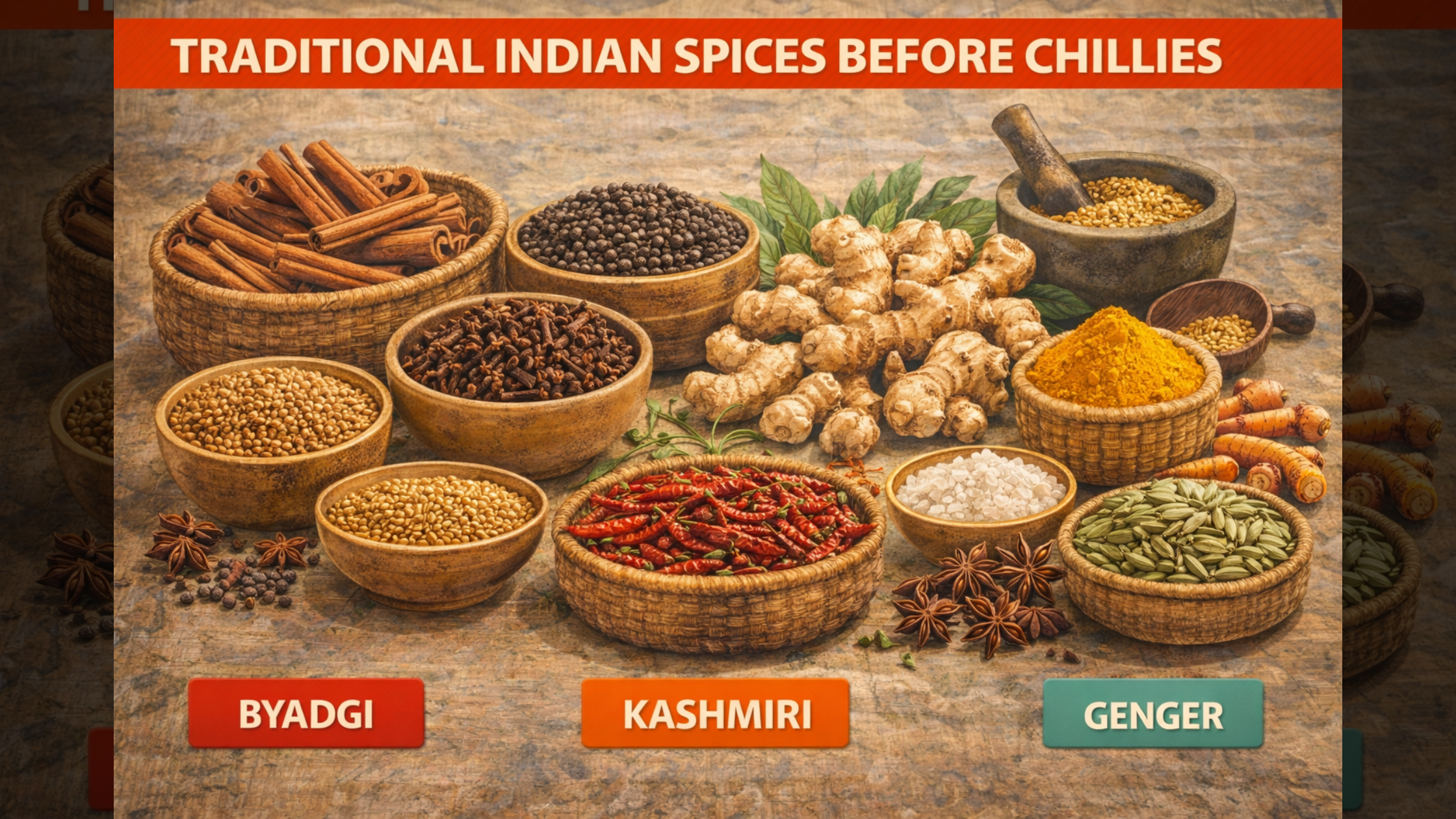
Before the 16th century, Indian cooks relied on black pepper, long pepper, and ginger to add heat to their dishes. Ancient Sanskrit texts mention these spices extensively, along with descriptions of various preparations using indigenous ingredients. Kitchens across the subcontinent made use of local produce, combining indian vegetables with aromatic spices to create complex flavours. Different fruits were also preserved and used in cooking, particularly in chutneys and pickles that accompanied daily meals.
The heat in traditional dishes came primarily from peppercorns, which were native to the Western Ghats. These were precious commodities, traded along ancient routes that connected India to the Mediterranean world. Our ancestors developed sophisticated techniques for using these spices, creating masalas and seasoning blends that formed the foundation of regional cuisines.
The Portuguese Connection
Everything changed when Portuguese traders arrived on Indian shores in the late 15th century. They brought with them chilli plants from the Americas, where these fiery pods had been cultivated for thousands of years. The Portuguese established trading posts along the western coast, and it was here that chillies first took root in Indian soil.
The introduction happened gradually, with coastal communities being the first to experiment with these new plants. The warm, humid climate of regions like Goa, Kerala, and Karnataka proved ideal for chilli cultivation. Within a few decades, farmers began growing chillies alongside other crops, recognizing their resilience and versatility.
The Transformation Through Drying
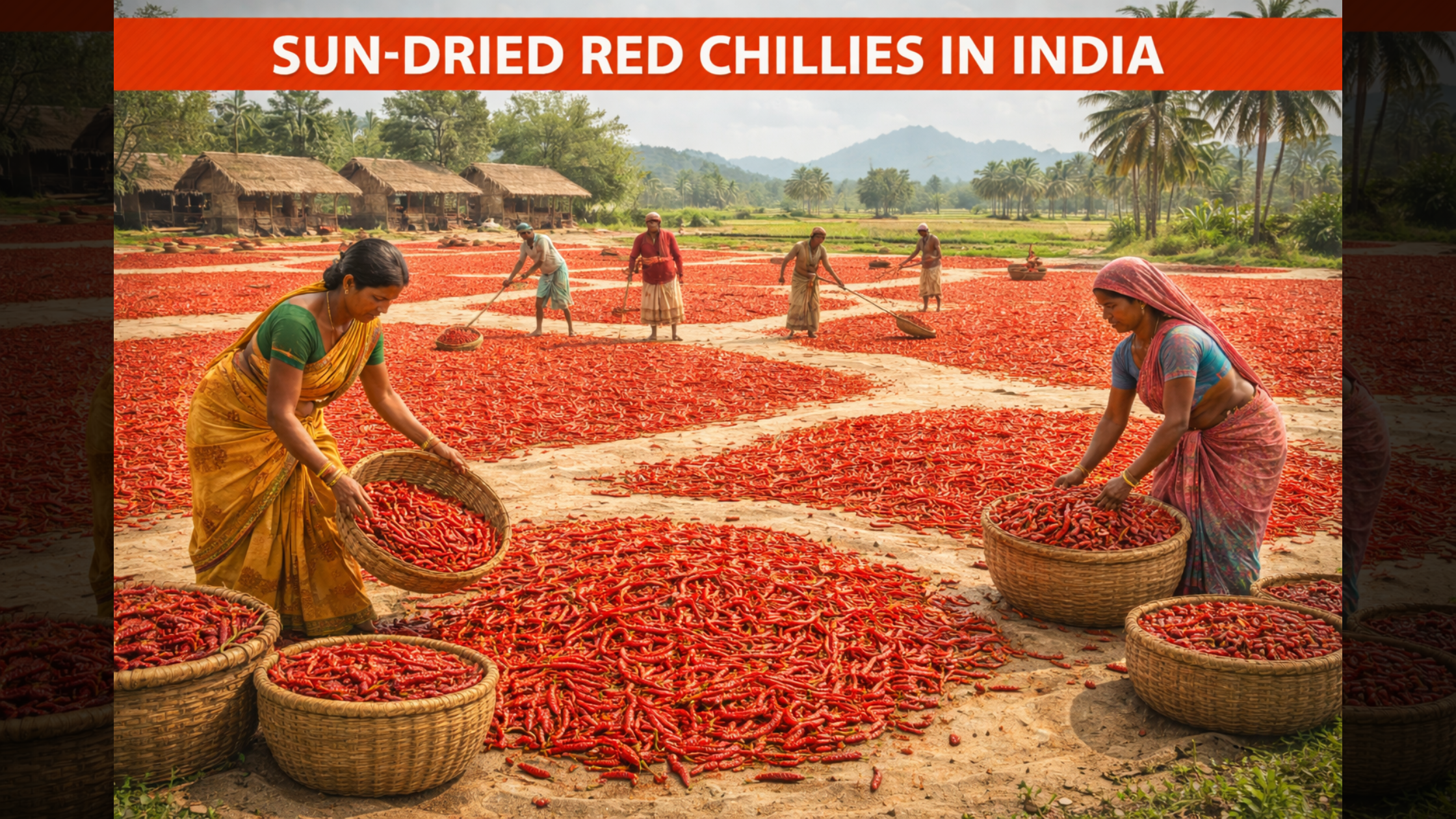
Fresh chillies were useful, but they had a short shelf life in India’s tropical climate. The practice of sun-drying transformed chillies from a seasonal ingredient into a year-round staple. Indian farmers and homemakers adapted traditional preservation techniques, laying out harvested chillies under the sun until they became brittle and deep red.
This drying process concentrated the flavours and heat while making the spice easy to store and transport. Dried chillies could be kept for months without refrigeration, a crucial advantage in pre-industrial India. The portability of dry red chillies meant they could travel from farms in rural areas to urban markets, and eventually to kitchens across social and economic strata.
Regional Adoption and Innovation
Different regions of India embraced dry red chillies in unique ways. In Andhra Pradesh and Telangana, cooks developed guntur chillies known for their vibrant colour and intense heat. Tamil Nadu favoured varieties that balanced heat with flavour, using them in sambar and rasam. The cool climate regions of Kashmir adapted chillies too, creating the famous Kashmiri variety prized for its brilliant red hue and mild heat.
Each community integrated dry red chillies into their existing culinary traditions. Bengali kitchens used whole dried chillies sparingly in their subtle fish curries, while Punjabi cooks ground them into robust masalas. The diversity of indian vegetables prepared across regions found a common thread in the use of these dried pods, which enhanced rather than overwhelmed local flavours.
The Art of Tempering
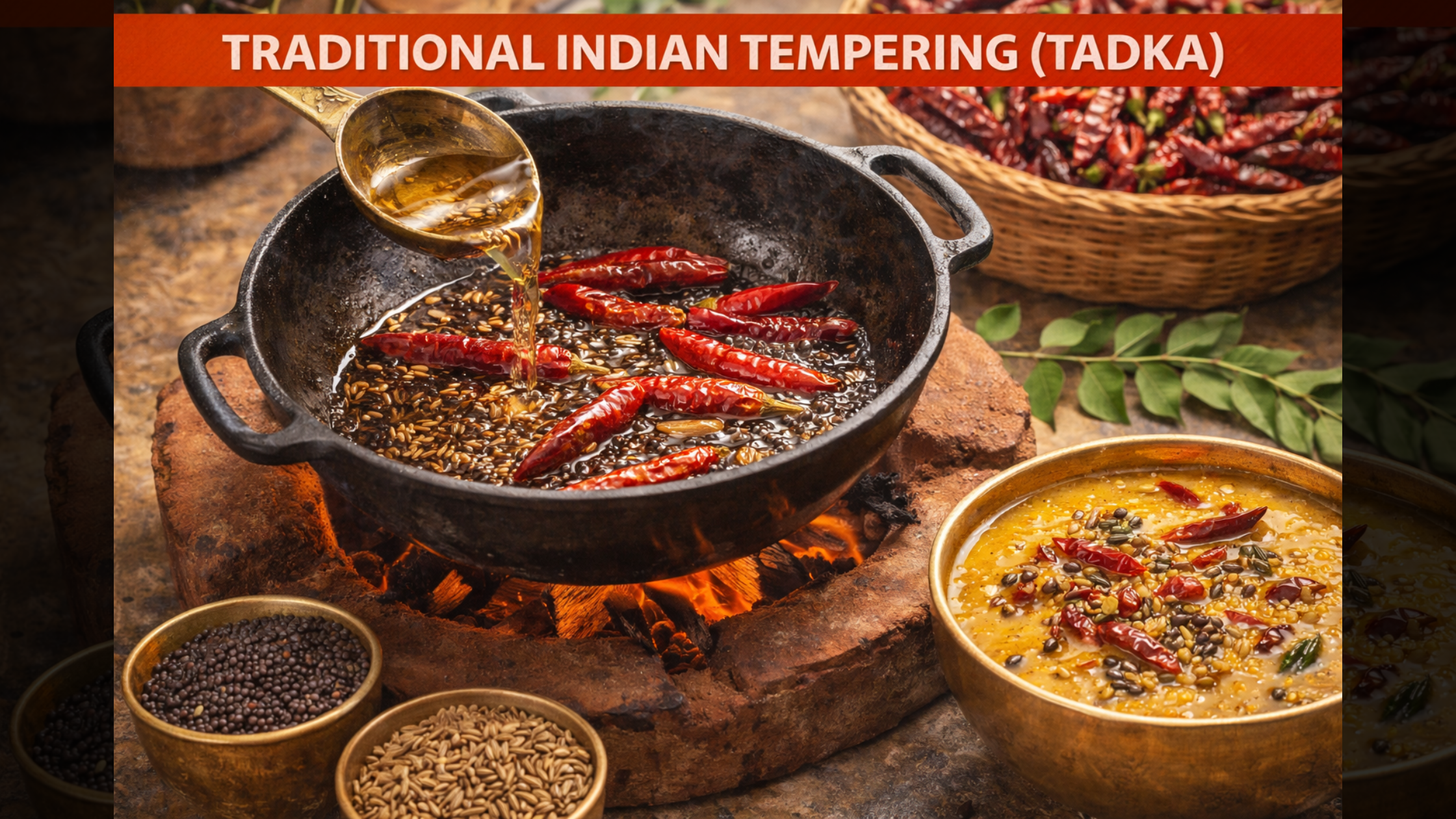
Perhaps nowhere is the magic of dry red chillies more evident than in the practice of tempering, or tadka. This technique involves heating oil or ghee and adding whole dry red chillies along with other spices. The chillies crackle and release their essential oils, infusing the cooking fat with warmth and aroma.
Regional variations of tempering showcase the versatility of dry red chillies. South Indian cooks combine them with mustard seeds and curry leaves, while North Indian recipes pair them with cumin and asafoetida. This simple technique became a defining characteristic of Indian cooking, crossing regional and linguistic boundaries.
Spice Blends and Masalas
Dry red chillies became essential in countless spice blends. Garam masala, sambar powder, rasam powder, and countless regional masalas rely on carefully chosen varieties of dried chillies. Spice grinders perfected the art of roasting and grinding these chillies with other ingredients to create balanced, complex flavours.
The texture of ground dry red chillies added depth to curries and gravies. Unlike fresh chillies, which can make dishes watery, dried and ground chillies thickened sauces while contributing colour and heat. This quality made them indispensable in the preparation of meat dishes, vegetable curries, and lentil preparations.
Cultural and Seasonal Significance
Beyond their culinary use, dry red chillies took on cultural importance. Farmers would hang clusters of chillies at doorways to ward off evil spirits, a practice that continues in many parts of rural India. The harvest season became a time of celebration, with families gathering to process and store their chilli crop.
The preservation of chillies through drying connected to broader patterns in Indian food culture. Just as different fruits were dried, pickled, or preserved to extend their availability, chillies underwent transformation to serve kitchens throughout the year. This reflected the wisdom of working with seasonal rhythms while ensuring continuity of supply.
Farm to Kitchen Connection
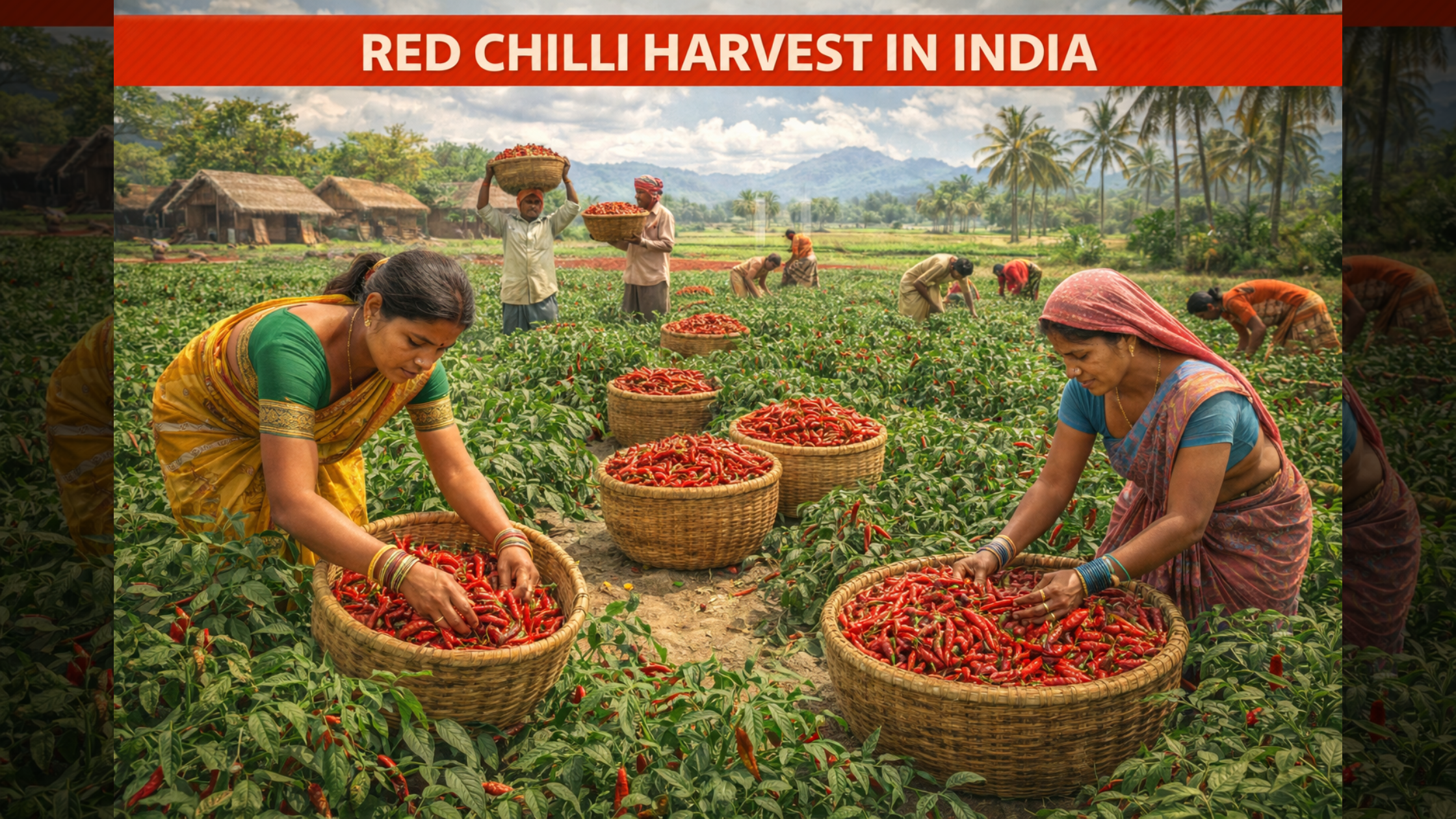
The cultivation of dry red chillies remains an important agricultural activity across India. Small farmers in states like Karnataka, Andhra Pradesh, and Madhya Pradesh dedicate significant portions of their land to chilli farming. The crop fits well into traditional farming systems, requiring less water than many fruits india produces, and offering good returns when market conditions are favourable.
Farmers have developed expertise in selecting seeds, managing pests, and timing harvests to maximize both yield and quality. The drying process itself requires skill—chillies must be protected from rain while getting adequate sun exposure. Too much moisture leads to mould, while over-drying makes them brittle and reduces their market value.
Global Recognition and Modern Export
Indian dry red chillies have gained international recognition for their quality and variety. Dishes like vindaloo, chettinad chicken, and andhra chilli chicken have introduced global audiences to the depth and complexity that these spices bring to Indian cuisine. Food enthusiasts worldwide now seek authentic Indian chillies for their cooking.
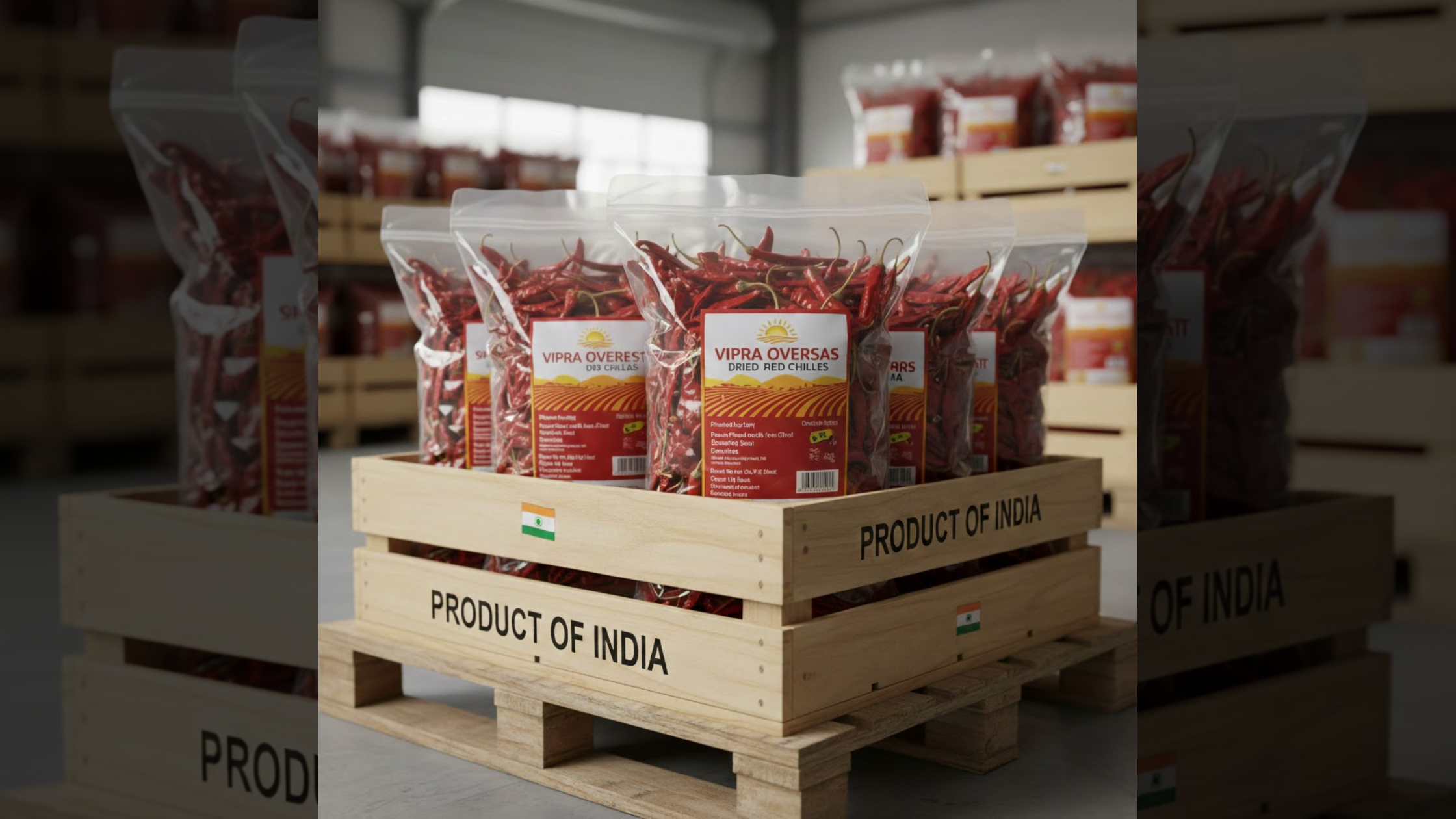
This global demand has created opportunities for agricultural exporters who can meet international quality standards while preserving the authentic characteristics of Indian chillies. Companies like Vipra Overseas play a crucial role in connecting Indian farms to global markets, handling the export of premium agro products including fresh fruits, fresh vegetables, beans, frozen products, spices, and grains. Their expertise ensures that the finest dry red chillies and other agricultural produce reach international customers while maintaining the quality and authenticity that Indian farming traditions represent.
Professional exporters understand the nuances of different chilli varieties, proper packaging for long-distance transport, and the documentation required for international trade. They work directly with farmer cooperatives and agricultural communities, ensuring fair pricing while meeting the stringent quality requirements of overseas buyers.
A Timeless Ingredient
From their arrival as foreign curiosities to becoming irreplaceable in Indian kitchens, dry red chillies have undergone a remarkable transformation. They adapted to our climate, merged with our cooking techniques, and became woven into the fabric of our culinary identity. Today’s Indian cook, whether preparing a simple dal or an elaborate feast, reaches for these crimson pods with the same confidence that previous generations reached for indigenous spices.
The story of dry red chillies in Indian cooking reflects our ability to embrace new ingredients while staying rooted in tradition. They didn’t replace our existing spice heritage but enriched it, adding new dimensions of flavour and possibility. As Indian cuisine continues to evolve and spread globally, dry red chillies remain a constant—a bridge between our agricultural heritage and our culinary future, between local farms and international tables, between the past and the present.