
Harvesting Tips For Grapes
Introduction
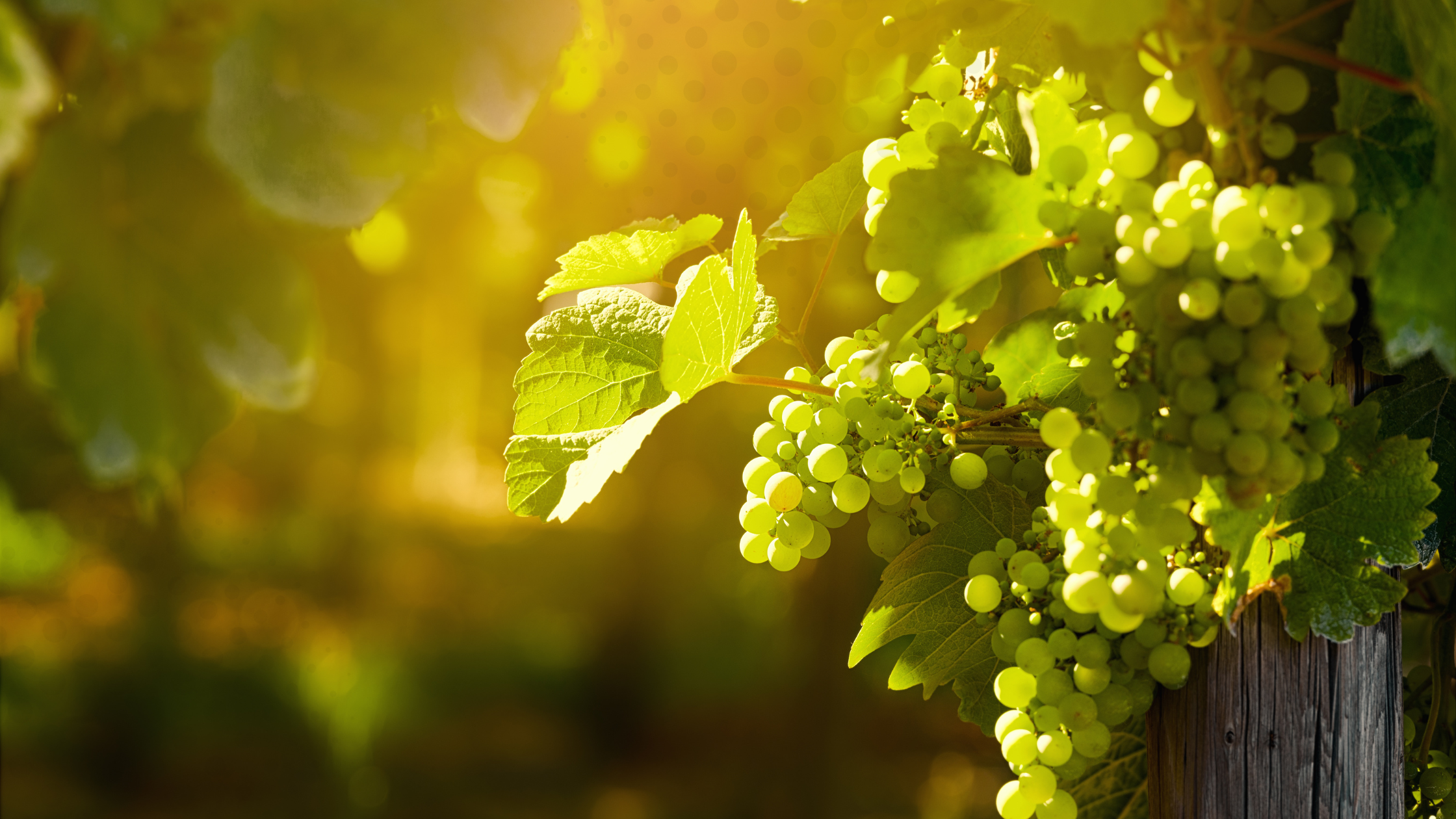 Grapes are among the most delicate and rewarding fruits to grow. Their taste, texture, and quality depend greatly on how and when they are harvested. A well-grown crop can lose its value in just a few hours if harvesting is rushed or poorly managed. On the other hand, careful timing and gentle handling can protect flavor, freshness, and shelf life. Harvesting grapes is not just a final step—it is the moment when months of effort are either preserved or lost. This guide walks through essential tips that help ensure grapes reach their full potential at harvest.
Understanding the Right Time to Harvest
Watching the Color Change
One of the first signs that grapes are nearing  maturity is the change in color. Green varieties begin to show a lighter yellow shade, while red and black varieties deepen into strong, rich tones. This color shift shows that sugars are developing and acids are settling into balance.
Checking Taste and Texture
Taste is one of the most reliable indicators of readiness. Fully matured grapes carry balanced sweetness without sharp bitterness. The skin should feel smooth and firm, and the berries should come off the stem with ease when gently twisted.
Sugar and Acidity Balance
Many growers rely on simple field tools to measure sweetness and acidity. This balance matters greatly for table grapes, juice processing, and wine production. Harvesting too early leads to flat flavor, while waiting too long risks spoilage.
Preparing for Harvest Day
Choosing the Right Time of Day
Early morning is considered the best time  for grape harvesting. The fruit remains cool, firm, and less prone to damage. Heat during midday can soften the berries and cause faster moisture loss.
Using Clean and Sharp Tools
Sharp pruning shears reduce tearing and bruising. Dirty tools can spread disease from one vine to another. Cleaning tools before harvest protects both vines and fruit quality.
Training the Harvest Crew
Every person involved in harvesting should understand how gently grapes must be handled. Rough handling leads to crushed berries, juice leakage, and faster decay during transport.
Harvesting Methods That Protect Quality
Hand Harvesting for Table Grapes
Hand harvesting is  preferred for grapes meant for fresh markets. This method allows careful selection of only fully mature clusters while leaving underdeveloped ones behind for later.
Mechanical Harvesting for Large Vineyards
Large growers sometimes use machines to speed up the process. While this method saves time, it is more suited to grapes meant for processing rather than fresh consumption.
Avoiding Overfilled Containers
Grapes should never be stacked under heavy weight. Overfilled boxes crush fruit at the bottom and speed up spoilage. Smaller, breathable containers protect structure and reduce pressure damage.
Handling Grapes After Harvest
Immediate Cooling
Cooling grapes as soon as 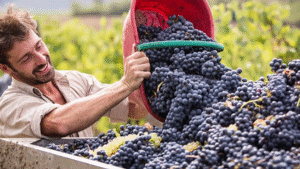 they are picked helps slow down moisture loss and keeps the berries firm. Delayed cooling leads to faster softening and reduced shelf life.
Sorting and Grading
After harvest, grapes should be sorted to remove damaged, diseased, or broken clusters. Clean grading improves market value and helps maintain uniform quality.
Safe Transportation
Grapes should be transported in well-ventilated vehicles that maintain stable temperature. Heat buildup during travel can undo all the careful work done during harvest.
Common Mistakes to Avoid
Many losses happen not in the field but due to 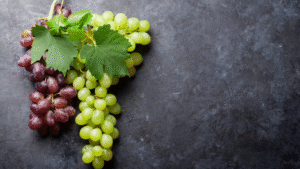 simple errors. Harvesting during wet weather increases the risk of fungal growth. Pulling grapes instead of cutting damages vine structure. Storing harvested grapes in direct sunlight reduces quality quickly. Avoiding these mistakes helps protect both yield and income.
Seasonal Planning and Harvest Cycles
Grapes mature at different times depending on variety, region, and climate conditions. Some ripen early in the season, while others mature later during warmer months. Understanding these cycles allows better labor management and market planning.
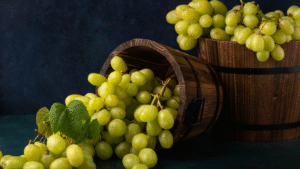 Regions where farmers agri activity is high often coordinate harvesting schedules across multiple farms to manage labor demand and market supply better. In areas with expanding fruits farms, organized harvest planning helps reduce waste and improves overall distribution. Through steady growth in agric farm networks, grape supply chains continue to improve with better storage and transport systems.
Why Harvesting Skill Matters So Much
Harvesting is not a mechanical routine—it is a skill developed through experience. Every cut, every step, and every container matters. A vineyard may take years 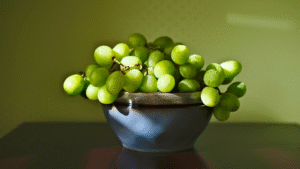 to mature, but a careless harvest can undo that effort in a single day. Growers who focus on harvest discipline often find their grapes command better prices and stronger buyer trust.
Conclusion
Harvesting grapes is a careful balance of timing, technique, and gentle handling. From watching color changes and tasting ripeness to cooling and transportation, each step plays a final role in determining fruit quality. Whether grapes are meant for fresh markets, juice, or further processing, the care taken at harvest defines their final value. With patience, preparation, and simple discipline, growers can protect the reward of their hard work and deliver grapes that truly reflect the effort behind them.