
Understanding Export Price Movements in the Spice Trade
Price trends serve as critical indicators for businesses involved in international trade. For exporters and bulk buyers dealing in Indian spices, particularly Guntur chilli powder, tracking price movements helps in procurement planning, contract negotiation, and risk management. The year 2025 brings unique challenges and opportunities shaped by global demand patterns, regional production cycles, and evolving quality standards in agricultural commodities.
Guntur chilli powder has maintained its position as a premium export product from India, valued for its distinctive heat levels, vibrant colour, and consistent quality. Understanding the forces that drive pricing helps stakeholders make informed decisions in an increasingly competitive global spice market.
Global Market Position of Indian Red Chilli
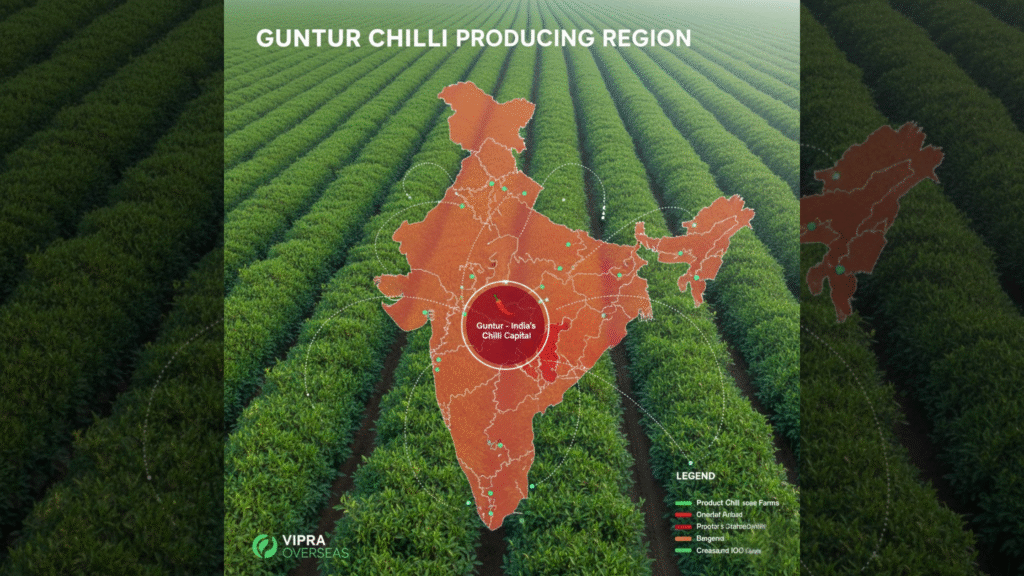
Guntur, located in Andhra Pradesh, operates as Asia’s largest red chilli trading hub. The region’s chilli powder commands premium pricing in international markets due to specific characteristics including high capsaicin levels and colour value measured on the ASTA scale. Major importers include Bangladesh, Sri Lanka, Middle Eastern countries, Southeast Asian nations, and increasingly, Western markets seeking natural food colouring agents and spice blends.
APEDA registered spice exporters have reported sustained demand across multiple grade categories. The powder derived from Guntur chilli varieties finds applications beyond culinary use, extending into pharmaceutical preparations, cosmetic formulations, and industrial applications. This diversified demand base creates pricing stability compared to single-use agricultural products.
Production Dynamics and Regional Supply Factors
Crop yield remains the fundamental driver of price volatility. The 2024-25 growing season experienced varied conditions across Andhra Pradesh and neighbouring states. Monsoon patterns, irrigation availability, and pest management outcomes directly influence harvest volumes. When production falls below average, prices typically strengthen, whereas bumper crops tend to soften rates.
Regional supply chains also play a role. The concentration of processing units, grading facilities, and storage infrastructure around Guntur creates efficiency in the supply chain. However, competition from other producing regions within India and neighbouring countries can influence pricing dynamics. Telangana and Karnataka have expanded cultivation in recent years, adding to overall domestic supply.
International Demand Patterns Shaping Price Trajectories
Demand from traditional markets remains robust, but emerging consumption patterns are reshaping the trade landscape. Health-conscious consumers in developed markets increasingly favour natural spices over synthetic alternatives, driving premium segment growth. The global spice market trends indicate rising per capita consumption in urban centres across Asia, Africa, and Latin America.
Contract farming arrangements and advance booking commitments from international buyers provide some price floor during periods of abundant supply. Export quality chilli powder with FSSAI compliance for spices and proper certification commands higher realisations compared to generic grades. Buyers willing to pay premium rates for trace-free, organic, or specific heat-level products create segmented pricing within the broader market.
Quality Parameters and Their Pricing Impact
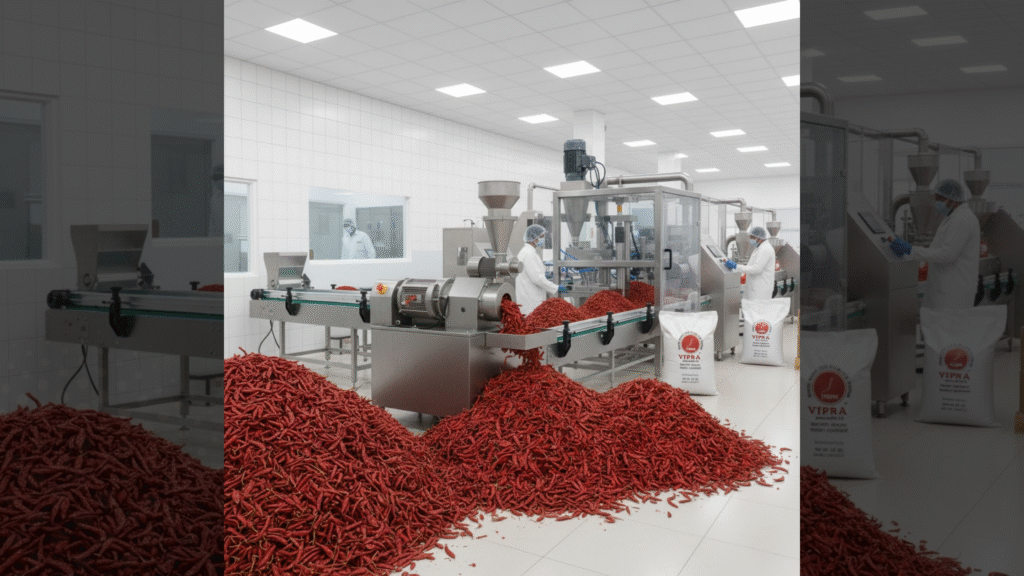
Processing methods significantly affect final pricing. Stone-ground powder, steam-sterilised variants, and specific mesh sizes cater to different market requirements. ASTA colour chilli powder, which measures colour intensity, typically attracts 15-25% premium over standard grades. Similarly, products with certified capsaicin content ranges command better rates in pharmaceutical and nutraceutical segments.
Grading practices involve assessment of moisture content, foreign matter, extraneous material, and microbial load. Stringent quality control increases processing costs but enables access to premium markets with higher price points. The chilli powder HS code classification and proper spice export documentation ensure smooth customs clearance and maintain buyer confidence.

Logistics and Currency Effects on Export Pricing
Freight rates have shown considerable volatility over recent years. Container availability, shipping route congestion, and fuel cost fluctuations directly impact delivered costs to international destinations. Exporters must factor these variables into their pricing strategies, often building flexibility clauses into supply agreements.
Currency exchange rate movements between the Indian rupee and major trading currencies create additional complexity. A stronger rupee reduces competitiveness in price-sensitive markets, while depreciation improves export realisations in domestic currency terms. Hedging strategies and forward contracts help manage this risk, though smaller exporters may have limited access to sophisticated financial instruments.
Price Outlook Analysis for the Current Year
Current market indicators suggest moderate pricing environment for Guntur chilli powder exports through 2025. Adequate opening stocks from the previous season provide buffer against supply shocks. Production estimates indicate normal to above-average yields barring unforeseen weather disruptions.
On the demand side, sustained requirements from established buyers and gradual recovery in global economic conditions support stable off-take. However, competition from alternative sourcing destinations and price sensitivity in certain market segments may cap significant upward movement. The Indian spice export forecast prepared by trade associations projects steady volume growth with modest price appreciation.
Strategic buyers are showing interest in advance contracting to secure supplies at predictable rates. This behaviour reflects learning from previous periods of sharp price volatility. The bulk spice export packaging sector has responded with innovative solutions that reduce logistics costs while maintaining product integrity.
Value Addition Opportunities in Spice Trade
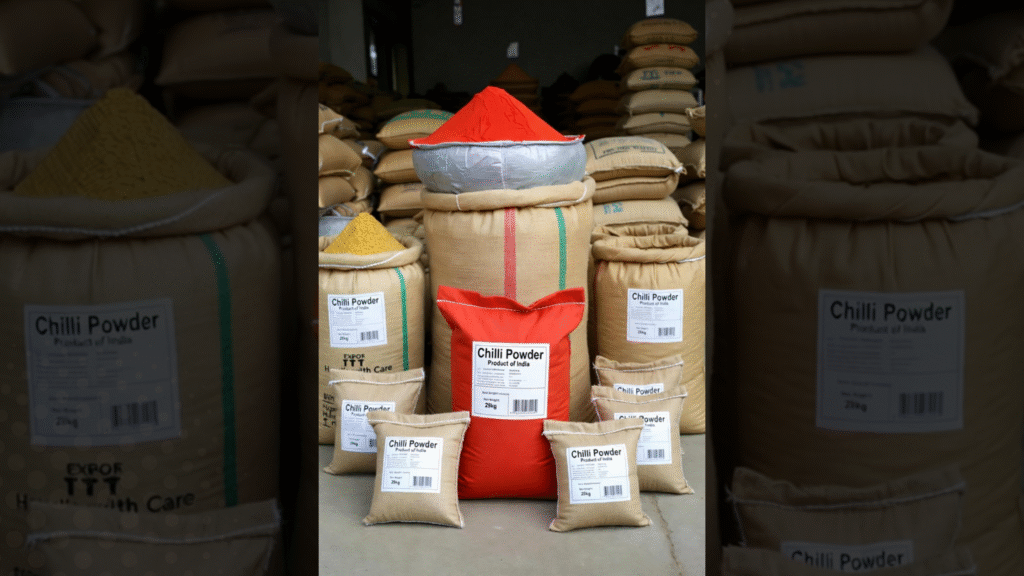
Beyond raw chilli powder, opportunities exist in value-added products including spice blends, ready-to-use masalas, and customised heat-level formulations. These segments offer better margins and reduced price competition. Exporters investing in product development, consumer packaging, and brand building can command premium positioning.
The integration of related agricultural products creates synergies. Companies handling multiple product categories can optimise logistics, share marketing expenses, and offer comprehensive solutions to international buyers. For instance, exporters dealing in spices alongside fresh produce, processed goods, or specialty items build stronger relationships with importers seeking reliable single-source suppliers.
This approach extends to diverse agricultural categories. Businesses involved with frozen vegetables and fruits benefit from established cold chain infrastructure that also serves processed spice products. Similarly, those supplying fruits home delivery services or managing vegetables products distribution networks can leverage existing market presence for spice trade expansion.
Comprehensive Agricultural Export Solutions
Vipra Overseas has established itself as a trusted partner for businesses seeking reliable agricultural exports from India. The company specialises in sourcing and exporting a wide range of products that meet international quality standards and regulatory requirements.
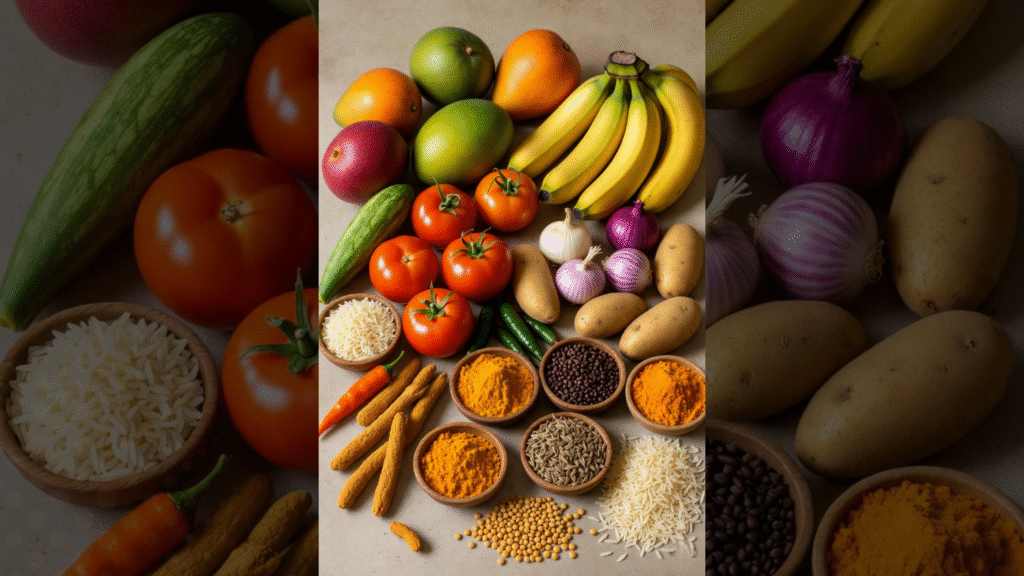
Their product portfolio includes fresh fruits such as mangoes, pomegranates, grapes, and bananas, sourced from premium growing regions across India. The fresh vegetables category encompasses onions, potatoes, tomatoes, okra, and specialty varieties demanded by international markets.
In the pulses segment, beans of various types including kidney beans, black beans, and chickpeas form part of their regular export offerings. The frozen products line covers frozen vegetables and fruits, processed and packaged to maintain nutritional value and taste during long-distance transportation.
Spices remain a core strength, with offerings spanning turmeric, coriander, cumin, cardamom, and of course, premium quality chilli powder including Guntur varieties. Their grains category includes basmati rice, non-basmati rice, wheat, and specialty grains catering to diverse consumer preferences.
Vipra Overseas maintains relationships with certified farmers, modern processing facilities, and quality assurance laboratories to ensure consistent product standards. Their understanding of international food safety regulations, documentation requirements, and logistics coordination makes them a preferred choice for importers across multiple continents.
Strategic Insights for Market Participants
Exporters should focus on building direct relationships with end-users rather than relying solely on intermediary channels. This approach improves margin retention and provides better market intelligence. Participation in international trade fairs, digital marketing initiatives, and buyer delegation meetings facilitates such connections.
Bulk buyers benefit from diversifying their supplier base while maintaining quality consistency. Long-term agreements with price escalation clauses linked to transparent indices protect both parties from extreme volatility. Due diligence on supplier credentials, including APEDA registration, FSSAI compliance for spices, and financial stability, reduces procurement risk.
Investment in traceability systems and sustainability certifications increasingly influences buyer decisions. Products with documented farm-to-export journey and environmental responsibility credentials access premium market segments. This trend will likely strengthen through 2025 and beyond as corporate sourcing policies evolve.
Concluding Perspectives on Market Dynamics
The Guntur chilli powder export market presents balanced prospects for 2025, with neither extreme bullishness nor significant bearishness warranted based on current fundamentals. Price stability around moderate levels appears most probable, barring unexpected disruptions to production or demand.
Successful navigation of this market requires attention to quality consistency, cost optimisation, relationship management, and regulatory compliance. Those combining product expertise with professional business practices will find opportunities for profitable engagement regardless of modest price fluctuations.
The broader Indian agricultural export sector continues its growth trajectory, driven by quality improvements, better infrastructure, and expanding global appetite for natural products. Whether dealing in spices, vegetables products, frozen vegetables and fruits, or fruits home delivery, the fundamental strength of Indian agriculture provides solid foundation for international trade activities.
Market participants who invest in understanding buyer requirements, maintaining quality standards, and building transparent supply chains will continue finding success in this dynamic and essential global trade sector.