
Growing and Drying Your Own Red Chillies at Home
There’s something deeply rewarding about walking into your kitchen, reaching for a jar of homemade dried red chillies, and knowing you nurtured those fiery pods from seed to spice. Growing your own red chillies transforms your relationship with food—it connects you to the soil, the seasons, and the ancient tradition of preserving flavours for year-round enjoyment. Whether you have a sprawling garden or just a sunny balcony, cultivating and drying red chillies at home is easier than you might think, and the results are incomparably fresh and flavorful.
Why Choose the Right Chilli Variety
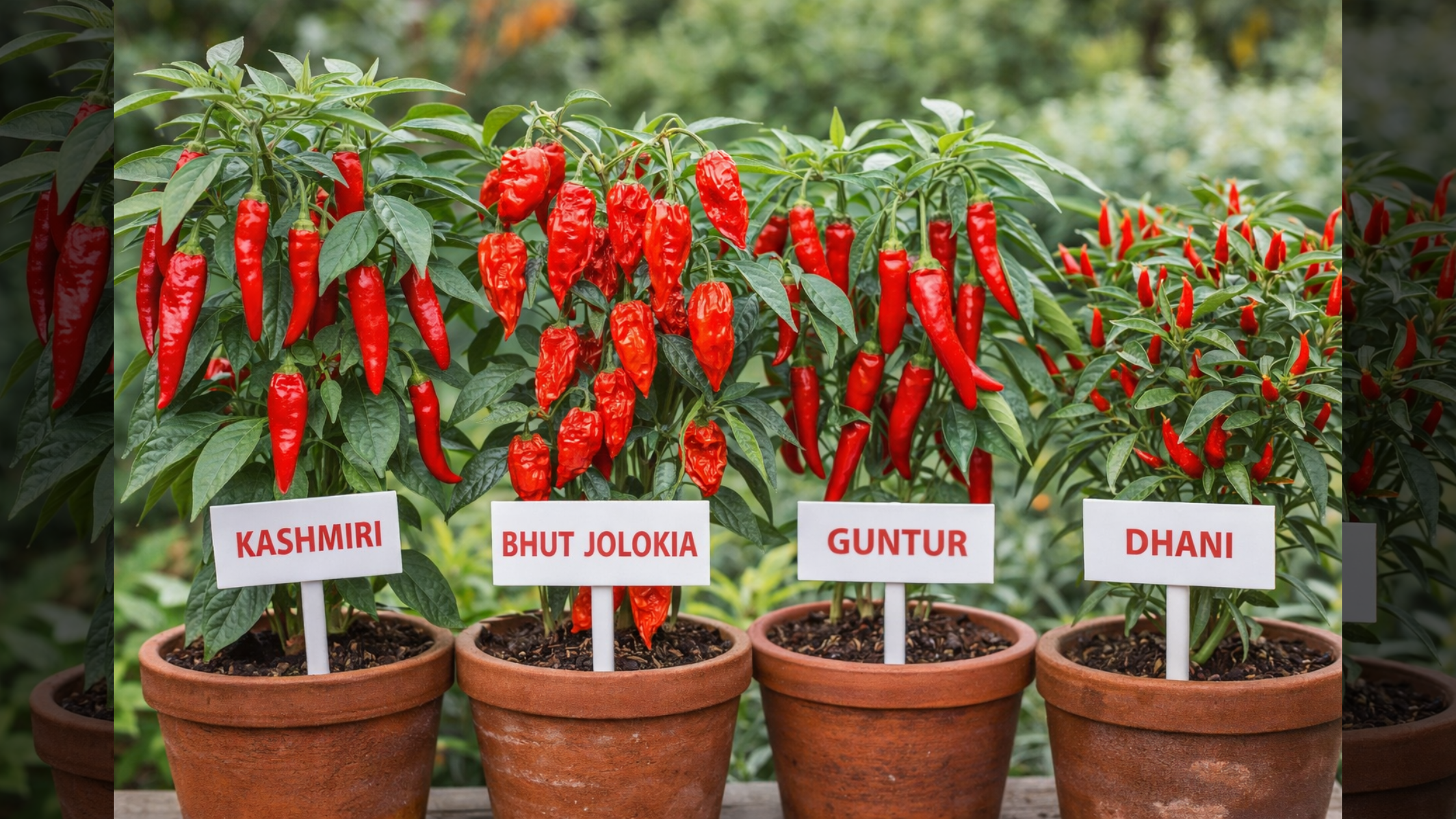
Not all chillies are created equal, especially when you’re aiming for the perfect dried spice. Indian varieties like Guntur, Byadgi, and Kashmiri chillies are ideal for home cultivation because they adapt well to different climates and offer excellent drying qualities. Guntur chillies bring intense heat, while Byadgi varieties contribute deep red colour without overwhelming spiciness. If you’re new to home chilli gardening, start with a variety that matches your heat tolerance and culinary preferences. Local nurseries often stock seeds suited to your region’s climate, making your growing journey smoother from the start.
Setting Up Your Growing Space
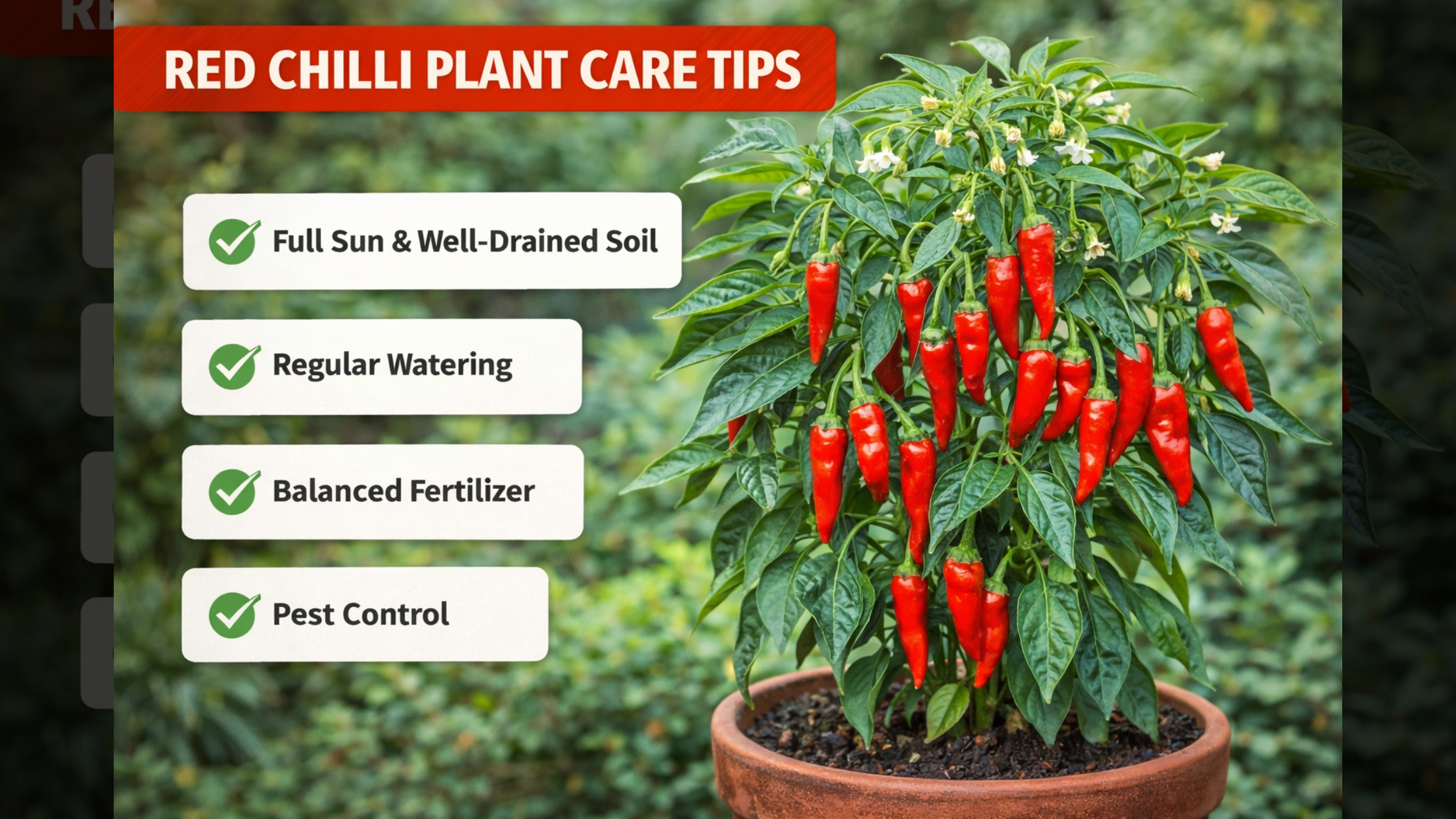
Red chilli plants thrive in warm, sunny conditions with well-draining soil. If you’re planting in containers, choose pots at least 12 inches deep to accommodate the root system. A quality potting mix enriched with organic compost provides the nutrients your plants need during their growing cycle. Position your pots or garden beds where they’ll receive 6-8 hours of direct sunlight daily. Good air circulation prevents fungal issues, so avoid overcrowding your plants. For those living in apartments, a south-facing balcony works wonderfully for chilli cultivation basics.
Planting and Nurturing Your Chilli Plants
Start seeds indoors about 8-10 weeks before the last expected frost, or purchase young seedlings if you prefer a head start. Plant seeds a quarter-inch deep in seed trays, keeping the soil consistently moist but never waterlogged. Once seedlings develop their second set of true leaves, transplant them into larger pots or your garden. Red chilli plant care involves regular watering—aim for deep watering twice weekly rather than daily shallow sprinkles. Feed your plants with a balanced fertilizer every two weeks during the growing season. Watch for pests like aphids and address them early with organic neem oil spray.
Recognizing Harvest-Ready Chillies
Patience is essential when growing red chillies at home. Most varieties take 70-90 days from transplanting to reach full maturity. Your chillies are ready for harvest when they’ve turned completely red and feel firm to the touch. The skin should have a glossy appearance without any green patches remaining. Chilli harvesting tips from experienced growers suggest cutting pods with scissors rather than pulling them, which can damage the plant. Harvest regularly to encourage continued production throughout the season.
Methods for Drying Red Chillies at Home
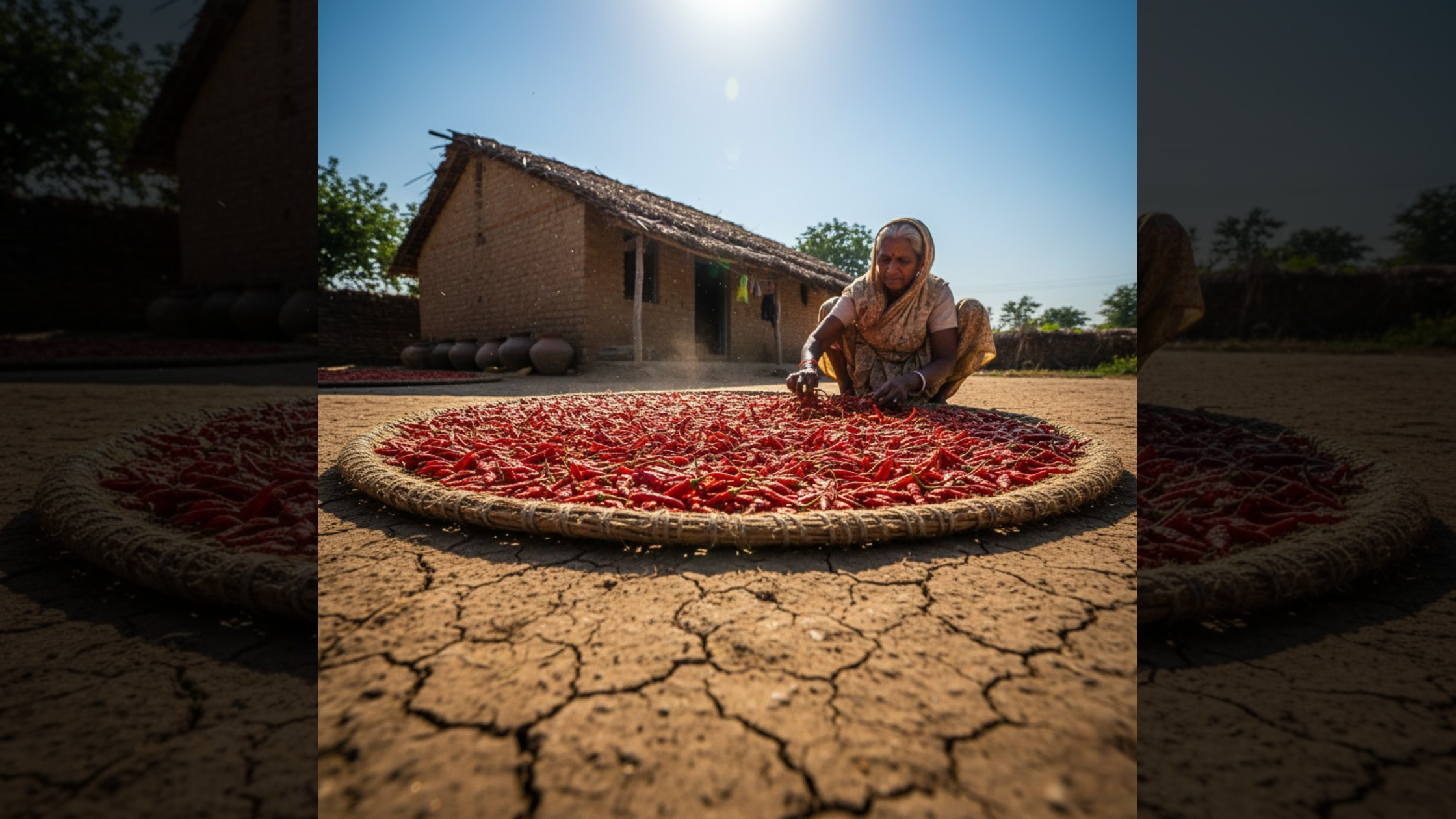
Sun drying red chillies remains the most traditional and cost-effective method. Spread your harvested chillies on clean cotton cloth or bamboo mats in direct sunlight, ensuring good spacing between pods. Turn them daily for even drying, which typically takes 5-7 days depending on humidity levels. Alternatively, air drying chillies at home works well in dry climates—string your chillies together and hang them in a well-ventilated area away from direct moisture. For faster results, use a food dehydrator set at 135°F for 8-12 hours. Oven drying at the lowest setting with the door slightly ajar also produces excellent homemade dry red chillies, though it requires careful monitoring to prevent scorching.
Preserving Your Dried Harvest
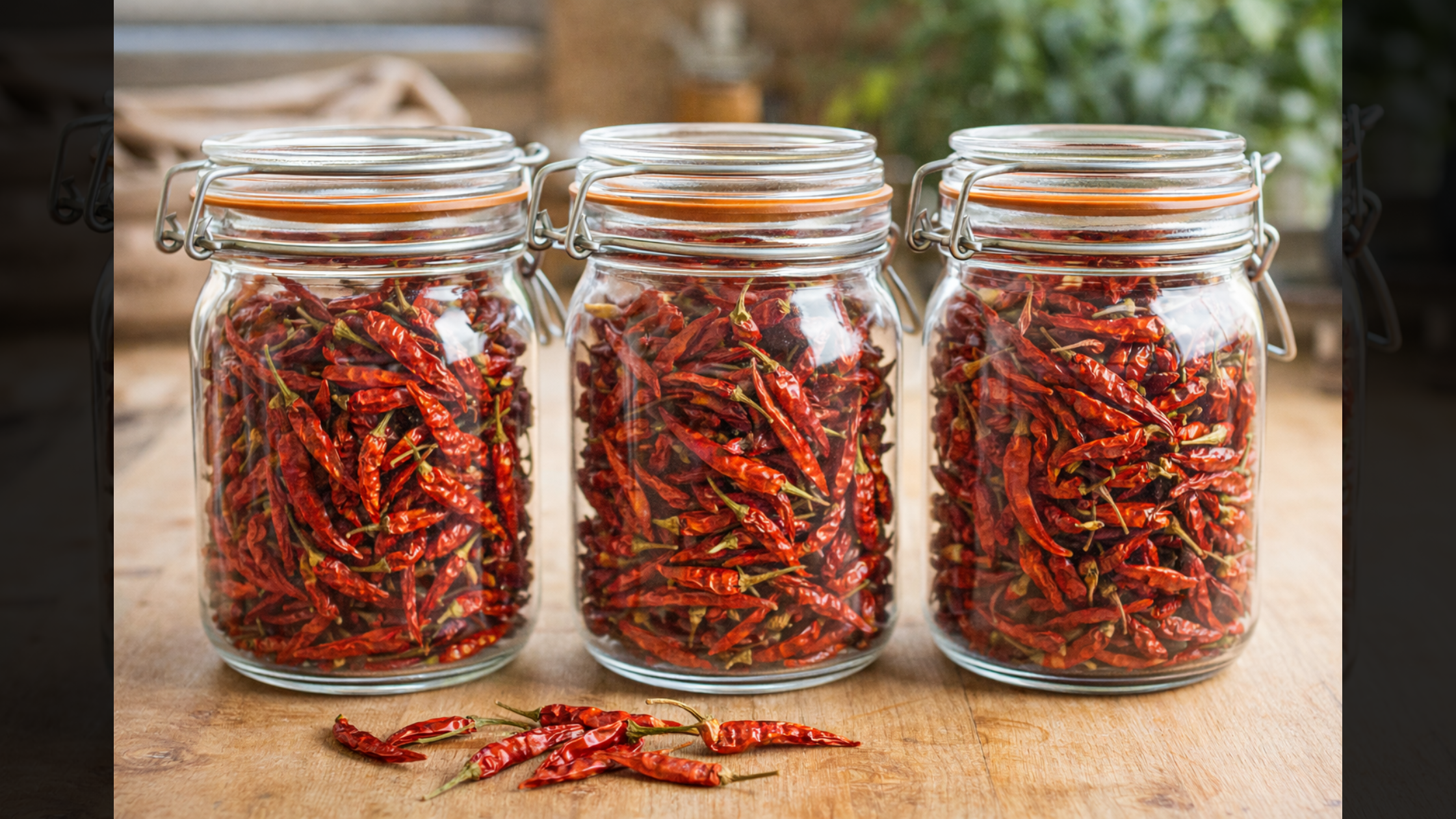
Properly dried chillies should snap cleanly when bent, with no moisture remaining inside. Store them whole in airtight glass jars kept in a cool, dark cupboard. Adding a small packet of food-grade silica gel helps prevent moisture absorption during storage. Chilli storage after drying determines how long your spice retains its vibrant colour and pungent heat. Well-preserved dried chillies maintain their quality for up to a year. Grind small batches as needed rather than powdering the entire harvest, as ground chilli loses potency faster than whole pods.
Common Pitfalls to Avoid
Beginners often make the mistake of harvesting too early, when chillies are still partially green. This results in inferior flavour and poor drying results. Overwatering is another frequent error that leads to root rot and fungal diseases. During the drying process, insufficient air circulation can cause mould growth, ruining your harvest. Avoid drying chillies in humid conditions or during rainy weather. When storing, never seal containers while chillies are still warm or slightly moist—this creates condensation that spoils your preserved spices.
Connecting Home Gardens to Global Food Systems
Growing your own spices offers a window into understanding farm to kitchen spices on a larger scale. When you experience the care required to produce even a small batch of quality dried chillies, you develop appreciation for agricultural professionals who cultivate these crops commercially. Home spice preparation teaches valuable lessons about seasonality, preservation, and spice quality and freshness. This knowledge becomes particularly relevant when considering how products move through global supply chains. Many households that start with small-scale cultivation eventually wonder about commercial possibilities, from local markets to international trade opportunities involving the import and export business.
How Professional Exporters Support the Spice Industry
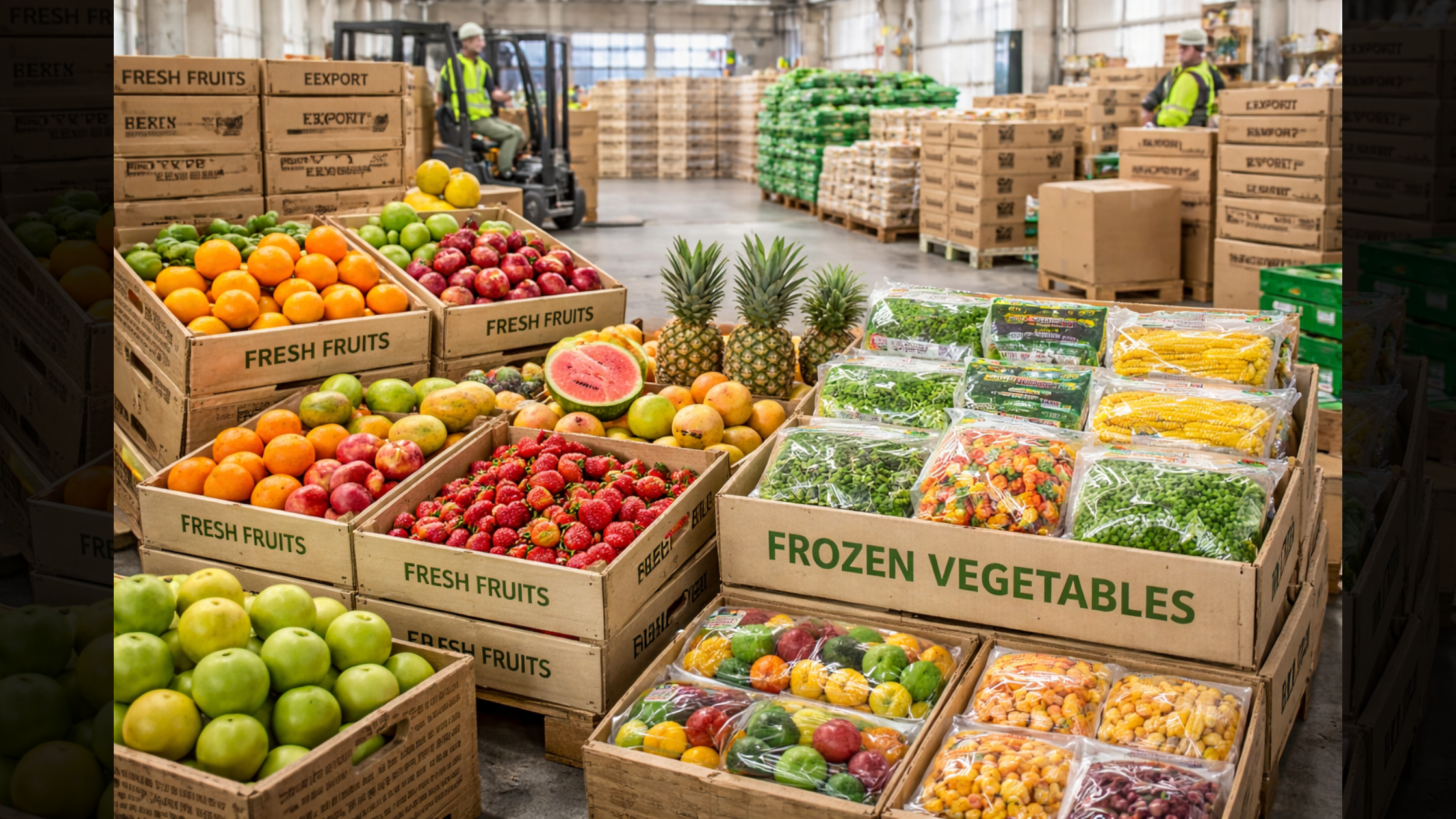
While home gardening satisfies personal needs, commercial agriculture operates on an entirely different scale. Companies like Vipra Overseas play a crucial role in bringing quality agricultural products from Indian farms to international markets. They specialize in exporting a diverse range including fresh fruits like pomegranates and mangoes, fresh vegetables such as onions and tomatoes, various beans including kidney beans and chickpeas, frozen vegetables that retain nutritional value, aromatic spices including the very red chillies you might grow at home, and nutritious grains. Their expertise in handling, packaging, and logistics ensures that products maintain freshness during international shipping. For farmers producing surplus yields, partnering with established exporters provides access to global markets and fair pricing. This connection between small cultivators and the import and export business creates opportunities for agricultural communities while satisfying international demand for authentic Indian products. The frozen products category particularly benefits farmers in remote areas, as freezing technology allows preservation of seasonal harvests for year-round distribution.
The Journey from Seed to Spice
Growing and drying your own red chillies at home transforms your understanding of food production. Each stage—from selecting seeds to storing the final product—offers lessons in patience, observation, and appreciation for agricultural traditions. Your homegrown chillies will taste distinctly different from store-bought varieties, carrying the unique characteristics of your soil, climate, and care. Share your harvest with friends and family, experiment with different varieties each season, and take pride in this ancient skill that connects modern home gardeners with generations of spice cultivators. The vibrant red pods hanging in your kitchen aren’t just seasoning—they’re a testament to your commitment to quality, sustainability, and the simple pleasure of growing your own food.
Whether you’re cultivating a few plants on your windowsill or managing a backyard patch, the principles remain the same: provide good soil, adequate sunlight, consistent care, and patient drying. The rewards extend far beyond the kitchen, offering therapeutic gardening time, educational opportunities for children, and a tangible connection to the broader agricultural world. Start small, learn from each season, and soon you’ll wonder how you ever managed without your personal supply of perfectly dried, intensely flavourful red chillies ready whenever your recipes demand that perfect kick of heat.