
How to Grow Capsicum
A colourful vegetable with steady demand
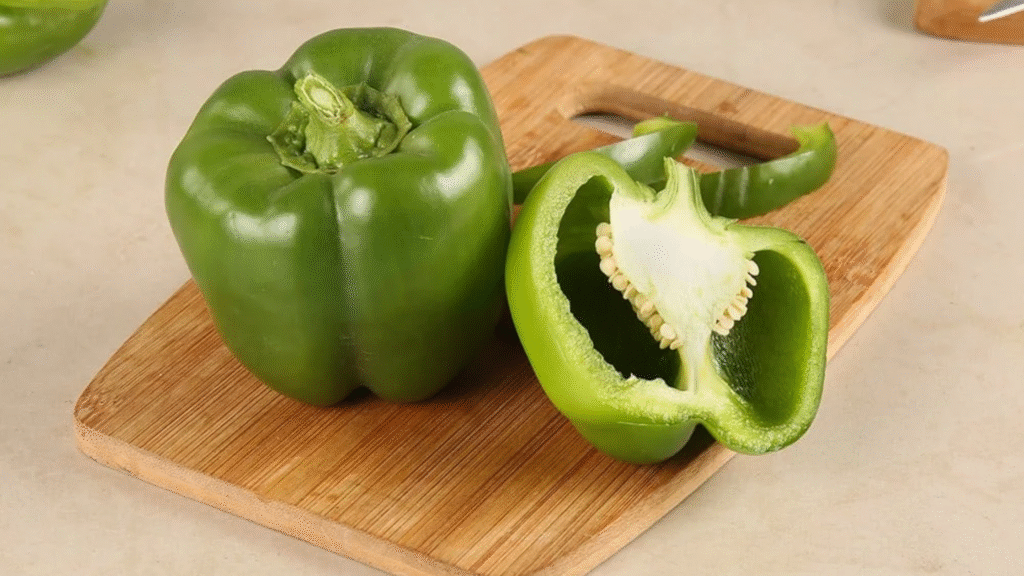
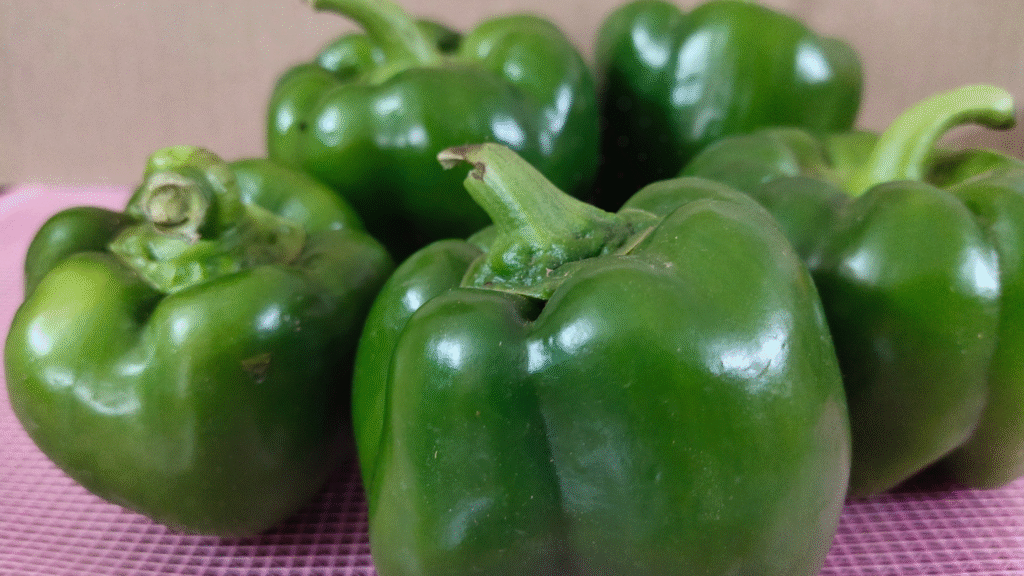 Capsicum, also known as bell pepper, has become a popular vegetable in both home kitchens and commercial farming. Its bright colours, mild taste, and crunchy texture make it suitable for a wide range of dishes. From simple stir-fries to salads and international recipes, capsicum fits easily into modern food habits.
Because of its consistent demand in local markets and global trade, many farmers choose capsicum as a reliable crop. With the right growing conditions and regular care, capsicum plants can produce good-quality fruits over a long period.
Understanding the right climate
Capsicum grows best in warm conditions with moderate humidity. It prefers temperatures that are neither too hot nor too cold. Extreme weather can affect flowering and fruit 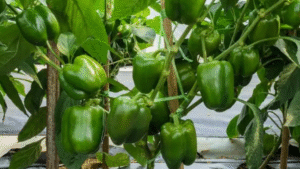 development, so stable conditions are important for healthy growth.
Good sunlight is essential, but plants should also be protected from harsh heat. Many growers use shade nets or controlled environments to maintain balanced conditions, especially in regions with unpredictable weather.
Soil preparation for healthy plants
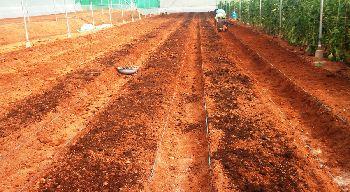
Well-prepared soil plays a major role in capsicum cultivation. The soil should be loose, fertile, and well-drained. Heavy or waterlogged soil can damage roots and slow plant growth.
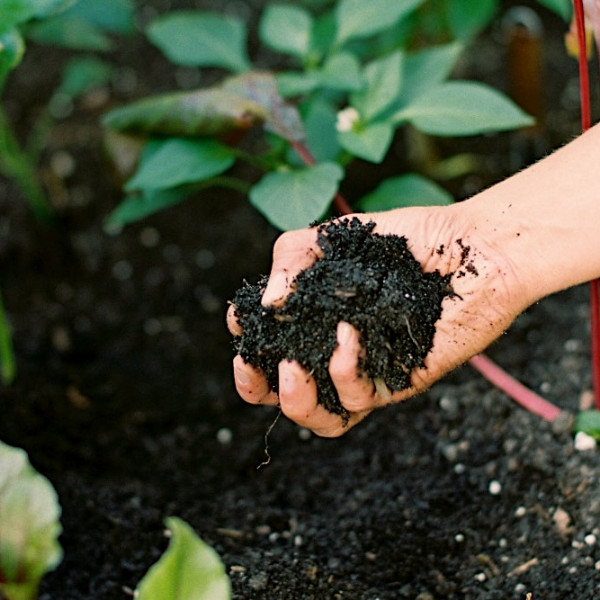
Before planting, farmers usually mix organic matter such as compost into the soil. This improves structure and provides nutrients needed during early growth. Proper soil preparation helps roots spread easily and supports strong plants.

Raising seedlings and transplanting
Capsicum is commonly grown by first raising seedlings in a nursery. Seeds are sown in trays or seedbeds and kept moist until germination. Once seedlings develop a 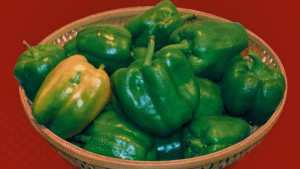 few strong leaves, they are ready for transplanting.
Transplanting is done carefully to avoid root damage. Proper spacing between plants is important, as it allows air circulation and reduces the risk of disease. Well-spaced plants also receive enough sunlight, which supports better fruit formation.
Watering and nutrient management
Capsicum plants need regular watering, especially during flowering and fruiting stages. Inconsistent watering can lead to flower drop or uneven fruit size. However, excess water should be avoided, as it can cause root problems.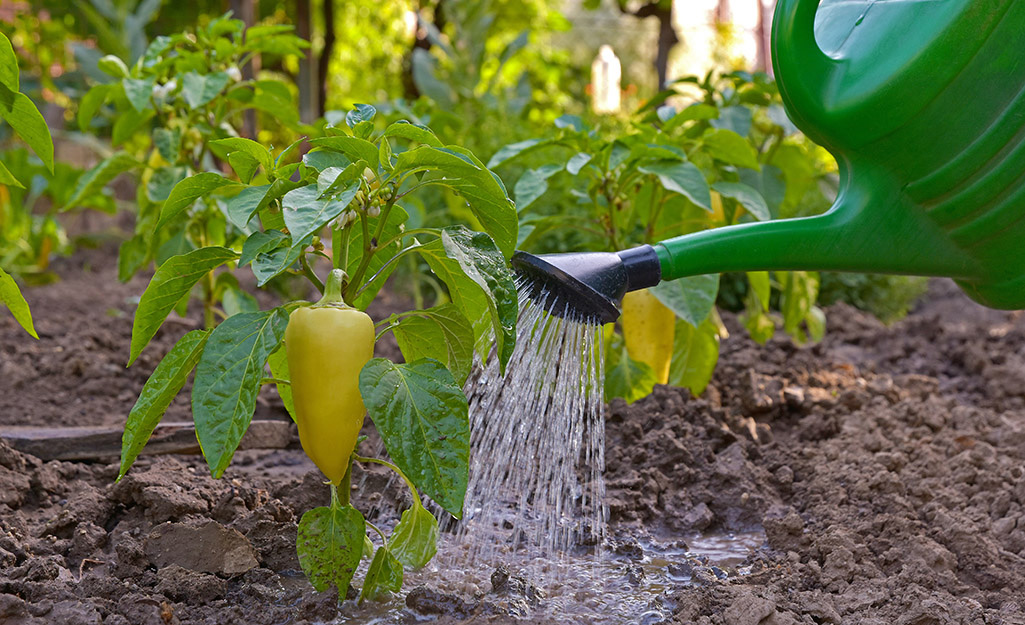
Balanced nutrition helps maintain plant health. Capsicum responds well to steady feeding rather than heavy fertiliser application at once. Observing plant growth and leaf colour helps farmers adjust nutrient input as needed.
Supporting plants as they grow
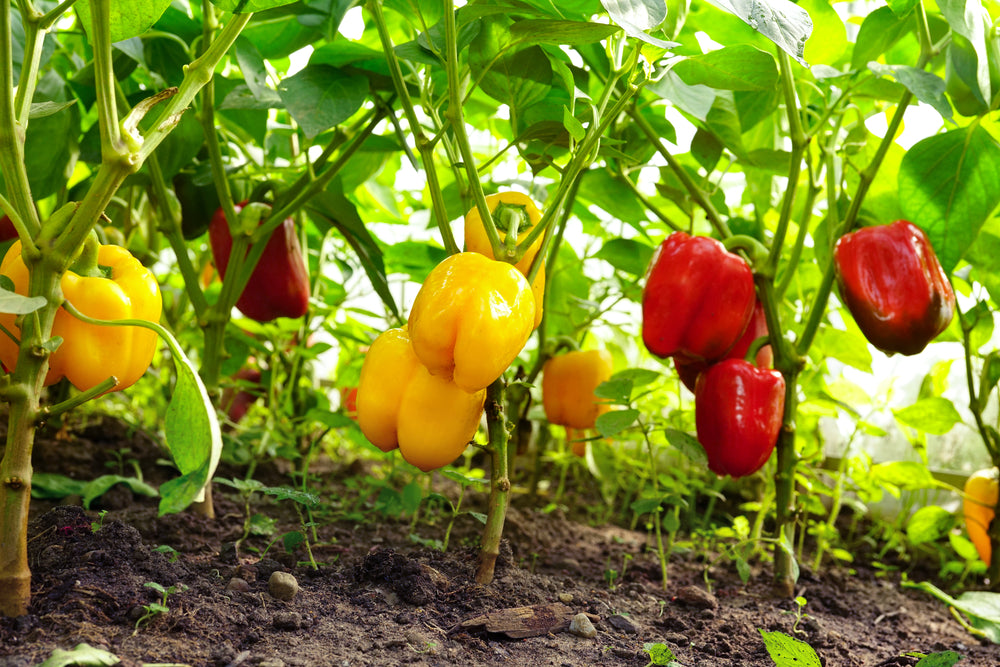
As capsicum plants grow taller and start producing fruits, they may need support. Staking or tying plants helps prevent  branches from bending or breaking under the weight of fruits.
Removing damaged leaves and maintaining clean fields improves airflow and reduces disease risk. Regular field checks allow growers to spot issues early and take corrective steps.
Managing pests and diseases
 Capsicum can be affected by pests such as aphids and mites if not monitored. Diseases may also occur due to excess moisture or poor airflow. Regular inspection and basic preventive practices help maintain crop health.
Many farmers prefer combining traditional knowledge with practical solutions to protect plants while maintaining soil balance. Healthy plants are more resistant to stress and produce better-quality fruits.
Harvesting at the right stage
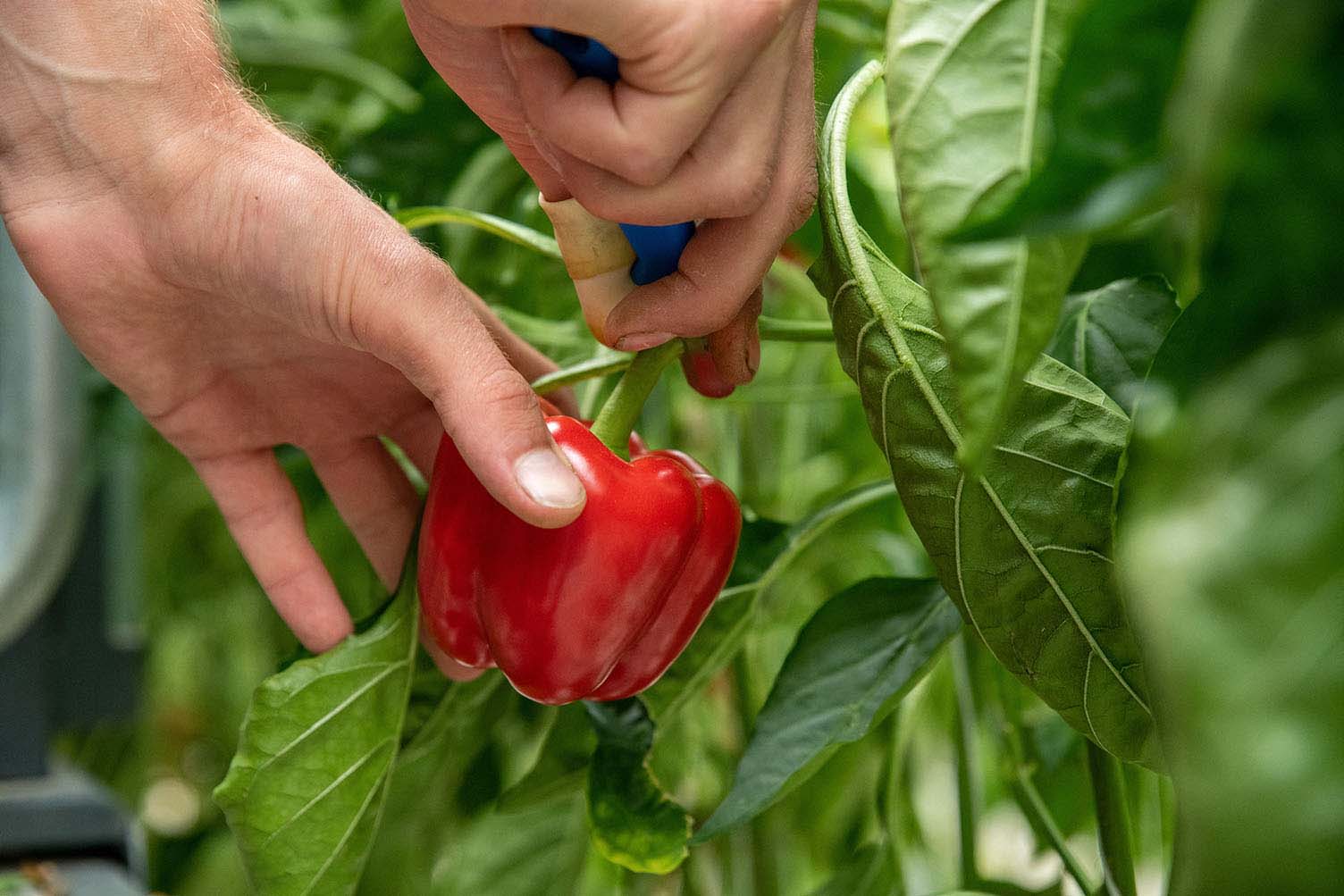
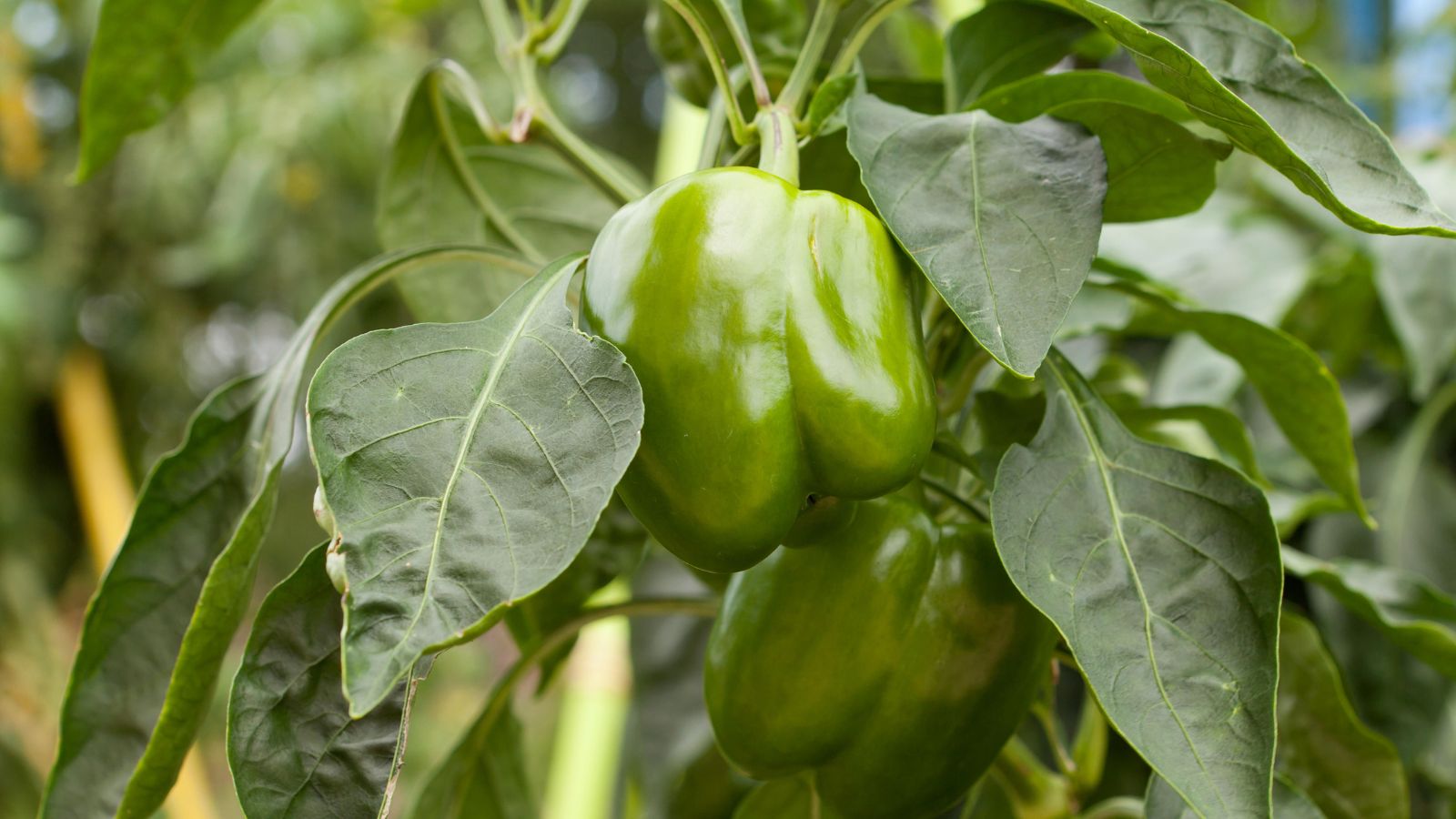
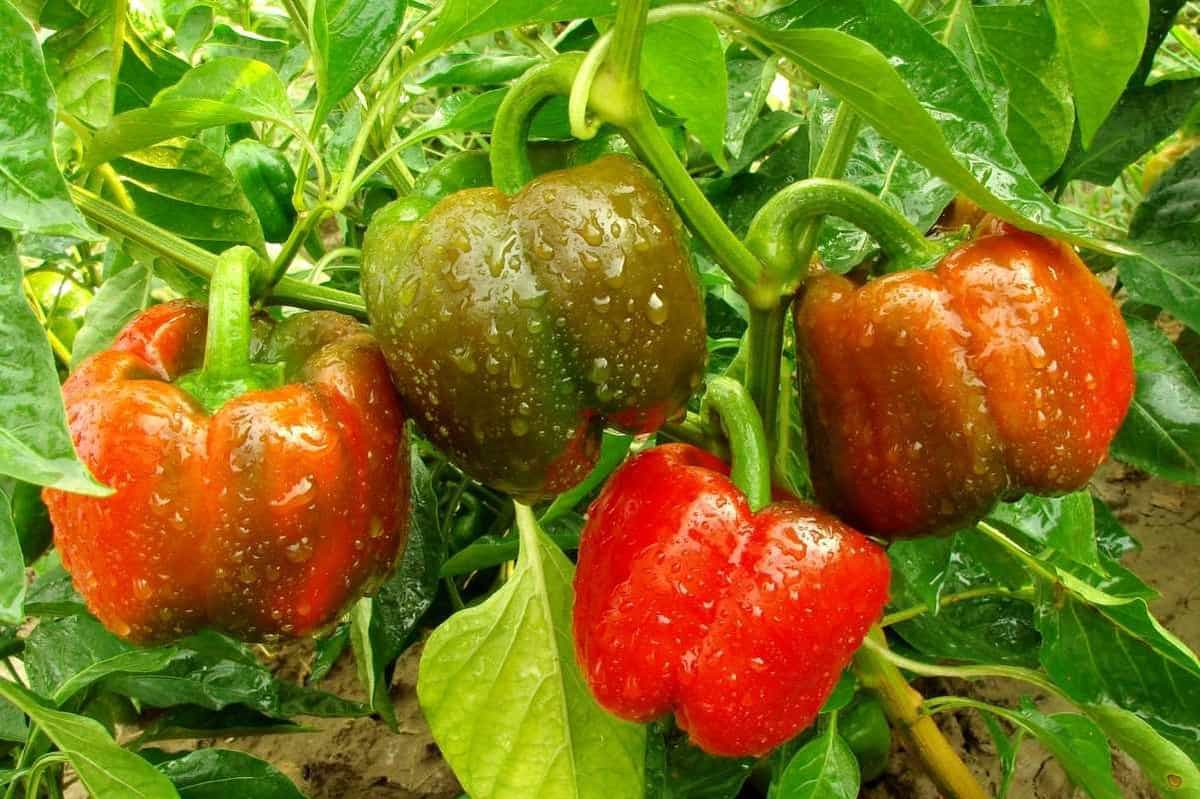
Capsicum fruits can be harvested at different stages depending on market demand. Green capsicum is harvested earlier, while coloured varieties are allowed to mature further. Harvesting is done by hand to avoid plant damage.
Picking fruits at the right time ensures good texture, colour, and shelf life. Regular harvesting also encourages plants to produce more fruits over time.
Storage and post-harvest handling
After harvest, capsicum should be handled gently to avoid bruising. Sorting based on size and quality helps prepare produce for market. Proper storage conditions help maintain freshness and appearance.
Capsicum is widely used in fresh form and also processed for wider use. In global markets, it is supplied both fresh and as product frozen forms, depending on buyer requirements. This flexibility adds to its commercial value.
Capsicum in trade and global markets
Capsicum has strong demand in domestic and international markets. Its use in fresh cooking, food processing, and frozen foods keeps demand steady throughout the 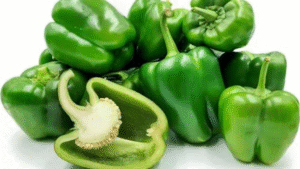 year. Countries importing capsicum look for uniform size, bright colour, and good shelf life.
Reliable supply chains help farmers reach larger markets. As interest grows in frozen vegetables and processed produce, capsicum continues to gain importance in international trade.
How Vipra Overseas supports agro exports
 Connecting farmers to global buyers requires experience and careful handling. Vipra Overseas supports the export of a wide range of agro products. Their portfolio includes fresh fruits, fresh vegetables, beans, frozen products, spices, and grains.
By focusing on quality checks, proper packaging, and efficient logistics, Vipra Overseas helps ensure that produce like capsicum reaches international markets in good condition. Their work supports farmers, processors, and buyers, strengthening trust across the supply chain.
A rewarding crop with simple care
Capsicum cultivation does not require overly complex methods, but it does demand consistency. With proper soil preparation, regular watering, and timely harvesting, capsicum plants reward growers with steady yield and good-quality fruits.
Whether grown for local markets or international supply, capsicum remains a valuable vegetable. Its adaptability, visual appeal, and wide usage ensure that it continues to hold an important place in farming systems and global food trade.
Conclusion
Growing capsicum successfully requires attention to soil quality, climate, watering, and harvesting practices. Each stage of cultivation contributes to fruit quality and yield. With careful management and strong export support from companies like Vipra Overseas, capsicum grown on Indian farms continues to meet domestic needs and international demand. When handled correctly, capsicum farming remains a reliable and rewarding agricultural option.