
The moment you place dried red chillies on a hot pan, something magical begins. Within seconds, the kitchen transforms. A deep, earthy smokiness rises—rich, complex, and utterly different from raw chilli’s sharp heat. This transformation isn’t accidental. It’s the result of careful technique, precise timing, and understanding what happens when heat meets capsaicin and natural oils trapped inside those crimson pods.
In Indian kitchens, dry roasting isn’t just a cooking step—it’s an art form passed down through generations. Whether you’re preparing sambhar powder, chutney, or a finishing tempering for dal, the quality of your roasted chillies determines the depth of flavour in your final dish. Get it right, and you unlock layers of smoky sweetness. Rush it or overheat, and you’re left with bitter char that ruins everything.
Understanding the Chemical Dance
When red chillies meet dry heat, their cellular structure begins breaking down. The natural oils within—primarily capsaicinoids—start volatilizing. This releases aromatic compounds that were locked inside. Simultaneously, sugars present in dried chillies undergo caramelization, adding subtle sweetness that balances heat.
The key is controlling this process. Too little heat, and you won’t release the aromatics. Too much, and you’ll carbonize the surface, creating acrid bitterness instead of fragrance. The sweet spot exists in a narrow temperature range where transformation happens without destruction.
The Critical Difference
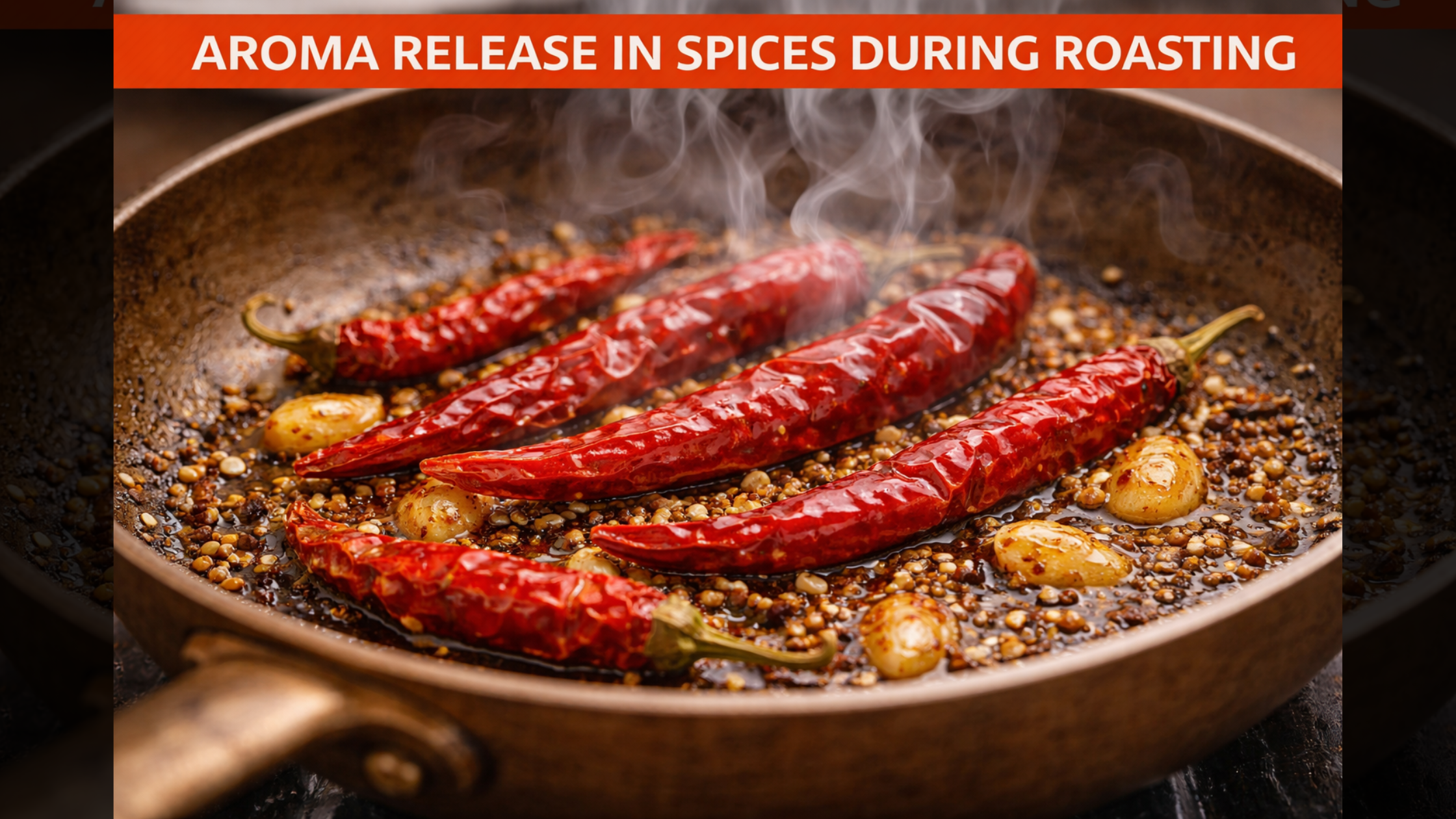
Many home cooks confuse roasting with burning. They’re not the same. Aromatic roasting means heating chillies until they darken slightly, release oil-based fragrance, and become brittle—while maintaining their red-brown colour. Burning means allowing them to blacken and turn ash-like, which introduces bitterness that no amount of grinding can remove.
Watch for colour change. Properly roasted chillies shift from bright red to a deeper, darker red with subtle brown undertones. They should smell intensely aromatic—not smoky in a charred sense, but in a warm, toasted way. The moment you detect any acrid smell, remove them immediately.
Choosing Your Starting Material
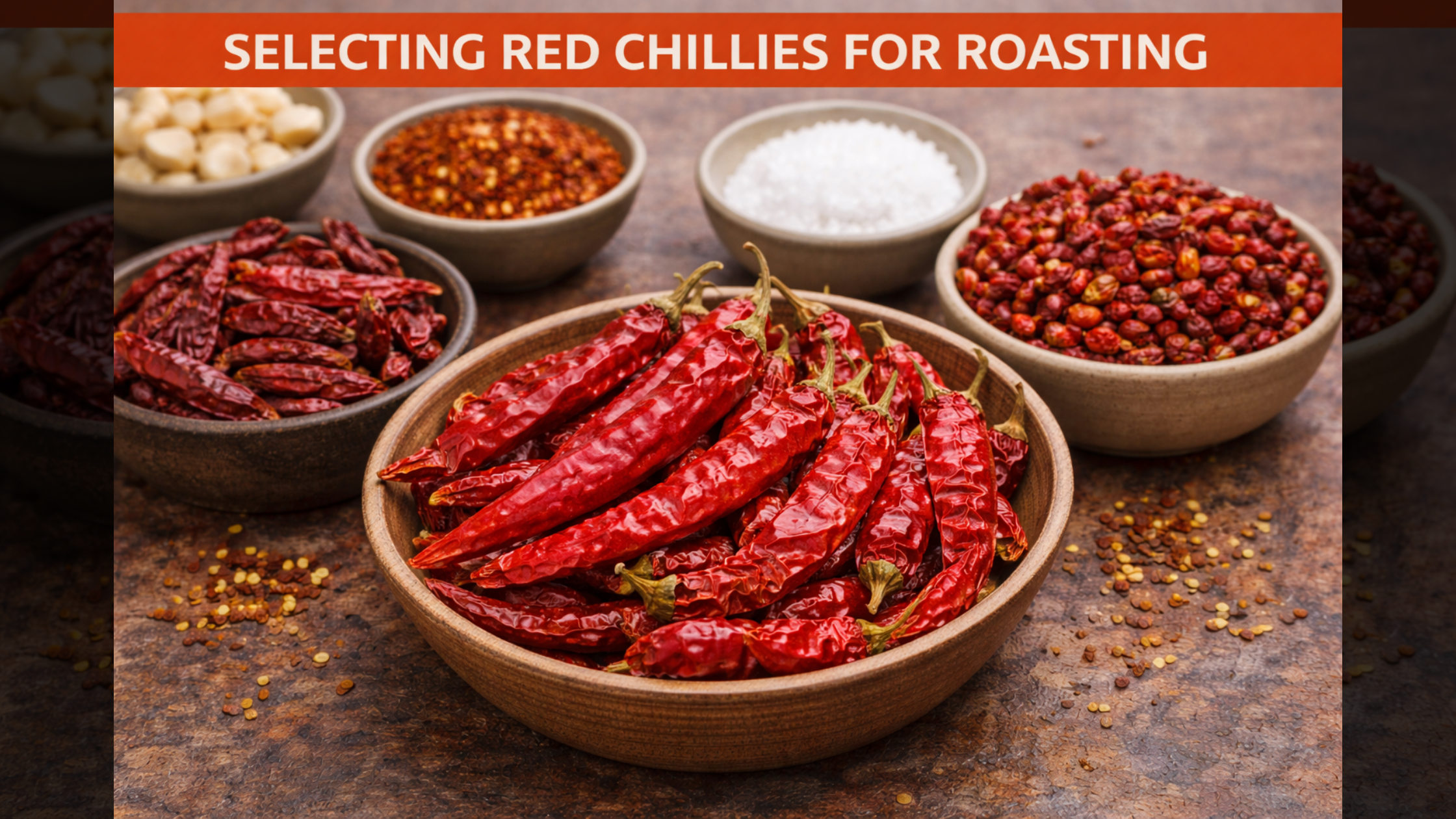
Not every dried chilli roasts the same way. Kashmiri chillies, prized for their vibrant colour and mild heat, roast quickly due to their thin skin. Guntur or Byadgi varieties, thicker and more pungent, require slightly longer exposure. Understanding your variety matters.
Look for chillies that are fully dried but not brittle before roasting. They should have some flexibility—snap one, and it should break cleanly without crumbling to dust. Avoid any with visible mold spots or moisture, as these won’t roast evenly. In the world of export agriculture, where businesses handle fruits and vegetables india sends worldwide, quality selection at this initial stage determines final product excellence.
Preparation Steps
Remove stems if you prefer—though many traditional cooks leave them on, as they add their own subtle bitterness that some recipes need. Wipe chillies with a dry cloth to remove any dust, especially if you’ve purchased them from bulk markets where vegetables fruits and spices sit exposed.
Don’t wash them. Moisture is the enemy of good roasting. Even a few drops of water will cause uneven heating, with some parts steaming while others char. Keep everything bone-dry.
If you’re roasting a large batch, work in smaller portions. Overcrowding the pan means uneven heat distribution, with some chillies barely warming while others burn at contact points.
Heat, Timing, and Equipment
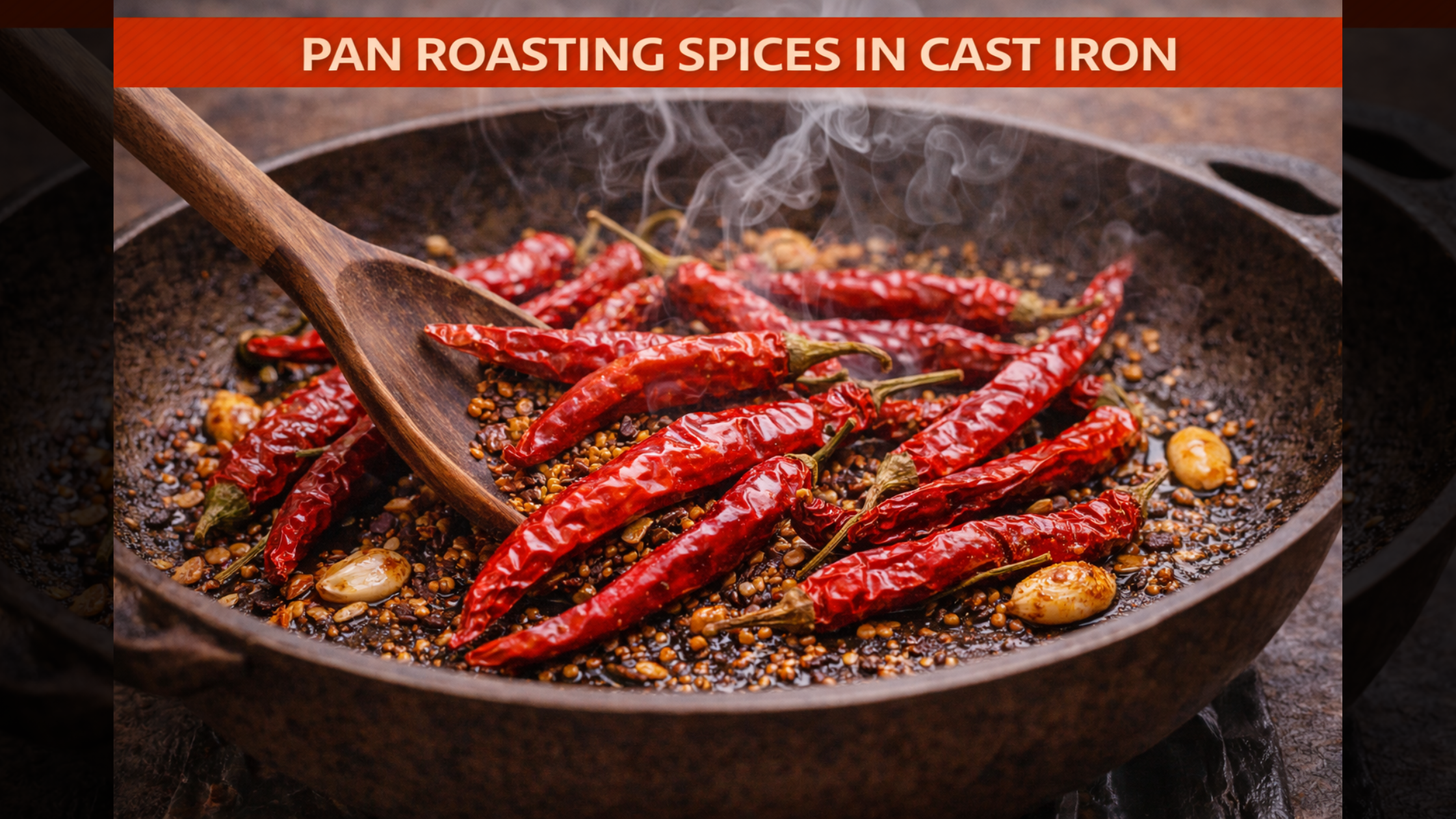
Use a heavy-bottomed pan—cast iron works beautifully, as does thick stainless steel. These materials distribute heat evenly and retain temperature when you add chillies, preventing sudden drops that interrupt the roasting process.
Place your pan over medium-low heat. This is crucial. High heat might seem efficient, but it burns the exterior before the interior releases its aromatics. Low, steady heat allows the entire chilli—inside and out—to warm gradually.
Add chillies once the pan is hot. You’ll hear a faint sizzle, not an aggressive crackle. Spread them in a single layer. Now comes the active part: constant movement. Use a spatula or wooden spoon to keep them moving, ensuring every surface gets equal exposure.
Timing varies by quantity and variety, but generally expect 3 to 5 minutes. Trust your nose more than any clock. The aroma will build gradually, reaching a peak of intense, toasted fragrance. That’s your signal.
Reading the Visual and Aromatic Signals
Experienced spice roasters rely on multiple senses. Visually, watch for that colour shift—bright to deep red-brown. The surface may develop tiny blisters or darker spots, which is fine, as long as they don’t turn black.
Aromatically, you’ll progress through stages. First, a subtle warming smell as oils begin releasing. Then a fuller, rounder fragrance—almost sweet. Finally, a peak aroma that fills the entire kitchen. Remove them just after hitting this peak, before the smell turns sharp or acrid.
Touch matters too, once they’ve cooled. Properly roasted chillies feel lighter, more brittle. They should crumble easily when pressed but not disintegrate into powder.
Avoiding Common Disasters
The most frequent mistake? Walking away. Roasting requires presence. Even 30 seconds of inattention can shift perfection to ruin. Stay close, keep stirring, and watch constantly.
Another error is inconsistent heat. If your stove flame fluctuates, your results will too. Use a stable heat source and adjust down rather than up if you’re uncertain.
Some cooks try roasting in oil, thinking it speeds things up. That’s not dry roasting—it’s frying, which creates different flavours entirely. Stick to the dry method for traditional aroma development.
Culinary Applications
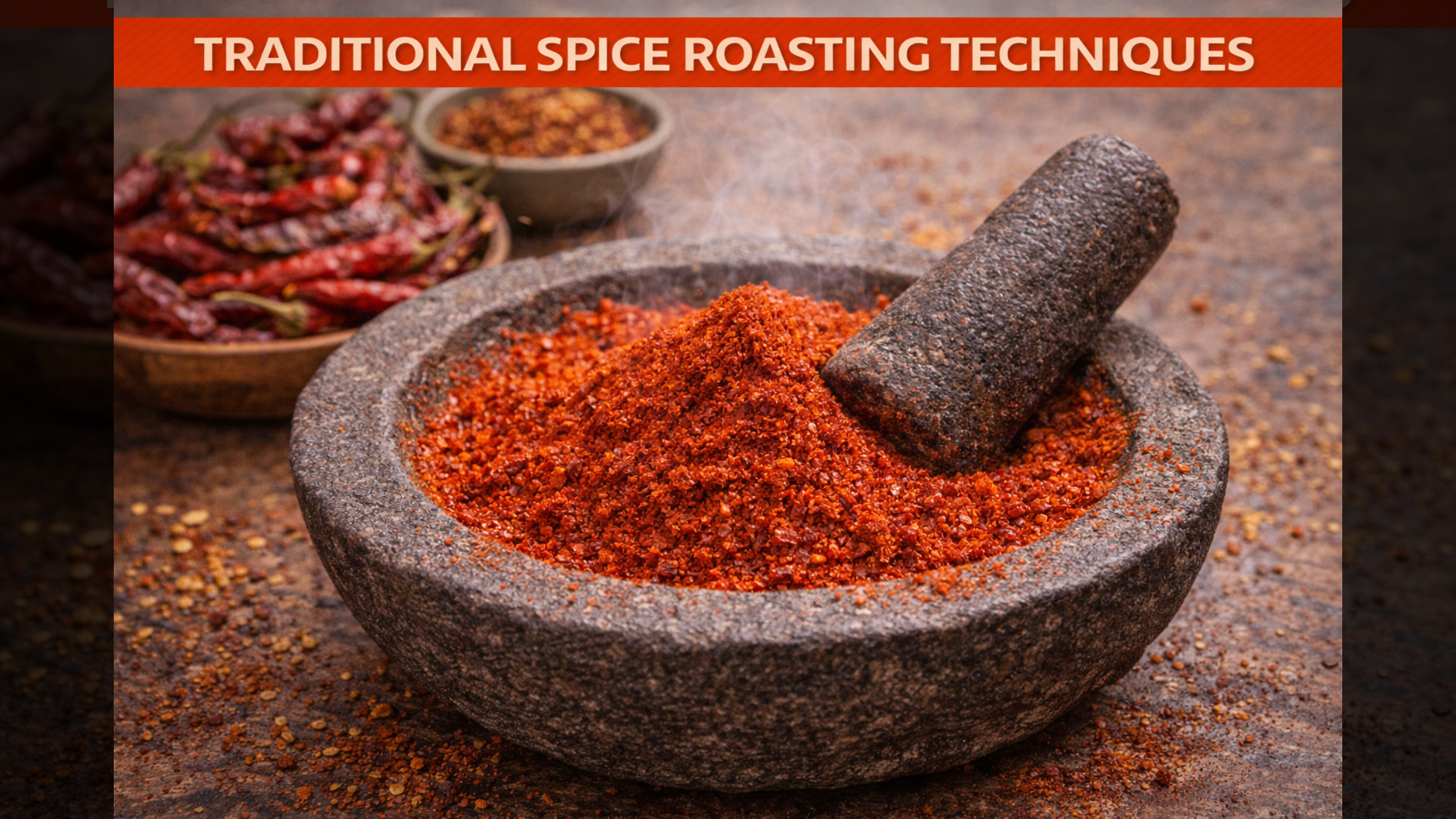
Once roasted and cooled, these chillies become the foundation for countless dishes. Grind them fresh for curry powders, where their aromatic quality elevates all of the fruits and vegetables you’re cooking. Break them into tadkas (temperings) for dals and soups, where their fragrance blooms in hot ghee or oil.
In South Indian cooking, roasted chillies join coriander seeds, urad dal, and curry leaves in podis—dry spice-lentil powders that accompany rice and idlis. In North Indian cuisine, they’re ground with garlic and tomato for rich gravies.
The applications span beyond borders too. Export businesses understand this versatility, which is why premium roasted spice products travel from Indian kitchens to international markets alongside fresh produce.
Connecting Spices to Global Markets
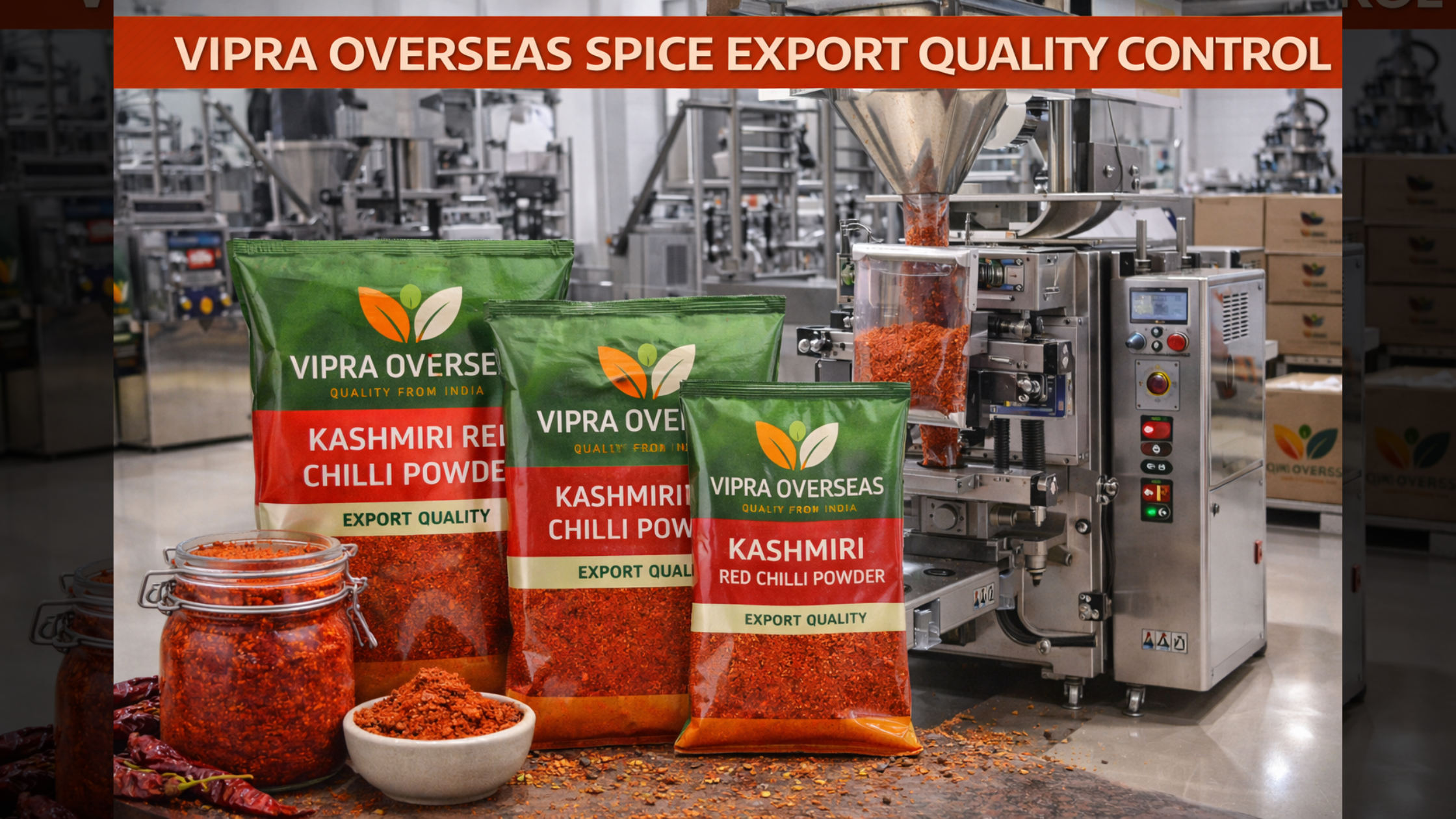
Speaking of exports, companies like Vipra Overseas have built their reputation on understanding that quality begins at the preparation stage. Whether sourcing fresh fruits, fresh vegetables, beans, frozen products, spices, or grains, the same attention to detail that makes perfect roasted chillies drives their entire operation.
When export-quality products leave Indian shores, they carry with them centuries of agricultural wisdom and traditional processing knowledge. The same careful temperature control, timing precision, and sensory awareness that prevents burnt chillies also ensures frozen vegetables maintain texture, or that whole spices retain their volatile oils during packaging and shipping.
Global buyers increasingly recognize that premium quality isn’t just about raw ingredients—it’s about how they’re handled. A properly roasted chilli, like properly processed produce, tells a story of expertise and care.
Storing Your Roasted Treasure
Once cooled completely, store roasted chillies in an airtight container away from light and moisture. They’ll hold their aroma for 2 to 3 weeks, though freshness gradually fades. For longer storage, keep them whole rather than ground—grinding releases oils that can go rancid.
Some cooks freeze roasted chillies, which preserves aroma reasonably well. If choosing this method, ensure containers are completely moisture-proof to prevent freezer burn.
Mastery Through Practice
Like any traditional kitchen technique, roasting red chillies perfectly requires practice. Your first batch might roast unevenly. Your second might turn slightly bitter. But by the fifth or sixth attempt, you’ll recognize the precise moment to remove them from heat based on smell alone.
This knowledge—knowing when transformation completes without crossing into destruction—separates adequate cooking from exceptional cooking. It’s the same wisdom that guides farmers selecting ripe produce, processors timing blanching for frozen products, or export specialists evaluating whether vegetables fruits and commodities meet international standards.
Every roasted chilli teaches you something. The colour tells you about heat intensity. The aroma reveals timing accuracy. The texture confirms whether moisture levels were right. Pay attention, adjust accordingly, and gradually you’ll develop the instinct that makes this art seem effortless.
Great cooking begins with respecting ingredients—understanding their nature, their potential, and their limits. Dried red chillies, humble as they appear, contain remarkable complexity. Treat them right through careful dry roasting, and they reward you with layers of aroma that transform ordinary dishes into something memorable.
That’s the real art: not just following steps, but understanding why each step matters, what each sensory cue indicates, and how to adjust when conditions vary. Master this, and you unlock one of Indian cuisine’s fundamental flavour-building techniques.