
Understanding Your Chilli Choices
Walk into any kitchen across India, from bustling homes in Indore to coastal villages, and you’ll find two essential ingredients: dry red chillies hanging in bunches and fresh green or red chillies tucked in the refrigerator. Both add heat and character to food, but they’re not interchangeable. Knowing when to reach for dried versus fresh chillies can transform your cooking from ordinary to exceptional.
The choice between these two forms affects not just the heat level of your dish, but also its aroma, color, texture, and overall flavor profile. Whether you’re preparing a traditional curry, a quick stir-fry, or experimenting with fusion recipes, understanding these differences helps you make smarter cooking decisions.
What Makes Them Different
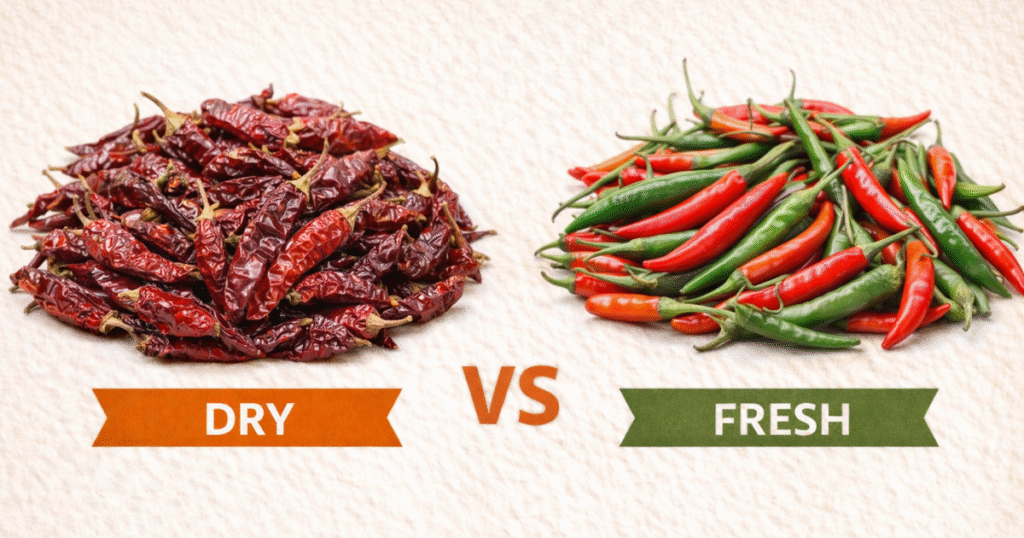
Fresh chillies contain high moisture content, typically around 80-90%, giving them a crisp texture and bright, grassy flavor. They’re picked at various stages of ripeness, from green to red, each offering distinct taste characteristics. The moisture keeps their flavor sharp and immediate, perfect for dishes where you want a clean, piercing heat.
Dry red chillies undergo a drying process that removes most of this moisture, concentrating their flavors and creating entirely new aromatic compounds. This transformation isn’t just about water loss—the drying process develops deeper, earthier notes that fresh chillies simply don’t have. The concentrated capsaicin in dried chillies also behaves differently when heated in oil or ground into powder.
Flavor, Heat, and Aroma Variations
The flavor difference between dry and fresh chillies goes beyond simple heat levels. Fresh chillies bring a vibrant, vegetal quality with a sharp, immediate burn that fades relatively quickly. Think of biting into a fresh green chilli in your sandwich—the heat hits fast and bright, but doesn’t linger endlessly.
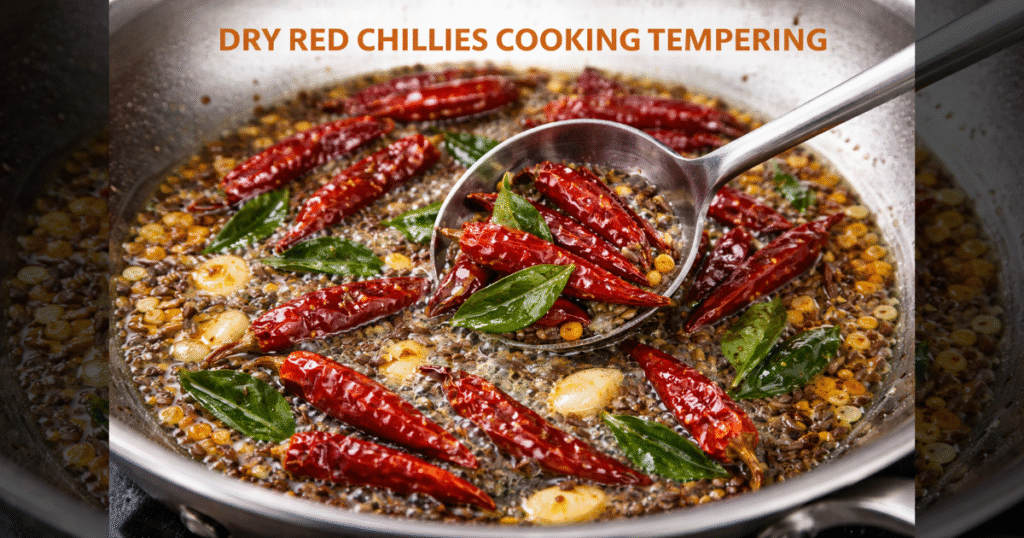
Dry red chillies, especially varieties grown across India from Guntur to Kashmir, develop complex flavor notes during drying. They offer a smoky, slightly sweet undertone along with their heat. When you temper whole dry chillies in hot oil, they release a nutty aroma that’s impossible to replicate with fresh ones. The heat from dried chillies tends to build more gradually and lasts longer on the palate.
The aroma profile changes dramatically too. Fresh chillies smell grassy and bright, almost like vege fruit in their freshness. Dried chillies develop a deep, roasted character that adds warmth and depth to dishes, particularly in slow-cooked preparations.
Where Dry Red Chillies Shine
Dry red chillies are indispensable in dishes requiring depth and complexity. In South Indian cooking, whole dry chillies tempered in coconut oil form the aromatic base for sambar, rasam, and numerous curries. The chillies bloom in hot oil, releasing their essential oils and creating layers of flavor.
Ground dry chilli powder is essential for marinades, especially for tandoori preparations and grilled meats. The powder adheres to proteins and develops a beautiful crust when cooked. It’s also the backbone of many spice blends—from garam masala to regional specialties.
For dishes that cook longer—like biryanis, thick gravies, or slow-cooked meat preparations—dry red chillies provide sustained heat without adding excess moisture. They integrate seamlessly into the dish, becoming part of the sauce rather than a distinct element. In traditional recipes from Indore and across Madhya Pradesh, dry chillies are roasted before grinding, adding another dimension of flavor.
When Fresh Chillies Work Best
Fresh chillies excel in dishes where you want brightness and immediate impact. Salsas, chutneys, and fresh relishes depend on the crisp texture and sharp flavor of fresh chillies. Chopped fresh green chillies in a tomato and onion salad (kachumber) provide bursts of heat that complement the fresh vegetables.
Stir-fries and quick-cooked dishes benefit from fresh chillies because their flavor doesn’t need time to develop. Chinese-Indian fusion dishes often use slit fresh green chillies to add heat without overpowering the other ingredients. The visual appeal matters too—fresh red or green chillies add vibrant color to garnishes and final presentations.
Fresh chillies are also preferred when you want to control heat levels more precisely. Since their capsaicin is concentrated in the seeds and membranes, you can remove these parts to reduce heat while keeping the fresh flavor. This flexibility makes them ideal for dishes served to varied palates.
Storage and Longevity
Fresh chillies require proper storage to maintain quality. In a refrigerator’s vegetable compartment, they last 1-2 weeks. Some cooks wrap them in paper towels to absorb excess moisture, preventing premature spoilage. Fresh chillies can also be frozen, though this softens their texture—fine for cooked dishes but not for fresh applications.
Dry red chillies, when stored in airtight containers away from moisture and direct sunlight, remain usable for months or even a year. Their concentrated form means you need less storage space, making them practical for both home kitchens and commercial use. This extended shelf life is one reason dried chillies dominate the spice trade globally.

Regional and Cultural Preferences
Different regions across India have developed distinct preferences based on local cooking styles. In Punjab, fresh green chillies feature prominently in everyday cooking, added to dal, parathas, and raitas. The state’s rich agriculture, particularly around areas growing vege fruit and vegetables, makes fresh produce readily available year-round.
Southern states show stronger preference for dry red chillies in traditional cooking, using varieties like Byadgi for color and Guntur for heat. Kerala’s cuisine balances both—fresh green chillies in thoran (stir-fries) and dry red ones in curries and fish preparations.
Gujarat and Rajasthan, with their preservation-focused cuisines developed partly due to historical scarcity of fresh produce, rely heavily on dried spices including red chillies. Their dishes often feature dry chilli powder in innovative ways, from dhokla to dal baati.
Nutritional Perspectives
Both forms offer nutritional benefits, though in different concentrations. Fresh chillies provide high vitamin C content, which decreases during the drying process. A single fresh green chilli can meet a significant portion of your daily vitamin C requirement.
Dry red chillies concentrate other nutrients like vitamin A, iron, and potassium. The capsaicin content, responsible for the heat, remains relatively stable and offers potential metabolism-boosting benefits. However, the concentrated nature means you typically consume smaller quantities of dried chillies compared to fresh ones.
Both types contain antioxidants that support overall health. The choice between them nutritionally often comes down to the quantity consumed and the overall diet rather than one being definitively superior to the other.
Chillies in Global Agriculture and Trade
India stands as one of the world’s largest producers and exporters of chillies, both fresh and dried. States like Andhra Pradesh, Karnataka, and Telangana contribute significantly to dry red chilli production, while regions with suitable climates grow fresh varieties for domestic markets and export.
The international demand for Indian chillies continues growing as global cuisines embrace bold flavors. Dried chillies travel better and have longer shelf life, making them dominant in export markets. However, fresh chillies also find markets, particularly in neighboring countries and among diaspora communities craving authentic ingredients.
Understanding this trade helps appreciate why certain varieties are more available in different forms. Export-quality specifications often determine which chillies get dried and which are sold fresh locally.
Vipra Overseas: Connecting Indian Agriculture to Global Markets
For businesses and buyers seeking premium quality agricultural products from India, Vipra Overseas has established itself as a reliable partner in the export sector. Based in the agricultural hub of Indore, the company specializes in sourcing and exporting a comprehensive range of products that meet international quality standards.
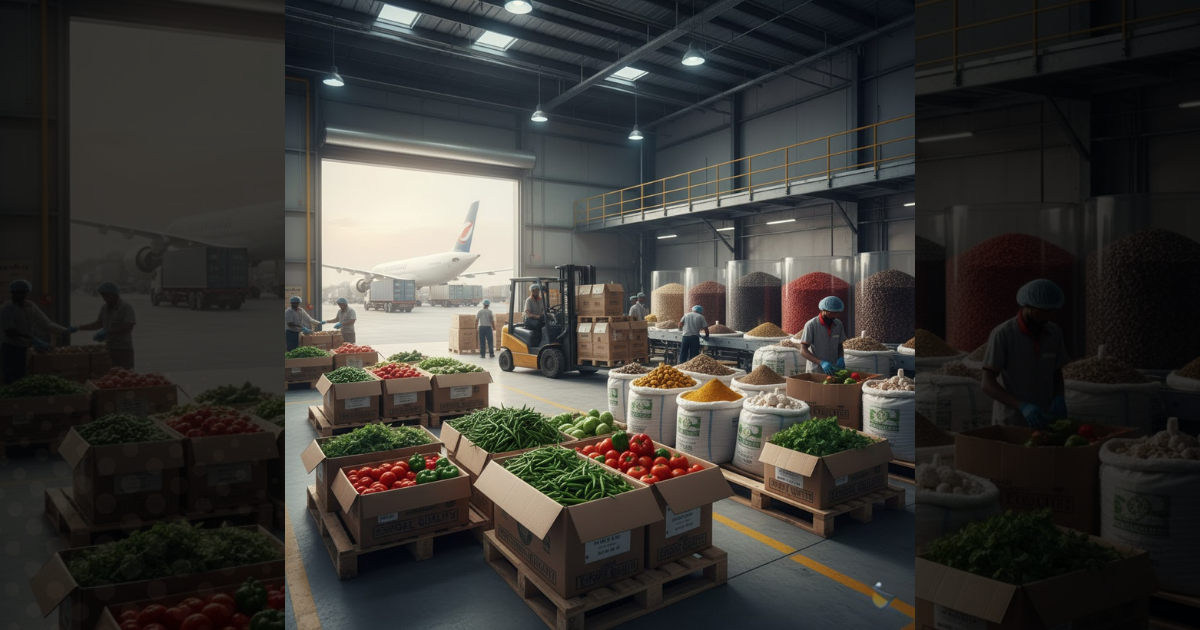
Their product portfolio includes fresh fruits like mangoes India is famous for worldwide, along with seasonal offerings that showcase the country’s agricultural diversity. They handle fresh vegetables across categories, ensuring proper cold chain management for maximum freshness upon arrival. The company also exports various types of beans, frozen products that lock in nutrition and flavor, authentic Indian spices that bring genuine taste to global kitchens, and different varieties of grains that form the foundation of countless cuisines.
What sets Vipra Overseas apart is their understanding of both agricultural production and export logistics. They work directly with farmers and processing units to ensure quality from source to shipment. Their experience with products as varied as mangoes India exports globally and specialty vege fruit varieties means they can handle the specific requirements of different produce types—crucial for maintaining freshness and quality across international borders.
Whether you’re a restaurant chain seeking consistent spice supplies, a retailer wanting seasonal fresh produce, or a distributor looking for frozen products, Vipra Overseas provides the expertise and infrastructure to meet those needs reliably.
Making the Right Choice for Your Dish
Choosing between dry red chillies and fresh ones ultimately depends on what you’re cooking and the flavor profile you want to achieve. For depth, complexity, and dishes with longer cooking times, dry red chillies are your ally. For brightness, immediate heat, and fresh applications, reach for fresh chillies.
Many experienced cooks keep both on hand, understanding they serve different purposes. A properly stocked Indian kitchen treats them as complementary rather than competing ingredients. The dry chilli powder adds foundational heat and color to a curry, while a fresh green chilli garnish provides a final bright note.
Consider your dish’s cooking time, desired flavor complexity, and visual presentation. Think about whether you want the heat to be background warmth or foreground intensity. With practice, you’ll develop an intuition for which form serves your cooking best in any given situation.
The beauty of Indian cooking lies partly in this layering of flavors and textures. Understanding your ingredients—from the chillies that bring heat to the mangoes India celebrates for sweetness—empowers you to cook with confidence and creativity. Whether you’re in a home kitchen in Indore or cooking Indian food halfway across the world, making informed choices about something as fundamental as your chillies elevates everything you prepare.