
Most home cooks treat dry red chillies like a fire alarm—one touch and they back away. I’ve watched countless kitchens where a single chilli gets tossed into an entire pot of curry, as if flavour comes with a warning label. But here’s the truth: you’re not using enough. And that timidity is costing you layers of aroma, complexity, and the kind of depth that makes people ask for seconds.
Dry red chillies aren’t just about heat. They’re about transformation. When used correctly, they create a foundation that changes how every other ingredient behaves in your pan. Yet most people treat them like optional decoration rather than the flavour powerhouse they actually are.
The Heat Myth: Why You’ve Been Holding Back
We’ve been trained to fear the burn. Someone once told you that chillies are dangerous, that they’ll ruin a dish, that guests will complain. So you scaled back. You started using half a chilli when the recipe called for three. You removed the seeds, hoping to keep some phantom version of “mild” alive.
But here’s what actually happens when you underdose: your food becomes flat. That curry tastes one-dimensional. The tempering lacks punch. Even dishes loaded with tomatoes, onions, and garlic feel like they’re missing something vital. That something is adequate chilli presence—not just heat, but the earthy, smoky, slightly bitter backbone that dry red chillies provide.
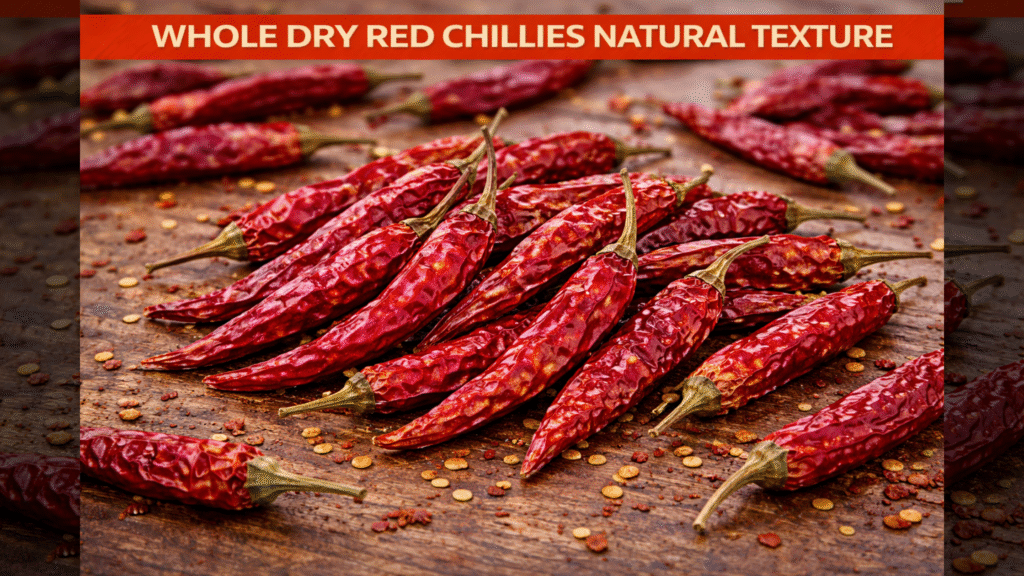
Beyond the Burn: What Dry Red Chillies Really Do
When you crack open a dry red chilli and let it hit hot oil, magic happens. The capsaicin releases, yes, but so do dozens of aromatic compounds. You get a fragrance that’s simultaneously sharp and warm. The oil changes colour. The kitchen smells different. This isn’t about making food spicy—it’s about creating an aromatic canvas.
Think about how different cuisines handle this. Sichuan cooking uses handfuls of dried chillies to build layers of numbing heat combined with deep, toasted flavour. Mexican moles incorporate multiple chilli varieties to create chocolate-dark complexity. South Indian rasam wouldn’t exist without the sharp tang and warmth that comes from proper chilli tempering. These aren’t accidents. These are cooking traditions that understand what most modern kitchens have forgotten.
The Tempering Test: Are You Really Committing?
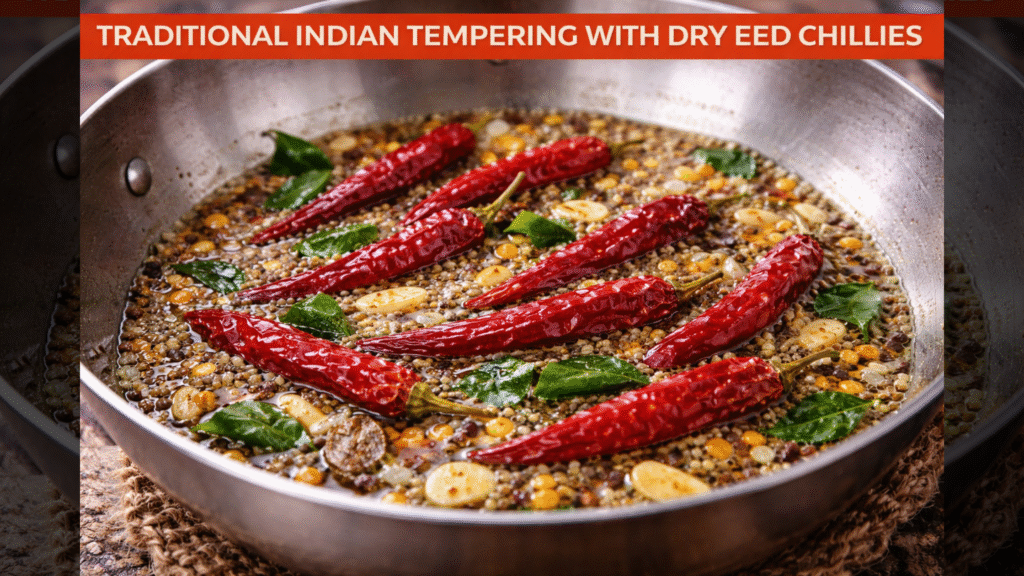
Here’s a simple experiment. Next time you make a dal or sambar, try this: instead of your usual one or two chillies, use five or six whole ones. Break them slightly so the seeds can interact with the oil. Let them sizzle until they darken and the aroma hits your nose like a wake-up call. Then proceed with your mustard seeds, curry leaves, and asafoetida.
The difference will shock you. Suddenly, that dal has character. The background warmth supports every spoonful. The flavour doesn’t scream “hot”—it just tastes complete, rounded, like something was finally added that had been missing all along.
Common Mistakes That Sabotage Chilli Flavor
Using them whole without any breaks. If you don’t crack the chilli or break it open, you’re essentially wasting it. The seeds and inner membrane hold most of the heat and flavour compounds. Keep them sealed, and you get almost nothing.
Adding them too late. Dry red chillies need time with heat to release their full potential. Tossing them in at the end of cooking means you miss the entire aromatic development process. They need to bloom in oil, toast slightly, and infuse everything they touch.
Buying stale or low-quality chillies. If your dry red chillies have been sitting in a container for two years, exposed to light and moisture, they’ve lost most of their potency. Fresh, well-stored chillies should feel slightly pliable, not brittle and dusty. They should have a strong aroma when you open the package.
Treating all chillies the same. Kashmir chillies give colour and mild warmth. Guntur chillies bring serious heat. Byadgi chillies offer colour without overwhelming spice. Understanding which variety you’re using changes how many you need and what they’ll contribute to your dish.
The Agro-Export Connection: Quality Starts at the Source
This is where sourcing matters. The dry red chillies sitting in your pantry came from somewhere. They were grown, harvested, dried, and shipped. That entire chain affects what ends up in your food. When suppliers prioritize quality—proper drying methods, careful storage, minimal pesticide use—you taste the difference.
Vipra Overseas understands this connection. As a dedicated agro-export company, they work directly with farmers to ensure that spices, including dry red chillies, meet international quality standards. Their portfolio extends beyond spices to include fresh fruits, vegetables like beans and leafy greens, frozen products, and grains. When you’re sourcing ingredients for commercial use or looking for suppliers who understand both traditional wisdom and modern food safety requirements, companies like Vipra Overseas bridge that gap between farm and kitchen.
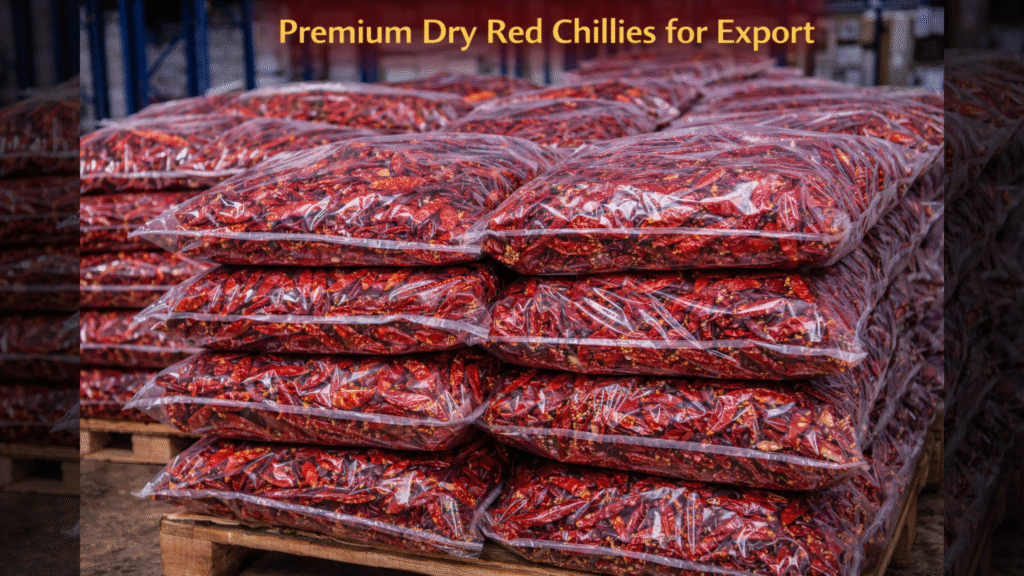
The same principle applies to other ingredients. When fresh fruits and vegetables are handled properly from harvest to distribution, they retain more nutrients and flavour. When fruits vegetables are sourced from reliable suppliers, you’re not gambling with quality. This matters whether you’re running a restaurant, manufacturing food products, or simply want consistent results at home.
Rethinking Your Spice Philosophy
Most modern cooking advice tells you to be cautious, to hold back, to season “to taste” as if flavour is something dangerous that needs to be controlled. But traditional cooking cultures knew better. They understood that bold, confident seasoning creates memorable food. They didn’t apologize for using whole handfuls of spices when the dish demanded it.
Dry red chillies are your entry point to this mindset shift. Start noticing how many you actually use. Next time you cook, double that amount. Pay attention to what happens. Notice how the dish develops more character, how it doesn’t just taste “spicy” but actually tastes more complete.
This isn’t about making food that hurts to eat. It’s about understanding that chillies, when used properly, enhance everything else. They make tomatoes taste more like tomatoes. They make ginger and garlic pop. They create the kind of background warmth that makes food feel satisfying and layered rather than flat and forgettable.
Global Appreciation: The World Gets It
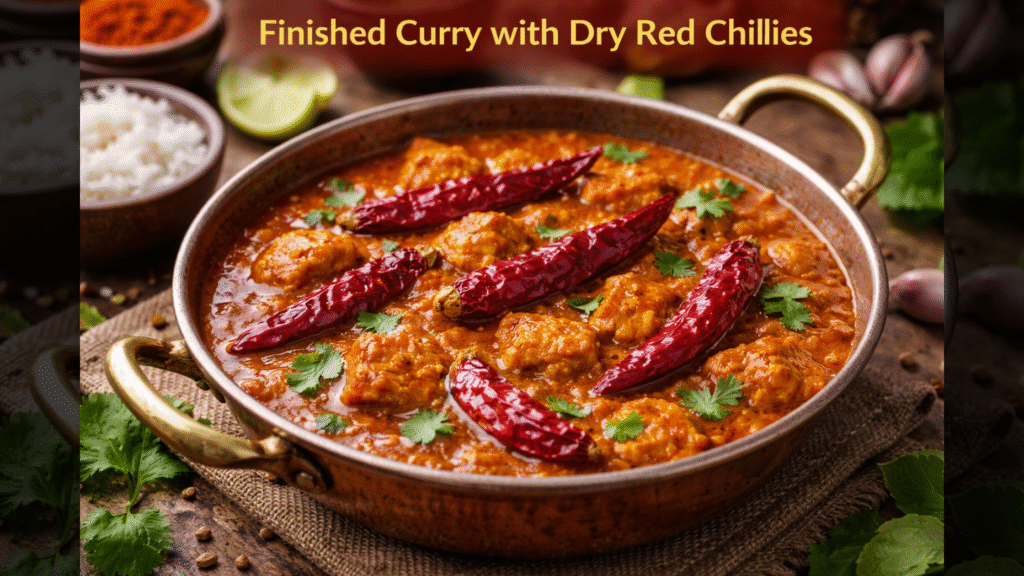
Walk into any serious kitchen around the world, and you’ll find dry red chillies in abundance. Korean kimchi relies on gochugaru—coarse chilli flakes—for its signature heat and colour. Thai curries use dried chillies as foundational paste ingredients. Italian pasta all’arrabbiata wouldn’t exist without dried chilli peppers creating that characteristic bite.
These cuisines didn’t develop in isolation. They evolved because cooks experimented, took risks, and understood that flavour requires commitment. They didn’t treat spices like something to be afraid of. They embraced them as essential tools for creating depth and interest.
The Path Forward: Cook Bolder
Start small if you need to. Add one extra chilli this week. Next week, add two more. Pay attention to how heat builds gradually, how it integrates into dishes rather than overwhelming them. Taste as you go, but push past your comfort zone.
Remember that cooking is about making choices. Every time you pull back on seasoning, you’re choosing safety over flavour. Every time you add that extra chilli, you’re choosing to create something more interesting, more memorable, more honest.
The flavour revolution isn’t about exotic ingredients or complicated techniques. It’s about using what you already have—properly. Dry red chillies have been sitting in your kitchen this whole time, waiting for you to understand their real potential. Stop treating them like an afterthought. Start treating them like the flavour foundation they actually are.
Your food will thank you. Your guests will notice. And you’ll wonder why you ever held back in the first place.