
When most people think of dry red chillies, their minds immediately jump to traditional curries and spicy gravies. While these applications have their place, limiting this versatile spice to familiar territory means missing out on a world of culinary possibilities. Dry red chillies offer complex flavor profiles—from smoky and earthy to bright and fruity—that can transform everything from breakfast spreads to artisan cocktails.
The global food scene is evolving rapidly, with chefs and home cooks alike seeking innovative ways to incorporate traditional ingredients into contemporary dishes. This shift isn’t just about creativity in the kitchen; it reflects deeper changes in how we source and value our ingredients. Modern agricultural practices, including precision agriculture techniques, are enabling farmers to produce higher-quality chillies with more consistent flavor profiles, making experimentation more rewarding than ever.
Rethinking a Traditional Staple
Dry red chillies have been a cornerstone of Indian cuisine for centuries, but their potential extends far beyond regional boundaries. The varieties grown across India—from the fiery Guntur to the rich Kashmiri—each bring distinct characteristics that can elevate dishes in unexpected ways. What makes these chillies particularly exciting for modern cooking is their concentrated flavor and shelf stability, allowing for year-round culinary exploration.
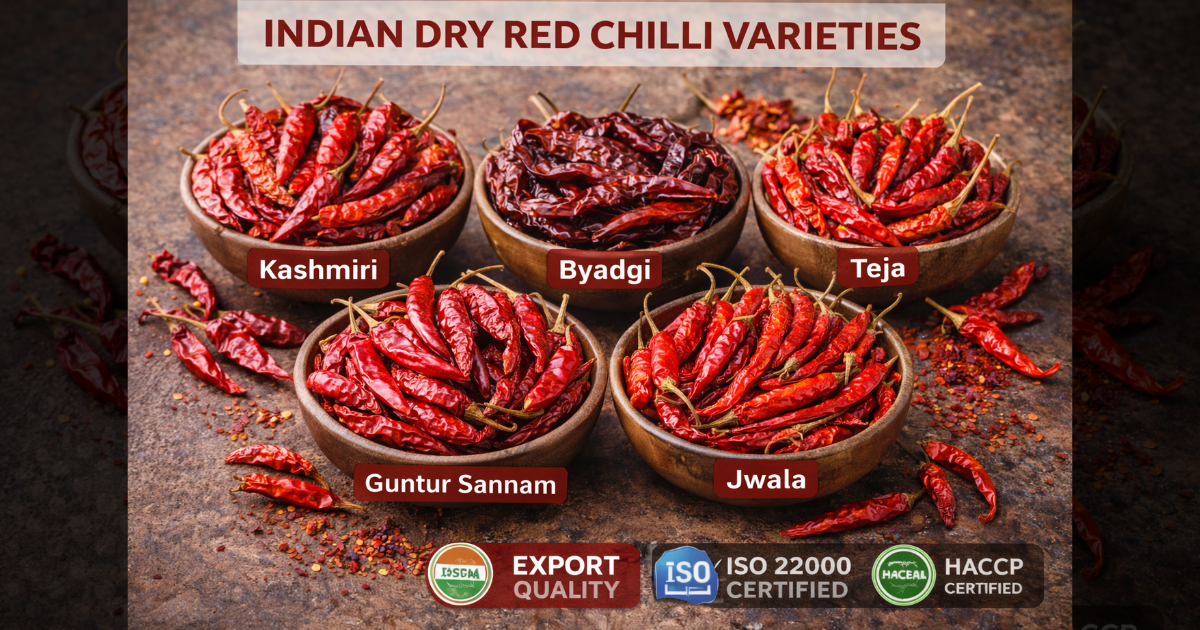
The beauty of working with dry red chillies lies in their versatility. Unlike fresh peppers, dried versions offer concentrated heat and depth that can be modulated through different preparation methods. Whether you’re toasting whole pods, grinding them into custom powders, or steeping them in liquids, each technique unlocks different flavor dimensions.
Infusions That Transform Your Kitchen
One of the most underutilized applications for dry red chillies is creating flavored oils and butters. A simple chilli-infused oil can become the foundation for countless dishes. Toast whole dry red chillies gently until fragrant, then steep them in high-quality olive oil or neutral oils with complementary aromatics like garlic, rosemary, or citrus peel. The result is a complex condiment that adds depth to everything from pizza to grilled vegetables.
Compound butters offer another canvas for creativity. Blend finely ground dry red chilli powder with softened butter, add fresh herbs, and a touch of citrus zest. This chilli butter can elevate corn on the cob, finish steaks, or melt into fresh pasta for an instant sauce that balances heat with richness.
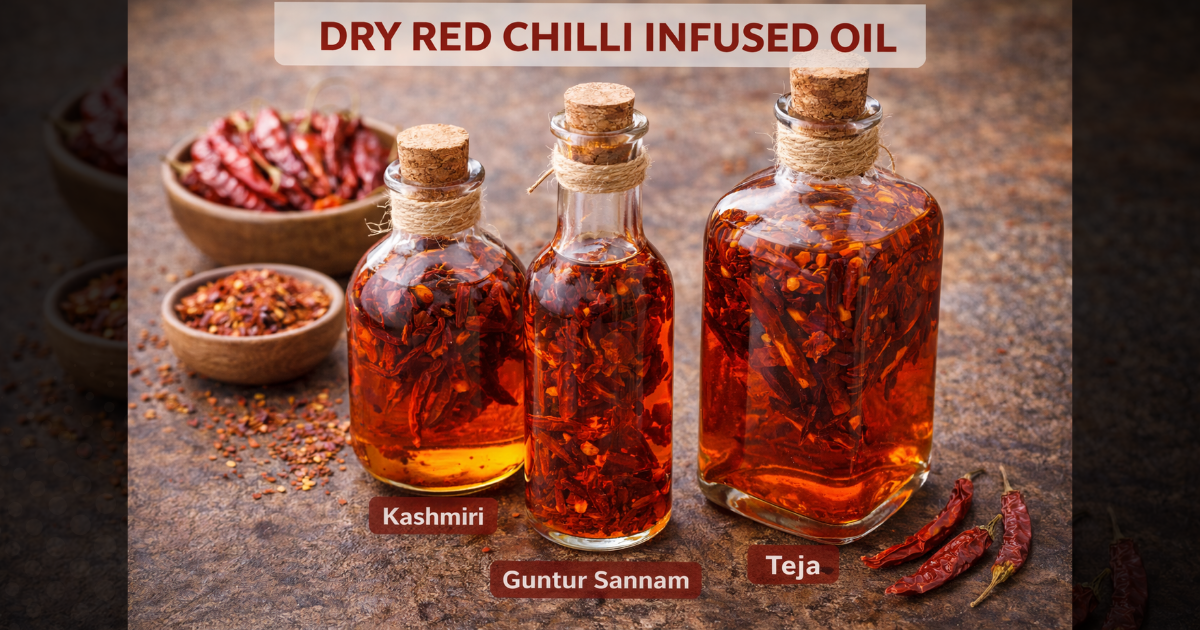
Vinegar and alcohol infusions open yet another dimension. Dry red chillies steeped in apple cider vinegar create a hot sauce base with bright acidity, while vodka or tequila infusions bring smoky heat to craft cocktails. These preparations benefit from the controlled growing conditions that smart farming enables, ensuring consistent heat levels and clean flavor profiles.
Custom Seasoning Blends for Modern Palates
The rise of artisan spice blends has created opportunities to showcase dry red chillies in new contexts. Moving beyond basic chilli powder, consider creating signature blends that combine toasted and ground dry red chillies with unexpected partners: dried mango powder for tangy heat, coconut sugar for sweet-spicy complexity, or dried mushroom powder for umami depth.
These custom seasonings can define your cooking style. A breakfast blend might pair mild dry red chillies with coriander seeds and black pepper for scrambled eggs or avocado toast. An evening blend could combine smoky chillies with cumin and dried lime for finishing roasted meats or vegetables.
The commercial potential for such value-added products is significant, particularly as global consumers seek authentic yet innovative spice experiences. Farmers adopting carbon farming practices can market their chillies as both flavorful and sustainably produced, appealing to environmentally conscious food businesses.
Unexpected Applications in Everyday Foods
Dry red chillies can surprise when incorporated into breads, crackers, and baked goods. Knead crushed chilli flakes into focaccia dough, or add ground chillies to cheese crackers for sophisticated heat. Chilli-chocolate combinations have gained popularity, but consider extending this principle to other sweets: chilli-spiced caramel, or dried chillies in cookie dough alongside cinnamon.
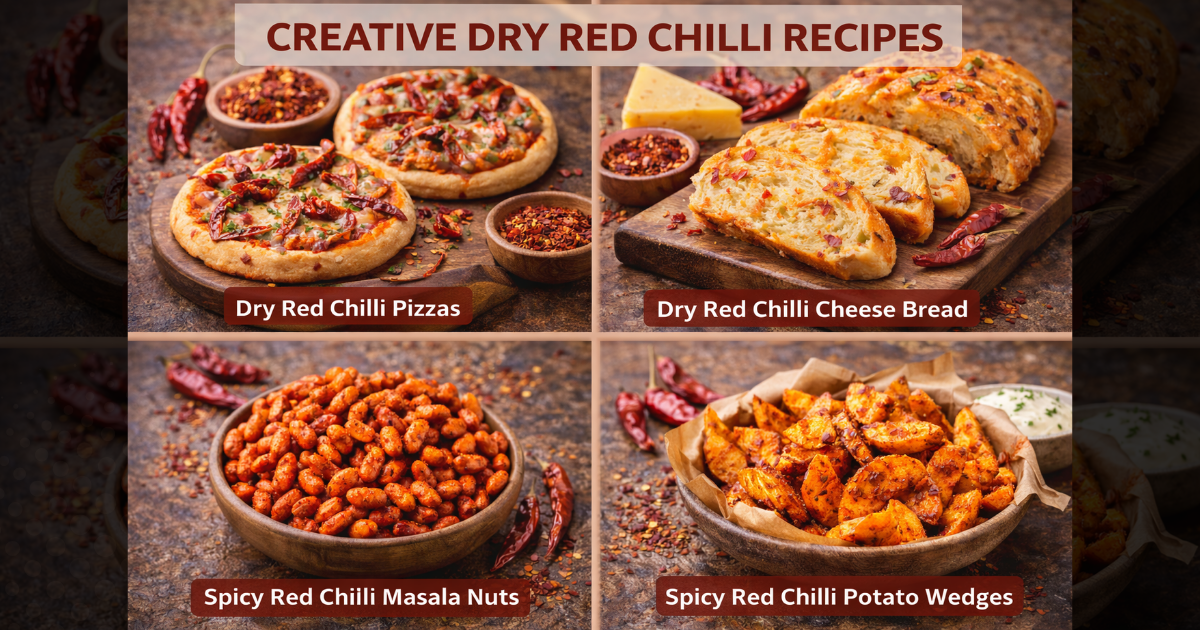
Condiments and preserves offer fertile ground for experimentation. Dry red chilli jam, made by rehydrating chillies and cooking them down with fruit and sugar, bridges sweet and savory applications. Chilli-spiked pickles, whether quick-refrigerator versions or traditionally fermented, add complexity to sandwiches and cheese boards.
Even breakfast gets an upgrade: sprinkle crushed dry red chillies over yogurt with honey, incorporate them into granola for unexpected warmth, or blend them into smoothies with mango and ginger for an energizing start.
Fusion Cuisine and Global Experimentation
The global kitchen knows no borders, and dry red chillies are finding homes in cuisines worldwide. Italian aglio e olio gains new dimension with Indian dry red chillies replacing conventional red pepper flakes. Mexican mole benefits from the complex fruitiness of Kashmiri chillies. Korean-inspired gochugaru substitutes using Indian varieties create familiar yet distinct flavor profiles.
Chefs experimenting with these cross-cultural applications often seek suppliers who can provide traceability and consistent quality—something that precision agriculture delivers by monitoring soil conditions, water usage, and optimal harvest timing.
The Agricultural Evolution Supporting Culinary Innovation
Behind every creative use of dry red chillies lies a supply chain adapting to modern demands. Farmers implementing smart farming technologies can now monitor crop health in real-time, optimize irrigation, and harvest at peak ripeness. These advances ensure that chillies destined for premium applications meet exacting standards for flavor, color, and heat intensity.
The processing and drying phases are equally critical. Controlled drying methods preserve essential oils and prevent contamination, resulting in products that perform reliably in both traditional and innovative applications. As consumer awareness grows around food provenance, farmers utilizing sustainable methods including carbon farming find themselves better positioned in export markets.
Meeting Global Demand Through Reliable Partnerships
As international interest in Indian spices continues expanding, establishing connections with experienced export partners becomes essential for producers and buyers alike. Vipra Overseas specializes in connecting global markets with premium Indian agricultural products, including fresh fruits, fresh vegetables, beans, frozen products, spices, and grains. Their expertise in quality control, logistics, and regulatory compliance ensures that innovative chefs and food manufacturers worldwide can access the authentic Indian dry red chillies their creative recipes demand.
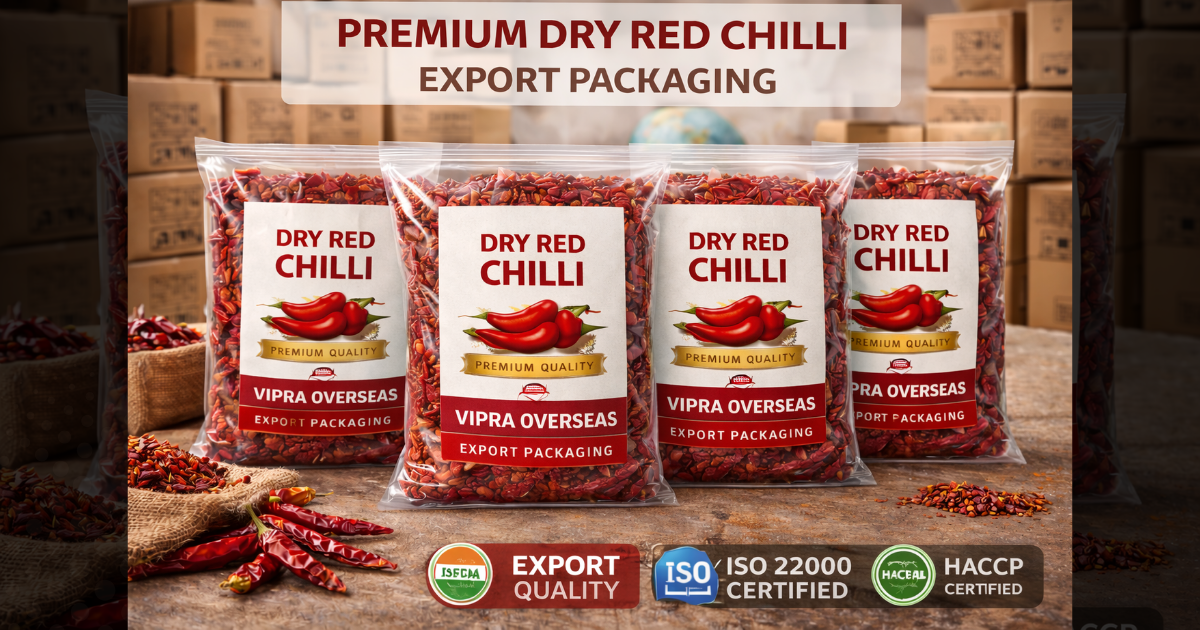
Whether you’re a restaurant developing a signature spice blend or a home cook exploring new flavor territories, having access to quality-verified products makes all the difference in achieving consistent, impressive results.
Pushing Boundaries While Honoring Tradition
The journey of dry red chillies from traditional spice racks to experimental kitchens represents more than culinary trend-chasing. It reflects a broader appreciation for how agricultural heritage can fuel contemporary innovation. Each creative application—whether a chilli-honey drizzle on pizza or a complex dry rub for barbecue—honors the farmers who cultivate these peppers while pushing the boundaries of what’s possible.
The next time you reach for dry red chillies, pause before defaulting to familiar preparations. Consider what happens when tradition meets imagination, when age-old ingredients encounter modern techniques. That small jar of dried chillies might just become the catalyst for your most memorable dish yet.