
Dry red chillies are the backbone of Indian cuisine and a vital component in kitchens worldwide. Whether you’re cooking at home or managing an export business, understanding how to select and store these fiery gems can make all the difference between vibrant, aromatic dishes and dull, flavorless meals. Poor storage leads to moisture absorption, color fading, and loss of that distinctive heat and aroma that makes dry red chillies indispensable.
The challenge isn’t just buying good chillies—it’s keeping them in prime condition for months. Many home cooks and even commercial buyers make simple mistakes that compromise quality. This guide will walk you through the entire process, from selecting the best chillies at the market to preserving their flavor using proven storage techniques.
What Makes Dry Red Chillies Flavorful
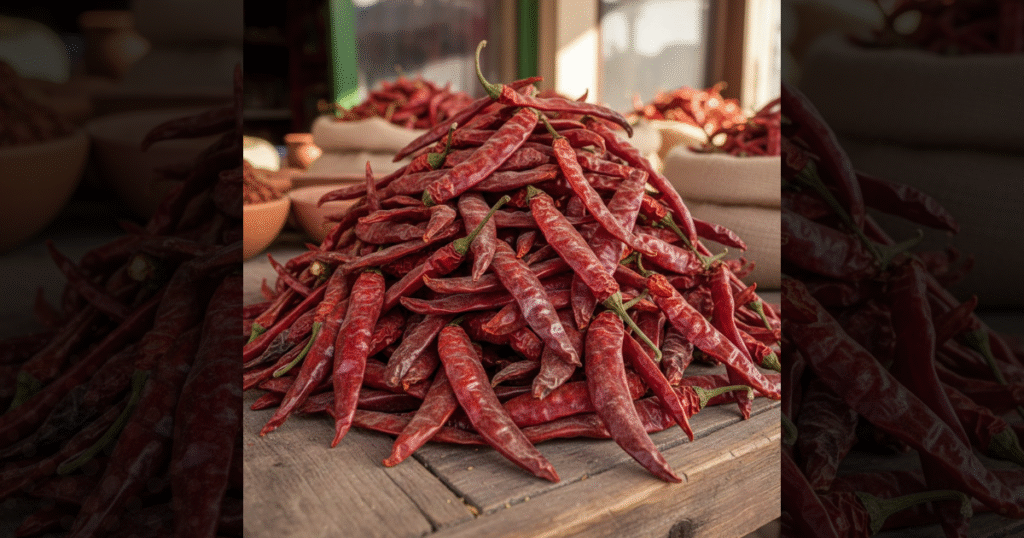
The flavor profile of dry red chillies comes from capsaicin content, essential oils, and natural pigments. When chillies are sun-dried properly, these compounds concentrate, creating that intense heat and deep red color we associate with premium spices. The drying process is crucial—chillies dried too quickly lose volatile oils, while those dried too slowly may develop mold.
Temperature, humidity, and air circulation during drying determine the final quality. Traditional sun-drying methods used across India have been refined over generations, producing chillies with robust flavor. Modern dehydration techniques offer consistency but sometimes lack the depth achieved through natural methods.
Understanding these fundamentals helps you appreciate why storage matters so much. Once dried, chillies are hygroscopic—they absorb moisture from the air, which degrades their quality rapidly.
Identifying Quality During Purchase
When shopping for dry red chillies, look for these indicators of freshness and quality:
Color and appearance: Premium chillies display deep, uniform red coloring without brown patches or discoloration. The skin should be smooth and intact, not wrinkled excessively. Sun-dried red chillies often have a slightly glossy appearance from their natural oils.
Texture and brittleness: Good chillies snap cleanly when bent rather than bending flexibly. Flexible chillies indicate moisture content, which shortens shelf life and encourages fungal growth.
Aroma: Fresh dry chillies emit a sharp, pungent aroma when crushed lightly. A weak or musty smell signals old stock or improper storage.
Stem condition: The stem should be attached and dry. Missing stems or green stems indicate either mechanical damage or incomplete drying.
Avoid chillies with visible mold spots, excessive dust, or an oily residue that seems artificial—some vendors apply oil to make old stock look fresh.

Regional Varieties and Their Characteristics
India produces numerous dry red chilli varieties, each with distinct storage requirements. Kashmiri chillies are prized for their brilliant color but mild heat, making them popular in dishes where visual appeal matters. Their thin skin makes them more susceptible to moisture damage, requiring extra care during storage.
Guntur and Teja varieties from Andhra Pradesh pack serious heat with thicker flesh. These robust chillies handle storage better but need protection from light to maintain their red pigmentation. Byadgi chillies from Karnataka offer a balance of color and moderate heat, widely used in south Indian cuisine.
When buying in bulk—common for restaurants or families stocking up—consider your usage patterns. Higher heat varieties maintain potency longer, while color-focused varieties need more careful handling to prevent fading.
Storage Mistakes to Avoid
Even experienced cooks make these common errors that compromise dry red chilli quality:
Plastic bag storage: Storing chillies in sealed plastic bags traps moisture, creating perfect conditions for mold growth and flavor degradation. Plastic also doesn’t protect against light exposure.
Refrigerator storage: While it seems logical to refrigerate spices, the moisture fluctuations when removing and replacing containers cause condensation, damaging dry chillies.
Grinding entire batches: Many people grind their entire stock into powder immediately. While convenient, ground chilli loses flavor exponentially faster than whole chillies due to increased surface area exposed to air.
Open container storage: Leaving chillies in open containers or loosely tied bags exposes them to humidity, kitchen odors, and light—all enemies of flavor preservation.
Ignoring pest control: Dry chillies attract storage pests if not properly contained. Once infested, entire batches become unusable.
Best Practices for Long-Term Storage
Proper storage preserves chilli aroma and flavour retention while extending shelf life considerably. Here’s how professionals and experienced home cooks do it:
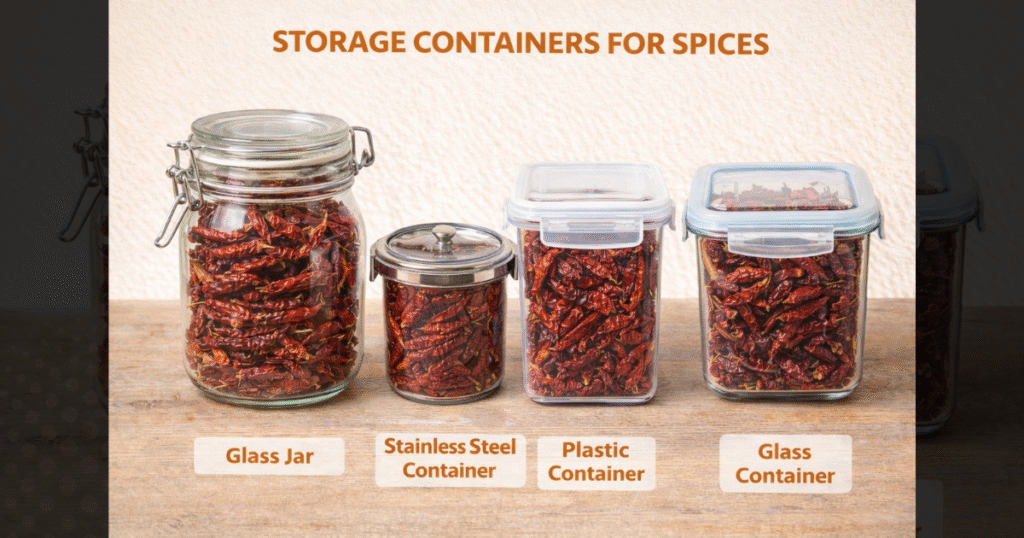
Container selection: Glass jars with airtight lids work exceptionally well. The transparency lets you monitor condition without opening repeatedly. For larger quantities, food-grade metal containers with tight-fitting lids provide excellent protection.
Moisture control: Before storage, ensure chillies are completely dry. Spread them on newspaper in sunlight for 2-3 hours if you suspect any moisture. Adding a small cloth pouch of dry rice inside the container absorbs residual moisture.
Location matters: Store containers in cool, dark cupboards away from the stove or windows. Heat and light accelerate flavor loss and color fading. A pantry with stable temperature is ideal.
Whole versus ground: Keep most chillies whole, grinding small quantities as needed. Whole chillies maintain quality for 12-18 months when stored properly, while powder degrades within 3-4 months.
Periodic inspection: Check stored chillies monthly for signs of moisture or pests. Remove any damaged pieces immediately to prevent spread.
Traditional Storage Wisdom Meets Modern Methods
Traditional spice storage methods used across India offer time-tested solutions. Many households store dry chillies in cloth bags hung in well-ventilated areas, allowing air circulation while protecting from direct light. Some add dried neem leaves to repel insects naturally.
The fruits house approach to storage emphasizes natural pest control and ventilation. Earthen pots, used for generations, maintain stable internal temperatures and allow minimal moisture exchange through porous walls.
Modern vacuum-sealed packaging extends shelf life significantly, especially valuable for export-quality spice handling. However, for daily kitchen use, vacuum sealing isn’t practical since you need frequent access. A hybrid approach works best—vacuum seal long-term storage portions while keeping smaller amounts in daily-use containers.
Professional spice traders often store in climate-controlled warehouses, maintaining specific humidity and temperature levels. While not feasible for home storage, understanding these quality parameters helps explain why some commercial chillies outlast home-stored varieties.
Commercial Kitchens and Export Considerations
Large-scale operations face unique challenges with dry chilli preservation. Restaurant kitchens consuming significant quantities need systems that balance accessibility with protection. Bulk storage bins with portion control dispensers minimize exposure time while maintaining workflow efficiency.
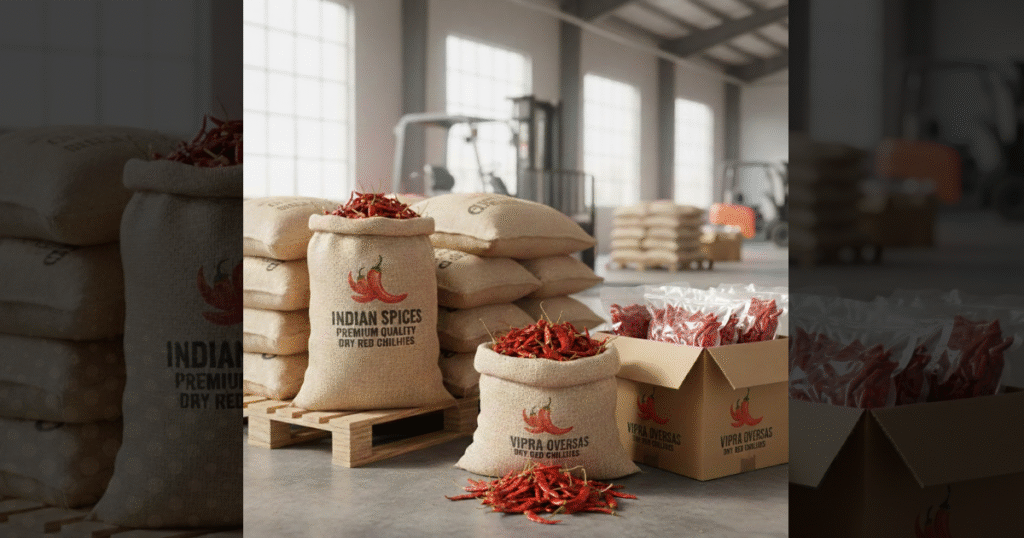
Export businesses must meet stringent spice quality parameters for international markets. Proper storage from farm to shipment ensures products arrive with color, flavor, and heat intact. Temperature logs, moisture testing, and regular quality checks become essential at commercial scales.
The Indian spice supply chain has evolved considerably, with improved dry red chilli packaging technologies. Modified atmosphere packaging and moisture barrier films protect products during long-distance transport, crucial when kinds of fruits and vegetables or spices travel from production zones to global markets.
Quality Storage Supports Global Trade
India dominates global dry red chilli exports, with quality directly tied to storage practices throughout the supply chain. Buyers worldwide expect consistent heat levels, vibrant color, and freedom from contamination—all outcomes of proper handling.
From the farm where chillies are harvested to processing centers, storage facilities, and international shipping, each stage impacts final quality. Temperature variations during sea freight, humidity in port warehouses, and handling during distribution all test storage solutions.
Understanding these challenges helps appreciate why quality control matters at every level. For businesses involved in spice trade, investing in proper storage infrastructure isn’t optional—it’s fundamental to maintaining market reputation.
Vipra Overseas: Your Partner in Quality Agro Exports
When sourcing premium agricultural products for global markets, Vipra Overseas stands as a trusted name in the export industry. The company specializes in delivering top-quality produce that meets international standards through careful selection and storage practices.
Vipra Overseas handles comprehensive export solutions for fresh fruits including seasonal varieties that have delighted consumers worldwide. Their expertise extends to fresh vegetables, ensuring farm-fresh quality reaches international buyers with optimal freshness and nutrition intact.
The company’s portfolio includes beans—both fresh and processed varieties—catering to diverse culinary needs across continents. Their frozen products category maintains cold chain integrity from processing to delivery, guaranteeing quality preservation.
As spice specialists, Vipra Overseas understands the nuances of handling dry red chillies and other aromatic ingredients, employing storage best practices that preserve flavor profiles. Additionally, their grains category encompasses various pulses and cereals sourced from India’s agricultural heartland.
With established presence in fruits originated in india exports, Vipra Overseas combines traditional knowledge with modern logistics to serve discerning global clients.

Practical Tips for Home Storage Success
For everyday cooking needs, these simple practices ensure your dry red chillies stay flavorful:
Buy in quantities you’ll use within six months. Even with perfect storage, flavor diminishes over time. Purchase whole chillies rather than pre-ground powder whenever possible.
Before storing newly purchased chillies, sun them for a few hours to eliminate any residual moisture. This simple step prevents many storage problems.
Label containers with purchase dates. Rotate stock, using older batches first. This prevents forgotten jars sitting for years losing all potency.
Keep a small quantity in your daily-use masala dabba or spice tin, refilling from main storage. This minimizes opening your primary storage container repeatedly.
During monsoon season, extra vigilance prevents moisture-related issues. Some cooks add an extra layer of protection by wrapping containers in newspaper or storing in cupboards with silica gel packets.
Final Thoughts on Preserving Maximum Flavor
Choosing quality dry red chillies is only half the equation—proper storage completes the picture. The techniques shared here apply whether you’re a home cook cherishing authentic flavors or a business professional managing commercial quantities.
Remember that dry red chilli freshness directly impacts your cooking results. Those few extra minutes spent selecting good chillies and storing them properly pay dividends in every dish you prepare. The vibrant heat, rich color, and aromatic punch that make Indian cuisine spectacular all depend on preserving these qualities from purchase to plate.
By following these storage best practices and avoiding common mistakes, you’ll enjoy consistently flavorful chillies year-round. Your curries will taste richer, your spice blends more aromatic, and your cooking more authentic—all because you took the time to store your chillies correctly.
Whether you’re stocking your home pantry or managing agricultural exports, these principles remain constant: protect from moisture, shield from light, maintain cool temperatures, and minimize air exposure. Master these fundamentals, and your dry red chillies will reward you with maximum flavor every single time.