
Running out of dry red chillies mid-recipe can feel frustrating, especially when you’re preparing a dish that relies on their distinctive heat and colour. Whether you’re cooking a traditional curry, making a spice blend, or simply adding depth to your meal, knowing reliable alternatives can save your dish and your day.
This guide explores practical substitutes that work in real kitchens, helping you maintain flavour balance and heat levels even when your spice jar runs empty.
Understanding What Dry Red Chillies Bring to Your Dish
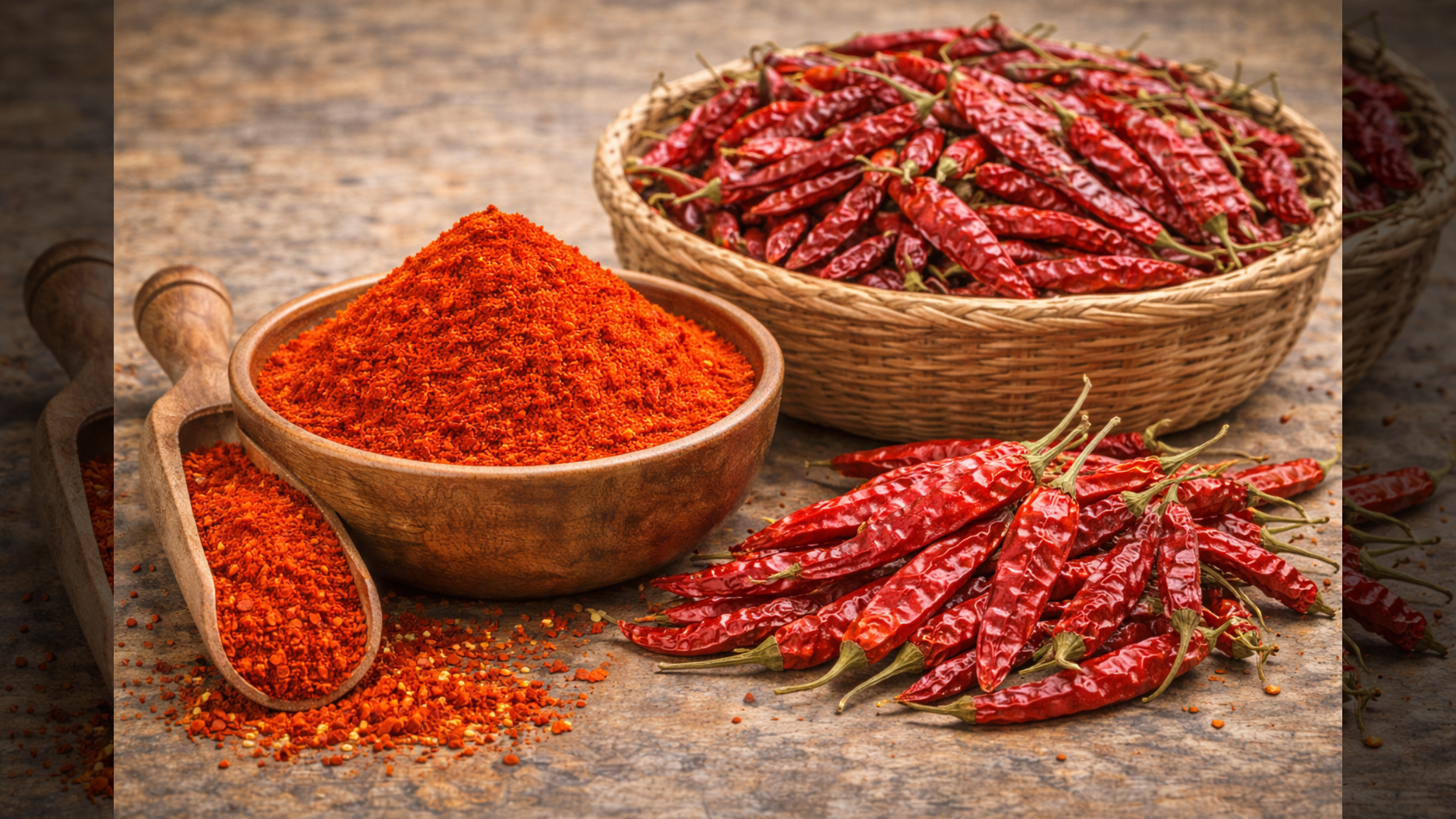
Before reaching for a replacement, it helps to understand what dry red chillies actually contribute. They provide heat, certainly, but also a smoky depth, vibrant red colour, and subtle fruity undertones that fresh varieties don’t always deliver.
The drying process concentrates their capsaicin content, making them more potent than many fresh options. They also add texture when ground or fried whole, releasing aromatic oils that form the foundation of countless regional dishes.
Key Factors Before Choosing Your Substitute
Not all replacements work equally well in every situation. Consider the heat level you’re aiming for—some substitutes pack more punch, while others deliver mild warmth. Think about whether you need the visual appeal of red colour or if flavour alone matters.
Texture plays a role too. Whole dried chillies behave differently than powdered alternatives when added to hot oil or ground into pastes. Fresh options introduce moisture that can alter cooking times and consistency.
The cuisine you’re preparing matters as well. Mexican, Indian, Thai, and Korean dishes each use dried chillies differently, so your substitute should align with the cooking method and final flavour profile you’re targeting.
Practical Alternatives That Actually Work
Cayenne Pepper
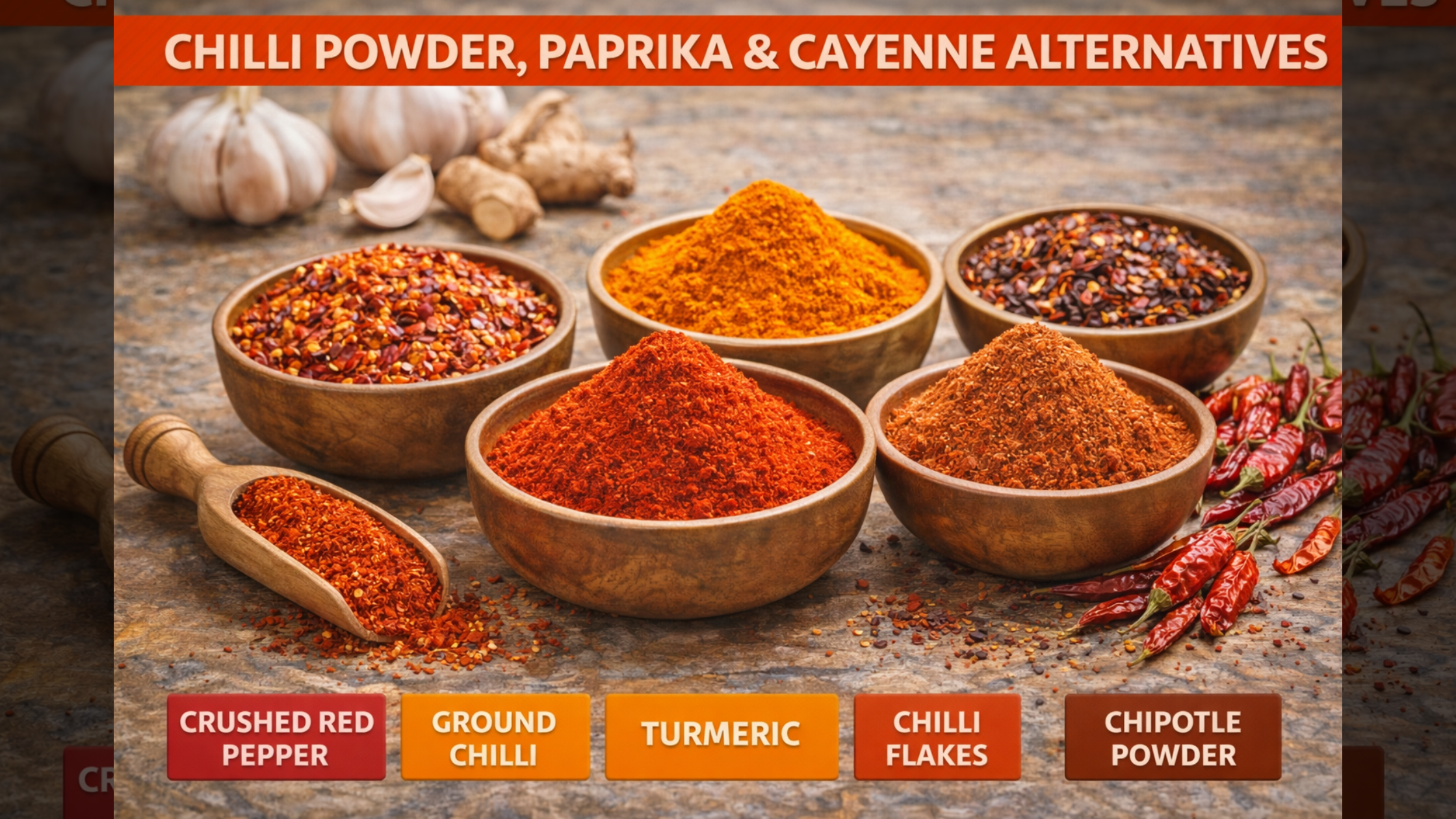
This finely ground powder delivers intense heat without much sweetness. Use roughly one-third the amount you’d use of ground dry red chillies, as cayenne burns hotter. It works brilliantly in spice rubs, marinades, and quick-cooking dishes where you need immediate heat distribution.
Paprika Combined with Hot Sauce
For dishes needing colour more than fire, sweet or smoked paprika provides the red hue and gentle warmth. Add a few dashes of hot sauce to compensate for heat. This combination works especially well in stews and braised preparations where liquid ingredients blend naturally.
Chilli Flakes
Crushed red pepper flakes make excellent stand-ins when you need visible spice particles. They work particularly well in Italian-inspired dishes, pizza toppings, and pasta preparations. Start with half the quantity and adjust upward—flakes can vary significantly in heat depending on the variety and seeds included.
Fresh Red Chillies
When fresh varieties are available, they can replace dried ones with some adjustments. Use two to three fresh chillies for every dried one, and expect a brighter, less smoky flavour. Remove seeds to reduce heat if needed. Fresh options work best in dishes with shorter cooking times where moisture won’t cause issues.
Ancho or Guajillo Chilli Powder
These Mexican dried chilli varieties offer complex, slightly sweet flavours with moderate heat. They’re ideal when you want depth without overwhelming spiciness. Toast them lightly before grinding for enhanced aroma.
Balancing Mild and Spicy Replacements
Understanding heat levels helps you adjust confidently. If your original recipe called for moderately hot dry chillies but you’re using mild paprika, compensate with a pinch of cayenne or white pepper. Conversely, when substituting with something fierier like Thai bird’s eye chillies, reduce the quantity and taste as you go.
Remember that heat builds during cooking. Ingredients that seem mild initially can intensify as moisture evaporates and flavours concentrate. Always start conservatively—you can add more, but you can’t take it back.
Adjusting Flavour Profiles During Substitution
Beyond heat, consider the flavour dimensions you’re replacing. Dry red chillies often contribute earthy, slightly fruity notes. Smoked paprika can replicate the smoky element, while a touch of tomato paste might add the missing depth and colour in liquid-based dishes.
Some cooks add a small amount of sugar or tamarind when using sharper substitutes like cayenne to balance the flavour complexity that dried chillies naturally provide. Experiment with small batches first to understand how different replacements interact with your other ingredients.
Common Substitution Mistakes to Avoid
The biggest error is assuming all chilli products are interchangeable at equal ratios. Each variety brings unique characteristics that affect both taste and cooking behaviour. Adding too much of a potent substitute can overwhelm your dish beyond redemption.
Another mistake is ignoring the moisture content of fresh alternatives. Adding fresh chillies to a dry spice blend or rub can create clumping and uneven distribution. If using fresh options, adjust your recipe’s liquid ratios accordingly.
Don’t forget about colour expectations. Some substitutes deliver heat without the characteristic red hue that many dishes require for visual appeal. Consider adding natural colouring agents like beetroot powder or extra paprika when appearance matters.
Regional Flexibility in Spice Traditions
Different culinary traditions approach chilli usage with varying degrees of flexibility. Indian cooking, for instance, often layers multiple chilli forms—whole, powdered, and fresh—within a single dish. Understanding this gives you permission to mix substitutes rather than seeking one perfect replacement.
Korean cuisine relies heavily on gochugaru, a specific dried chilli flake, but home cooks successfully adapt using combinations of paprika and standard chilli flakes when authentic versions aren’t available. The key is understanding the role each ingredient plays.
Mexican cooking distinguishes between numerous dried chilli varieties, each contributing distinct flavour profiles. While purists might insist on exact matches, practical home cooking allows for creative substitution that honours the spirit of the dish even when specific ingredients aren’t accessible.
How Global Food Supply Influences Spice Availability
The availability of spices in local markets depends heavily on international trade networks and seasonal production cycles. As a fruits exporter working across global markets, companies like Vipra Overseas understand how agricultural supply chains affect ingredient accessibility everywhere.
Climate variations, transportation logistics, and regional growing conditions determine which spices reach your local store and when. Some regions experience temporary shortages of specific varieties, making substitute knowledge essential for consistent cooking throughout the year.
Understanding these dynamics helps home cooks appreciate why certain ingredients might become scarce and why building a versatile spice pantry matters. The same supply considerations that affect fruits frozen for international markets also impact the dried spice trade, where preservation, packaging, and distribution timelines influence final product quality.
Vipra Overseas: Supporting Global Agro-Product Supply
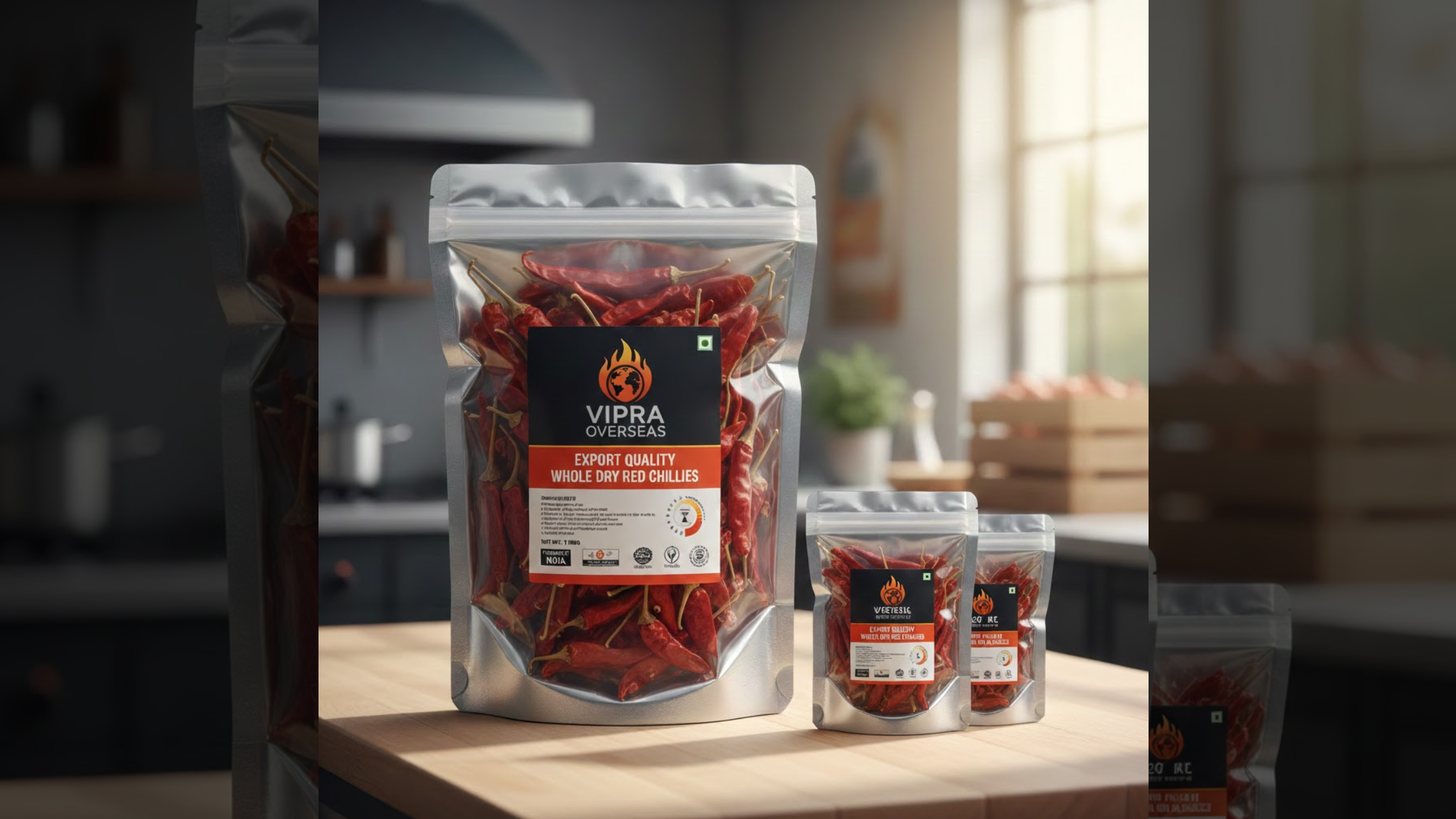
When it comes to reliable sourcing of quality ingredients, established exporters play a crucial role in connecting producers with markets worldwide. Vipra Overseas specializes in exporting premium agro products that meet international quality standards across multiple categories.
Their export portfolio includes fresh fruits that reach markets across continents, maintaining peak ripeness and nutritional value through careful handling and climate-controlled logistics. They also supply fresh vegetables harvested at optimal maturity, ensuring customers receive produce with maximum flavour and shelf life.
The company exports various beans, recognized for their protein content and culinary versatility in global cuisines. Their frozen products category preserves seasonal produce year-round, making ingredients available regardless of harvest cycles. This includes fruits frozen using advanced techniques that lock in freshness and nutrients.
Vipra Overseas supplies authentic spices sourced from premier growing regions, understanding that quality spices form the foundation of exceptional cooking. Their grain exports provide essential staples that support food security and culinary traditions across different markets.
For businesses and consumers seeking reliable agricultural products from India, Vipra Overseas represents the connection between traditional farming expertise and modern export infrastructure, ensuring authentic ingredients reach kitchens worldwide.
Cooking Confidently Without Your Primary Ingredient
The ability to substitute ingredients skillfully reflects true cooking competence. Rather than viewing missing dry red chillies as a crisis, see it as an opportunity to understand flavour construction more deeply and expand your culinary flexibility.
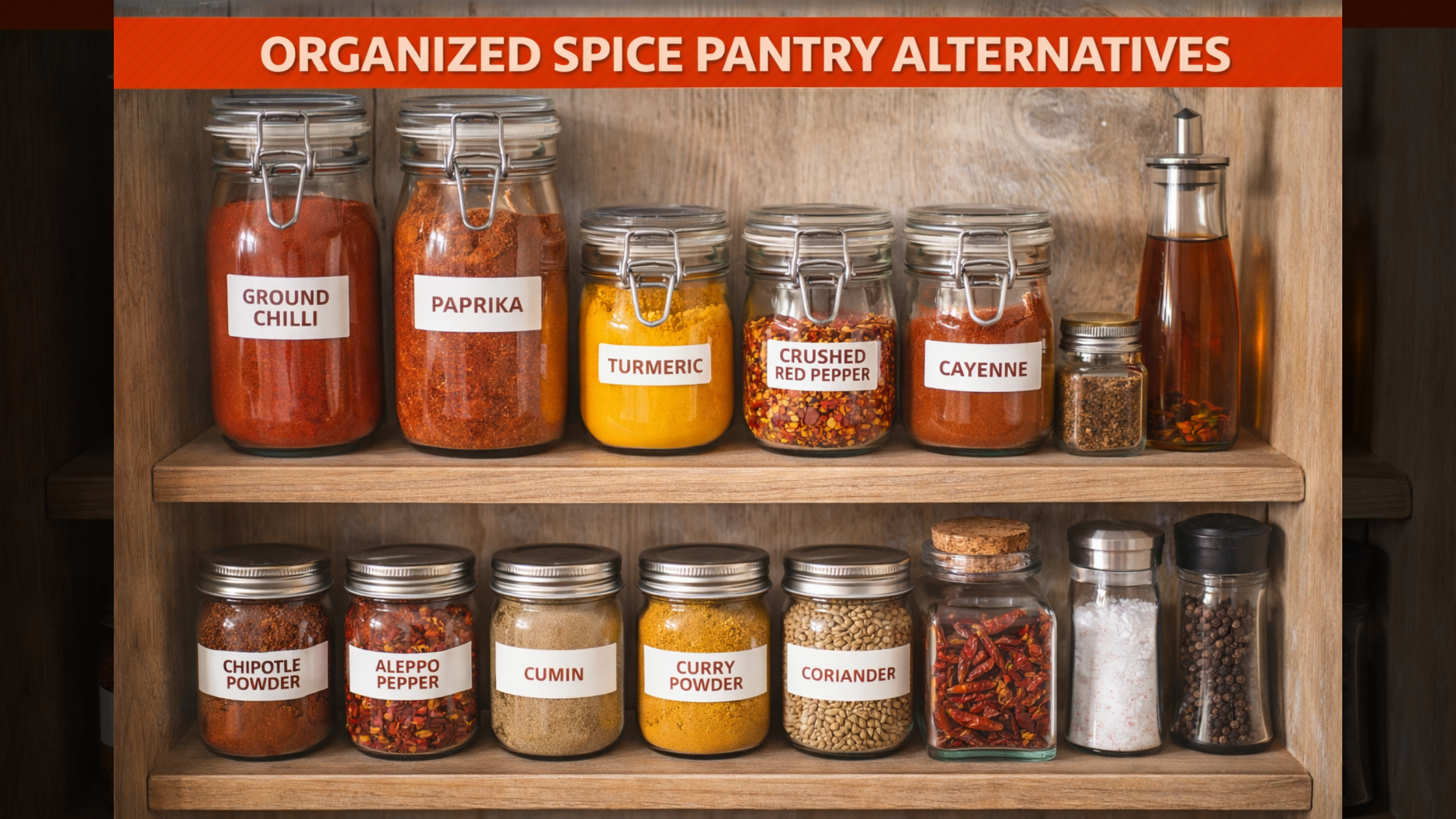
Keep a well-stocked spice cabinet with multiple heat sources—cayenne, paprika, chilli flakes, and perhaps a bottle of hot sauce. This diversity ensures you’re never completely stuck, regardless of what your recipe calls for.
Remember that cooking is both science and art. While precision matters in baking, savoury cooking allows for interpretation and adjustment. Trust your palate, taste frequently, and adjust as needed. The best substitute is ultimately the one that delivers the flavour and heat level you enjoy.
With these alternatives and techniques in your repertoire, running out of dry red chillies becomes a minor inconvenience rather than a cooking disaster. Your dishes will continue to deliver the warmth, colour, and complexity that make them memorable, proving that adaptability is just as valuable as any single ingredient.