
A New Way of Growing Traditional Crops
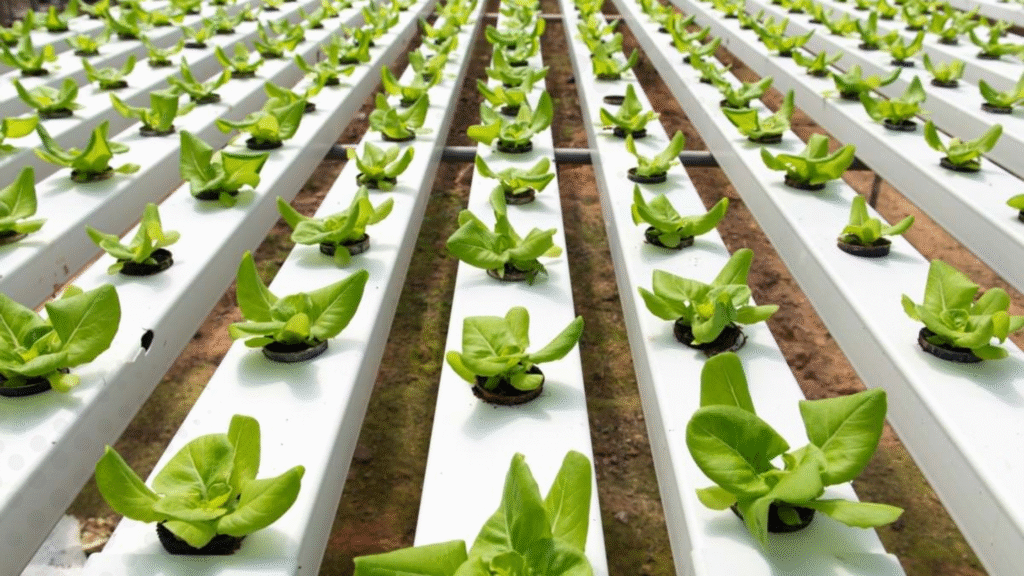 Indian cooking is deeply connected to fresh vegetables. From the simplest home meal to rich restaurant dishes, vegetables play a central role in daily food habits. Traditionally, these crops grow in soil and depend heavily on seasons, water supply, and weather conditions. Today, hydroponics is slowly changing this pattern by allowing Indian vegetables to grow using water and nutrients instead of soil.
Hydroponic farming is not limited to leafy greens alone anymore. Many popular Indian vegetables now grow beautifully in controlled systems, making it possible to harvest clean, fresh produce throughout the year—even in small spaces.
Why Indian Vegetables Perform Well in Hydroponics
Most Indian vegetables 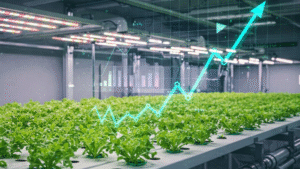 adapt easily to warm climates and consistent moisture, which makes them suitable for hydroponic systems. When grown in a controlled setting, these crops benefit from:
-
Faster growth cycles
-
Reduced pest attacks
-
Cleaner harvest without soil stains
-
Better size and color consistency
-
Lower water consumption
Because nutrient supply stays balanced, plants focus more energy on growth instead of survival stress.
Spinach as a Fast-Growing Favorite
Spinach is one of the easiest Indian vegetables 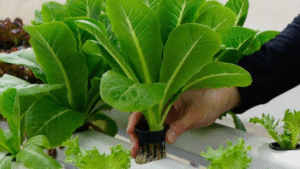 to grow hydroponically. It takes very little time to mature and offers repeated harvests when cut correctly. Spinach thrives in shallow-root systems and shows visible growth within days.
It works well for:
-
Home growers
-
Restaurants
-
Fresh salad markets
-
Daily kitchen consumption
With steady light and clean water, spinach remains soft, deep green, and full of moisture.
Coriander for Fresh Daily Use
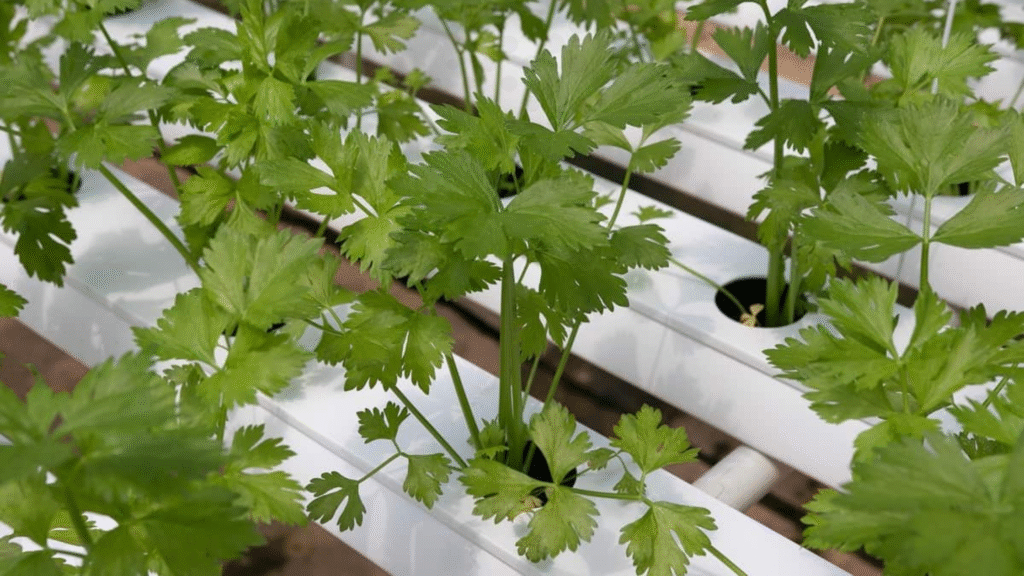 Coriander is a must-have in Indian kitchens. Its short growth cycle and light root structure make it perfect for hydroponic systems. When grown this way, coriander produces:
-
Strong aroma
-
Soft stems
-
Clean leaves
-
Rapid regrowth
Because the system avoids soil contact, washing becomes easier and shelf life improves.
Fenugreek Leaves for Kitchen Demand
Fenugreek leaves, also  known as methi, grow quickly and adapt well to water-based farming. Hydroponically grown methi develops:
-
Tender leaves
-
Even height
-
Reduced bitterness
-
Good moisture balance
Its market demand stays high throughout the year, making it suitable for steady supply.
Tomatoes for Controlled Yield
Tomatoes are slightly 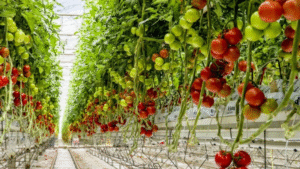 more demanding than leafy greens but perform very well under hydroponic care. With proper light, structure support, and feeding, tomatoes grow with:
-
Uniform shape
-
Brighter natural color
-
Better pulp content
-
Longer storage life
Cherry varieties are especially popular among indoor growers.
Chillies for Spice and Supply
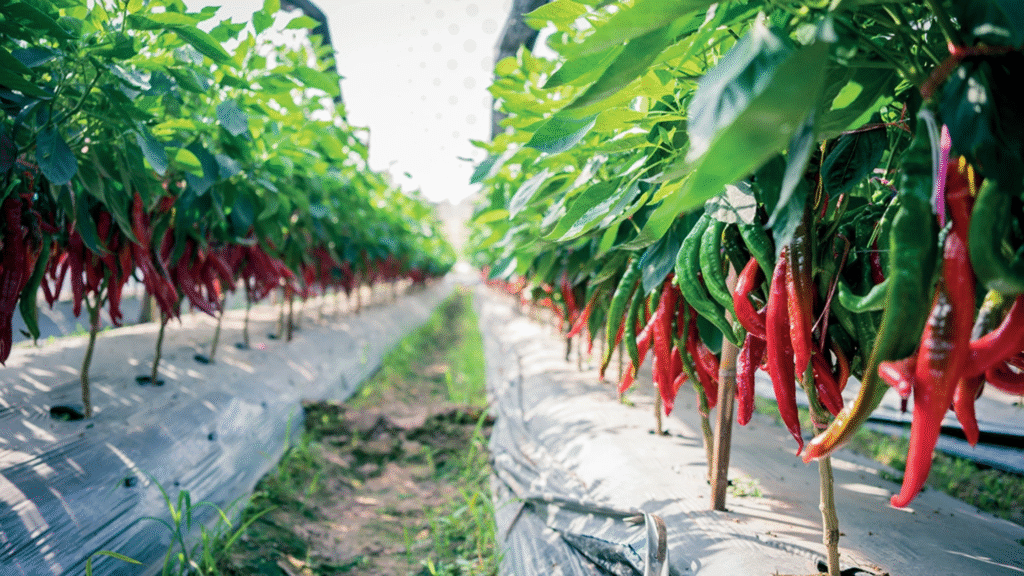 Chillies are a staple in Indian cooking, and hydroponic systems allow growers to control their heat level and size better. Hydroponically grown chillies show:
-
Strong stems
-
Consistent fruiting
-
Reduced fungal problems
-
Better shine on the skin
They grow well in drip-based systems and vertical units.
Cucumber for Fast Harvest
Cucumber grows rapidly 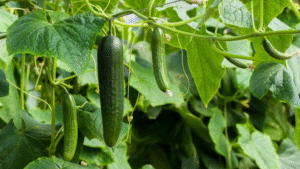 in hydroponics and gives repeated fruiting when supported properly. The fruits develop:
-
Crisp texture
-
Clean surface
-
Even size
-
Good water content
This makes cucumber highly suitable for both fresh sale and bulk supply to hotels.
How These Crops Fit Into Modern Trade
Vegetables grown 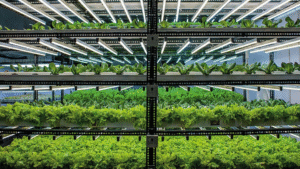 hydroponically attract premium buyers because of their cleanliness and appearance. They are widely accepted in:
-
Supermarkets
-
Hotels
-
Salad processing units
-
Online grocery brands
-
Export packaging units
Some of these vegetables are also used in the product frozen category after cutting and processing, where clean texture plays a major role in quality control.
Storage, Processing, and Packaging Value
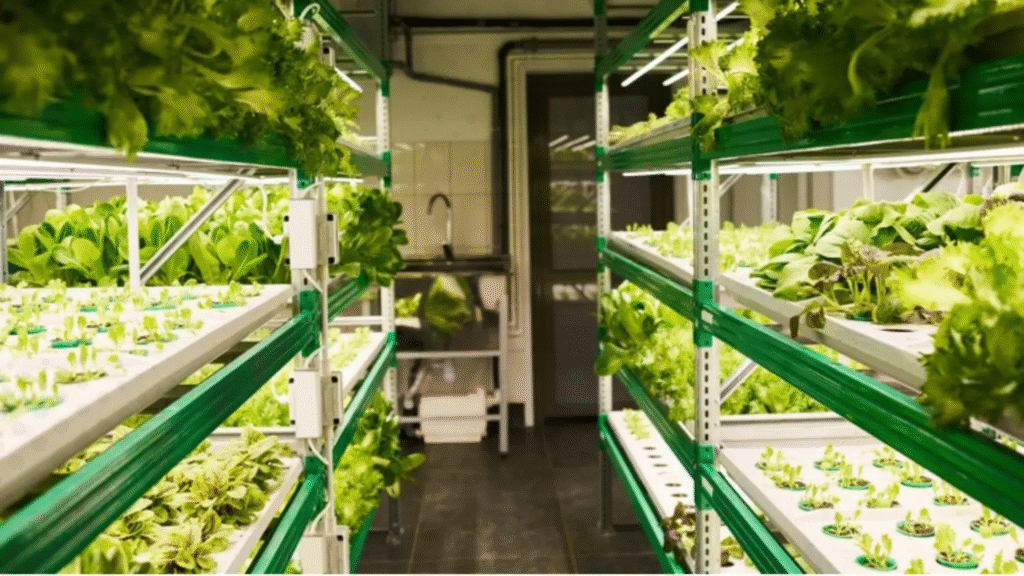 When Indian vegetables grow in clean hydroponic systems, they require less washing and sorting before packing. Their smoother surface and stable moisture help them retain structure during cold storage and long transport cycles.
This also strengthens their position in handling fruits frozen and vegetable freezing units where only high-grade produce qualifies.
Export Demand and the Role of Vipra Overseas
 With increasing global interest in Indian vegetables, export opportunities are expanding faster than ever. Clean, uniform, residue-free produce is always preferred in international markets.
This is where Vipra Overseas plays a strong supporting role. Vipra Overseas helps export agro products such as:
-
Fresh fruits
-
Fresh vegetable
-
Beans
-
Frozen products
-
Spices
-
Grains
By managing quality checks, export documentation, packaging standards, and logistics, Vipra Overseas connects Indian growers to worldwide markets. As hydroponic vegetables meet high-quality standards easily, they fit smoothly into international trade channels supported by experienced exporters like Vipra Overseas.
This also strengthens India’s position as a trusted fruits exporter across premium categories.
Advantages for Home Growers and Small Farms
Hydroponic vegetable  farming is not limited to large commercial units. Even home growers enjoy several benefits:
-
Year-round harvesting
-
Less space required
-
Cleaner kitchen supply
-
No heavy digging work
-
Lower water usage
Small rooftop units can easily meet family consumption needs while also creating surplus for nearby sales.
Common Errors That Limit Vegetable Growth
Some mistakes reduce  hydroponic vegetable yield, including:
-
Overcrowding plants
-
Ignoring water temperature
-
Overfeeding nutrients
-
Weak lighting
-
Poor air circulation
Correcting these early keeps vegetables healthy and productive.
Final Thoughts
Hydroponic farming has opened a new door for growing Indian vegetables with greater control, cleaner harvests, and stable year-round supply. From spinach and coriander to tomatoes, chillies, and cucumbers, many traditional crops now fit perfectly into water-based systems.
With rising demand across domestic markets and growing export opportunities supported by trusted partners like Vipra Overseas, hydroponically grown Indian vegetables are no longer just an experiment—they are becoming a strong pillar of modern food production.