
Best Indian Red Chilli Powder Exporters for Bulk Orders
The global demand for premium-quality spices continues to surge, with red chilli powder remaining one of the most sought-after commodities in international markets. Restaurants, food manufacturers, retail chains, and distributors across continents rely heavily on consistent bulk supplies from trusted sources. India, being the world’s largest producer and exporter of chillies, has positioned itself as the go-to origin for buyers seeking authentic, high-quality red chilli powder in commercial quantities.
Understanding the complexities of sourcing from reliable suppliers requires knowledge of quality standards, processing methods, export regulations, and logistics capabilities. International buyers need partners who can deliver not just the product, but complete transparency in sourcing, processing, and shipment.
India’s Dominance in the Global Chilli Trade
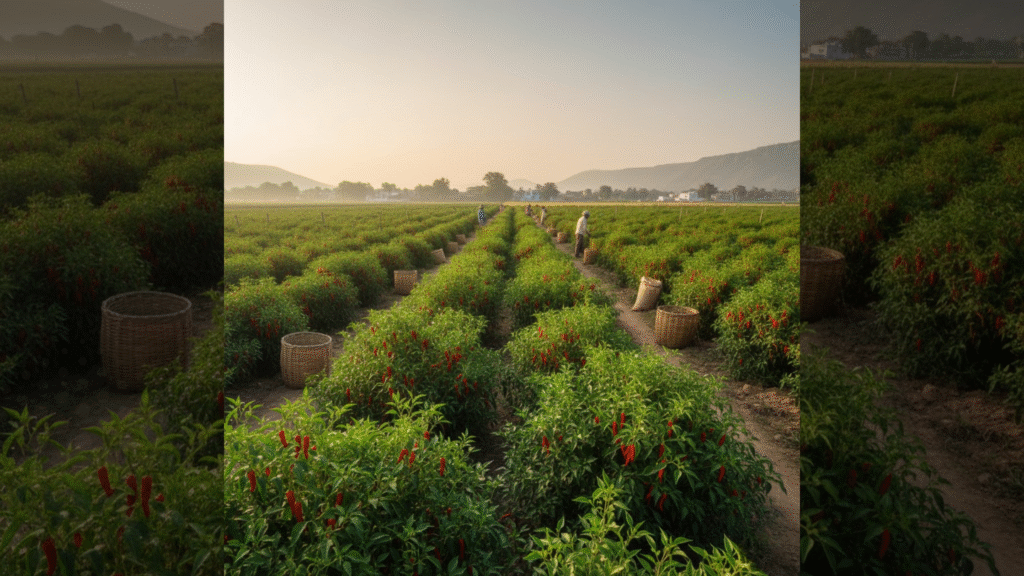
India cultivates over 40% of the world’s chillies, with states like Andhra Pradesh, Telangana, Karnataka, and Maharashtra leading production. This agricultural strength translates directly into export competitiveness. Indian varieties such as Teja, Sannam, Byadgi, Guntur, and Kashmir chillies offer diverse heat levels, color intensity, and flavor profiles that cater to varied international preferences.
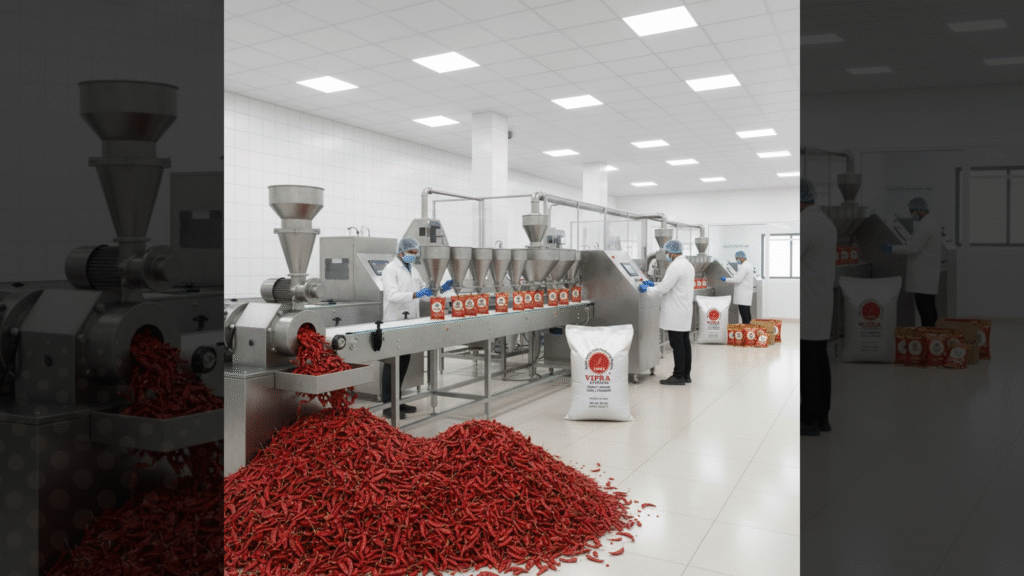
The country’s well-established spice processing infrastructure, combined with decades of export experience, ensures that bulk orders are handled with precision. From farm-level procurement to advanced grinding and packaging facilities, the supply chain is designed to maintain consistency across large volumes.
What International Buyers Prioritize in Bulk Suppliers
When sourcing large quantities, buyers evaluate suppliers on multiple parameters beyond just price. Quality consistency across shipments remains the primary concern. A single container of substandard product can disrupt entire production schedules and damage brand reputations.
Transparency in sourcing is equally critical. Buyers increasingly demand traceability to ensure that products come from authentic origins and meet their specific requirements for heat levels, color values, and microbial limits. Suppliers who maintain direct relationships with farmer groups and have in-house testing laboratories gain preference.
Regulatory compliance cannot be compromised. Export quality chilli powder must meet destination country standards for pesticide residues, aflatoxin levels, and food safety parameters. Suppliers with APEDA registration, FSSAI licenses, and international certifications like ISO, HACCP, or organic credentials demonstrate their commitment to quality management.
Understanding Product Grades and Specifications
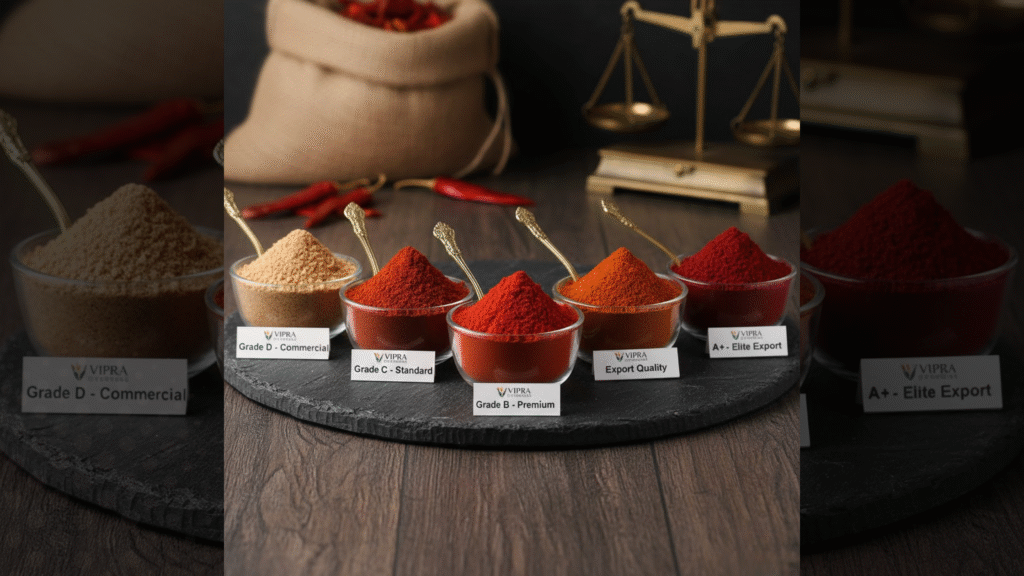
Indian red chilli powder comes in various grades based on heat intensity, color, and moisture content. The Scoville Heat Unit (SHU) rating helps buyers specify their exact requirements, ranging from mild varieties at 5,000-15,000 SHU to extremely hot variants exceeding 50,000 SHU.
Color value, measured using ASTA (American Spice Trade Association) standards, determines the visual appeal and concentration. Premium grades typically achieve ASTA color values above 100, making them ideal for applications where vibrant red appearance is essential.
Mesh size specifications affect texture and application suitability. While standard grinding produces 30-40 mesh powder, buyers can request finer 60-80 mesh for specific industrial applications or coarser grades for traditional preparations.
Packaging Solutions for Commercial Volumes
Bulk packaging must balance protection, handling efficiency, and cost-effectiveness. Multi-layer paper bags with polyethylene liners are standard for 25 kg and 50 kg units, offering moisture protection while remaining economical for large volumes. For premium segments, vacuum-sealed aluminum pouches inside corrugated boxes provide extended shelf life.
Container loading optimization requires careful planning. A standard 20-foot container typically accommodates 12-15 metric tons, depending on packaging configuration. Experienced suppliers ensure proper palletization, moisture-absorbent placement, and fumigation compliance to prevent transit damage.
Private label requirements are increasingly common, especially for retail distributors. Leading suppliers offer complete customization—from custom grinding specifications to branded packaging with buyer-specific labels, barcodes, and nutritional information printed as per destination regulations.
Essential Certifications and Documentation
Export quality spice processing demands adherence to strict regulatory frameworks. APEDA registration serves as the foundational requirement for all Indian spice exporters, ensuring compliance with government-mandated quality standards and traceability systems.
FSSAI compliance for spice export verifies that processing facilities meet food safety standards. International buyers often request additional certifications like BRC, IFS, or Kosher depending on their market requirements. Organic certifications—such as USDA Organic, EU Organic, or India Organic—command premium pricing and open doors to specialty markets.
Spice export documentation includes phytosanitary certificates, certificates of origin, health certificates, and laboratory test reports covering pesticide residues, heavy metals, and microbial parameters. Efficient suppliers maintain documentation readiness to prevent shipment delays.

Logistics and Shipping Considerations
Container shipment spices require specialized handling to maintain product integrity. Temperature-controlled environments during storage and transit prevent moisture absorption and quality degradation. Major Indian ports—Nhava Sheva, Mundra, Tuticorin, and Vizag—offer direct connectivity to global destinations with competitive freight rates.
Lead times vary based on destination and shipping routes. European markets typically receive shipments within 20-30 days, while North American destinations may take 30-45 days via ocean freight. Air freight options exist for urgent requirements, though costs increase substantially.
Payment terms and trade finance options significantly influence buyer decisions. Established suppliers offer flexible arrangements including Letters of Credit, advance payment discounts, and credit periods based on buyer credentials and order volumes.
Selecting the Right Export Partner
Due diligence begins with verifying supplier credentials through APEDA directories and industry associations. Requesting facility visits—either physical or virtual—provides insights into processing capabilities and quality control measures.
Sample evaluation before placing bulk orders is non-negotiable. Reputable suppliers provide free samples with complete specification sheets and test reports, allowing buyers to validate quality against their requirements.
Communication responsiveness and technical support capabilities distinguish professional suppliers from commodity traders. Buyers need partners who can provide formulation advice, suggest suitable varieties for specific applications, and troubleshoot issues proactively.
Value Addition and Customization Services
Beyond standard grinding and packaging, leading suppliers offer value-added services that address diverse market needs. Blending capabilities allow creation of custom spice mixes incorporating red chilli powder with other ingredients to buyer specifications.
Private label spice suppliers provide end-to-end solutions—from product development and formulation to branded packaging and regulatory compliance. This turnkey approach enables distributors and retail brands to launch products without investing in processing infrastructure.
Food grade spice processing extends to specialized treatments like steam sterilization for low microbial loads, especially important for customers in pharmaceutical or baby food industries where contamination risks must be minimized.
Modern Agricultural Export Solutions
The integration of diverse agricultural commodities under unified export platforms is transforming how international buyers source from India. Progressive companies now offer comprehensive solutions that extend far beyond single-product specialization, enabling buyers to consolidate their sourcing requirements efficiently.
Fresh produce exports have gained tremendous momentum, supported by improved cold chain infrastructure. The availability of home delivery of vegetables through organized supply chains has demonstrated how technology and logistics can maintain freshness even over long distances. These same principles apply when exporting fruits from India to international markets, where maintaining quality from farm to destination port requires sophisticated handling protocols.
Buyers seeking multiple product categories appreciate working with suppliers who understand the nuances of each commodity. Fresh vegetables demand different handling than frozen products, while spices and grains each have unique storage and shipping requirements. The us vegetables market, for instance, has specific phytosanitary and packaging standards that differ from Middle Eastern or European requirements.
Vipra Overseas: Comprehensive Agro Export Capabilities
Vipra Overseas has established itself as a reliable partner for international buyers seeking diverse agricultural products from India. Their integrated approach addresses the complete spectrum of buyer requirements, from sourcing to documentation to final delivery.
Their product portfolio covers fresh fruits sourced from prime growing regions, ensuring seasonal availability and variety selection tailored to market preferences. Fresh vegetable exports benefit from their direct farmer networks and rapid processing capabilities that maintain nutritional value and shelf life.
For buyers requiring beans—whether fresh, dried, or processed—Vipra Overseas provides multiple varieties with consistent grading and quality assurance. Their frozen product range offers convenience to buyers needing year-round supply without seasonal constraints, with blast freezing technology preserving natural characteristics.
The spices division handles everything from whole spices to custom ground blends, with processing capabilities that meet international standards. Their grains procurement and processing infrastructure ensures buyers receive products meeting exact specifications for moisture content, foreign matter, and broken grain percentages.
This multi-product capability provides strategic advantages. Buyers can consolidate orders, optimize container utilization by mixing complementary products, and establish a single point of contact for diverse requirements. The administrative efficiency alone—unified documentation, single payment process, and coordinated logistics—reduces complexity significantly.
Quality Assurance Across Product Lines
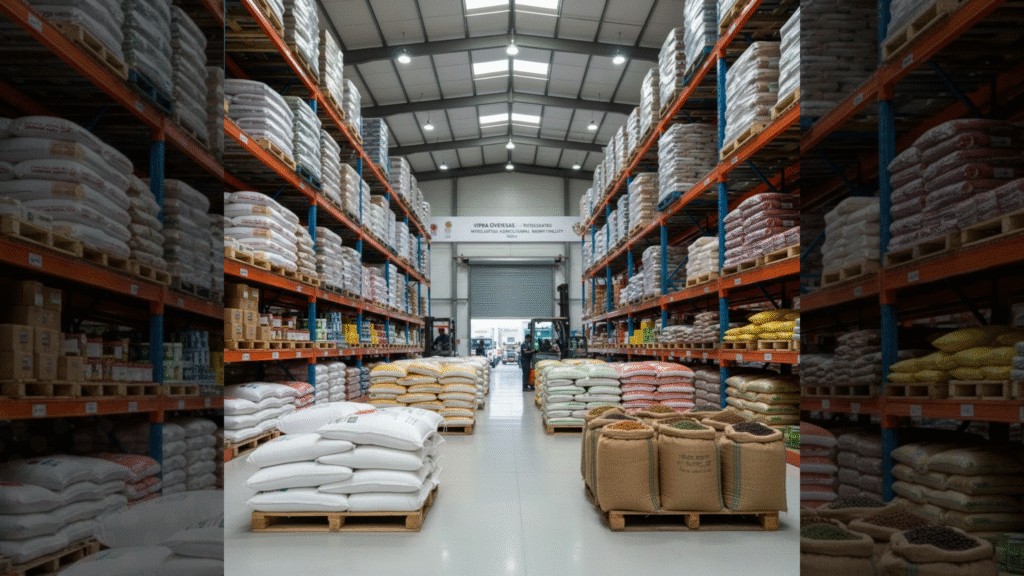
Maintaining consistent quality across diverse agricultural commodities requires robust systems. In-house laboratories equipped with modern testing equipment verify compliance with international standards before shipment. Traceability systems track products from farm origin through processing and export, providing complete supply chain transparency.
Third-party certifications from internationally recognized bodies provide additional assurance. Regular audits by certification agencies verify adherence to documented procedures and continuous improvement in food safety practices.
Navigating Future Market Trends
The spice trade is evolving with changing consumer preferences and regulatory landscapes. Demand for organic and sustainably sourced products continues growing, particularly in developed markets. Suppliers investing in organic certification and sustainable farming partnerships position themselves advantageously.
Traceability requirements are becoming stricter globally. Blockchain-based tracking systems are being implemented by forward-thinking suppliers to provide immutable records of product journey from farm to buyer.
E-commerce platforms are changing how buyers discover and evaluate suppliers. Digital presence, transparent pricing, and online documentation access are becoming competitive necessities rather than luxuries.

Making Informed Sourcing Decisions
International buyers entering or expanding their sourcing from India should approach the process systematically. Initial market research should identify multiple potential suppliers, followed by detailed evaluation of their capabilities, certifications, and track records.
Reference checks with existing clients provide valuable insights into supplier reliability, particularly regarding shipment punctuality and quality consistency. Industry associations and trade bodies can facilitate introductions to verified suppliers.
Starting with smaller trial orders allows relationship development and quality validation before committing to large-volume contracts. This phased approach minimizes risk while establishing mutual trust and understanding of expectations.
Conclusion
Sourcing bulk red chilli powder from India offers international buyers access to authentic products, competitive pricing, and reliable supply chains. Success depends on identifying suppliers who combine processing excellence with regulatory compliance and customer service orientation.
The most effective partnerships develop when buyers and suppliers invest time in understanding each other’s requirements and constraints. Clear communication about specifications, transparent quality documentation, and consistent performance build the foundation for long-term commercial relationships.
As global food industries expand and consumer preferences evolve, the demand for high-quality Indian spices will continue growing. Buyers who establish relationships with capable suppliers today position themselves to capitalize on these opportunities while ensuring their own customers receive products that meet exacting standards.
Whether sourcing red chilli powder exclusively or consolidating diverse agricultural requirements through integrated suppliers, the key lies in thorough evaluation, clear communication, and commitment to quality across every shipment.