
Starting Fresh With a New Growing Method
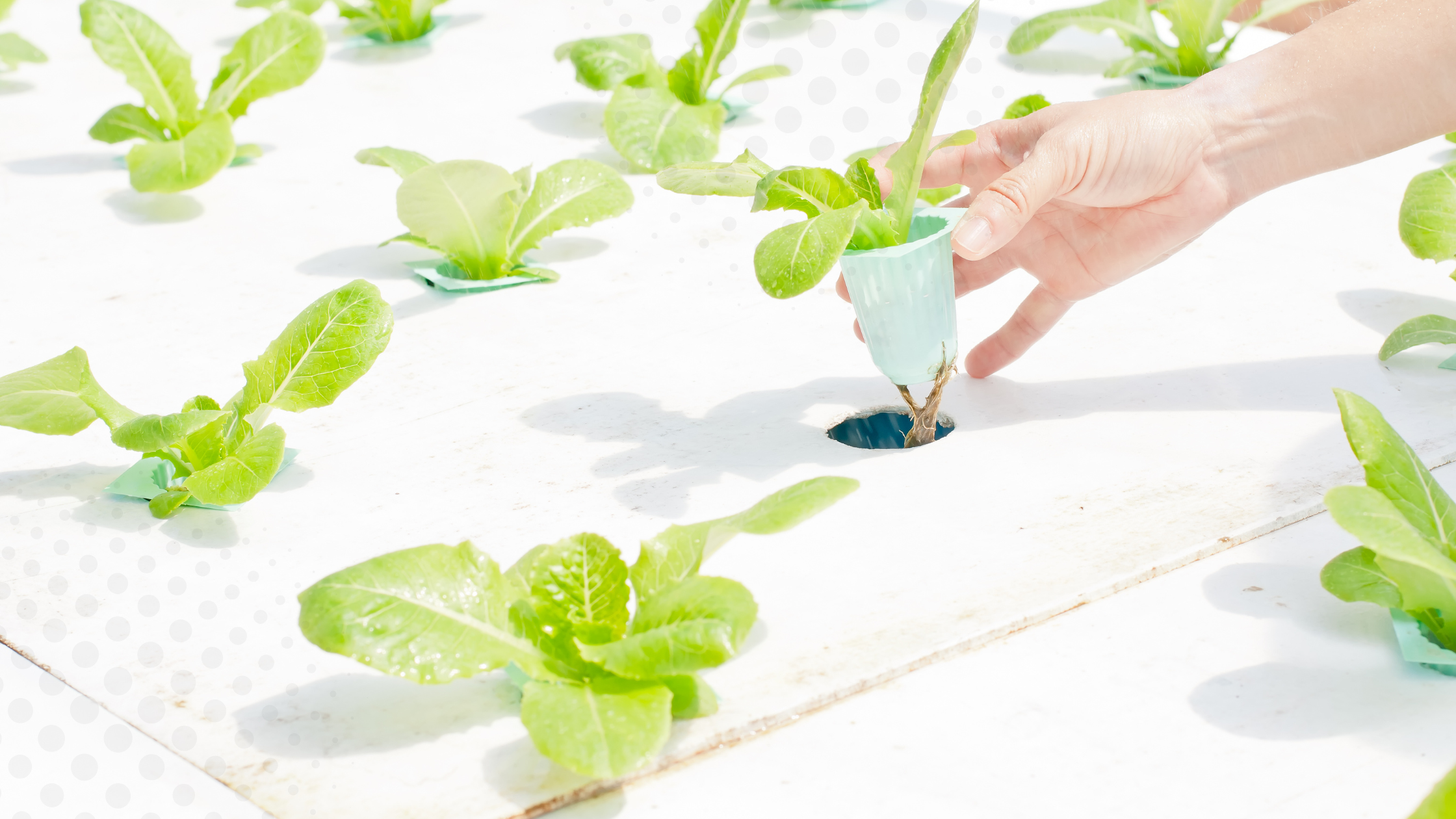 For someone who is new to hydroponics, the idea of growing plants without soil can sound confusing at first. We grow up believing that soil is the heart of farming. But as space gets tighter, water becomes precious, and people look for cleaner food, a new way of growing is quietly finding its place. Hydroponics is that method. It allows plants to grow using water, nutrients, light, and air—without the need for traditional soil.
This guide is written for complete beginners. You don’t need a technical background or farming experience to understand it. If you have the interest to grow your own food in a modern way, you are already on the right path.
What Hydroponics Really Means
Hydroponics is a growing method where plant roots are placed in nutrient-rich water instead of soil. The nutrients that plants normally pull from soil 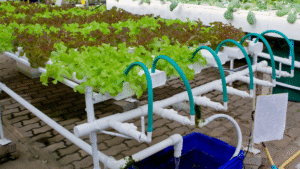 are directly dissolved into the water. This makes food easily available to the roots, speeding up growth.
In simple words:
-
Soil is removed
-
Water becomes the growing medium
-
Nutrients are added directly
-
Growth becomes faster and cleaner
This method gives you full control over what your plant receives every day.
Why Many Beginners Are Choosing This Method
One of the biggest reasons people try hydroponics is space. You don’t need a large garden. A balcony, terrace, spare room, or even a kitchen corner with enough light can become your growing area.
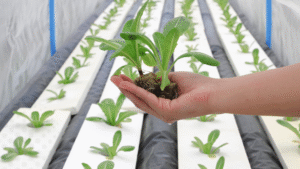 Another strong reason is cleanliness. There is no mud, no messy digging, and far fewer pests compared to traditional gardening. Since the environment is controlled, the chances of disease are also lower.
Many beginners are also motivated by the growing demand for clean agricultural foods. When you grow your own produce this way, you know exactly what goes into it.
Types of Simple Systems for Beginners
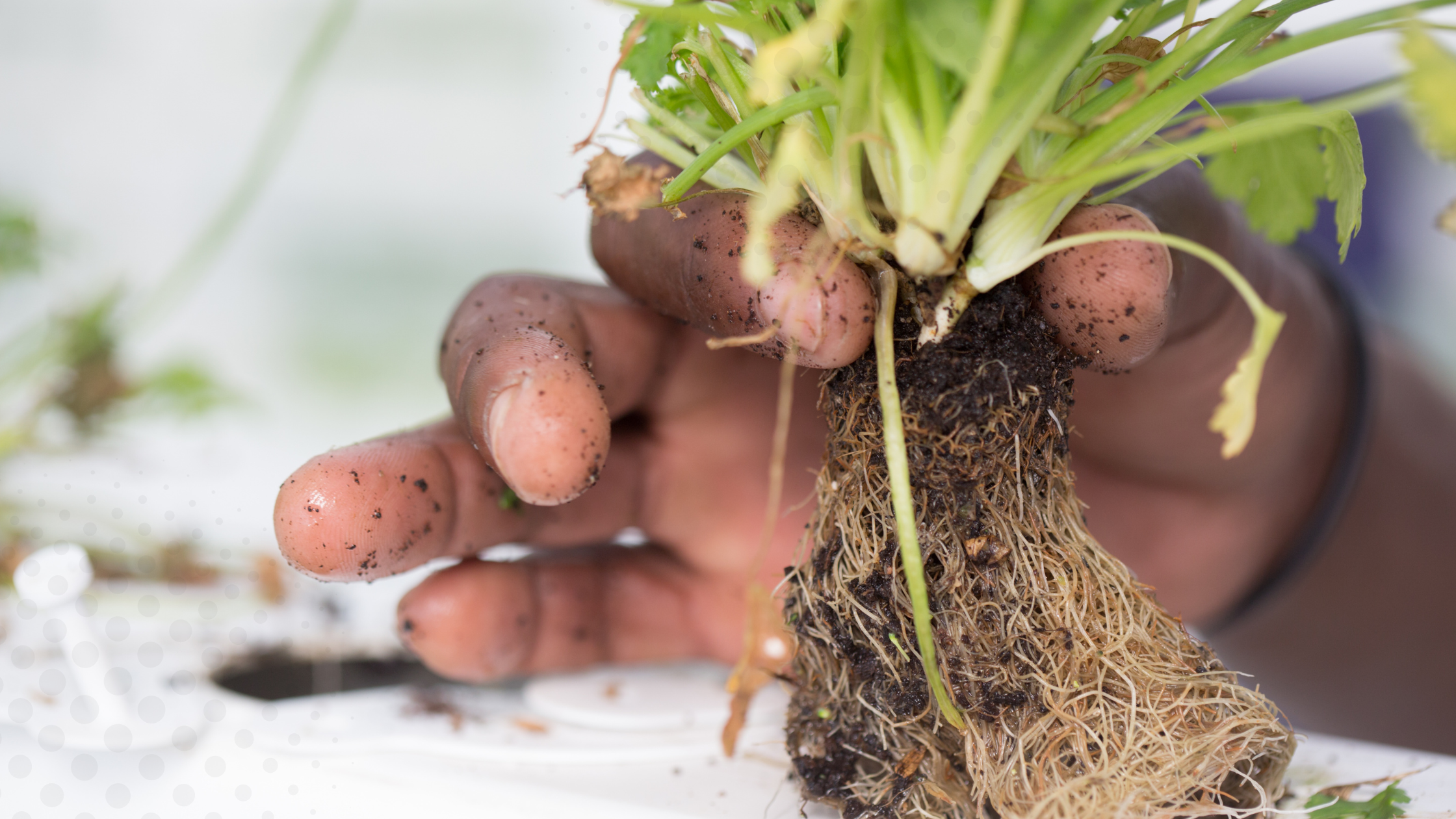 You don’t need a complicated setup to get started. There are a few simple systems that are perfect for first-time growers:
-
Wick System – No electricity required, very basic
-
Deep Water Culture (DWC) – Roots hang directly in oxygen-rich water
-
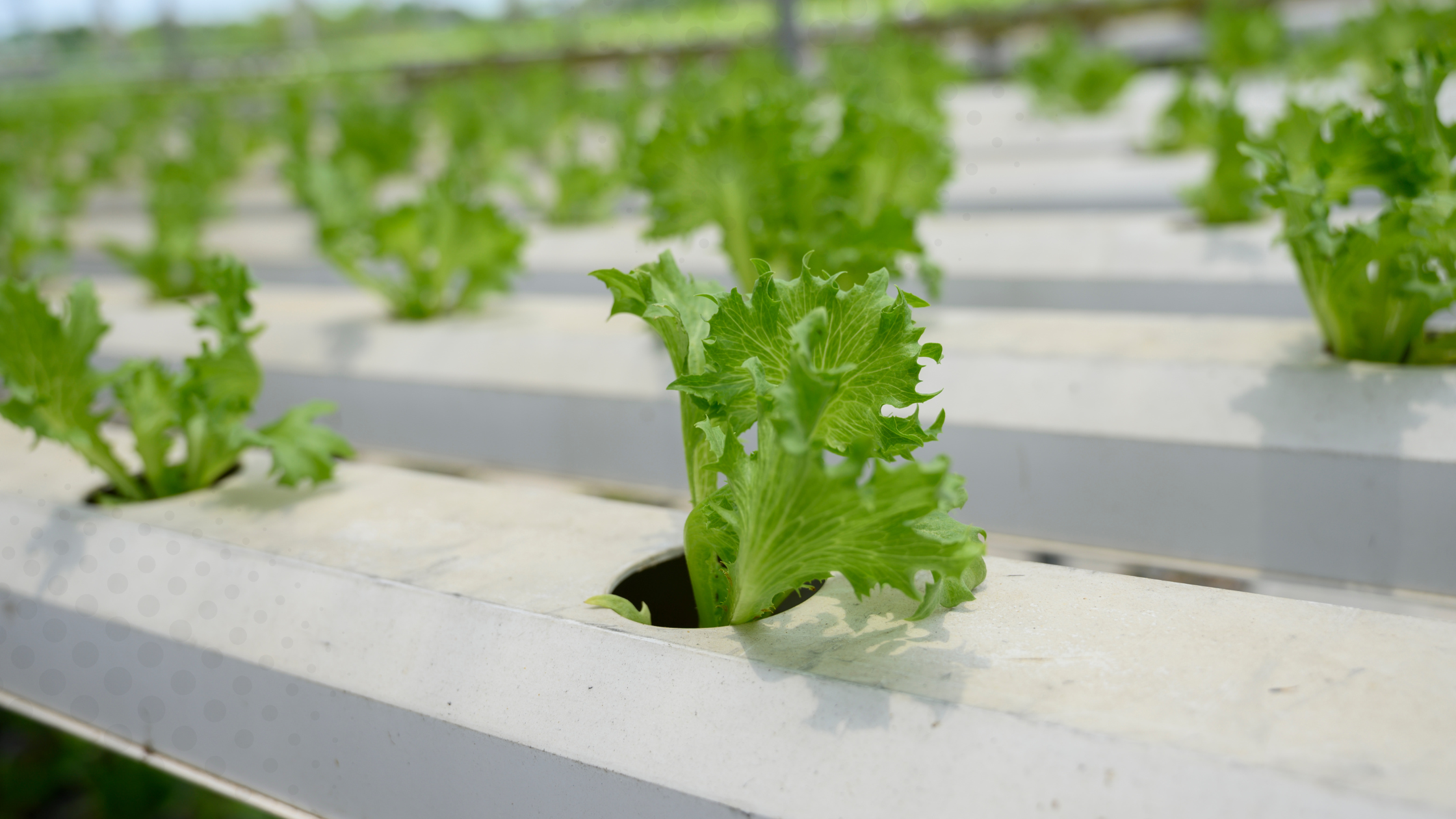
NFT (Nutrient Film Technique) – A thin flow of water runs through plant channels
Among these, DWC is often the easiest for beginners because it is stable and forgiving if small mistakes happen.
What You Can Grow as a Beginner
Not all plants behave the same way in hydroponics. 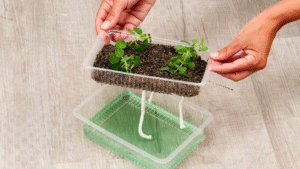 Some are easier to manage, especially for first-timers.
Best beginner-friendly plants include:
-
Lettuce
-
Spinach
-
Basil
-
Mint
-
Coriander
-
Cherry tomatoes
These grow quickly and show visible progress within weeks, which keeps motivation high. Many people even start growing for vegetables home use using these crops.
Setting Up Your First Growing Space
Your space does not need to look like a high-tech 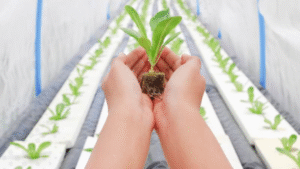 lab. Start simple. Choose a spot with good airflow and access to sunlight or a grow light.
Basic items you will need:
-
Water container or tank
-
Net pots
-
Growing medium (coco peat or rock wool)
-
Small water or air pump
-
Nutrient solution
-
Light source (if sunlight is weak)
Once assembled, your system becomes a small, self-contained garden that runs quietly in the background.
Understanding Nutrients and Water
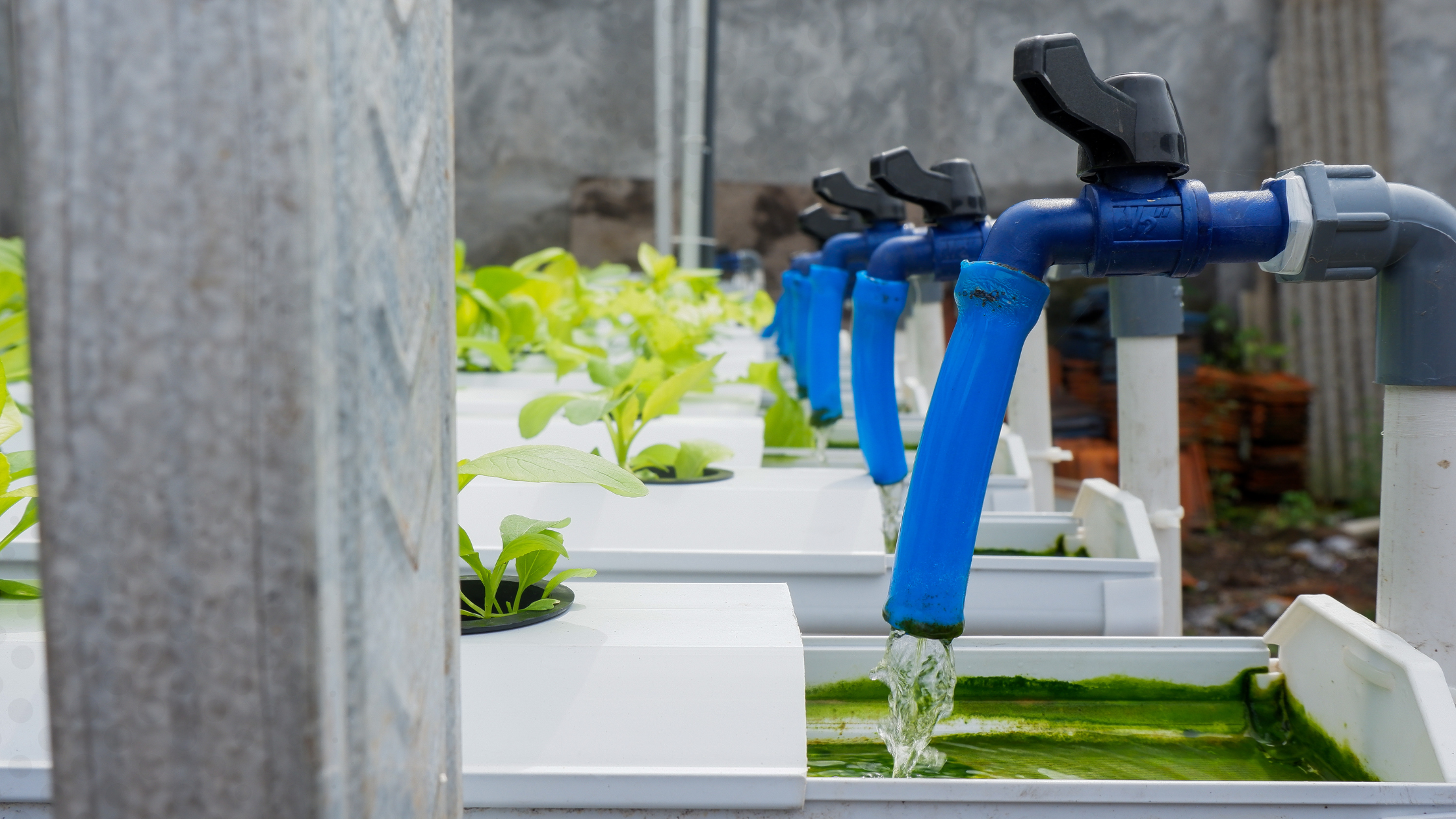 Plants need more than just water to grow. They also require nutrients such as nitrogen, potassium, calcium, and magnesium. These come in liquid or powder form and are mixed into your water.
The key is balance. Too little nutrition slows growth. Too much can burn plant roots. Beginners should always follow the recommended mixing guides mentioned on the nutrient packaging.
Clean water is equally important. If possible, use filtered or low-salt water to keep the system running smoothly.
Daily Care Without Heavy Effort
Hydroponics does not 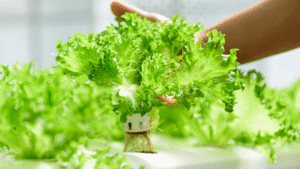 require long hours of labor. Instead, it needs short, daily attention. Spend 5 to 10 minutes each day checking:
-
Water level
-
Leaf color
-
Root condition
-
Pump function
Healthy plants look upright, firm, and fresh. Yellow or curling leaves usually mean something is off with light or nutrients. Small corrections done early save the plant from stress.
From Home Growing to Market Supply
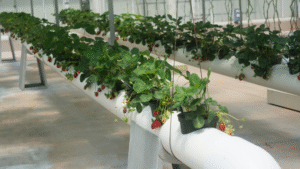 Many people who start hydroponics as a hobby slowly turn it into a small business. Once you master consistent growth, your produce becomes suitable for:
-
Local vegetable sellers
-
Cafes and restaurants
-
Salad producers
-
Health food stores
Some even take the next step into agro exports as they scale production and meet quality standards.
Export Growth and the Role of Vipra Overseas
 As clean and uniform produce gains global attention, hydroponic growers get new opportunities in international trade. This is where Vipra Overseas plays an important role.
Vipra Overseas supports the export of agro products such as:
-
Fresh fruits
-
Fresh vegetable
-
Beans
-
Frozen products
-
Spices
-
Grains
By managing quality control, packing, cold storage, and export documentation, Vipra Overseas helps growers reach foreign buyers without dealing with complicated logistics alone. For hydroponic farmers aiming beyond local markets, this type of support becomes a strong growth partner.
Mistakes Most Beginners Make
 Every beginner faces small setbacks. Some common mistakes include:
-
Overfeeding nutrients
-
Ignoring water temperature
-
Keeping lights on nonstop
-
Forgetting oxygen supply to roots
-
Skipping daily observation
Mistakes are part of learning. What matters is correcting them early.
Final Thoughts
Hydroponics is one of the few growing methods where beginners can see quick results with limited space and effort. It brings farming closer to city life and allows people to grow fresh food even without land. Once you understand the basics, the system becomes easy to handle and deeply rewarding.
Whether you want to grow for your family, for a small market, or one day for export with partners like Vipra Overseas, hydroponics offers a clean, controlled, and future-ready path into modern cultivation.