
What is Dry Red Chilli?
When you step into any Indian kitchen or explore the vibrant spice markets across Asia, one ingredient you’ll invariably encounter is dry red chilli. This humble spice, with its deep crimson hue and intense character, forms the backbone of countless recipes worldwide. But what exactly makes this spice so special, and how does it differ from the fresh green chillies we often use?
Dry red chilli is essentially a mature chilli pepper that has been harvested at peak ripeness and then subjected to careful drying processes to reduce its moisture content. This transformation not only extends the shelf life of the chilli but also concentrates its flavours and heat levels, creating a distinct ingredient that cannot be replicated by fresh varieties. The drying process typically involves sun-drying or mechanical dehydration, which removes approximately 80-90% of the water content, leaving behind a concentrated form of capsaicin—the compound responsible for the characteristic heat.
The Journey from Field to Spice Jar
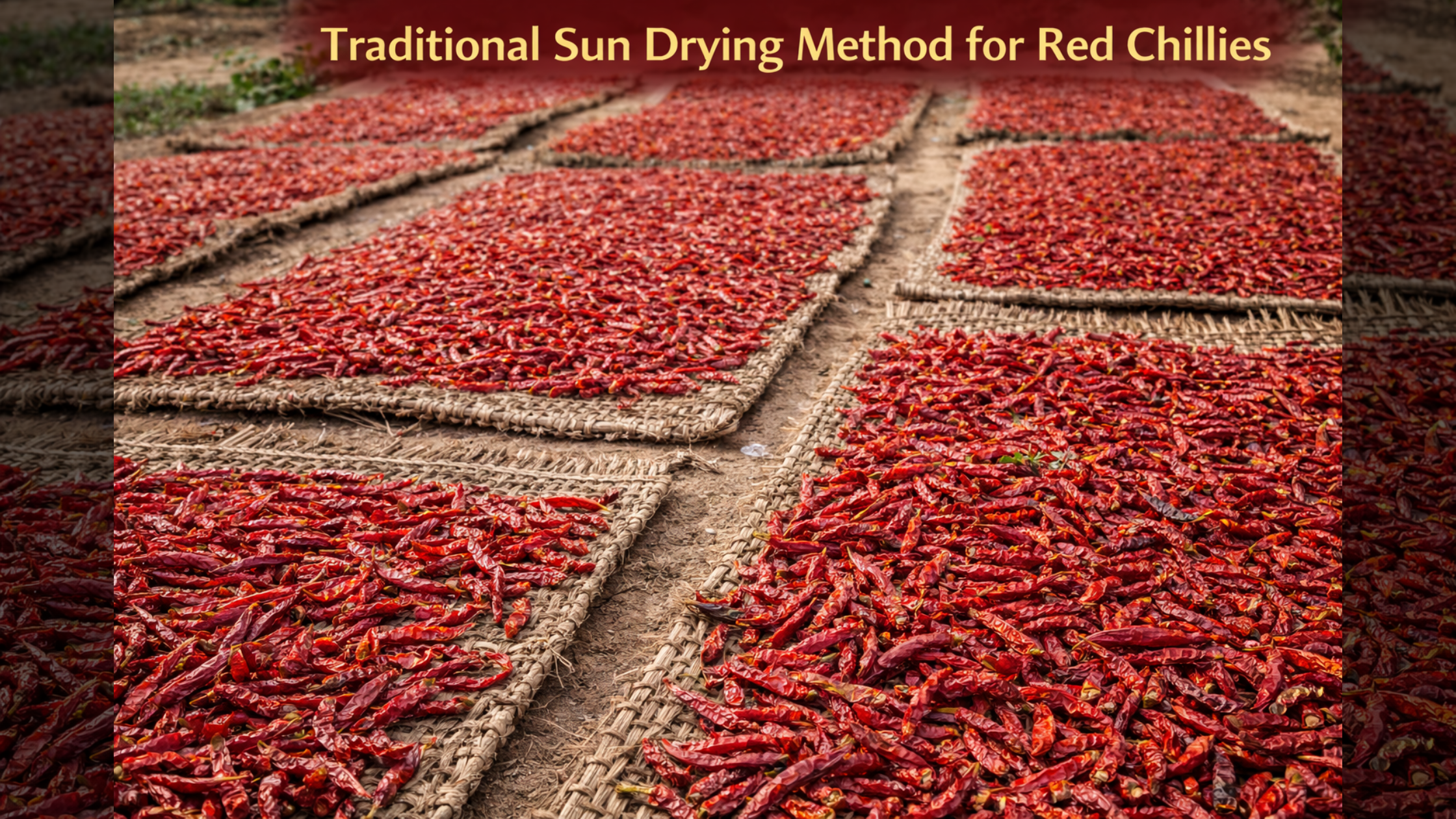
Understanding how dry red chillies are made helps appreciate their value in culinary traditions. Farmers cultivate chilli plants for several months, allowing the pods to mature fully on the plant until they turn from green to bright red. This colour change indicates that the chilli has reached its maximum capsaicin content and flavour potential. Once harvested, these red chillies are spread out under direct sunlight on clean surfaces or in specialised drying facilities.
The traditional sun-drying method can take anywhere from seven to fifteen days, depending on weather conditions and humidity levels. Modern processing units often use mechanical dryers that maintain consistent temperatures, ensuring uniform drying and reducing the risk of mould formation. Quality producers who work with businesses focused on fresh fruits and vegetables delivery also handle spices with the same attention to detail, ensuring that every step preserves the natural properties of the product.
Fresh Versus Dried: Understanding the Distinction
Many people wonder why we need dried chilli peppers when fresh ones are readily available. The answer lies in both practicality and flavour complexity. Fresh chillies contain high moisture content, making them perishable and requiring refrigeration. They offer a sharp, bright heat with grassy undertones. Dry red chillies, on the other hand, develop deeper, more complex flavour profiles with earthy, sometimes smoky notes that fresh chillies cannot provide.
The drying process also makes the spice more versatile. While fresh chillies work beautifully in salsas, salads, and stir-fries, dry red chillies can be ground into powders, rehydrated for pastes, or used whole in tempering and infusions. This versatility is why any reputable vegetable supplier dealing with premium ingredients also maintains a range of quality dried spices in their inventory.
Popular Varieties Worth Knowing
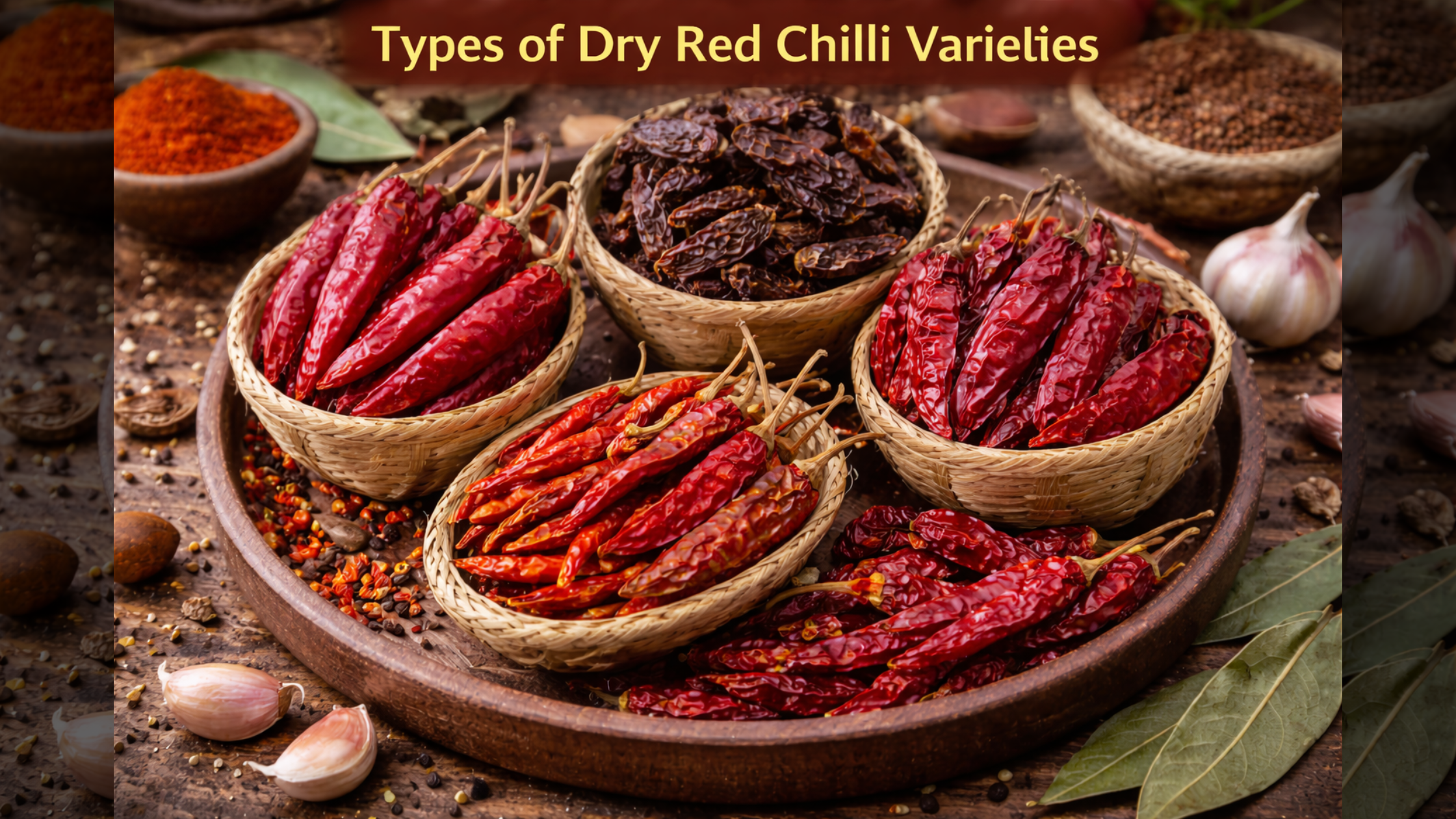
The world of dry red chillies is remarkably diverse, with different regions producing varieties that vary in heat levels, flavour notes, and appearance. In India alone, we have Kashmiri chillies known for their vibrant colour and mild heat, Guntur chillies from Andhra Pradesh that pack serious fire, and Byadgi chillies from Karnataka that offer a perfect balance of colour and moderate spiciness.
Internationally, varieties like Mexican Guajillo, Ancho, and Arbol chillies have their own distinct characteristics. Thai bird’s eye chillies, when dried, become incredibly potent little packages of heat. Understanding these varieties helps cooks and buyers make informed decisions about which type suits their specific culinary needs or export requirements.
Culinary Applications Across Cuisines
Dry red chilli plays a transformative role in kitchens worldwide. In Indian cooking, the practice of tempering hot oil with whole dry red chillies releases aromatic compounds that form the foundation of countless dishes. From sambar to vindaloo, these dried peppers contribute both heat and depth. Chinese cuisine uses them in fiery Sichuan preparations, while Korean cooking incorporates gochugaru, a type of dried chilli flake, into kimchi and numerous other dishes.
Mexican cuisine showcases perhaps the most sophisticated use of dried chilli peppers, with different varieties being selected for specific dishes based on their unique flavour profiles. Some are fruity, others smoky, and each brings something irreplaceable to the final dish. This global appreciation explains why the spice trade from India and other chilli-producing nations continues to thrive.
Nutritional Profile and Flavour Characteristics
Beyond heat, dry red chillies offer impressive nutritional benefits. They’re rich in vitamins A and C, though some vitamin C is lost during drying. They contain antioxidants, including carotenoids that give them their red colour. Capsaicin, the active compound, has been studied for potential health benefits ranging from metabolism support to pain relief.
The flavour complexity of quality dry red chillies goes beyond simple spiciness. Depending on the variety, you might detect fruity notes, smoky undertones, or even subtle sweetness. This complexity is why professional chefs and home cooks alike prize premium dried chillies, much like how those who value fresh fruits and vegetables delivery also seek out the finest dried spice products.
Proper Storage and Handling
Maintaining the quality of dry red chillies requires proper storage practices. These spices should be kept in airtight containers away from direct sunlight, heat, and moisture. When stored correctly, whole dry red chillies can retain their potency for up to a year, while ground chilli powder has a shorter shelf life of about six months.
Professional handlers, including export-quality spice processors, often vacuum-seal their products or use nitrogen flushing to prevent oxidation. For home storage, placing a food-grade silica gel packet in the container can help absorb any residual moisture. Never store dry red chillies in the refrigerator, as condensation can lead to mould growth.
The Global Spice Trade Landscape
India stands as one of the world’s largest producers and exporters of dry red chillies, with states like Andhra Pradesh, Telangana, Karnataka, and Maharashtra leading production. The global demand for Indian spices continues growing as international cuisines become more accessible and adventurous eaters seek authentic flavours.
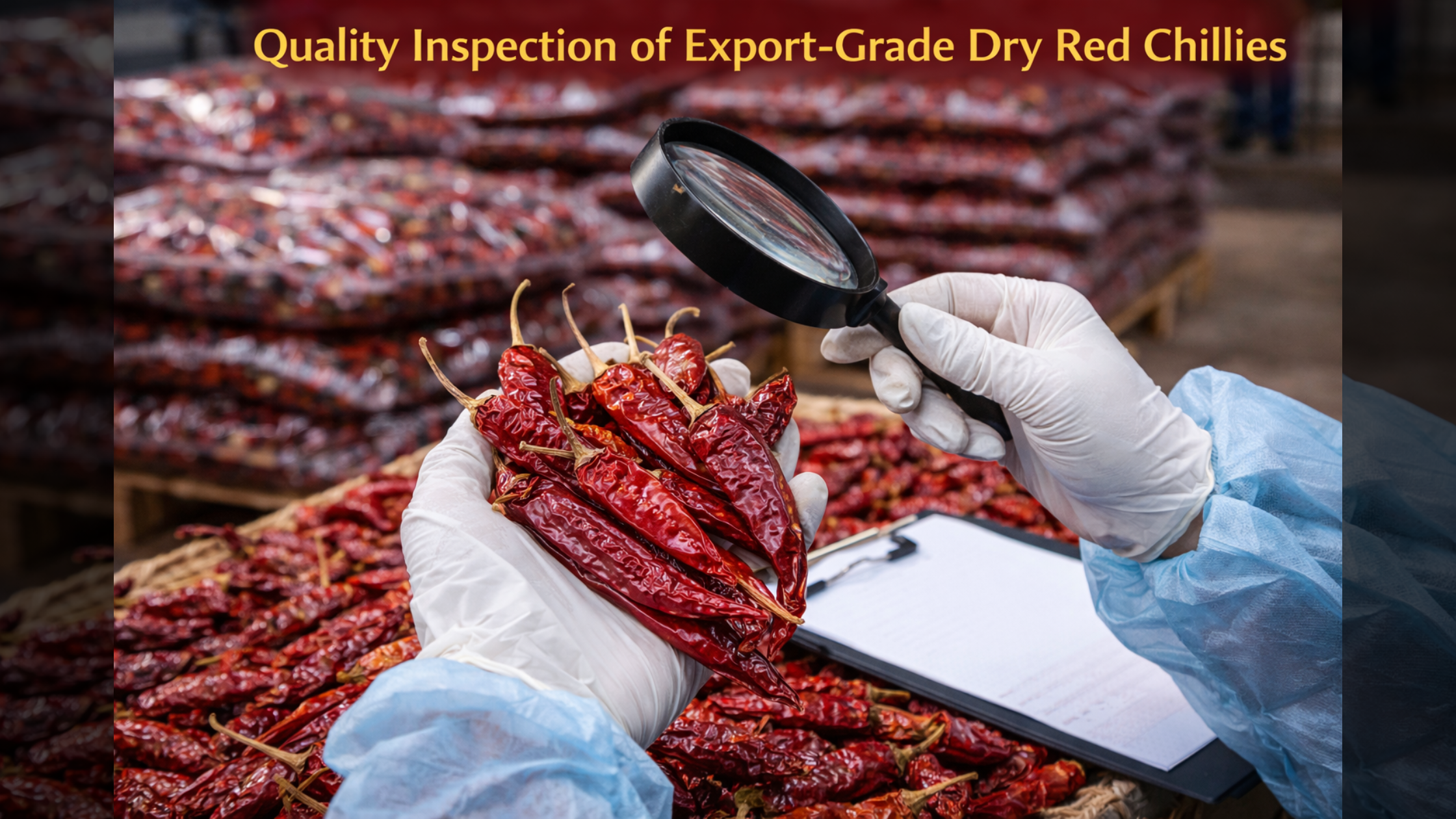
Export-quality dry red chillies must meet stringent standards regarding pesticide residues, moisture content, and contamination. International buyers look for consistent colour, appropriate heat levels, and freedom from adulterants. This quality focus is why established businesses that already handle fresh fruits and vegetables also invest in proper spice processing and certification.
Quality Factors for Buyers
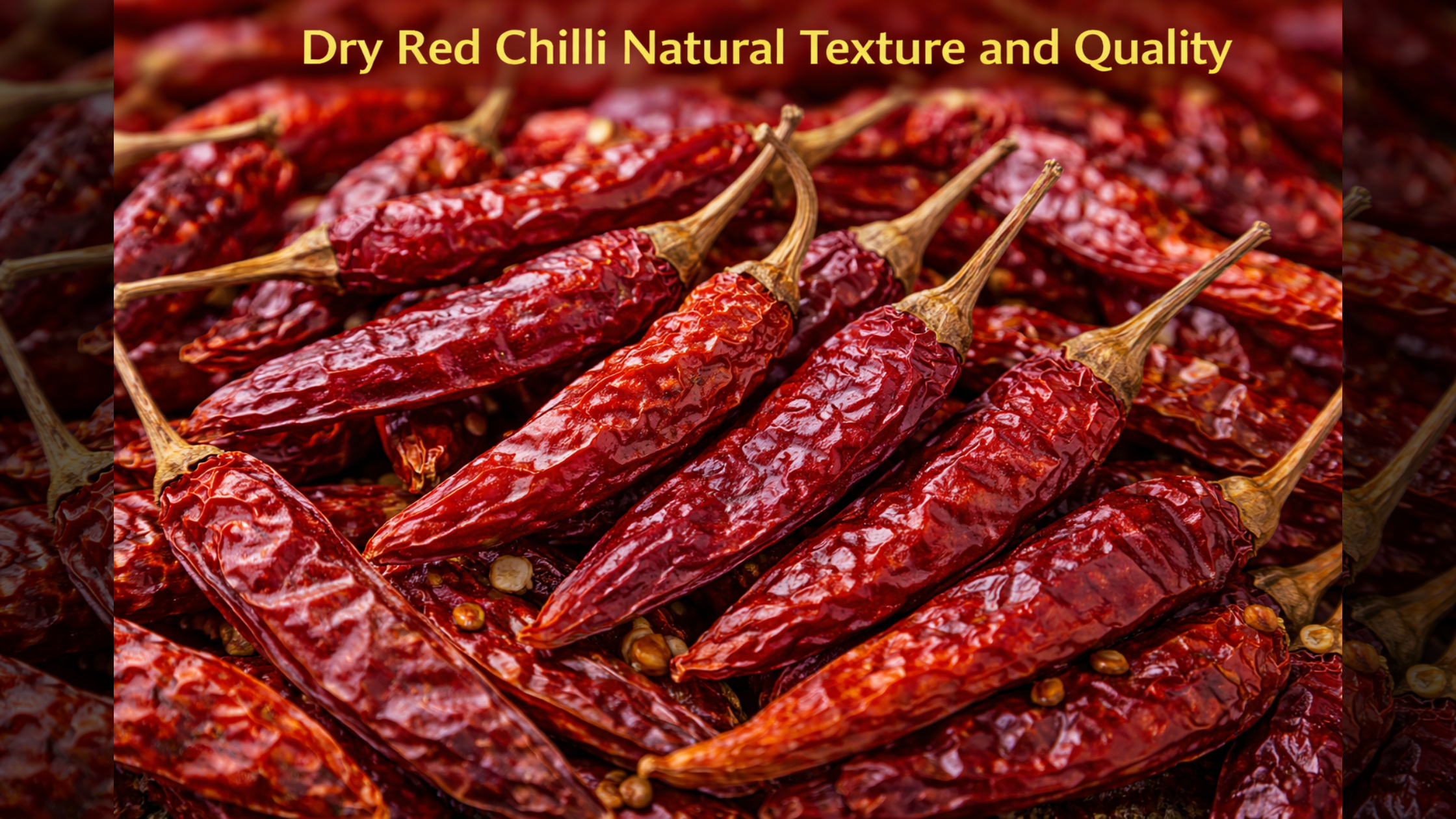
When sourcing dry red chillies, several quality indicators deserve attention. The colour should be vibrant and uniform, indicating proper drying and storage. The chillies should be brittle but not crumbling into dust, which suggests over-drying. There should be no signs of mould, discolouration, or insect damage.
Professional buyers also consider the stem attachment—quality dry red chillies typically retain their stems, which indicates careful handling. The aroma should be pungent and characteristic of the variety, without any musty or off odours. Heat level consistency matters for commercial applications, which is why reputable suppliers maintain detailed specifications for each batch.
How Vipra Overseas Supports Global Agro Trade
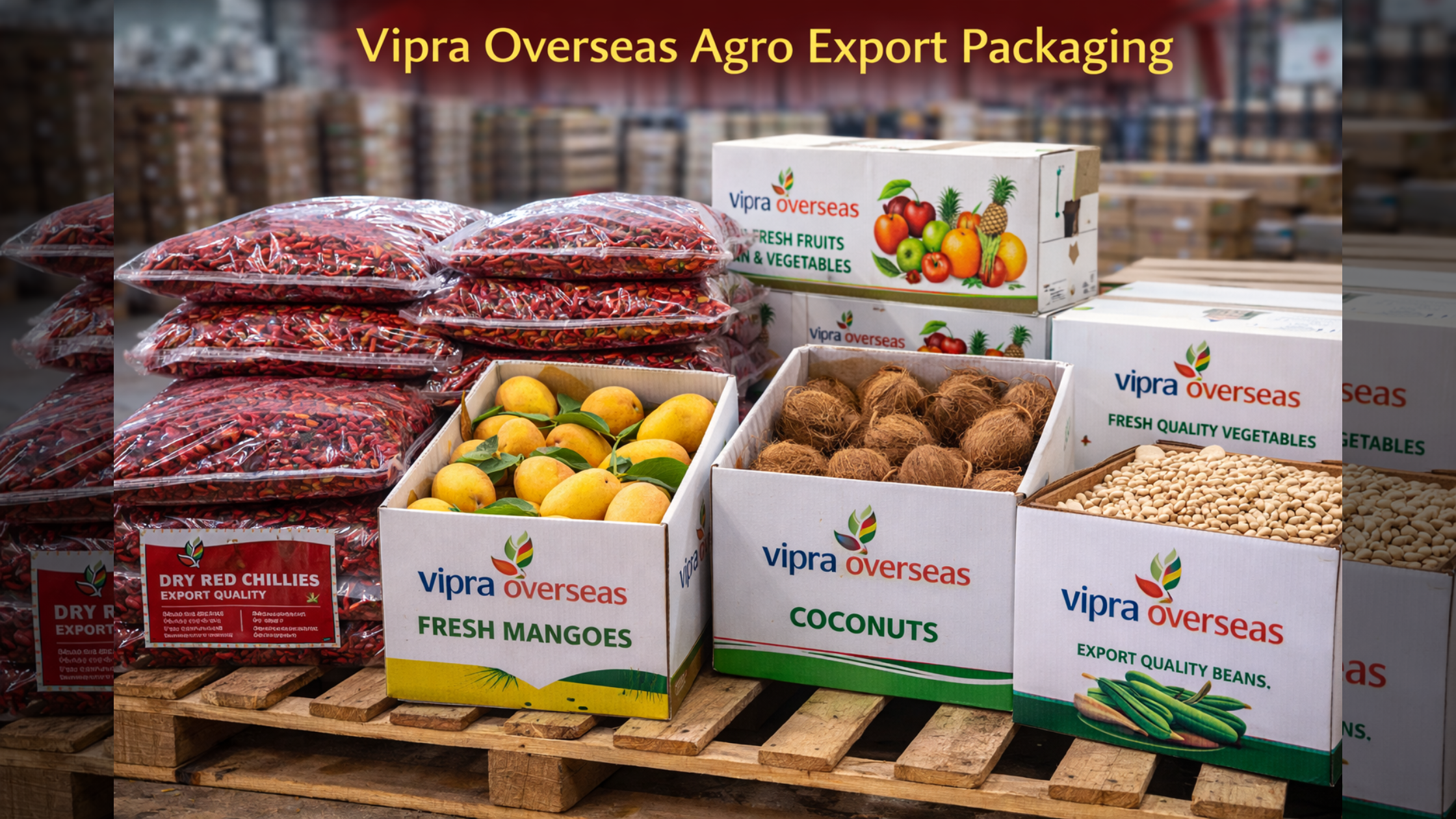
Vipra Overseas has established itself as a trusted name in the export of premium agricultural products, including high-quality dry red chillies and a comprehensive range of other commodities. The company specialises in sourcing and exporting fresh fruits that meet international quality standards, ensuring that buyers receive produce at peak freshness and nutritional value.
Their portfolio extends to fresh vegetables, carefully selected and handled to maintain crispness and flavour during transit. Vipra Overseas also deals in various types of beans, offering both fresh and processed options that cater to diverse market requirements. For clients requiring year-round availability, their frozen products line provides convenient access to seasonal items regardless of the time of year.
The spices division at Vipra Overseas maintains rigorous quality control measures, ensuring that dry red chillies and other spices meet export standards for cleanliness, moisture content, and flavour potency. Their grain exports complete a comprehensive offering that serves as a one-stop solution for international buyers seeking reliable agricultural suppliers. By working with a vegetable supplier like Vipra Overseas that understands both traditional products and modern logistics, importers gain a partner committed to quality and consistency.
Conclusion
Dry red chilli remains far more than just a source of heat in cooking—it represents centuries of agricultural knowledge, cultural tradition, and culinary artistry. From the fields where farmers nurture chilli plants to maturity, through careful drying processes that concentrate flavours, to kitchens worldwide where these spices create memorable dishes, the journey of dry red chilli reflects the interconnected nature of global food systems.
Understanding what dry red chilli truly is—its production, varieties, uses, and quality markers—empowers both home cooks and professional buyers to make informed choices. As demand for authentic spices continues growing and the spice processing methods become more sophisticated, dry red chillies will undoubtedly maintain their essential position in pantries and commercial kitchens across the globe. Whether you’re exploring new recipes or sourcing products for international markets, appreciating the depth and complexity of this remarkable spice enriches the entire culinary experience.