
When I first started experimenting with dry red chillies beyond just adding heat, I realized how much depth I’d been missing in my cooking. These wrinkled, crimson pods aren’t just about making food spicy—they’re about building layers of flavour that make every dish memorable. Whether you’re preparing a simple dal or an elaborate curry, understanding how to use dry red chillies properly changes everything.
The Magic Behind the Aroma
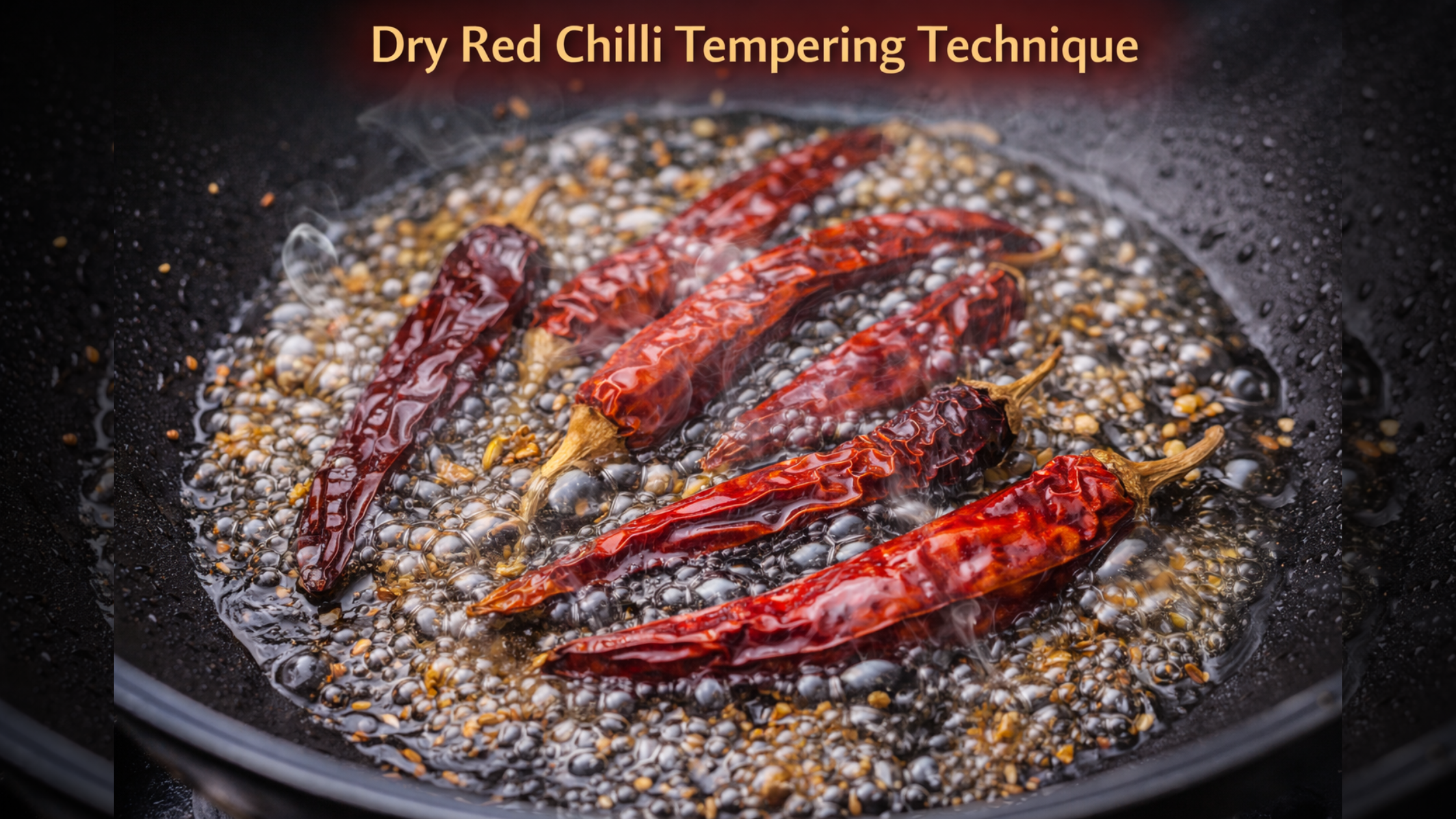
The moment dry red chillies hit hot oil, something remarkable happens. That distinctive smoky, earthy aroma fills the kitchen and signals the beginning of something delicious. Unlike fresh chillies, dried ones carry concentrated oils that release complex fragrance compounds when heated. This isn’t just about smell—it’s about creating an aromatic foundation that influences how we perceive every bite.
Professional chefs know this secret: the aroma of tempered dry red chillies primes your palate before the first taste. When cooking with vegetables like okra, eggplant, or cauliflower, starting with whole dry red chillies in your tempering oil creates an invisible flavour thread that ties the entire dish together. The same principle applies when preparing frozen vegetables—that initial aromatic boost compensates for any flavour lost during the freezing process.
Building Texture and Complexity
Here’s something most home cooks overlook: dry red chillies add texture. When you include whole chillies in your cooking, they soften slightly but retain a pleasant chew that contrasts beautifully with tender vegetables or creamy gravies. Break them into pieces, and you get bursts of concentrated flavour distributed throughout the dish.
I learned this while preparing a traditional South Indian vegetable stir-fry. Instead of grinding the chillies into powder, I broke them into large pieces and tossed them with seasonal vegetables. The result was extraordinary—each bite offered varying intensities of heat and flavour rather than a uniform spiciness. This layering technique works brilliantly with fruits too, particularly in chutneys where dried chillies balance sweetness with measured heat.
The Art of Tempering
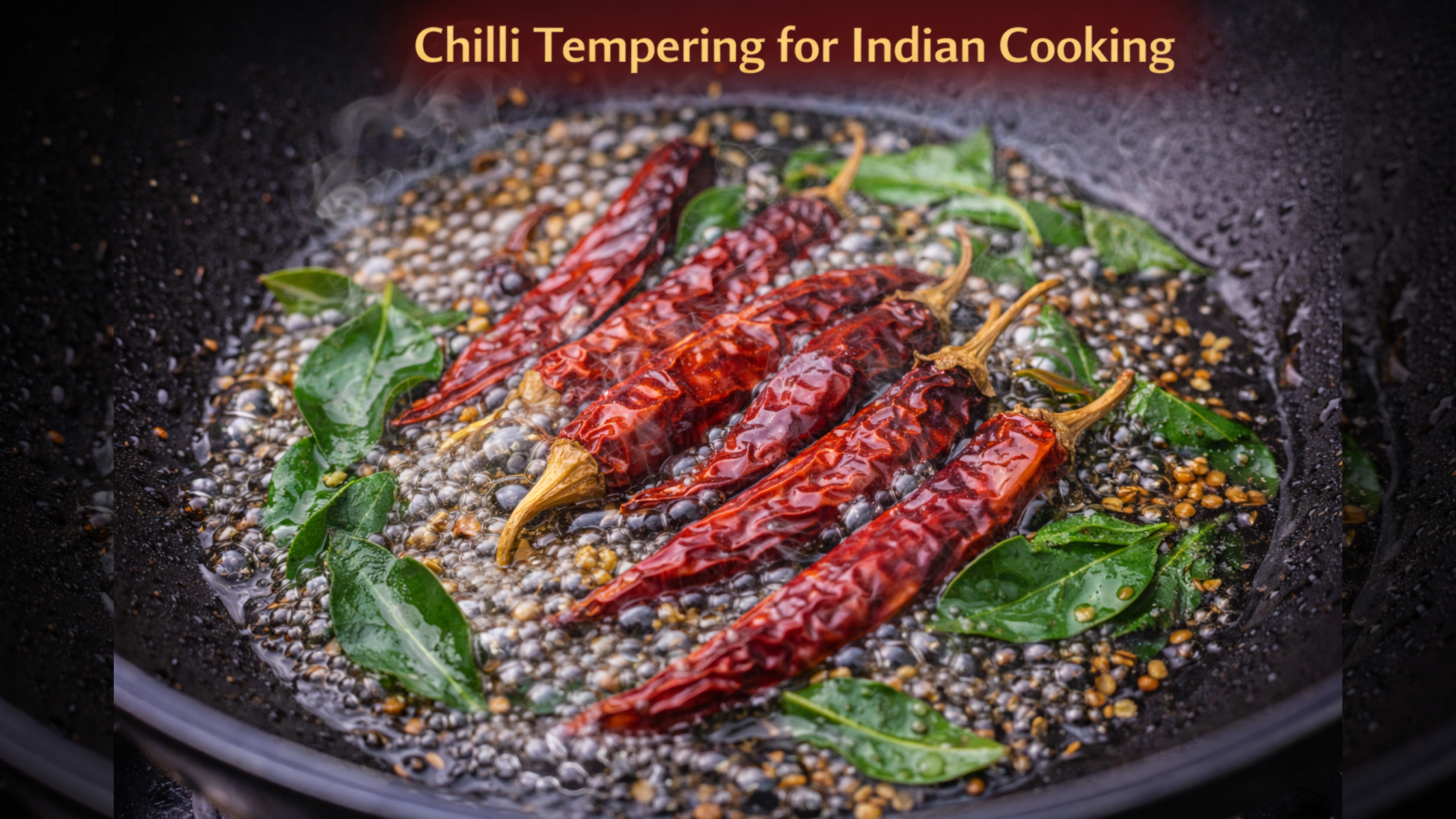
Tempering—or tadka as we call it in Indian cooking—is where dry red chillies truly shine. The process seems simple: heat oil, add whole spices including dry red chillies, wait for them to darken and release their essence, then pour this fragrant oil over your prepared dish. But timing matters enormously.
Add the chillies too early, and they burn, turning bitter. Too late, and you miss that crucial moment when the oils inside release their full aromatic potential. The sweet spot is when the chillies puff slightly and change from bright red to a deeper maroon—usually about 30 seconds in medium-hot oil.
This technique elevates everything from simple lentils to elaborate vegetable preparations. Even when working with frozen vegetables that might lack the fresh crunch of their just-picked counterparts, a properly executed dry red chilli tempering bridges that gap beautifully.
Controlling Heat Without Overpowering
One of the biggest misconceptions about dry red chillies is that they’re only for people who love fiery food. The truth is far more nuanced. Different varieties offer vastly different heat levels, and how you use them determines the final impact.
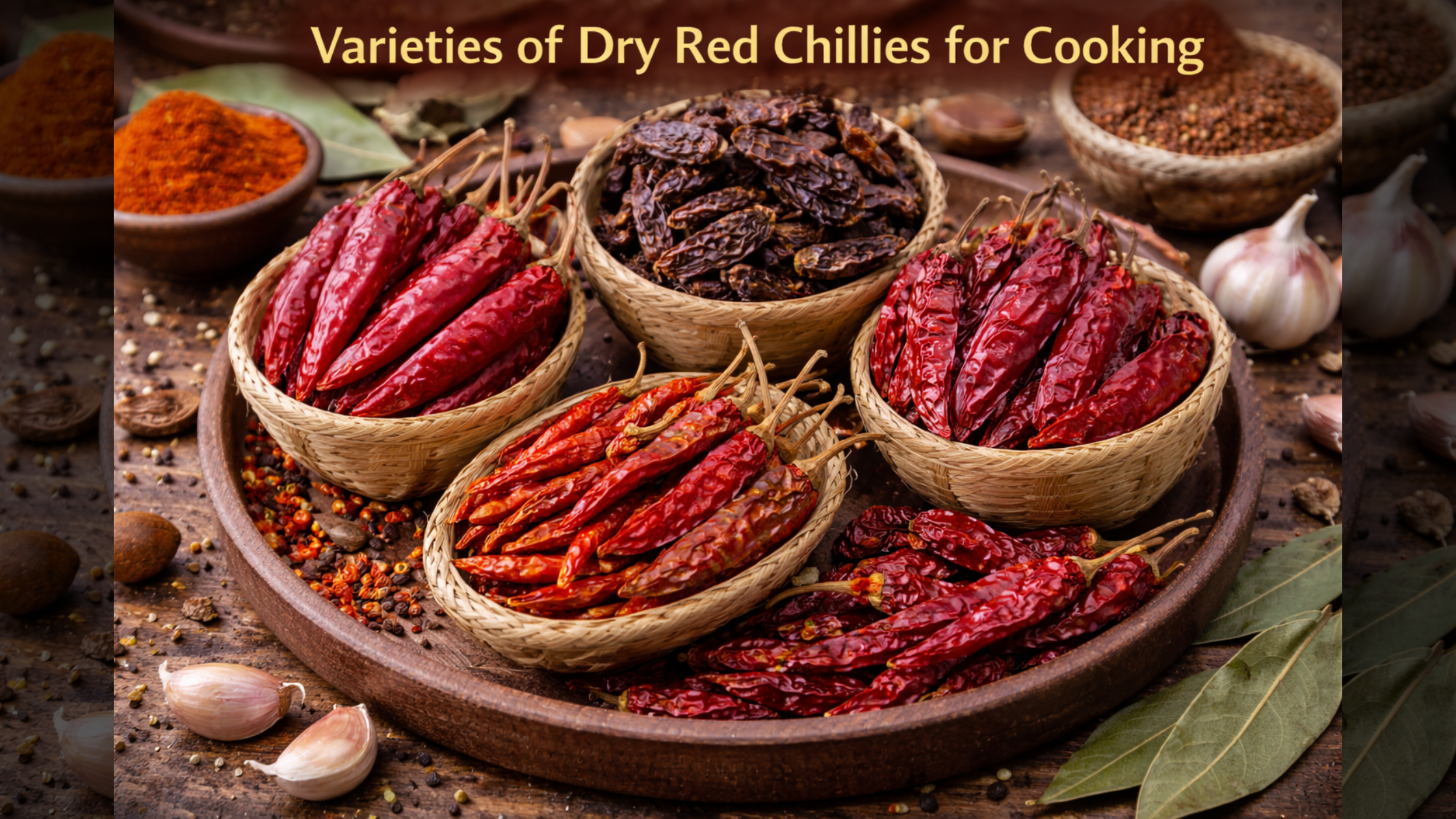
Kashmiri chillies, for instance, deliver gorgeous colour with minimal heat—perfect for making dishes visually stunning without overwhelming delicate vegetables. Byadgi chillies offer moderate warmth with deep, complex flavour. For serious heat seekers, varieties like Guntur or Bird’s Eye bring intense spiciness.
The technique matters too. Using whole dry red chillies that you remove before serving gives subtle background heat. Crushing them lightly releases more oils and capsaicin. Grinding them into fine powder maximizes heat distribution. I’ve found that combining these methods—whole chillies in the tempering, crushed ones during cooking, and a pinch of powder for finishing—creates the most balanced flavour profile.
Cultural Significance and Global Reach
Dry red chillies connect cuisines across continents. In Mexican cooking, dried chillies like anchos and chipotles form the backbone of complex moles. Chinese Sichuan cuisine relies on dried chillies for its signature numbing heat. Korean gochugaru adds fruity warmth to kimchi. Thai cooking uses dried bird’s eye chillies for sharp, clean heat.
What makes the Indian approach special is the emphasis on spice layering. We don’t just add chillies—we build with them. They appear in the initial tempering, sometimes in the main cooking phase, and occasionally as a finishing touch. This multi-stage integration creates depth you can’t achieve by adding heat all at once.
Beyond Traditional Applications
Creative cooks have discovered surprising uses for dry red chillies. Infused oils made by steeping whole dried chillies in warm olive or sunflower oil add instant character to salads, pasta, or roasted vegetables. Grinding toasted dry red chillies with nuts, seeds, and salt creates versatile seasoning blends that work on everything from fruits to grilled proteins.
I’ve experimented with adding finely crushed dry red chillies to bread dough, creating savoury loaves with gentle warmth that pair wonderfully with cheese and vegetables. Some innovative chefs even incorporate chilli-infused sugar into desserts, playing with the tension between sweet and heat.
Common Mistakes to Avoid
The most frequent error is using old, stale chillies that have lost their potency and aroma. Dry red chillies should still have some pliability and a strong, pungent smell when broken. If they crumble to dust at the slightest touch, they’re past their prime.
Another mistake is burning them during tempering. Once chillies blacken, they turn acrid and bitter—no amount of additional seasoning can fix that. Always keep the heat moderate and watch carefully. Remove the pan from heat if the oil starts smoking before adding your chillies.
Using only one variety limits your cooking potential. Just as you wouldn’t use only one type of vegetable in your cooking, relying on a single chilli variety restricts your flavour palette. Stock at least two or three different types to match different dishes and desired heat levels.
Storage and Handling Wisdom
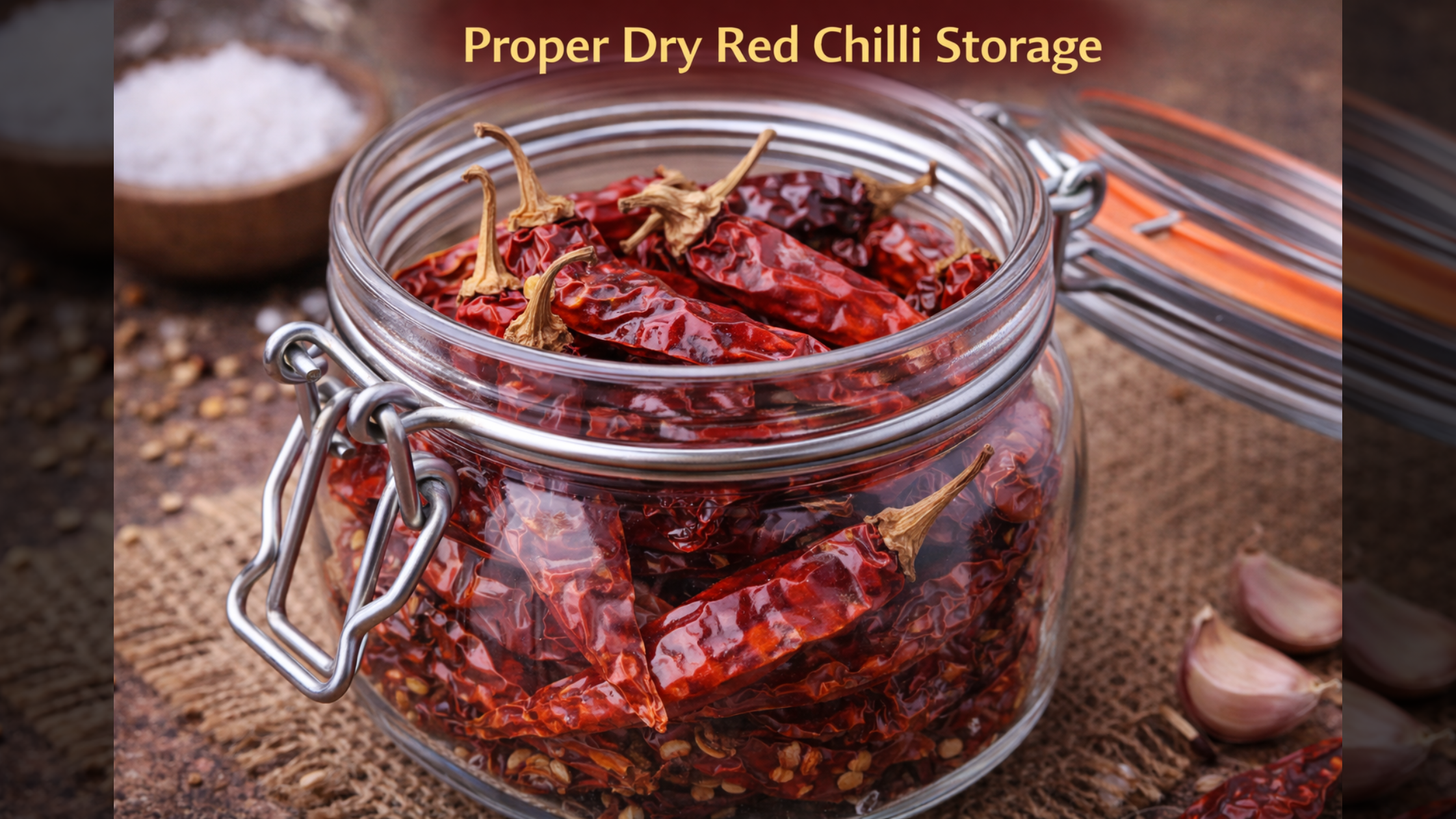
Proper storage extends the life and quality of dry red chillies significantly. Keep them in airtight containers away from direct sunlight and moisture. While refrigeration isn’t necessary, a cool, dark pantry works perfectly. Whole dried chillies maintain their quality far longer than ground powder, so consider buying whole and grinding small batches as needed.
Before using dry red chillies that have been stored for months, toast them lightly in a dry pan. This refreshes their oils and revives fading flavours. Just a minute over medium heat works wonders—you’ll smell the difference immediately.
When handling very hot varieties, consider wearing gloves or washing hands thoroughly with soap and oil (water alone doesn’t remove capsaicin effectively). Never touch your eyes or face after handling chillies until you’ve cleaned your hands properly.
Supporting Quality from Farm to Kitchen
At Vipra Overseas, we understand that exceptional cooking starts with exceptional ingredients. Our commitment to sourcing and exporting premium agricultural products ensures that whether you’re purchasing fresh vegetables, seasonal fruits, high-quality beans, carefully processed frozen vegetables, authentic spices like dry red chillies, or nutritious grains, you receive products that meet international quality standards.
Working directly with farmers and maintaining rigorous quality control throughout our export process means the dry red chillies reaching your kitchen carry the same vibrant flavour and aroma they had at harvest. We believe that supporting sustainable agriculture and fair trade practices doesn’t just benefit farmers—it elevates the entire cooking experience for everyone who values genuine, flavourful ingredients.
Elevating Your Everyday Cooking
Transforming your cooking with dry red chillies doesn’t require professional training or exotic equipment. It starts with understanding these versatile pods as flavour builders rather than just heat sources. Experiment with different varieties, practice your tempering technique, and pay attention to timing.
Start simple. Tomorrow, when you prepare your regular vegetable stir-fry, begin with whole dry red chillies in hot oil. Notice how that initial fragrance changes the cooking experience. Break a dried chilli into your next dal and observe how the flavour develops differently than using powder alone. These small experiments build intuition that eventually becomes second nature.
The beauty of cooking with dry red chillies lies in their reliability. Unlike fresh produce that varies with seasons, properly stored dried chillies deliver consistent flavour year-round. They connect us to cooking traditions spanning centuries while remaining perfectly suited to modern kitchens. Whether you’re preparing traditional recipes or inventing new ones, these crimson pods offer endless possibilities for anyone willing to explore beyond just adding heat. Your cooking will never be quite the same—and that’s exactly the point.