
Introduction
Anyone who works with spices knows that improper storage can turn premium dry red chillies into a disappointing ingredient within weeks. Whether you’re managing inventory for export or simply keeping your kitchen stocked, understanding how cold temperatures affect dry red chillies is essential. The debate between freezing and refrigerating these spices isn’t just about preservation—it’s about maintaining that vibrant colour, sharp heat, and aromatic punch that makes quality chillies valuable.
Understanding the Nature of Dry Red Chillies
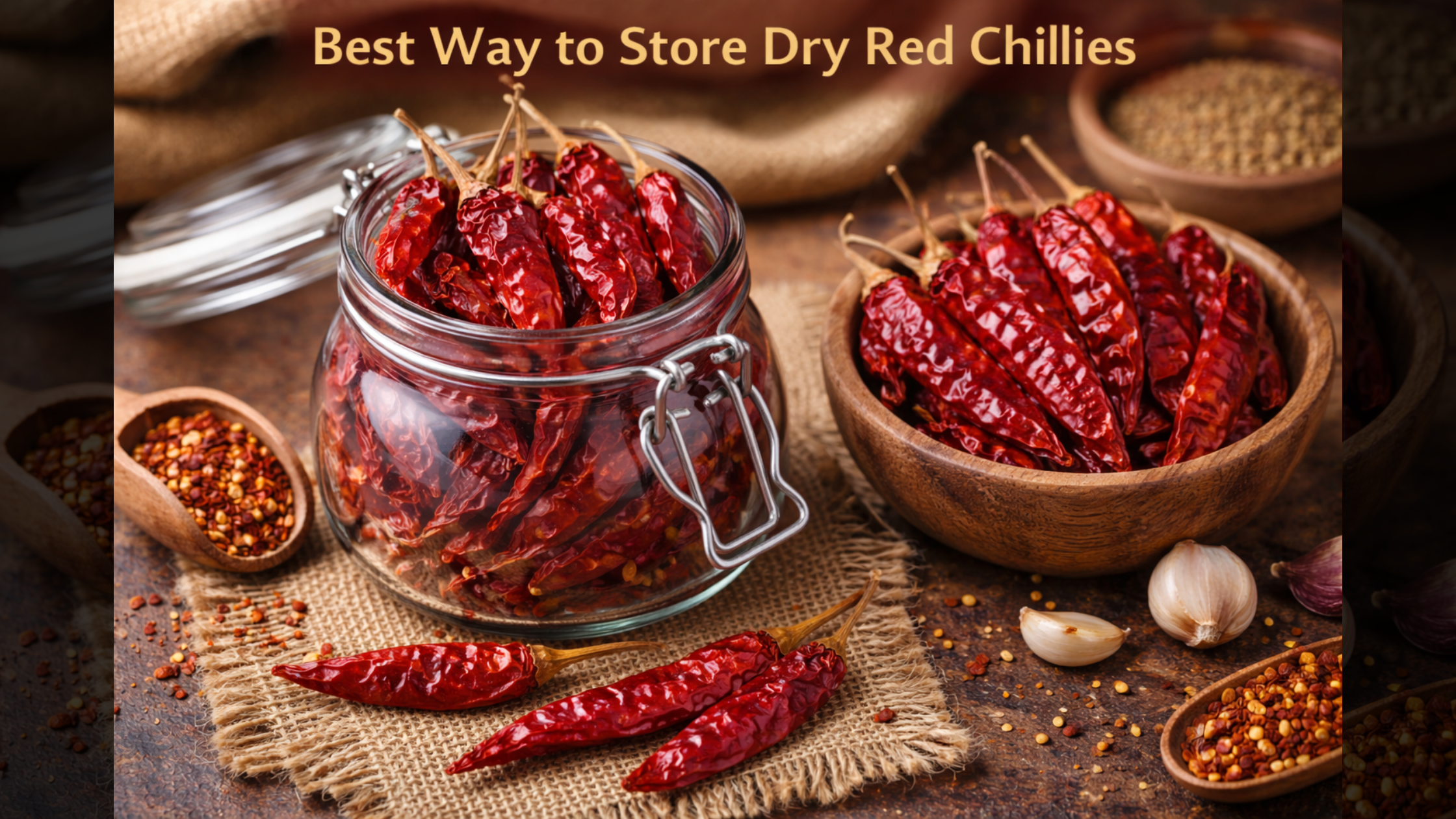
Dry red chillies are fundamentally different from fresh produce. After harvest and drying, their moisture content drops to around 8-12%. This low moisture level is what gives them shelf stability. Unlike a fresh vege fruit or vege table that needs cold storage immediately, dried chillies are designed by nature and processing to resist spoilage at room temperature when stored correctly.
The enemies of dry red chillies aren’t temperature alone—they’re moisture, light, and air exposure. These three factors degrade the capsaicin (heat compound), essential oils (flavour), and carotenoid pigments (colour) faster than temperature variations in most cases.
What Happens When Dry Chillies Are Refrigerated
Refrigerating dry red chillies might seem logical, especially if you store other spices in the fridge. However, refrigerator storage for spices introduces a critical problem: condensation. Every time you remove the container from the refrigerator and bring it to room temperature, moisture from the air condenses on the cold chillies and inside the container.
This moisture impact on dry chillies is immediate and damaging. Even trace amounts of water can trigger mould growth, create clumping, and accelerate degradation of flavour compounds. In cities like Indore, where temperature fluctuations between seasons are significant, repeatedly moving chillies in and out of refrigeration creates a cycle of moisture exposure that defeats the purpose of cold storage.
The refrigerator environment typically maintains 35-40°F with relatively high humidity to keep fresh vege fruit and vege table crisp. This humidity is exactly what dry spices don’t need.
What Happens When Dry Chillies Are Frozen
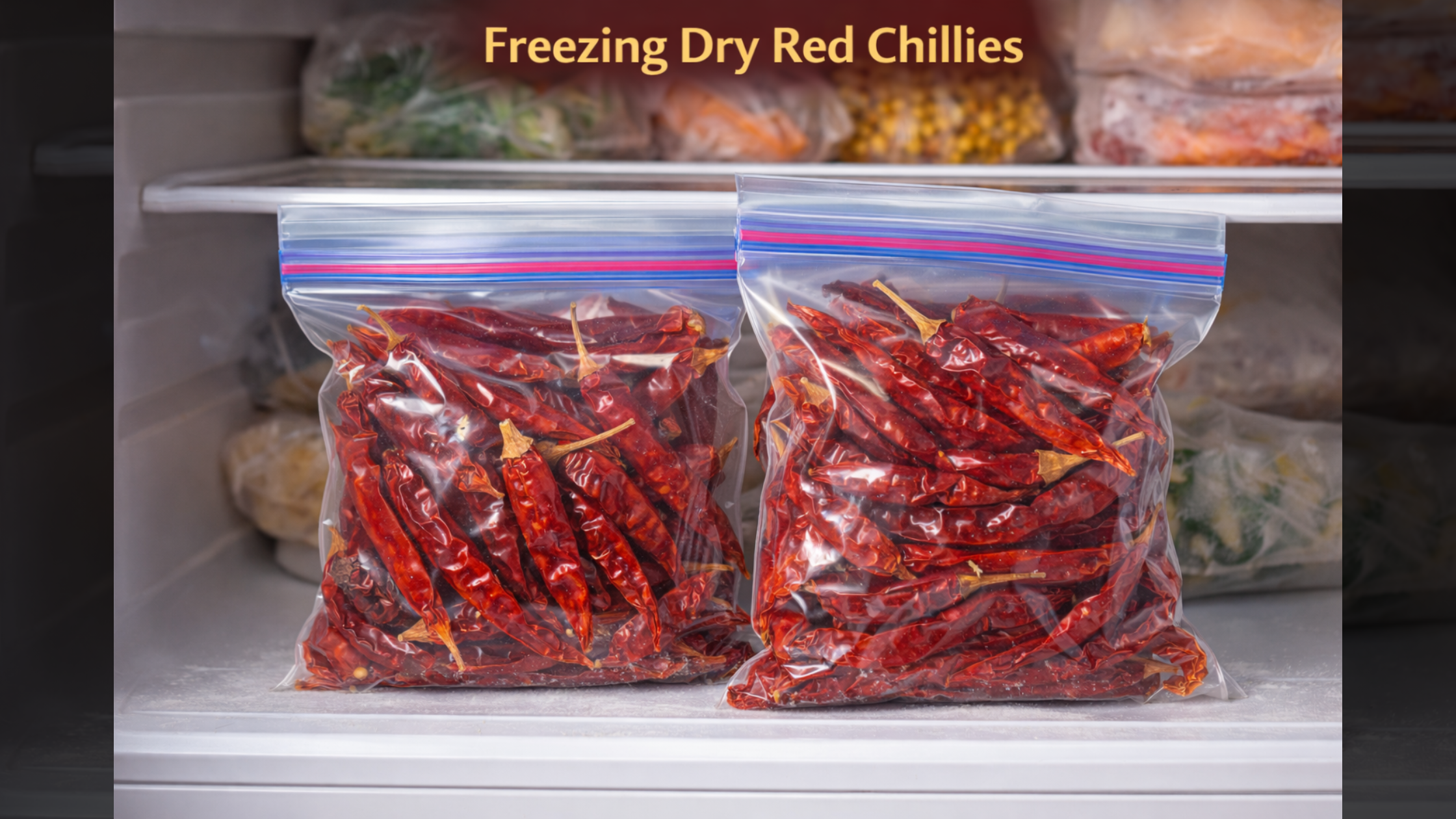
Freezer storage for spices operates differently than refrigeration. At 0°F or below, the freezer halts virtually all biological activity and slows chemical degradation. If dry red chillies are packaged properly in completely airtight, moisture-proof containers before freezing, they can maintain quality for extended periods.
The key word here is “properly.” Freezing dry red chillies requires removing all air from the storage bag or container and ensuring a perfect seal. Any air pocket means moisture, and moisture in a freezer creates ice crystals that damage cell structure.
Professional exporters sometimes use freezing for long-term storage of premium spice inventory, but they employ vacuum-sealed packaging and commercial-grade freezers with consistent temperatures—not the home freezer that opens multiple times daily.
Side-by-Side Comparison: Freezer vs Refrigerator
Temperature Stability: Freezers win on stability. Refrigerators experience temperature swings every time the door opens, while quality freezers maintain more consistent conditions.
Moisture Risk: Both present moisture challenges, but refrigerators are worse due to condensation during removal. Freezers create risk only if packaging fails or ice crystals form.
Convenience: Refrigerator vs pantry storage? Neither cold option beats a cool, dark pantry for convenience. Frozen chillies require thawing planning, refrigerated ones face condensation every use.
Energy Cost: Both methods consume electricity unnecessarily for a product that doesn’t require it when properly dried and sealed.
Space Efficiency: Cold storage of any spice takes up valuable refrigerator or freezer real estate better used for items that genuinely need those temperatures.
Impact on Flavour, Colour, and Texture
Chilli freshness preservation isn’t just about preventing spoilage—it’s about maintaining quality attributes that matter in cooking and export markets.
Flavour: Essential oils that give chillies their distinct aroma are volatile. While cold slows their degradation, the freeze-thaw cycle or condensation exposure damages these compounds more than stable room temperature storage in airtight containers.
Colour: The vibrant red comes from carotenoids. Exposure to light degrades colour faster than temperature variations. A dark pantry in Indore preserves colour better than a clear container in any refrigerator.
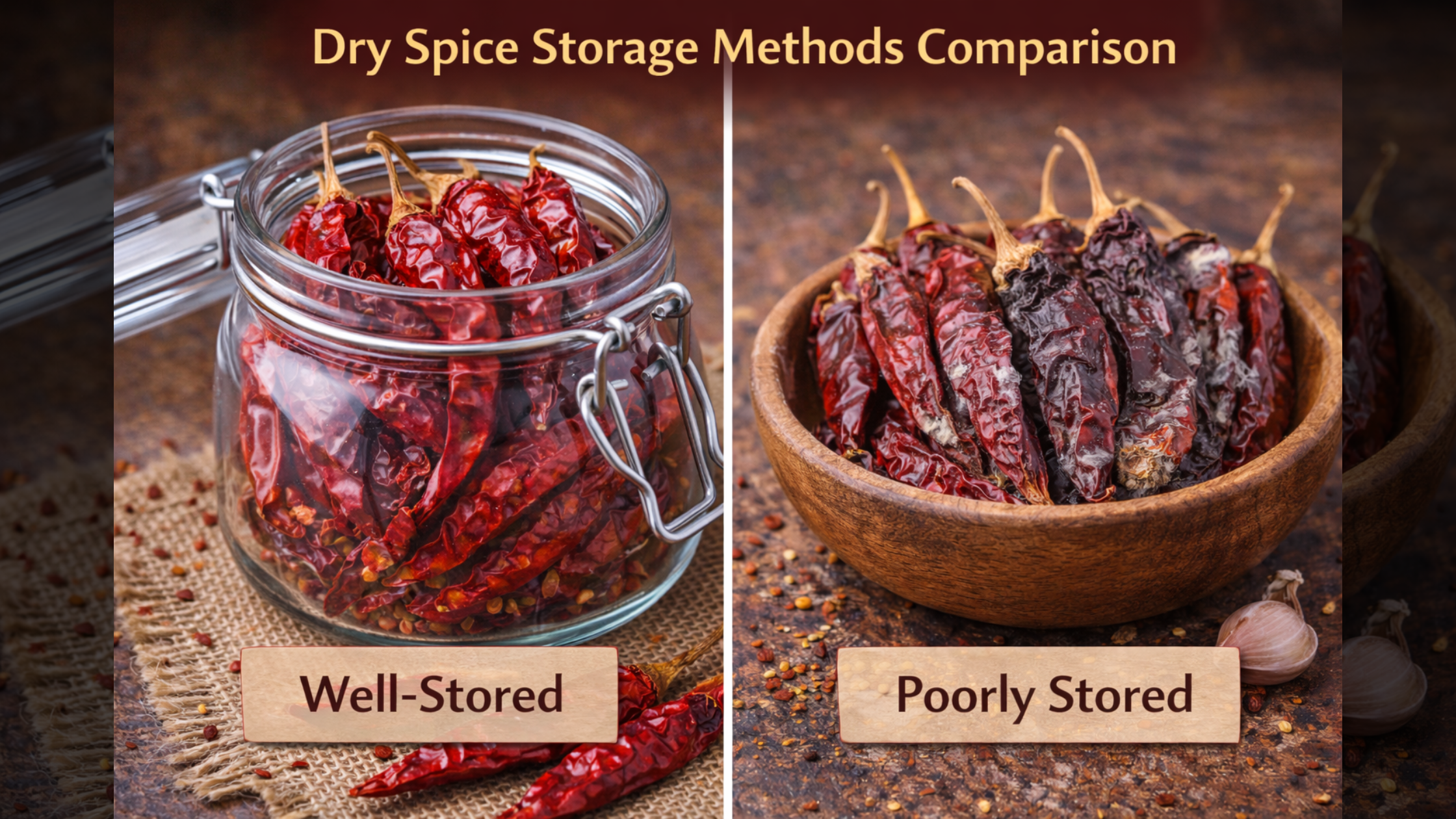
Texture: Properly dried chillies should be brittle and crisp. Moisture from cold storage makes them leathery or, worse, enables mould that creates soft spots. Export-quality spice handling demands maintaining that crisp texture that indicates low moisture content.
When Freezing Makes Sense and When It Doesn’t
Freezing might be justified when you’re storing already-ground chilli powder that’s been exposed to air (grinding increases surface area and accelerates degradation). It’s also reasonable for extremely humid climates where room temperature storage consistently fails despite best efforts.
Freezing doesn’t make sense for whole dried chillies in moderate climates, for quantities you’ll use within 6-12 months, or when you lack proper vacuum-sealing equipment. The risks generally outweigh the benefits for household quantities.
Best Practices If Using Cold Storage
If you choose cold storage despite the drawbacks, follow these rules strictly:
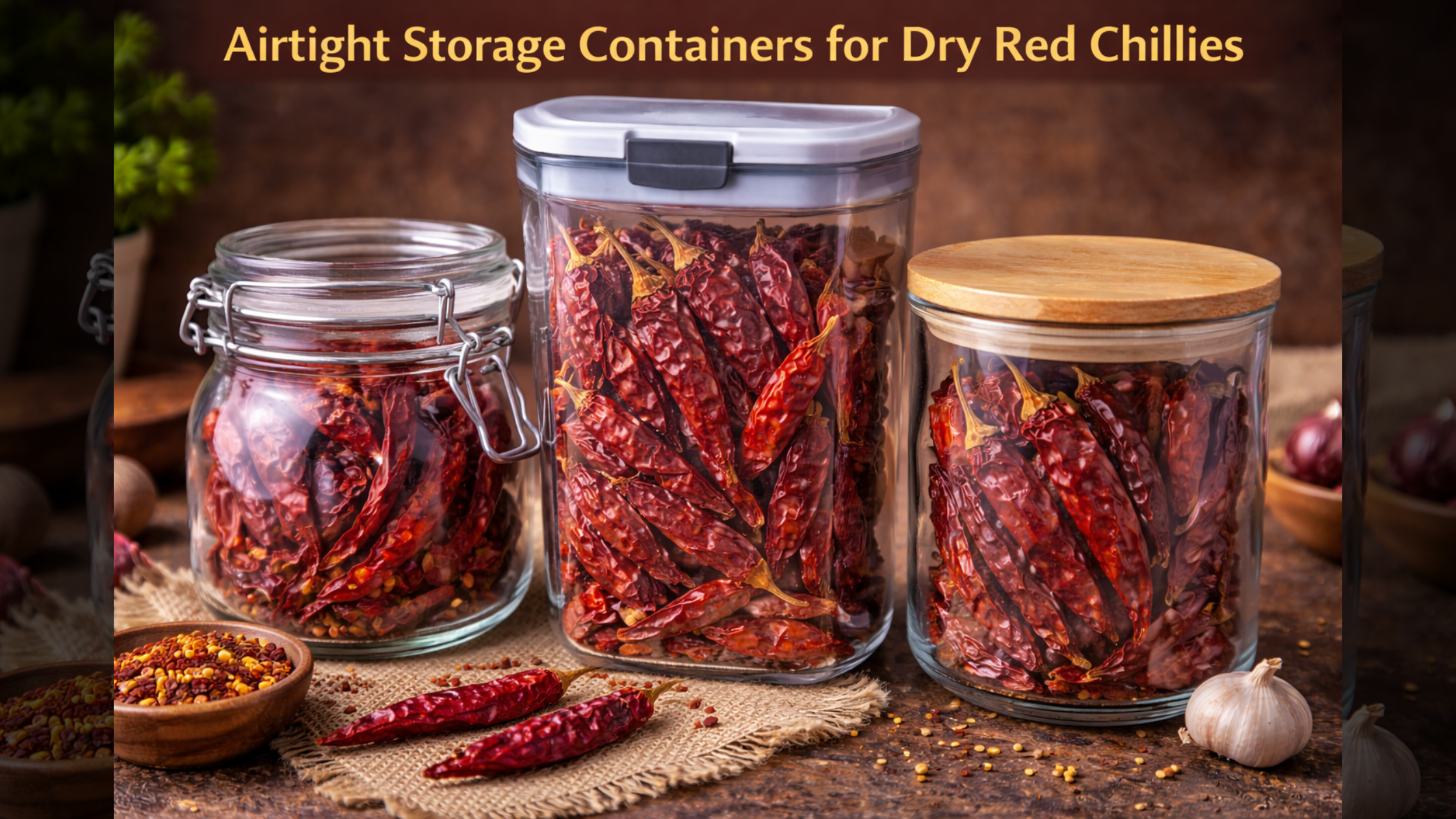
Use glass or food-grade plastic containers that seal completely. Add moisture-absorbing packets designed for food storage. Never open cold containers until they’ve reached room temperature—remove the container, wait 30 minutes, then open to prevent condensation. Label containers with storage dates to track freshness.
For bulk quantities, divide into smaller portions so you’re not repeatedly exposing the entire supply to temperature changes. This approach mirrors long-term spice storage practices used in commercial operations.
Common Mistakes People Make with Cold Storage
The biggest error is treating dry spices like fresh vege table items that need immediate refrigeration. Another common mistake is using non-airtight containers, assuming cold temperature alone protects the contents.
Many people store entire pantry collections in refrigerators, mixing moisture-sensitive items with moisture-producing fresh produce. This creates an environment where neither category thrives. Mould prevention in chillies starts with understanding that dryness, not coldness, is your primary defence.
Using transparent containers in refrigerators exposes spices to light every time the door opens, accelerating colour degradation. Dark glass or opaque containers are essential for any cold storage method.
Kitchen Spice Preservation Tips from the Field
Having worked in spice handling across supply chains from farms near Indore to international export destinations, I’ve learned that simplicity often beats complexity. Store whole dried chillies in airtight containers in a cool, dark pantry away from the stove. This traditional method has preserved post-harvest spice care quality for generations.
Check your storage containers monthly for any signs of moisture, insects, or colour changes. Quality dried chillies stored properly maintain excellent quality for 12-18 months without refrigeration or freezing. Beyond that timeline, they’re still safe but gradually lose potency.
For commercial operations or serious home cooks, vacuum-sealing in small batches and storing in a dark cupboard provides better spice shelf life management than any cold storage method.
How Vipra Overseas Supports Quality Spice Export
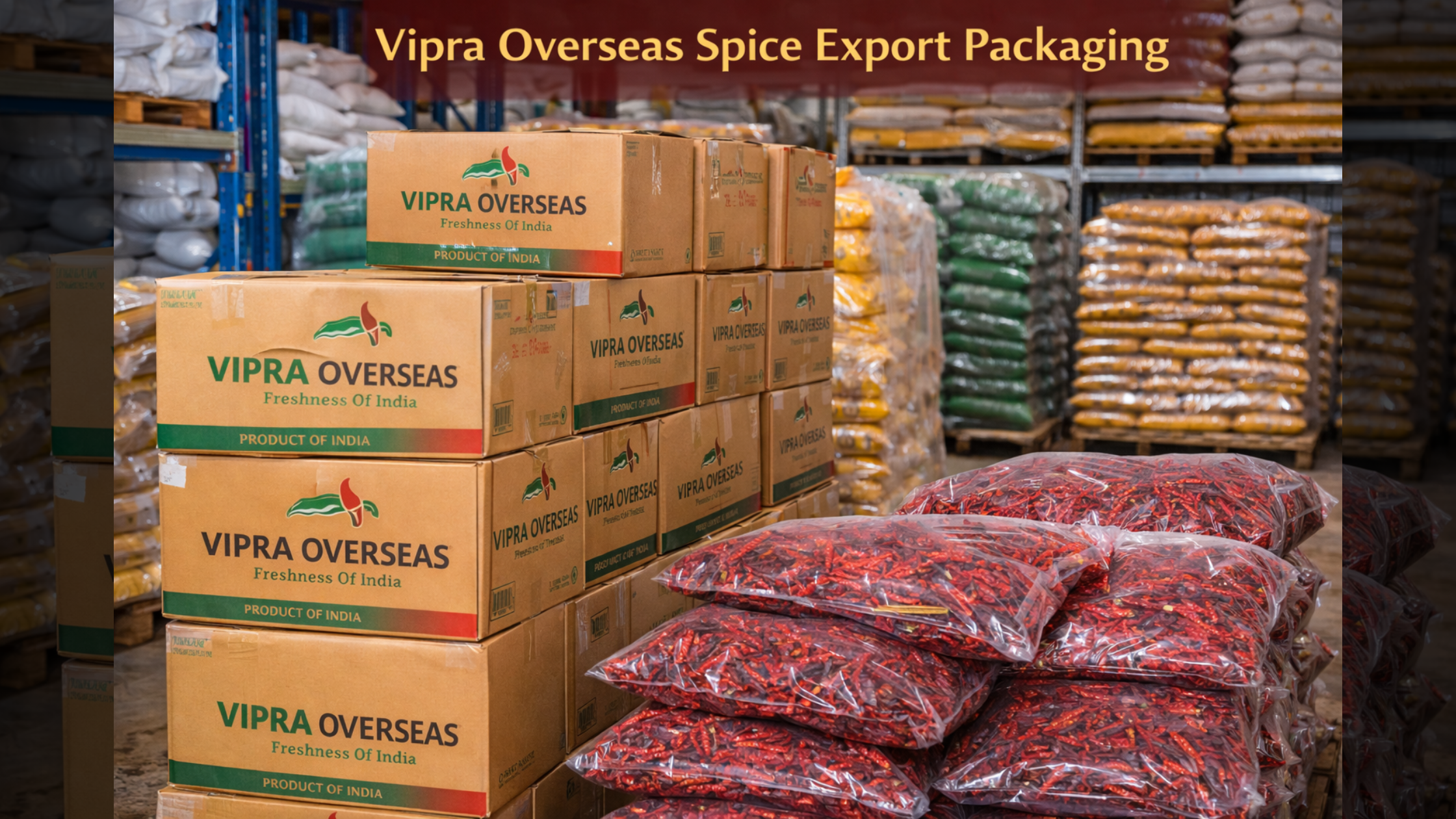
At Vipra Overseas, we understand that proper storage and handling begins at harvest and continues through every step of the supply chain. Our expertise in exporting agricultural products means we apply rigorous post-harvest care standards to maintain quality from origin to destination.
We specialize in exporting premium spices including dry red chillies, as well as fresh vege fruit and vege table varieties, beans, frozen products, and grains. Our facility in Indore serves as a hub for quality inspection and proper storage before international shipment, ensuring that every batch meets export-quality standards.
Whether you’re sourcing spices for retail distribution, food manufacturing, or restaurant supply, our team provides expert guidance on storage, handling, and logistics. We recognize that the value of agricultural exports depends on maintaining quality through proper storage methods at every stage.
Conclusion: Choosing the Right Storage Method Confidently
The verdict between refrigerating dry red chillies and freezing them is nuanced, but for most applications, neither is the optimal choice. Cool, dark, dry pantry storage in airtight containers outperforms both methods for convenience, quality retention, and practicality.
If you live in extremely humid conditions or need to store pre-ground powders for extended periods, freezing with proper vacuum-sealing offers better protection than refrigeration. However, refrigerating dry red chillies introduces more problems than it solves due to condensation risks.
Trust the wisdom of traditional spice storage: keep them dry, keep them dark, keep them sealed. Whether you’re managing household supplies or commercial inventory, these principles preserve the heat, colour, and flavour that make dry red chillies an essential ingredient across cuisines worldwide.