Introduction
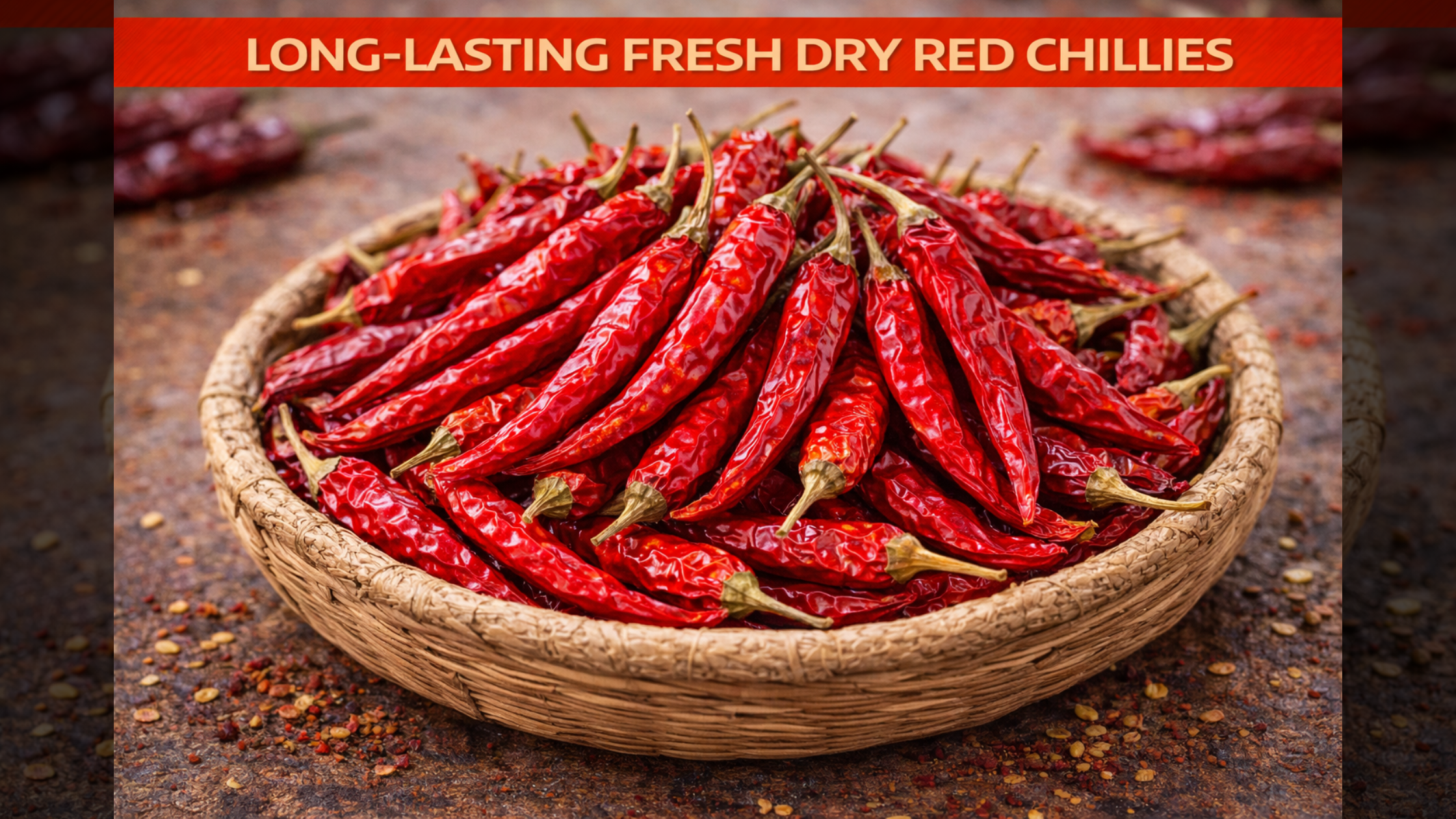
Dry red chillies are a pantry staple in kitchens worldwide, especially across Asia where they add heat, colour, and depth to countless dishes. Whether you’re a home cook stocking up during harvest season or a trader handling bulk quantities, understanding how long these fiery pods retain their quality can save money, prevent waste, and ensure your dishes always pack the right punch. Poor storage can turn vibrant, aromatic chillies into dull, flavourless remnants within months, while proper care can keep them fresh for years.
What Determines the Shelf Life of Dry Red Chillies
Several factors influence how long dry red chillies maintain their quality. The initial moisture content at the time of drying plays a crucial role—properly dried chillies with less than 10% moisture content last significantly longer than partially dried ones. The variety also matters; thicker-skinned varieties like Kashmiri chillies tend to preserve better than thin-skinned types. Post-harvest handling, including sorting and cleaning before storage, removes damaged pods that might harbour mould spores or pests.
Environmental conditions during storage determine whether your chillies stay vibrant or deteriorate rapidly. Exposure to humidity, direct sunlight, temperature fluctuations, and air circulation all impact longevity. This is why understanding kinds of fruits and vegetables and their specific storage needs helps prevent cross-contamination issues in shared storage spaces.
Typical Shelf Life Under Ideal Conditions
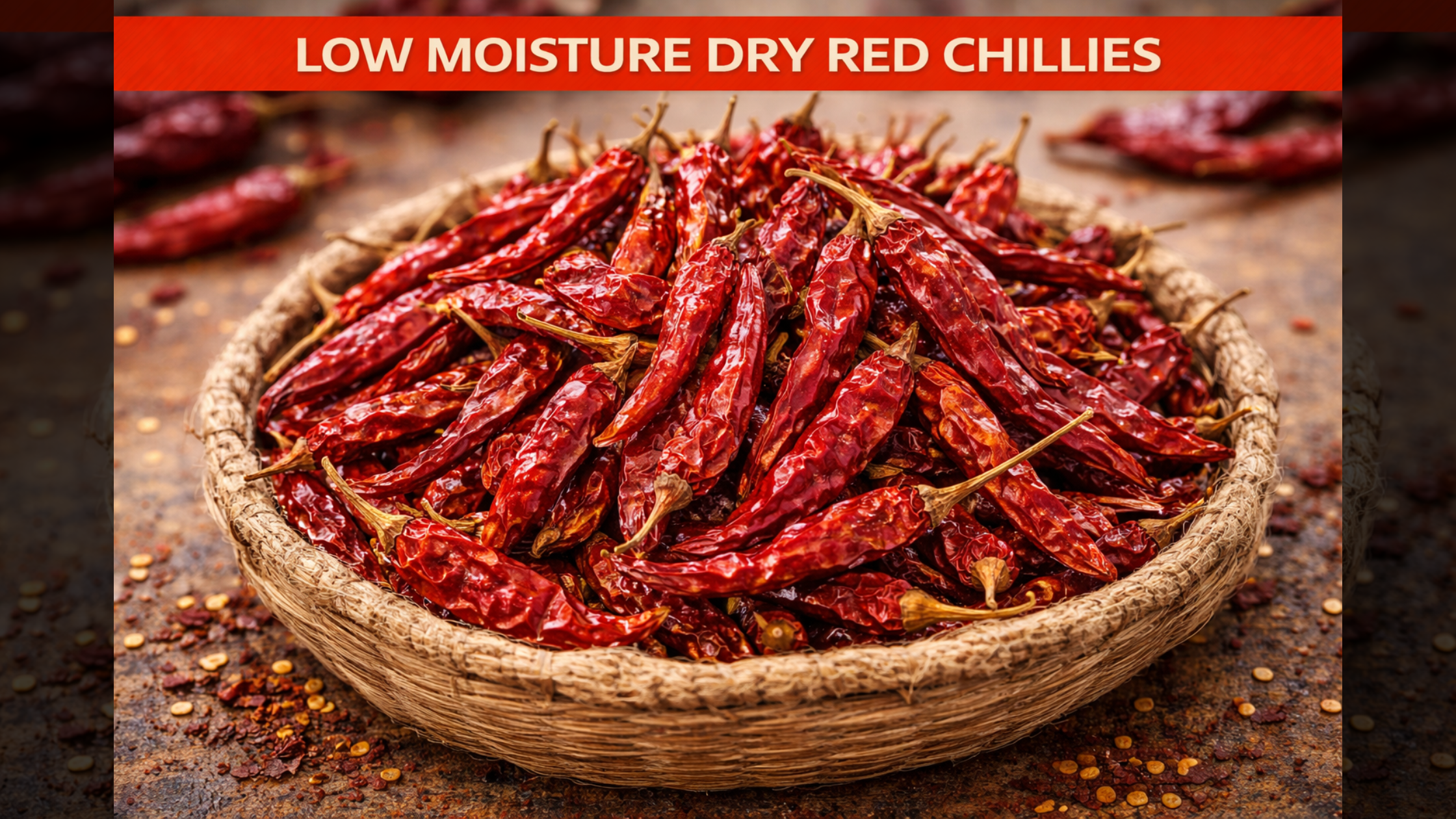
When stored correctly in cool, dark, and dry conditions, whole dry red chillies can maintain excellent quality for 2-3 years. Some premium varieties stored in airtight containers away from light have been known to retain decent flavour and colour for up to 4 years, though potency gradually diminishes after the second year. Commercial-grade chillies processed for export often include packaging dates and recommended use-by timelines, typically suggesting consumption within 18-24 months for optimal flavour.
Ground chilli powder, however, degrades much faster due to increased surface area exposed to air and light. Even under ideal conditions, powdered chillies lose their vibrant colour and pungency within 6-12 months. This shorter shelf life makes whole chillies a better investment for long-term storage.
Signs Your Dry Red Chillies Are Still Fresh
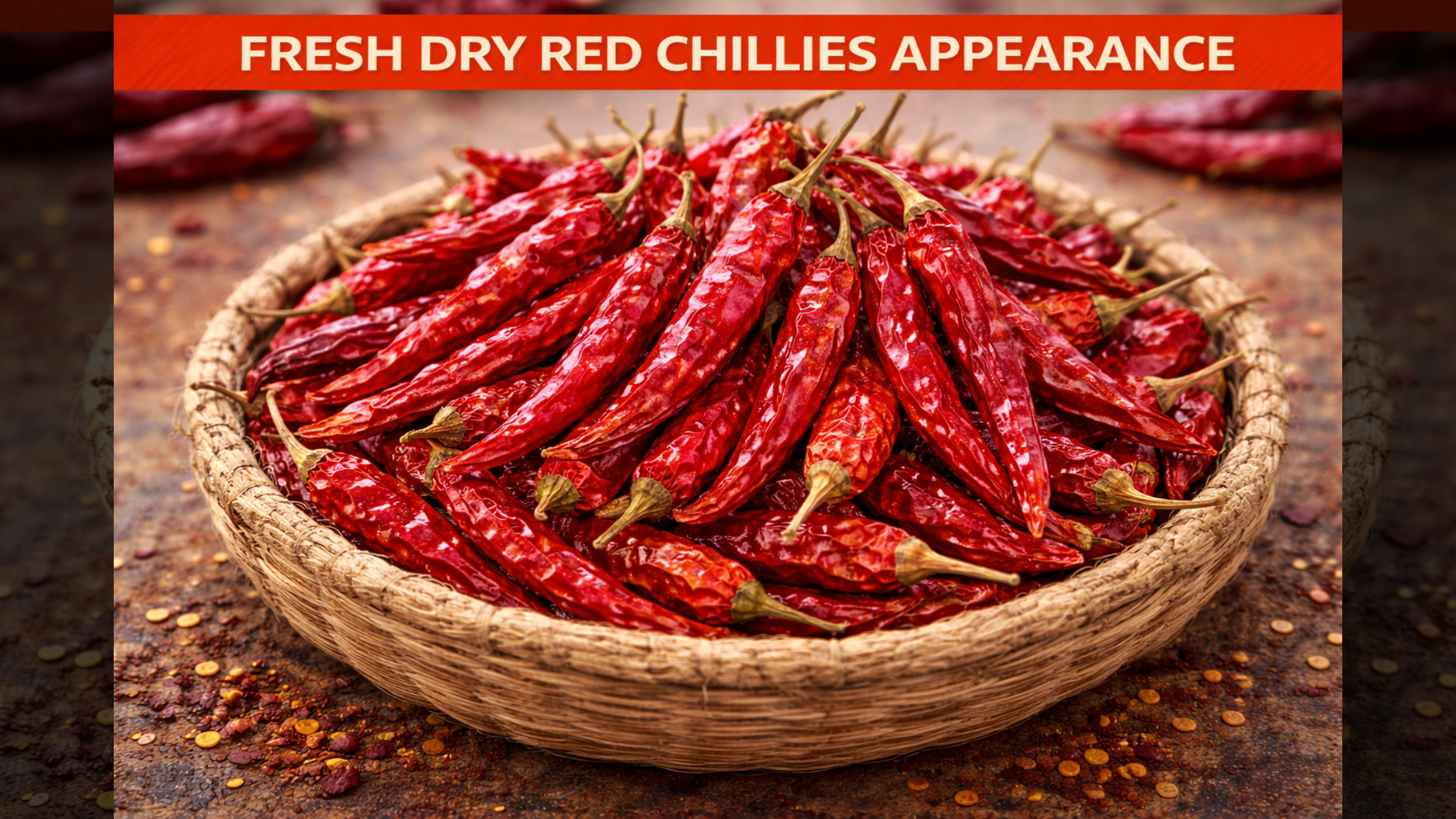
Fresh dry red chillies exhibit distinct characteristics that indicate they’re still good to use. They maintain a deep, rich red colour—whether it’s the bright crimson of Guntur chillies or the darker burgundy of Byadgi varieties. The pods should feel firm yet slightly pliable when pressed gently, not brittle enough to crumble at the slightest touch.
A strong, characteristic aroma is another reliable indicator. Break open a chilli and smell it—you should detect that sharp, spicy scent immediately. The seeds inside should be pale yellow to cream-coloured and rattle slightly when you shake the pod. If you’re sourcing from regions known for quality produce, much like how mangoes india produces are famous for their superior taste, chillies from established growing areas often come with better inherent shelf life.
Warning Signs of Spoilage or Quality Loss
Recognising when dry red chillies have passed their prime prevents culinary disappointments and potential health risks. Faded colour is the first visible sign—chillies turning brownish or developing light patches have lost their capsanthin pigments due to light exposure or oxidation. This colour loss usually accompanies flavour degradation.
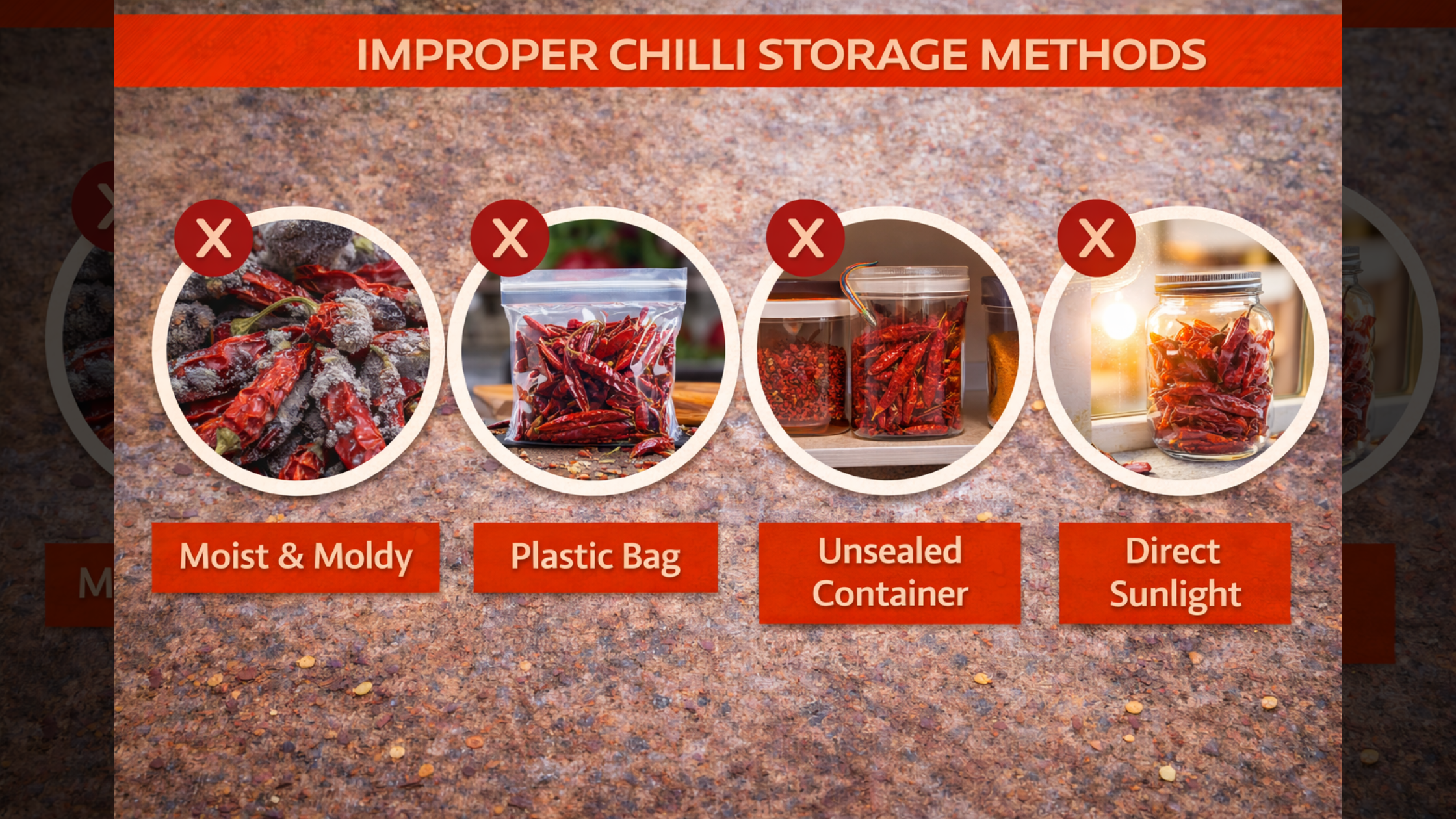
Mould growth appears as fuzzy white, green, or black spots, typically starting where moisture has accumulated. Any visible mould means the entire batch should be discarded, as spores spread invisibly through stored spices. A musty or off smell replacing the characteristic spicy aroma indicates bacterial or fungal activity. Chillies that feel soft, damp, or sticky have absorbed moisture and will spoil rapidly if not dried again immediately.
Insect damage shows as tiny holes in the pods or fine powder accumulation at the bottom of the container. Pantry pests like weevils and beetles can infest dried spices, making them unsuitable for consumption.
Common Storage Mistakes People Make
Many storage errors unknowingly reduce the lifespan of dry red chillies. Storing them in transparent containers near windows exposes them to sunlight, which degrades both colour and heat intensity within weeks. Using regular plastic bags instead of proper airtight containers allows moisture infiltration during humid weather, creating perfect conditions for mould growth.
Keeping chillies above the stove or near other heat sources seems convenient but accelerates oil breakdown and flavour loss. Mixing freshly dried chillies with older stock without dating them leads to confusion about actual age and quality. Just as various kinds of fruits and vegetables require different storage approaches, chillies need dedicated space away from moisture-releasing produce.
Another frequent mistake involves grinding large quantities at once for convenience. While this saves time initially, ground chilli powder deteriorates much faster than whole pods, leading to greater waste over time.
Best Storage Practices for Long-Lasting Freshness
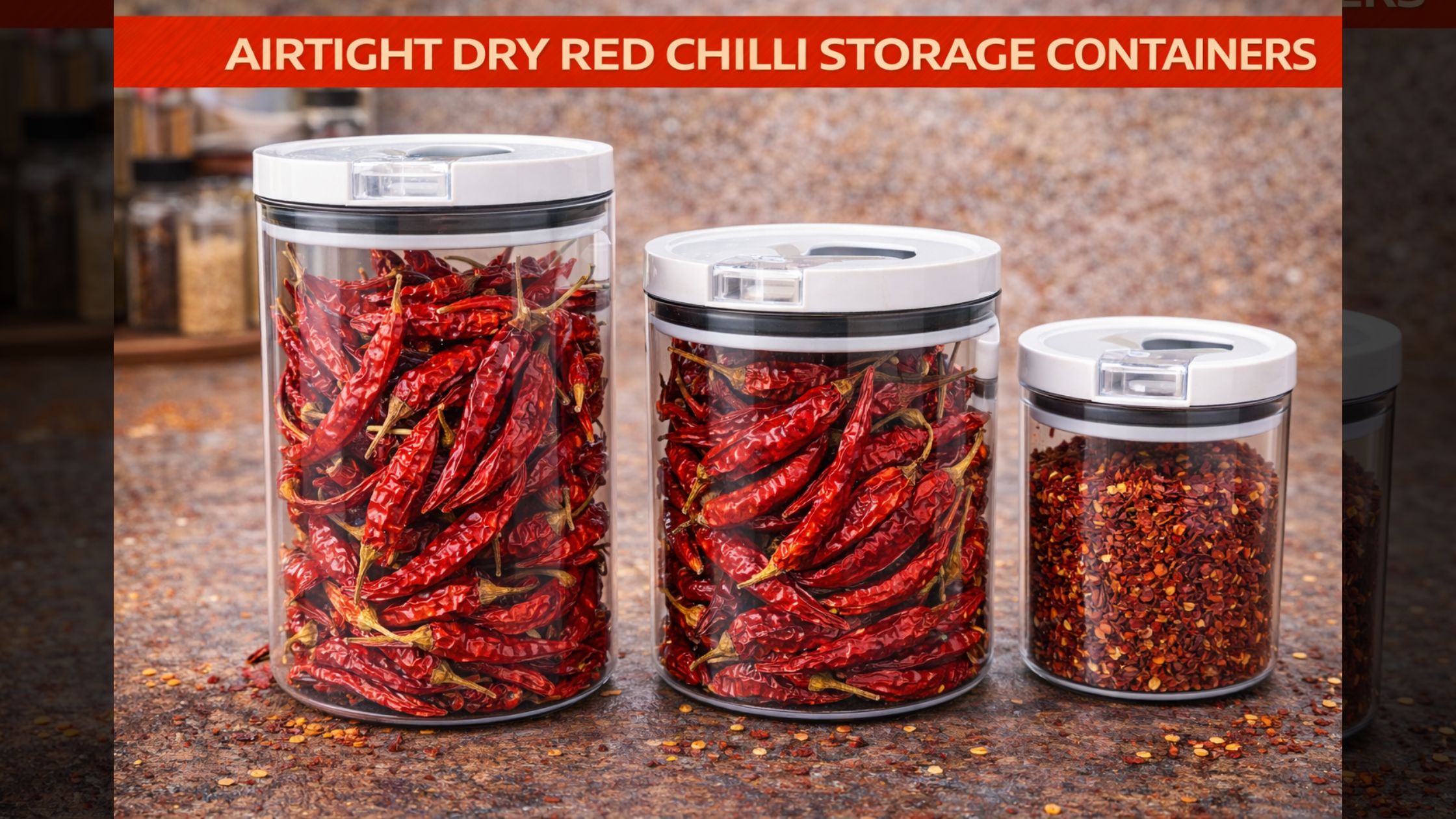
Implementing proper storage techniques dramatically extends the usable life of dry red chillies. Always use airtight containers made of glass, food-grade plastic, or metal tins with secure lids. Glass jars are ideal because they’re non-reactive and allow you to monitor the contents without opening the container frequently.
Store containers in cool, dark locations like pantry cupboards, preferably on lower shelves where temperatures remain more stable. Avoid areas prone to temperature swings or humidity spikes. Adding a small packet of food-grade silica gel to each container absorbs any residual moisture, providing extra protection during monsoon seasons.
Before storage, ensure chillies are completely dry. Spread them on clean cloth under fan air for a few hours if there’s any doubt. Remove stems and damaged pods, as these decay faster and can affect the entire batch. Label containers with the storage date so you can use older stock first.
For regions producing diverse agricultural products—where fruits originated in india such as alphonso mangoes, custard apples, and pomegranates share warehouses with spices—maintaining separate, dedicated spice storage prevents cross-contamination of flavours and moisture levels.
Differences Between Whole Chillies and Chilli Powder Storage
The storage requirements and longevity differ significantly between whole dry red chillies and ground powder. Whole chillies, with their intact outer skin, are naturally protected from oxidation and moisture. They maintain potency for 2-3 years when properly stored. Grinding chillies breaks down this protective barrier, exposing oils and capsaicin to air and light, which accelerates degradation.
Chilli powder should be stored in even smaller quantities in opaque, airtight containers filled to the top to minimise air space. Consider grinding small batches as needed rather than processing large quantities at once. If you must store powder long-term, refrigeration can extend its life to about 12 months, though condensation when bringing cold containers to room temperature poses risks.
For traders and households dealing with both forms, prioritise storage space and attention for whole chillies, which offer better value retention over time.
Why Proper Storage Matters for Trade and Exports
In the agricultural export business, the quality of dry red chillies directly impacts reputation, pricing, and repeat orders. International buyers specify strict quality parameters regarding colour values, moisture content, and absence of foreign matter. Chillies that have been stored improperly fail these specifications, leading to rejected shipments and financial losses.
Proper storage maintains the essential characteristics that premium buyers seek—vibrant colour, high heat units measured in Scoville ratings, and clean appearance free from mould or pest damage. Export-quality chillies command significantly higher prices than degraded stock suitable only for domestic lower-tier markets.
Temperature-controlled warehouses, fumigation protocols, and regular quality checks form the backbone of professional spice storage operations. These investments ensure that products maintain their market value from harvest through transportation to international destinations.
How Vipra Overseas Helps Export Agro Products
Vipra Overseas has established itself as a reliable partner in agricultural exports, connecting quality Indian produce with global markets. The company handles diverse categories including fresh fruits that showcase the rich variety of produce from regions where numerous fruits originated in india. From seasonal alphonso mangoes to year-round bananas and pomegranates, they ensure proper cold chain management for optimal freshness during transit.
Their fresh vegetables portfolio spans leafy greens, gourds, root vegetables, and specialty items demanded by international cuisines. Understanding that different kinds of fruits and vegetables require tailored handling protocols, Vipra Overseas implements specific packaging and temperature controls for each product category.
The beans segment covers various pulses and legumes essential to global food security and nutrition. These protein-rich products undergo careful moisture testing and pest-free certification before export. Their frozen products line includes value-added items like frozen vegetables, ready-to-cook options, and processed foods that meet international food safety standards.
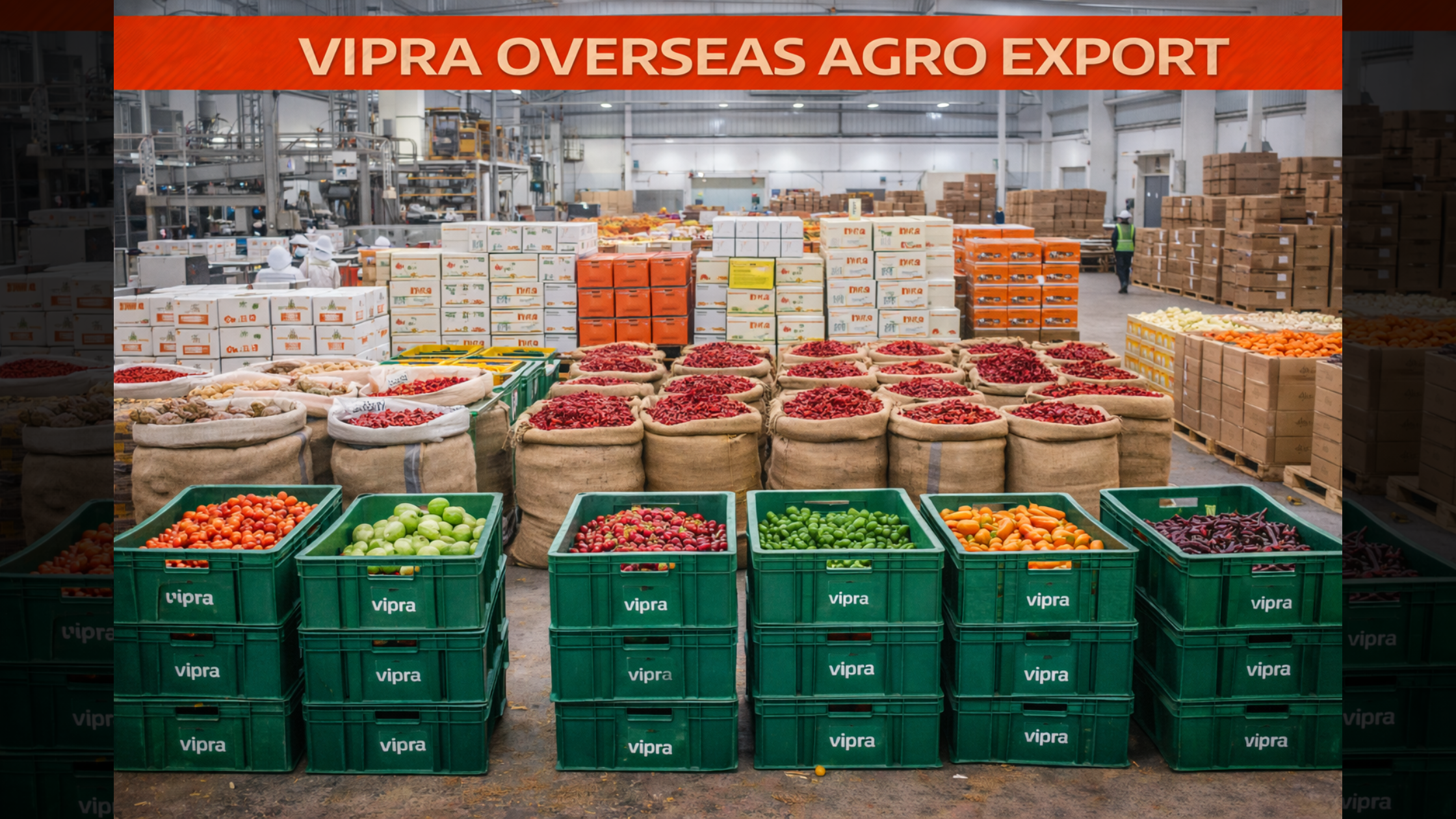
Spices form a core strength, with dry red chillies being among the flagship products. Vipra Overseas sources from premier growing regions, ensures proper post-harvest processing, and maintains storage facilities that preserve the colour, aroma, and heat that international buyers expect. Whether supplying whole pods or processed powder, their quality control systems maintain consistency across shipments.
The grains category includes rice varieties, wheat, millets, and other cereals that form dietary staples worldwide. Proper storage preventing moisture damage and pest infestation ensures these products reach destination markets in prime condition.
By understanding the specific needs of each product category—from the delicate handling required for mangoes india exports to the moisture control critical for dry spices—Vipra Overseas has built lasting relationships with importers across multiple continents.
Conclusion
Understanding how long dry red chillies last and implementing proper storage practices ensures you always have flavourful, potent spices ready to enhance your cooking. Whether you’re managing a home pantry or operating a commercial export business, the principles remain consistent: keep chillies dry, dark, cool, and sealed away from air exposure. Regular monitoring for signs of deterioration allows you to use products at their peak quality rather than discovering degraded stock months later.
The difference between chillies that maintain their fiery punch for years versus those that fade within months comes down to attention to storage fundamentals. By treating these valuable spices with the care they deserve, you protect your investment, ensure culinary success, and, in the case of commercial operations, maintain the reputation that builds lasting business relationships in the competitive agricultural export market.