The Role of Dry Red Chillies in South Indian Cuisine
Walk into any South Indian kitchen, and you’ll immediately notice the unmistakable aroma of spices being tempered in hot oil. At the heart of this aromatic tradition lies the humble dry red chilli—a cornerstone ingredient that has shaped the region’s culinary identity for centuries. Unlike the fresh green varieties often used in other parts of India, dry red chillies bring a unique depth of flavour, colour, and heat that defines South Indian cooking.
The Journey of Chillies to South India
Though chillies originated in the Americas and arrived in India through Portuguese traders in the 15th century, they found their true calling in the southern states. The tropical climate, fertile soil, and traditional farming practices made regions like Andhra Pradesh, Karnataka, Tamil Nadu, and Kerala ideal for cultivating various chilli varieties. Over generations, these crimson pods became inseparable from local food culture, replacing black pepper as the primary heat source in many dishes.
The Portuguese introduced chillies through the coastal ports of Goa and Kerala, where traders exchanged spices for European goods. Local farmers quickly recognised the potential of this new crop, and within decades, chillies had spread across southern India, transforming regional cuisine forever.
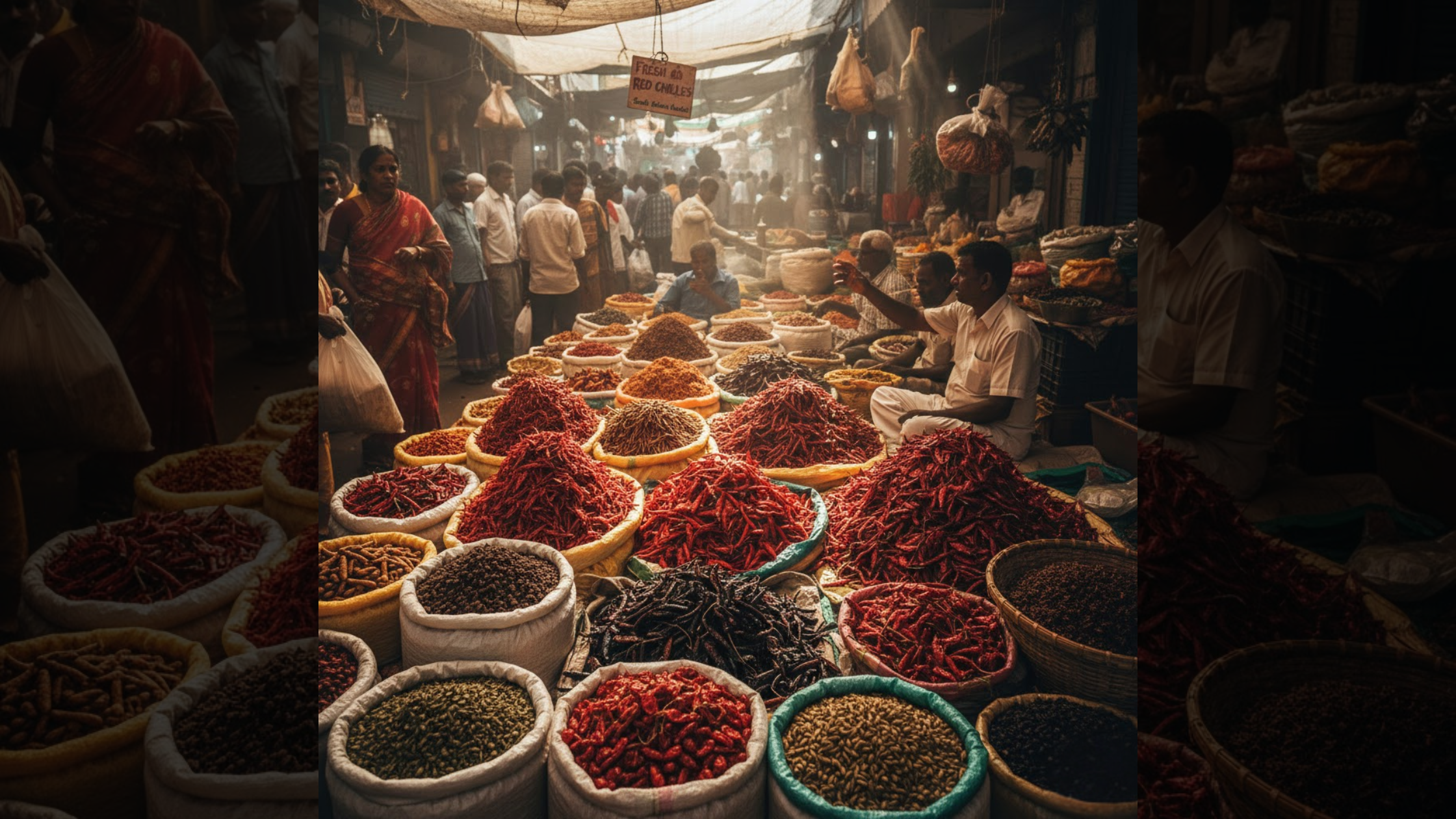
Why Dry Red Chillies Dominate Southern Kitchens
South Indian cuisine relies heavily on dry red chillies for several practical and flavour-related reasons. The drying process concentrates the capsaicin, creating a controlled, lingering heat rather than an explosive burn. This allows cooks to build layers of flavour without overwhelming the palate. The earthy, slightly smoky notes of dried chillies complement coconut-based gravies, tamarind-laced curries, and lentil preparations beautifully.
Additionally, dried chillies have an extended shelf life compared to fresh produce, making them practical for households in tropical climates where preservation methods were historically limited. Farmers harvest chillies at peak ripeness, sun-dry them naturally, and store them for year-round use—a practice that connects modern kitchens to ancient agricultural wisdom.
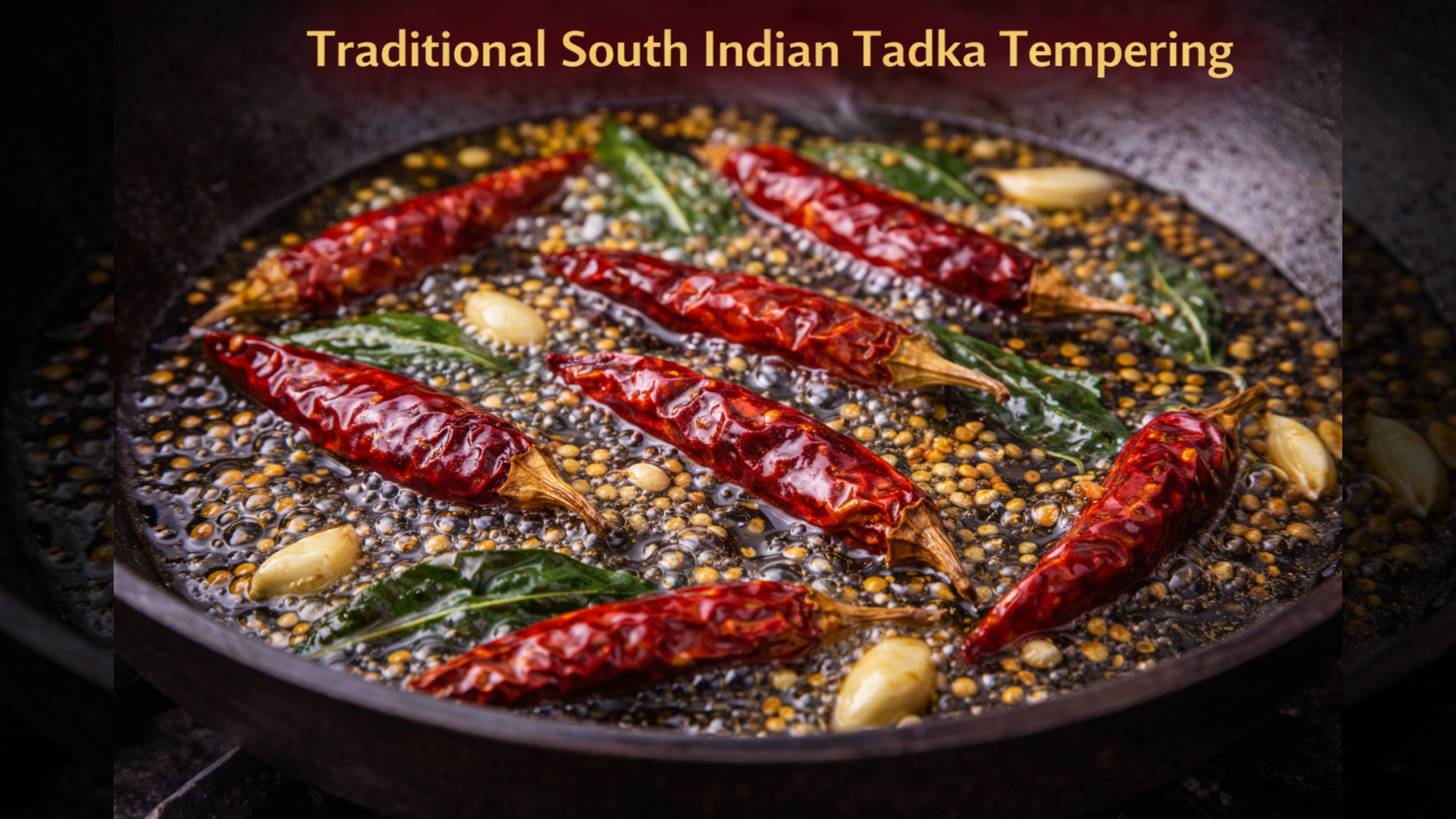
The Art of Tempering: Where Magic Happens
Tempering, or tadka, represents the soul of South Indian cooking. This technique involves heating oil or ghee, then adding whole dry red chillies along with mustard seeds, curry leaves, cumin, and sometimes asafoetida. The chillies sizzle and release their essential oils, infusing the fat with their characteristic heat and aroma.
The timing matters enormously. Add the chillies too early, and they’ll burn, turning bitter. Add them too late, and they won’t release their full flavour. Experienced cooks know exactly when to drop those brittle red pods into the pan—usually after the mustard seeds pop but before the curry leaves turn completely crisp.
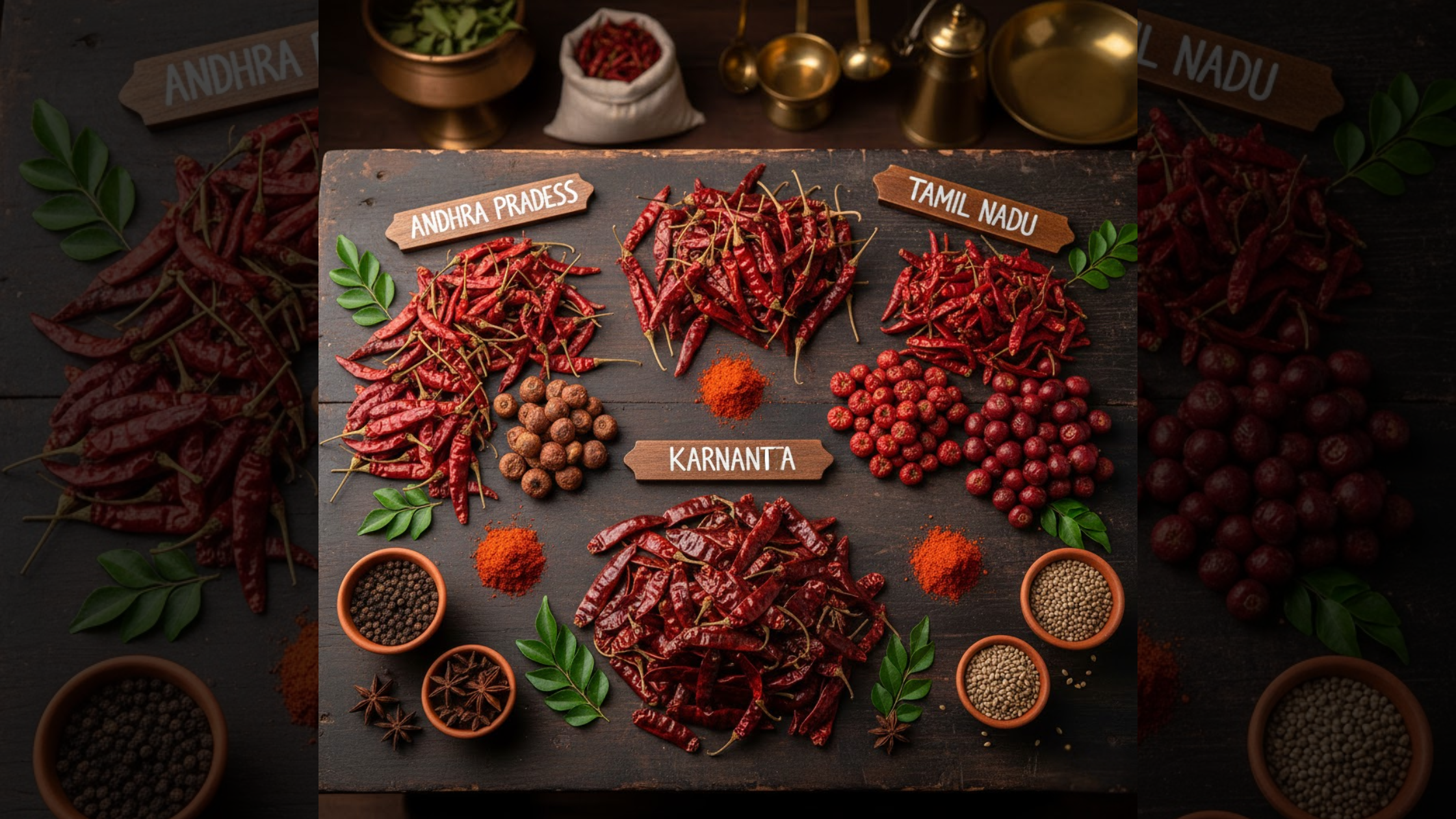
Regional Variations Across Southern States
Andhra Pradesh: The Land of Fiery Flavours
Andhra cuisine celebrates bold, aggressive heat. The Guntur chilli, grown extensively in this region, ranks among the hottest varieties in India. Dishes like gongura pachadi, Andhra chicken curry, and pappu charu showcase how locals use dry red chillies not just for heat but also for their deep red colour and complex flavour profile.
Tamil Nadu: Balanced Heat and Tradition
Tamil cooking balances spice with sourness and sweetness. Dry red chillies feature prominently in sambhar, rasam, poriyal (stir-fried vegetables), and various rice preparations like puliyodarai. The Ramnad Mundu chilli, specific to this region, offers moderate heat with excellent colour—perfect for everyday cooking alongside other fruits & veg from the garden.
Karnataka: Subtle Complexity
Karnataka’s cuisine demonstrates restraint compared to its neighbouring states. Bisi bele bath, jolada rotti accompaniments, and coconut-based vegetable curries use dry red chillies to add warmth without overpowering the delicate balance of jaggery, tamarind, and coconut. The Byadgi chilli, prized for its vibrant colour and mild heat, originates from this state.
Kerala: Coastal Spice Mastery
Kerala’s proximity to the sea influences its spice usage. Fish curries, avial, thoran, and the famous Kerala beef fry all incorporate dry red chillies in ways that complement rather than compete with other ingredients. The coastal humidity demands proper storage of dried spices, and families often keep their chillies in airtight containers to preserve quality.
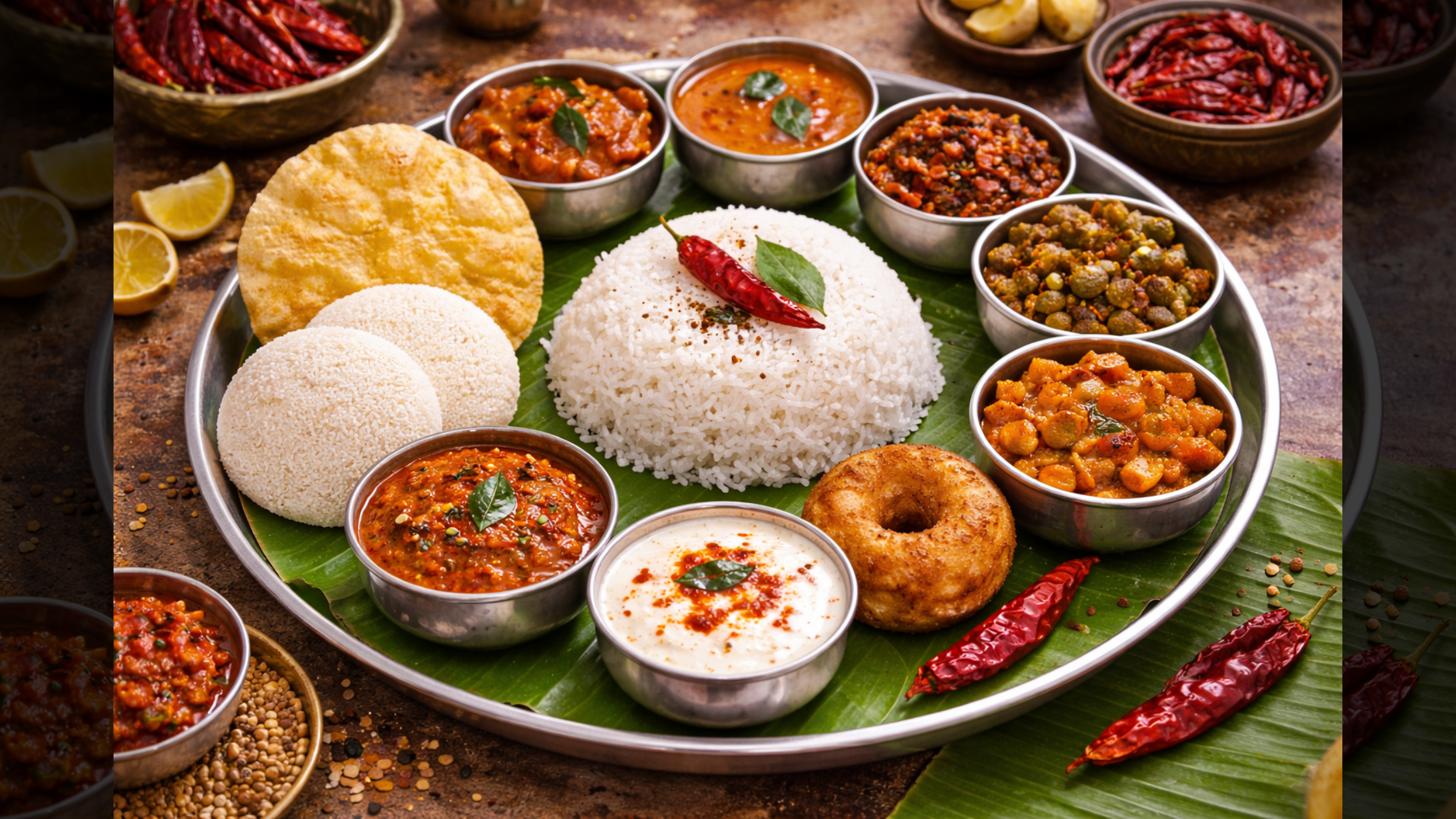
Iconic Dishes That Showcase Dry Red Chillies
Several classic preparations wouldn’t exist without dry red chillies. Mirchi bajji (chilli fritters) uses large, mildly hot varieties stuffed and fried. Rasam, the comforting pepper-tamarind soup, gains its signature kick from roasted and powdered dry red chillies. Chettinad masala preparations rely on a complex spice blend where dry red chillies form the foundation.
Even rice dishes like lemon rice and tamarind rice depend on tempered dry red chillies to create that essential contrast between tangy, spicy, and aromatic notes. The chillies don’t just add heat—they contribute earthy undertones that round out the overall flavour profile.
The Colour-Heat-Aroma Triangle
Expert cooks understand that different dry red chilli varieties offer distinct characteristics. Some provide intense heat with minimal colour, while others deliver brilliant red hues with moderate spiciness. The Kashmiri chilli, though not native to the south, is often used when vibrant colour matters more than heat. Meanwhile, the bird’s eye chilli (locally called kanthari) packs explosive heat in a tiny package.
This diversity allows cooks to customise each dish precisely. A wedding feast might require dishes with appealing colour but manageable heat for diverse palates, while a family meal might embrace the full fiery potential of Guntur chillies. This flexibility makes dry red chillies indispensable across contexts—from everyday meals featuring simple fruits & veges to elaborate festival preparations.
Generational Knowledge and Technique
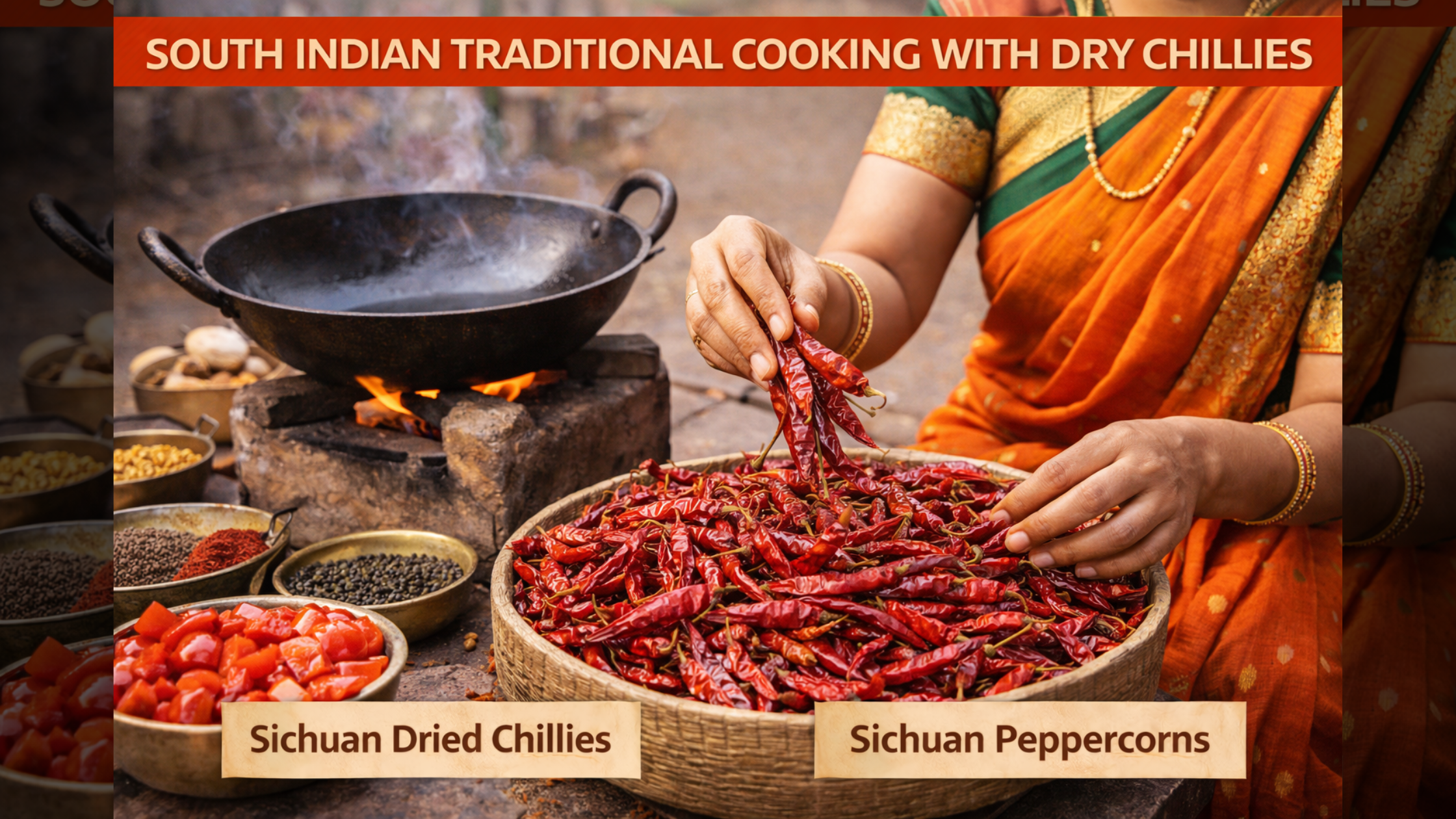
The knowledge of selecting, storing, and using dry red chillies passes through generations in South Indian families. Grandmothers teach granddaughters how to identify quality chillies by their sheen, brittleness, and aroma. They share wisdom about which varieties suit which dishes, and how to adjust quantities based on the chilli’s age and potency.
Traditional storage methods include keeping chillies in cloth bags away from moisture, occasionally sun-drying them again to prevent fungal growth, and grinding small batches fresh rather than storing powdered chilli for extended periods. These practices ensure maximum flavour retention—something commercial spice powders rarely match.
Global Recognition of South Indian Spice Traditions
As South Indian cuisine gains international appreciation, the demand for authentic ingredients grows exponentially. Restaurants worldwide seek genuine South Indian dry red chillies to recreate traditional flavours. Home cooks experimenting with regional Indian recipes need access to the same quality spices used in ancestral kitchens.
This global interest creates opportunities for quality spice exporters who understand the cultural significance and culinary requirements of these products. The connection between farm-fresh produce and international kitchens requires expertise in preservation, packaging, and logistics.
Vipra Overseas: Bridging Tradition and Global Markets
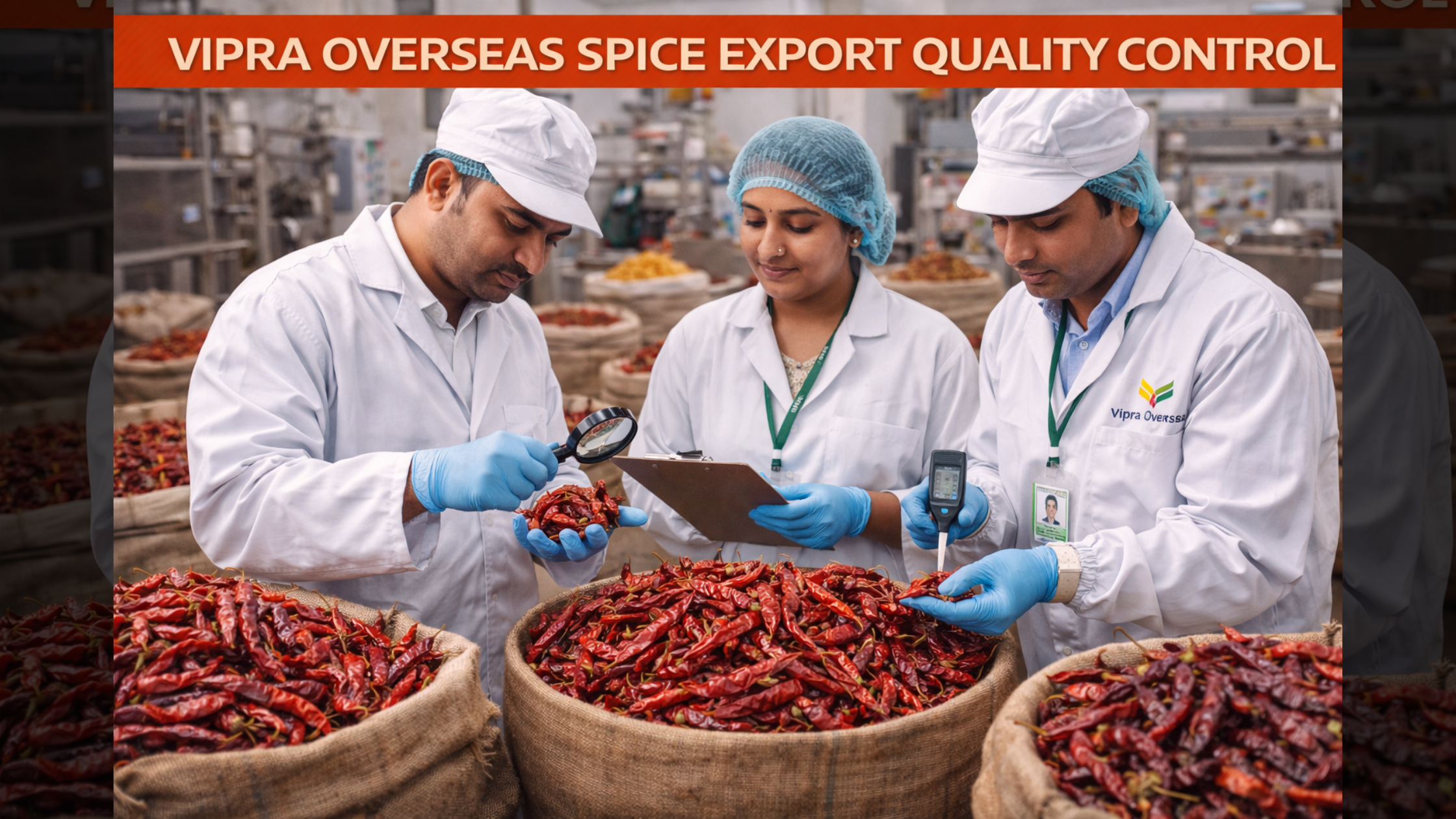
Vipra Overseas specialises in exporting premium agricultural products that carry the authentic taste of Indian tradition to kitchens worldwide. Understanding that spices like dry red chillies require careful handling to preserve their potency and flavour, Vipra Overseas maintains strict quality standards from farm to shipment.
Beyond spices, Vipra Overseas offers a comprehensive range of export products including fresh fruit s, fresh vegetables, beans, frozen products, and grains. This diversity allows international buyers to source multiple ingredients from a single trusted supplier, ensuring consistency across their procurement needs.
For restaurants, food manufacturers, and retailers seeking authentic South Indian ingredients, Vipra Overseas provides the reliability needed to maintain quality standards. Their expertise in handling delicate agricultural products ensures that dry red chillies arrive at their destination with their colour, aroma, and heat intact—ready to bring authentic South Indian flavour to global tables.
Preserving Culinary Heritage in Modern Kitchens
As cooking methods evolve and younger generations adapt traditional recipes for contemporary lifestyles, dry red chillies remain constant. Whether cooking in a village kitchen with a wood-fired stove or a metropolitan apartment with modern appliances, the fundamental role of these spices endures.
The challenge lies in maintaining quality as demand scales. Farmers must balance traditional cultivation methods with commercial viability. Exporters must ensure that fruits & veg and spices reach international markets without losing their essential characteristics. Consumers must learn to distinguish authentic products from inferior substitutes.
Conclusion
Dry red chillies represent more than just a spice in South Indian cuisine—they embody centuries of agricultural wisdom, culinary evolution, and cultural identity. From the coastal backwaters of Kerala to the spice markets of Guntur, these crimson pods tell stories of trade, tradition, and taste.
As global appreciation for regional Indian cuisine deepens, maintaining the authenticity and quality of ingredients becomes paramount. Whether you’re a home cook exploring South Indian recipes or a commercial buyer seeking export-quality spices, understanding the role of dry red chillies enriches your connection to this vibrant culinary tradition.
The journey from sun-drenched chilli fields to aromatic tempering pans continues, linking past and present through flavour, heat, and the unmistakable essence of South Indian cooking.