
A Global Spice That Transcends Borders
The journey of dry red chillies from the New World to dinner tables across continents is one of history’s most flavourful tales. What began in the Americas over 6,000 years ago has evolved into an essential ingredient that defines cuisines from Mexico City to Mumbai, Bangkok to Beijing. Each region has developed its own varieties, drying techniques, and culinary traditions that reflect local palates, agricultural conditions, and cultural preferences.
Today, dry red chillies are not just about heat—they represent identity, tradition, and the art of balancing flavour. Understanding these regional varieties reveals how geography and culture shape what we eat, much like how the background of fruits and vegetables varies dramatically across different growing regions worldwide.
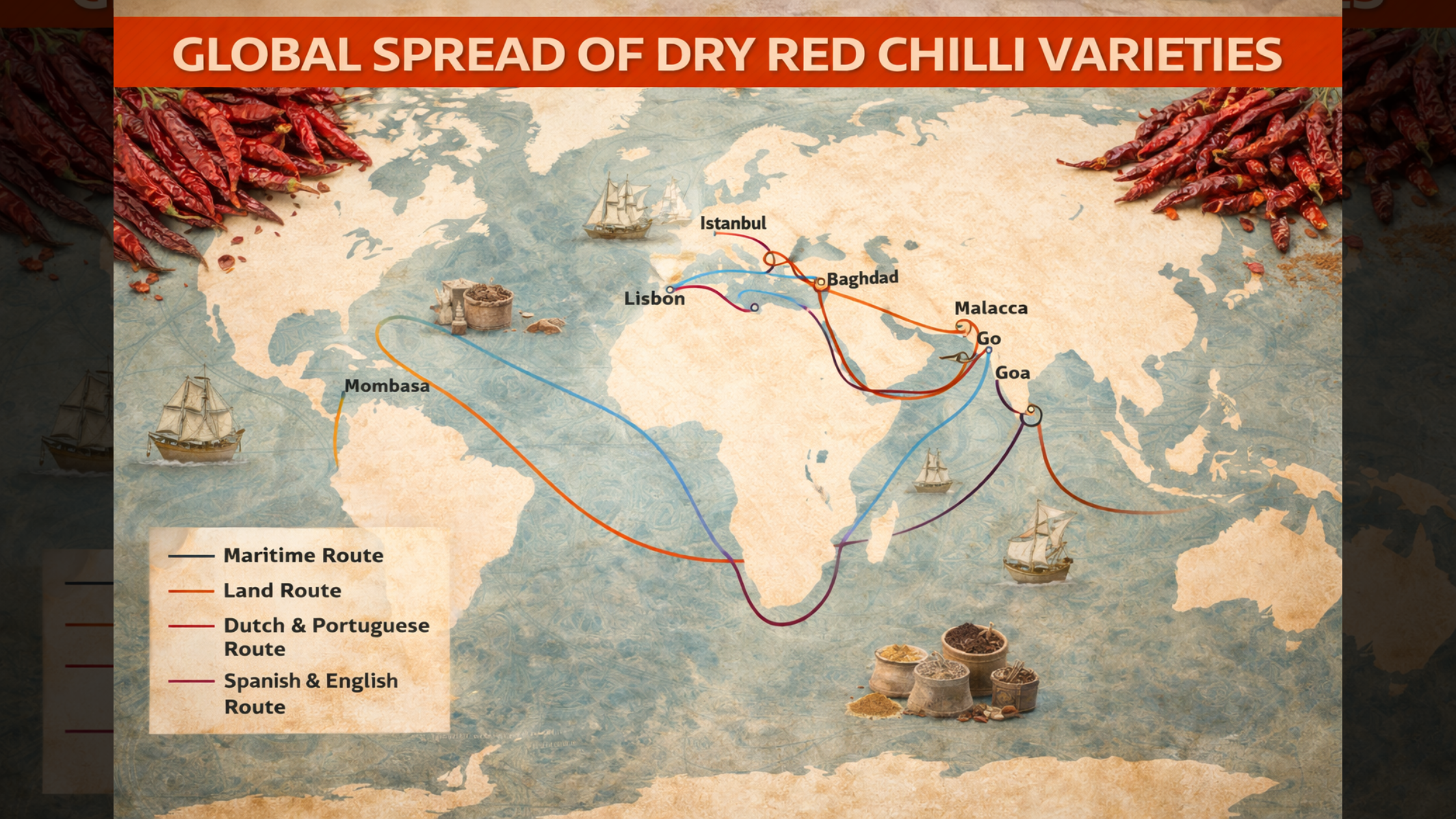
The Ancient Origins and Global Spread
Chillies originated in Central and South America, where indigenous peoples cultivated them for thousands of years. Following Columbus’s voyages in the late 15th century, Portuguese and Spanish traders carried chilli seeds along maritime routes to Africa, India, and Southeast Asia. Within decades, these fiery pods had been embraced and adapted by cultures that previously had no access to such intense heat.
The speed of adoption was remarkable. By the 16th century, chillies had become integral to Indian curries, Thai stir-fries, and Chinese Sichuan cuisine. Each region selectively bred varieties suited to local conditions, creating the diverse range we see today—from mild, fruity types to varieties that rival the intensity one might expect when comparing bananas and mangoes to something far more aggressive on the palate.
Mexican Dried Chillies: Complexity Beyond Heat
Mexico, the ancestral home of chillies, boasts the most extensive variety of dried chillies in the world. Each type offers distinct characteristics that go far beyond simple spiciness.
Ancho chillies, the dried version of poblano peppers, deliver a sweet, slightly smoky flavour with mild heat. They form the backbone of many mole sauces and enchilada preparations. Guajillo chillies bring a tangy, berry-like quality with moderate heat, perfect for salsas and marinades. The fearsome Chile de Árbol offers sharp, grassy heat, while Chipotle (smoked jalapeños) adds earthy, tobacco-like depth to dishes.
Mexican cuisine treats dried chillies as essential flavour components rather than mere heat sources. Chefs often toast them lightly before rehydrating, releasing complex aromatics that layer beautifully in traditional dishes. This approach highlights how the freshness of vegetables and proper handling during drying and storage can dramatically impact final flavour profiles.
Indian Dry Red Chillies: Regional Diversity
India stands as the world’s largest producer, consumer, and exporter of dry red chillies, with each region cultivating varieties tailored to local cooking styles.
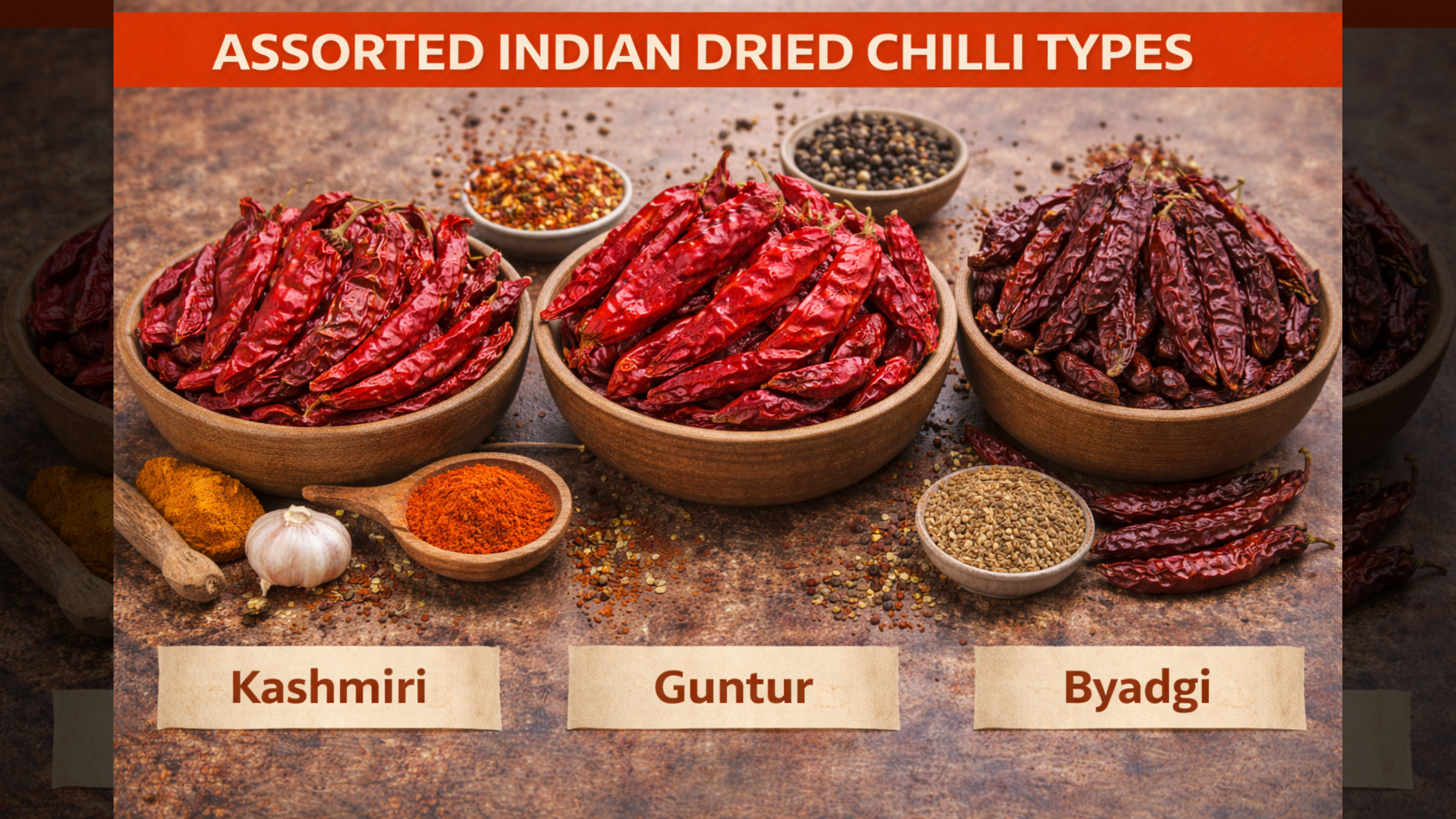
Kashmiri chillies are prized for their vibrant red colour and mild heat, essential for dishes where appearance matters as much as taste. Byadgi chillies from Karnataka offer similar colouring properties with slightly more warmth. Moving south, Guntur chillies from Andhra Pradesh pack fierce heat and are favoured for pickles and spicy curries. The Teja variety is among India’s hottest, reaching high levels on the Scoville scale.
In Indian kitchens, whole dried chillies are tempered in hot oil to release their essence, ground into powders for masalas, or rehydrated for paste-based gravies. The versatility matches the diversity of ingredients found in Indian agriculture, where the background of fruits and vegetables shifts dramatically from the cool Himalayan foothills to tropical Kerala.
Thai Dried Chillies: Heat With Purpose
Thai cuisine employs dried chillies strategically, balancing heat with the signature sweet, sour, and salty elements that define the cuisine.
Prik Haeng (Thai dried chillies) come in various sizes, with smaller varieties delivering more concentrated heat. These are essential in curry pastes, stir-fries, and the iconic Nam Prik (chilli paste) preparations. The medium-sized Prik Chi Fah when dried offers moderate heat with fruity undertones, while tiny Prik Kee Noo dried chillies are explosively hot.
Thai cooking often uses dried chillies whole in soups and curries, allowing them to infuse gradually, or roasts them before grinding into flakes. The approach ensures heat is present but doesn’t overpower the delicate balance of flavours. This philosophy extends to how Thai agriculture values quality over sheer quantity, similar to maintaining the freshness of vegetables through careful post-harvest handling.
Chinese Dried Chillies: Numbing Heat and Fragrance
Chinese cuisine, particularly in Sichuan and Hunan provinces, has developed unique relationships with dried chillies that emphasize aroma alongside heat.
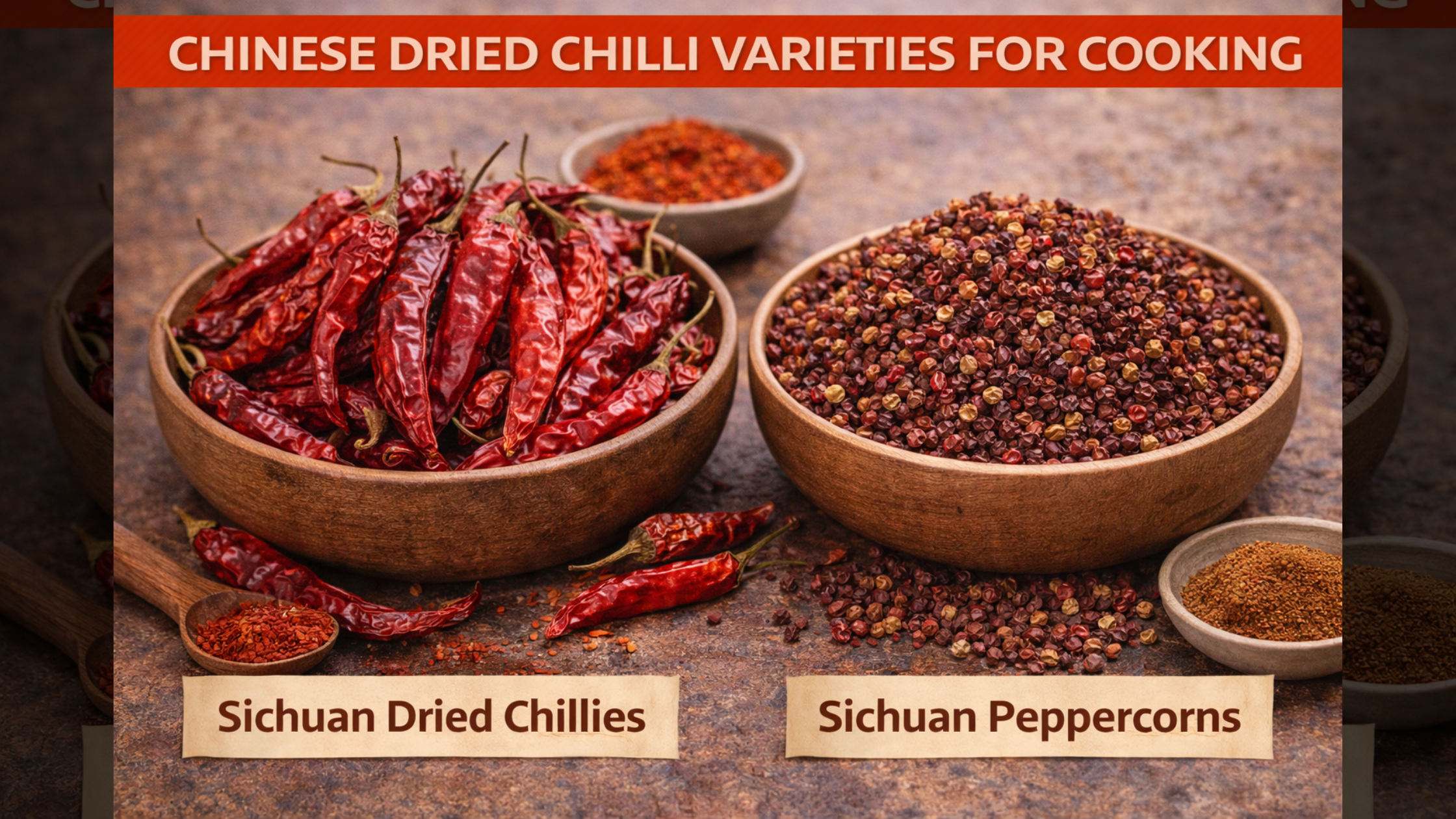
Tianjin chillies are moderately hot with thin flesh, commonly used in Sichuan pepper-and-chilli combinations that create the famous “málà” (numbing-spicy) sensation. Erjingtiao chillies from Sichuan offer excellent colour and medium heat, perfect for chilli oil. The Chaotian variety points upward on the plant and delivers intense heat when dried.
Chinese cooks frequently fry dried chillies in oil until dark and fragrant, creating chilli oil that becomes a condiment and cooking medium. Whole dried chillies are also added to stir-fries and hot pots, imparting their character without being eaten directly. This technique mirrors the Chinese philosophy of harmony in cooking, where ingredients should complement rather than compete.
Comparing Heat, Aroma, and Colour Across Regions
The Scoville scale measures capsaicin content, but it tells only part of the story. Mexican chillies often prioritize flavour complexity—smoky, fruity, or tangy notes that enhance dishes beyond mere spiciness. Indian varieties range from colour-focused mild chillies to extremely hot types, reflecting regional heat tolerances. Thai chillies tend toward sharp, clean heat that cuts through rich coconut-based dishes. Chinese varieties emphasize fragrance and the interplay between chilli heat and Sichuan pepper’s numbing quality.
Colour varies significantly too. Kashmiri and Byadgi chillies provide intense red hues without overwhelming heat, crucial for dishes where visual appeal matters. Mexican anchos darken to deep mahogany, while some Chinese varieties remain bright red even after drying.
Cultural Influence on Chilli Usage
Culinary traditions shape how each culture approaches chillies. Mexican cuisine inherited millennia of indigenous knowledge about toasting, smoking, and blending chillies. Indian regional cuisines reflect local spice preferences, with southern and eastern regions favouring more heat than northern areas. Thai cooking balances chillies within a framework of contrasting flavours, never allowing heat to dominate. Chinese cuisine, introduced to chillies relatively recently, integrated them into existing flavour systems rather than building cuisine around them.
These cultural differences demonstrate that food is about far more than nutrition—it’s identity, history, and art combined. Just as the background of fruits and vegetables cultivated in different regions reflects local knowledge and preferences, chilli varieties embody centuries of selective breeding and culinary evolution.
Growing Global Demand for Diverse Chilli Varieties
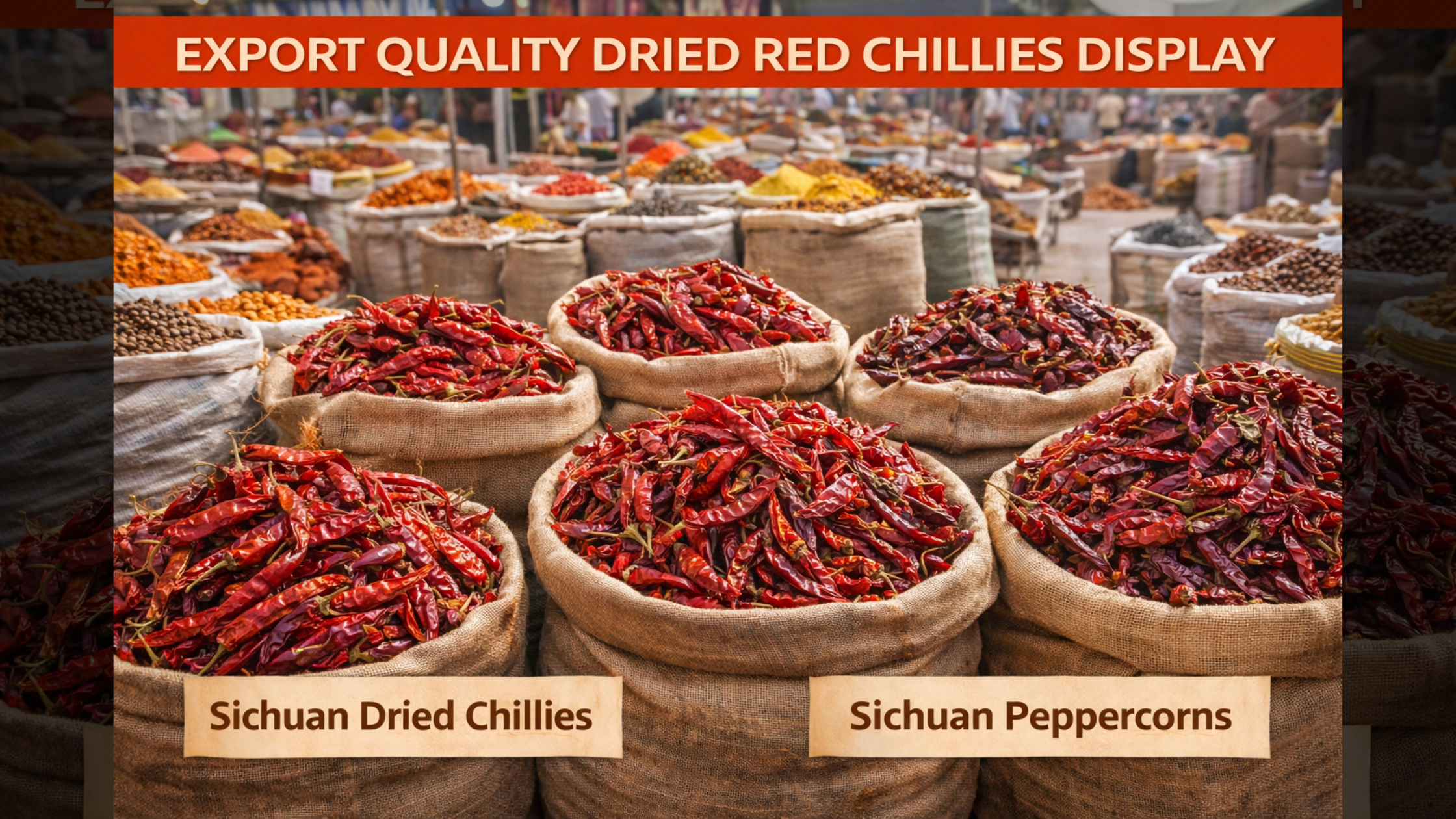
International food trends have increased demand for specific chilli varieties beyond their regions of origin. Chefs worldwide now seek authentic Mexican dried chillies for mole, Kashmiri chillies for tandoori preparations, or Sichuan chillies for málà flavours. This global appreciation drives agricultural development in producing regions and creates opportunities for quality-focused exporters.
The rising interest in authentic, regional ingredients parallels broader trends in food culture—consumers want to know where ingredients come from and appreciate the stories behind them. This shift benefits farmers who maintain traditional varieties and processors who preserve quality through proper drying and storage methods, ensuring the freshness of vegetables and other agricultural products from field to consumer.
Vipra Overseas: Connecting Global Markets With Quality Agriculture
As demand grows for diverse, high-quality agricultural products, establishing reliable supply chains becomes essential. Vipra Overseas specializes in exporting premium agro products that meet international quality standards, connecting farmers with global markets.
Their product range includes fresh fruits like bananas and mangoes sourced from optimal growing regions, ensuring excellent flavour and shelf life. The company’s fresh vegetables maintain the freshness of vegetables through careful handling and cold chain management. For protein needs, beans and other pulses are sourced from quality suppliers. Frozen products preserve nutritional value and convenience for international buyers.
Spices, including various chilli varieties and other essential seasonings, represent a core strength—Vipra Overseas understands the nuances that differentiate premium chillies from commodity-grade products. Their grains selection serves both retail and food service sectors globally.
By maintaining strict quality controls and understanding international market requirements, Vipra Overseas ensures that traditional agricultural products reach customers who value authenticity and quality. This approach supports farming communities while satisfying the sophisticated palates of global consumers.
Appreciating Chilli Diversity Across Cuisines
The world of dry red chillies offers endless exploration for food enthusiasts, chefs, and anyone interested in how culture shapes cuisine. From the smoky complexity of Mexican chiles to the colour-rich mildness of Kashmiri varieties, the sharp heat of Thai chillies to the fragrant intensity of Sichuan types, each variety tells a story of place, people, and tradition.
Understanding these differences enriches our cooking and deepens appreciation for agricultural diversity. As global food systems become more interconnected, maintaining the distinct character of regional varieties becomes increasingly important. Whether you’re crafting an authentic mole, perfecting a vindaloo, balancing a Thai curry, or creating Sichuan chilli oil, choosing the right dried chilli makes all the difference.
The next time you reach for dried red chillies, consider their journey—from specific soil and climate conditions, through careful cultivation and drying, across continents and cultures, to your kitchen. That small, wrinkled pod carries centuries of culinary wisdom and represents the beautiful diversity of how humans have adapted a single ingredient to countless traditions and tastes.