
Why Your Dry Red Chillies Lost Their Color (And How to Prevent It)
Have you ever opened your spice cabinet to find your once-vibrant dry red chillies looking dull and brownish? This common problem frustrates home cooks and commercial traders alike. The good news is that understanding why this happens—and taking simple preventive steps—can help you maintain that brilliant red hue for months.
The Secret Behind That Brilliant Red
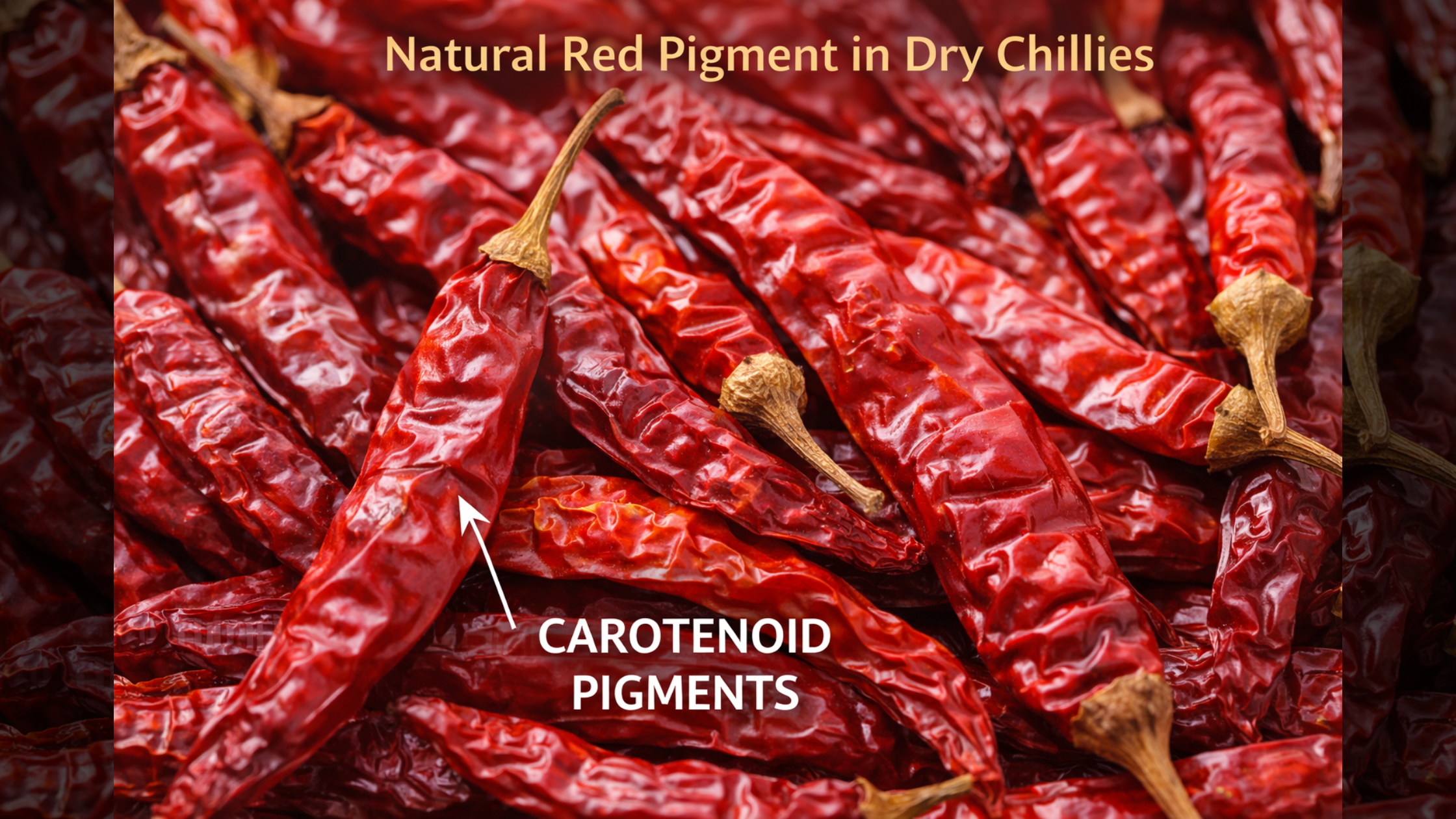
The natural red pigment in dry red chillies comes from carotenoid compounds, particularly capsanthin and capsorubin. These powerful pigments are what make your chillies visually appealing and signal quality to buyers. When you’re selecting produce at markets selling fresh fruits vegetables alongside dried spices, you instinctively reach for the brightest ones. That same principle applies to dry red chillies—colour indicates freshness and proper handling.
These carotenoids are sensitive molecules. They react to environmental conditions much like how fruits vegetables fruits can bruise or discolour when mishandled. Understanding this chemistry helps us protect our valuable spice inventory.
Why Your Chillies Are Fading
Several factors work together to strip away that desirable red colour. Let me walk you through the most common culprits based on years of working with spice traders and farmers.
Sunlight Exposure
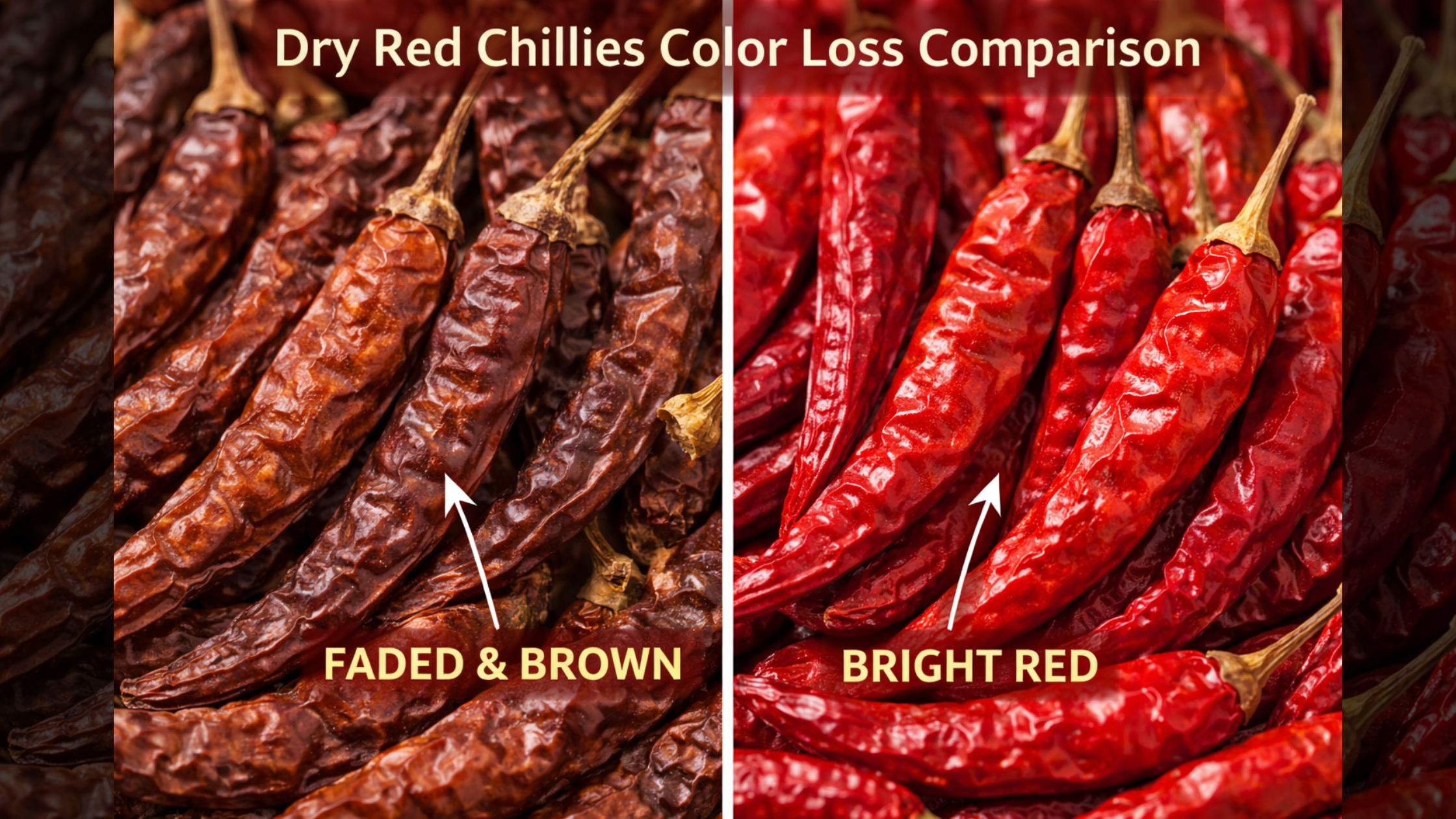
Direct sunlight is the fastest way to fade your chillies. UV rays break down carotenoids through a process called photodegradation. I’ve seen batches lose 40% of their colour intensity within just two weeks of sitting near a sunny window. The same sunlight that helps more vegetable crops grow becomes the enemy once your chillies are harvested and dried.
Oxidation From Air Exposure
When dry red chillies come into contact with oxygen, the carotenoids gradually oxidize and lose their vibrant appearance. This process accelerates in humid conditions. Think of how a cut apple turns brown—similar oxidation reactions affect your chillies, though more slowly.
Heat and Temperature Fluctuations
Storing chillies near cooking stoves or in areas with temperature swings accelerates colour degradation. High heat essentially “cooks” the pigments out, turning them from bright red to dull brown. Professional storage facilities maintain cool, stable temperatures for this exact reason.
Moisture—The Silent Destroyer
Even small amounts of moisture can trigger both colour loss and mould growth. When dry chillies absorb humidity from the air, it creates conditions for enzymatic reactions that break down colour compounds. This is why coastal regions face bigger challenges preserving chilli colour compared to drier inland areas.
Critical Mistakes During Drying
Many colour problems actually start before storage. Improper drying methods set the stage for premature fading. Over-drying at excessively high temperatures damages carotenoids from the start. Conversely, incomplete drying leaves residual moisture that continues degradation during storage.
Traditional sun-drying works well when done correctly—spreading chillies in thin layers, turning them regularly, and bringing them indoors overnight. However, leaving them exposed for days without protection from dew or unexpected rain compromises final quality.
Proven Prevention Strategies
Now that you understand the enemies of chilli colour, here’s how to fight back.
Master the Art of Storage
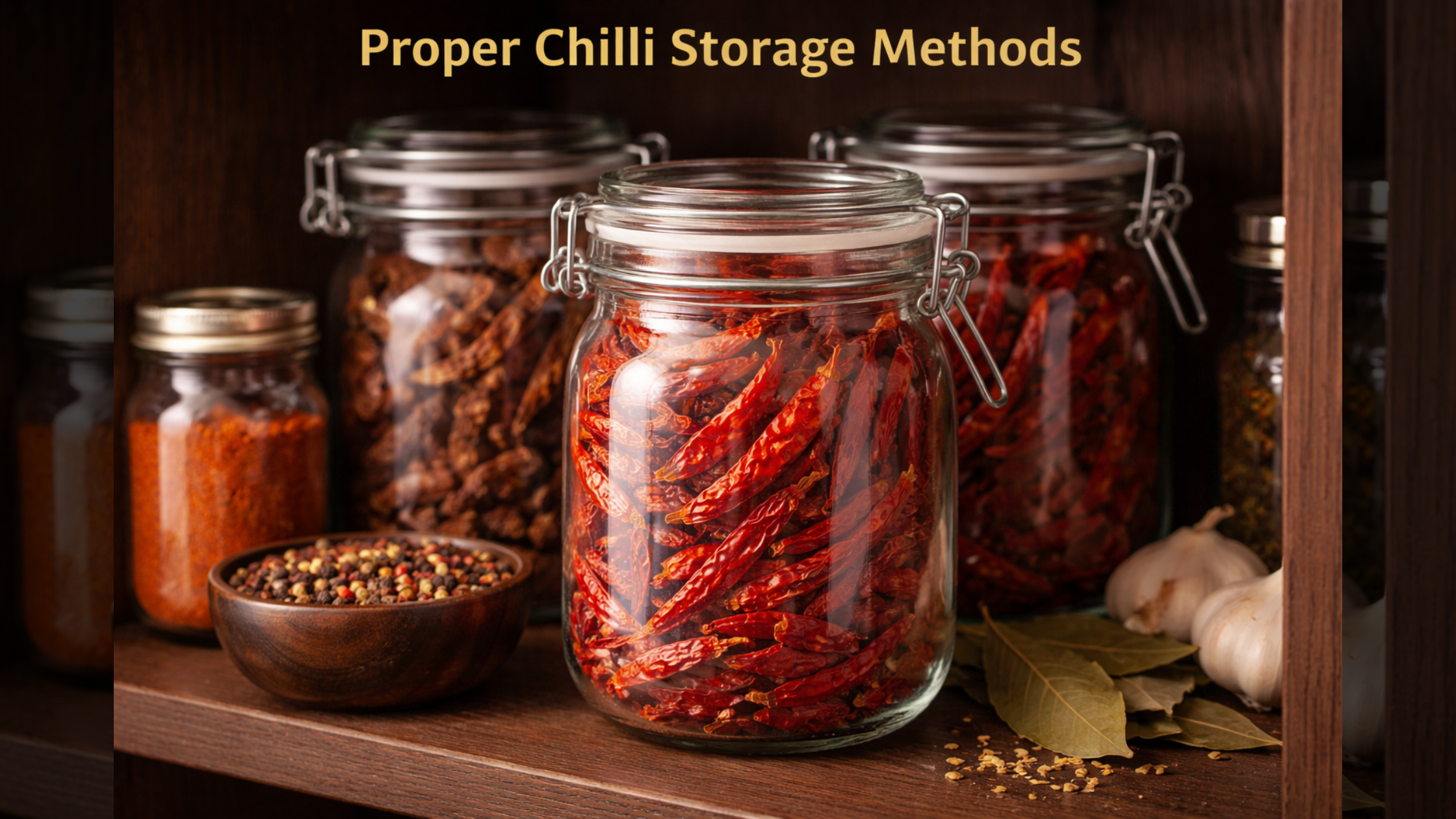
Store your dry red chillies in airtight containers made of food-grade materials. Glass jars with tight-fitting lids work excellently for home use. For larger quantities, vacuum-sealed bags remove oxygen and dramatically extend colour retention.
Keep containers in a cool, dark cupboard away from heat sources. Pantries work better than kitchen counters. If you have basement storage with stable temperatures, even better.
Temperature Control
Maintain storage temperatures between 10-15°C when possible. While this isn’t always feasible in home kitchens, avoiding the hottest spots makes a significant difference. Commercial operations often use climate-controlled warehouses for premium export quality chillies.
Minimize Air Contact
Each time you open storage containers, fresh oxygen enters. Consider dividing your chillies into smaller portions so you’re not exposing your entire stock repeatedly. This principle applies whether you’re handling spices, fresh fruits vegetables, or other perishable goods.
Check Regularly
Inspect stored chillies monthly for any signs of moisture accumulation or pest activity. Early detection prevents larger losses. If you spot any issues, spread the batch out to dry again before returning to storage.
Quality Assessment Guidelines
How do you know if your slightly faded chillies are still usable? Here are reliable indicators:
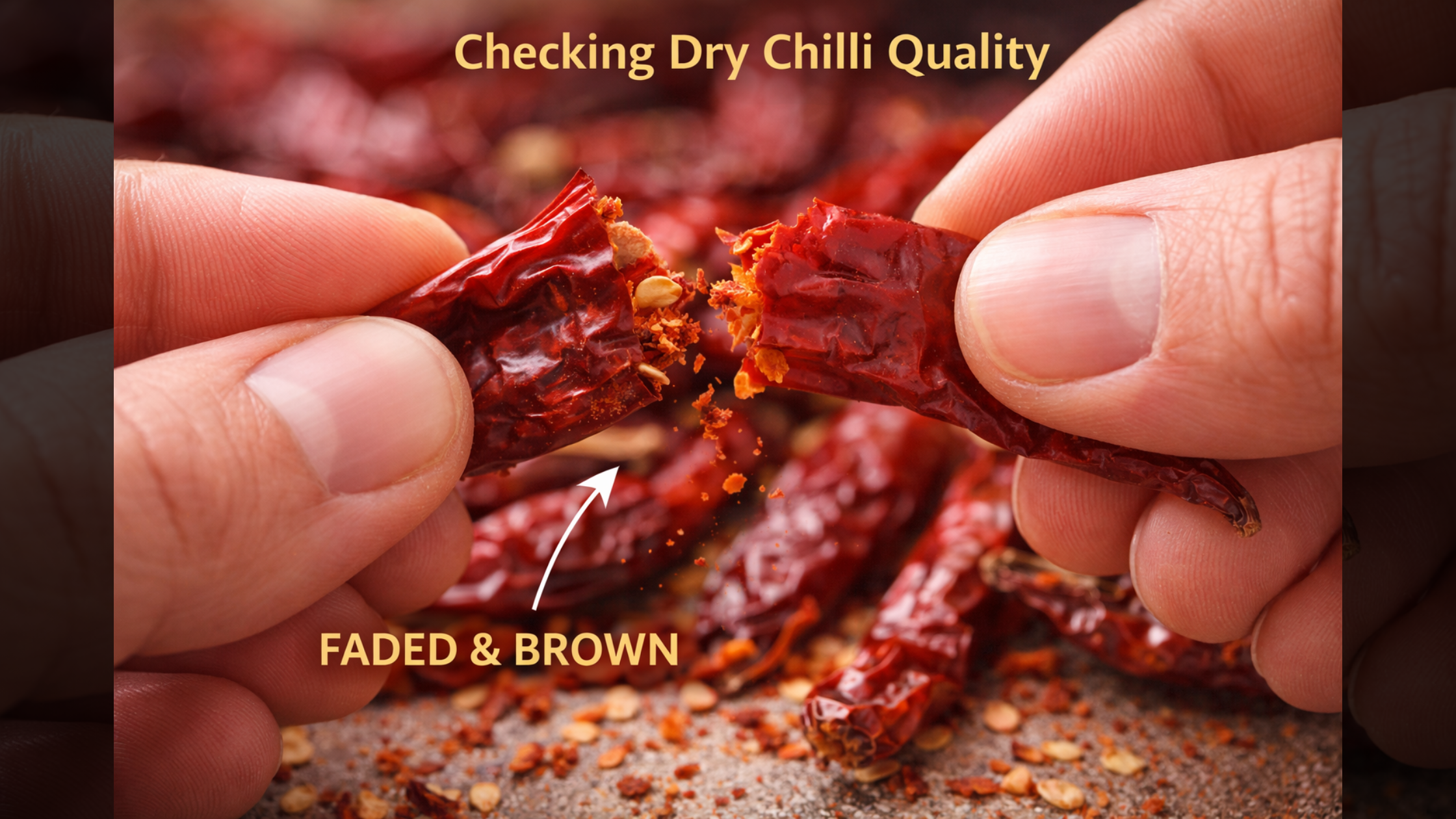
Aroma should remain pungent and characteristic of chillies. Loss of smell often means loss of flavour compounds as well. The texture should stay crisp and brittle. If chillies bend rather than snap, they’ve absorbed moisture. Check for any visible mould spots or off-odours, which signal spoilage rather than simple colour loss.
Mild colour fading doesn’t necessarily mean your chillies are unusable—they may simply be less visually appealing while retaining most of their heat and flavour.
The Export Quality Standard
In global markets, colour isn’t just aesthetic—it’s a primary quality parameter. Importers pay premium prices for consistently bright red chillies because their customers demand visual appeal. Countries importing Indian spices have strict colour specifications in their purchase agreements.
This is where professional handling makes all the difference. Export-oriented suppliers invest in proper post-harvest processing, controlled drying facilities, and optimal storage infrastructure to maintain colour throughout the supply chain.
How Vipra Overseas Ensures Premium Quality
At Vipra Overseas, we understand that preserving natural colour and quality requires expertise at every stage. Our climate-controlled storage facilities and rigorous quality checks ensure that whether you’re sourcing dry red chillies, fresh fruits, more vegetable varieties, beans, frozen products, grains, or other agro commodities, you receive products that meet international standards.
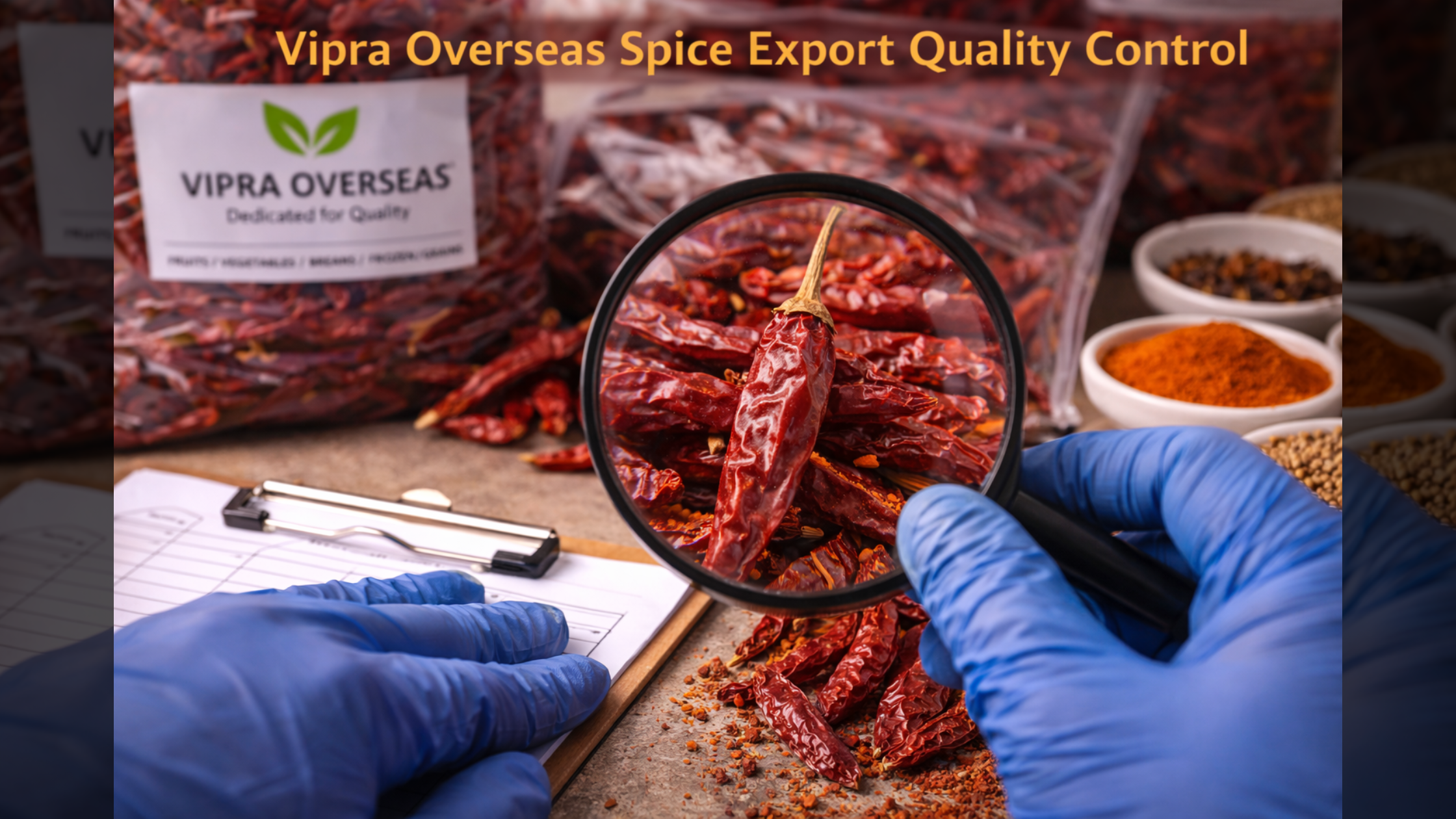
We work directly with farmers who follow best practices for harvesting and drying. Our quality team inspects every batch for colour consistency, moisture content, and overall condition before packaging. This attention to detail has made us a trusted partner for businesses seeking reliable supplies of fruits vegetables fruits and premium spices for their operations.
From farm to export container, we maintain the cold chain and proper storage conditions that preserve the natural qualities of agricultural products. Our experience handling diverse crops—from delicate fresh vegetables to robust grains—means we apply category-specific expertise to each commodity.
Keeping Your Chillies Vibrant
Maintaining the brilliant red colour of dry red chillies isn’t complicated, but it requires consistent attention to storage fundamentals. Protect them from light, heat, air, and moisture. Use appropriate containers and storage locations. Monitor regularly for any quality changes.
Whether you’re a home cook preserving a small batch or a trader managing commercial quantities, these principles remain the same. The visual appeal of your chillies reflects the care you’ve invested in their handling—and that bright red colour will enhance everything from your kitchen creations to your market reputation.
Remember, quality preservation starts the moment chillies are harvested. By understanding and respecting the factors that affect colour retention, you’ll enjoy vivid, flavourful dry red chillies long after the harvest season ends.