
Reduce Heat Without Losing Flavor in Dry Red Chilli Dishes
Anyone who loves cooking with dry red chillies knows the struggle: you want that deep, smoky richness they bring, but sometimes the heat level crosses the line from enjoyable to overwhelming. The good news? You don’t have to sacrifice flavor to make your dishes more approachable. With the right techniques and a bit of kitchen wisdom, you can dial down the fire while keeping every bit of that complex, earthy character intact.
Understanding What Makes Dry Red Chillies Hot
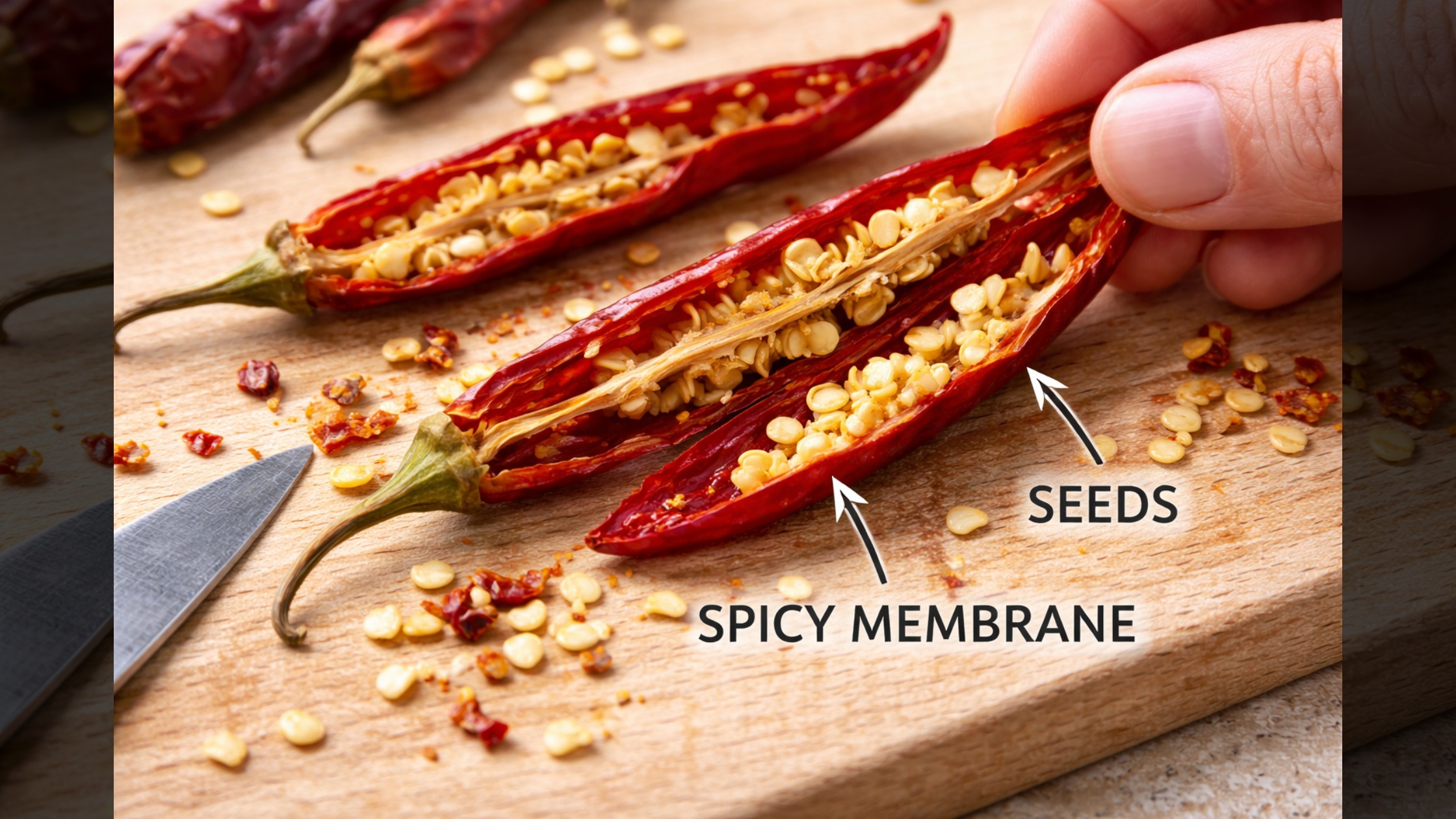
The burning sensation comes primarily from capsaicin, a compound concentrated in the seeds and white membranes inside the chilli. The outer flesh, meanwhile, carries most of the flavor compounds—those fruity, smoky, slightly sweet notes that make chillies indispensable in so many cuisines. This separation is key to our approach: we target the heat source while preserving the flavor.
Different varieties also vary dramatically in their capsaicin content. Kashmiri chillies, for instance, offer vibrant color and mild warmth, while smaller bird’s eye varieties pack serious punch. Knowing your chilli type helps you predict and control the final result.
Heat Versus Flavor: They’re Not the Same Thing
Many home cooks assume that reducing spiciness means compromising on taste, but heat and flavor operate independently. The capsaicin creates that burning sensation, while aromatic compounds deliver depth, sweetness, and complexity. Your goal is to minimize the former while maximizing the latter—and it’s absolutely possible with proper technique.
Think of it this way: a well-prepared dish using products of vegetables and spices should offer layers of taste that unfold gradually, not a single aggressive punch that overwhelms your palate. Balance is everything.
Pre-Cooking Techniques That Make a Difference
Remove Seeds and Membranes
This is your first and most effective line of defense. Break open each dry chilli and shake out the seeds. Use a knife to scrape away the pale inner membranes. This simple step can reduce heat by 50-70% while leaving the flavorful flesh intact.
Soaking Strategy
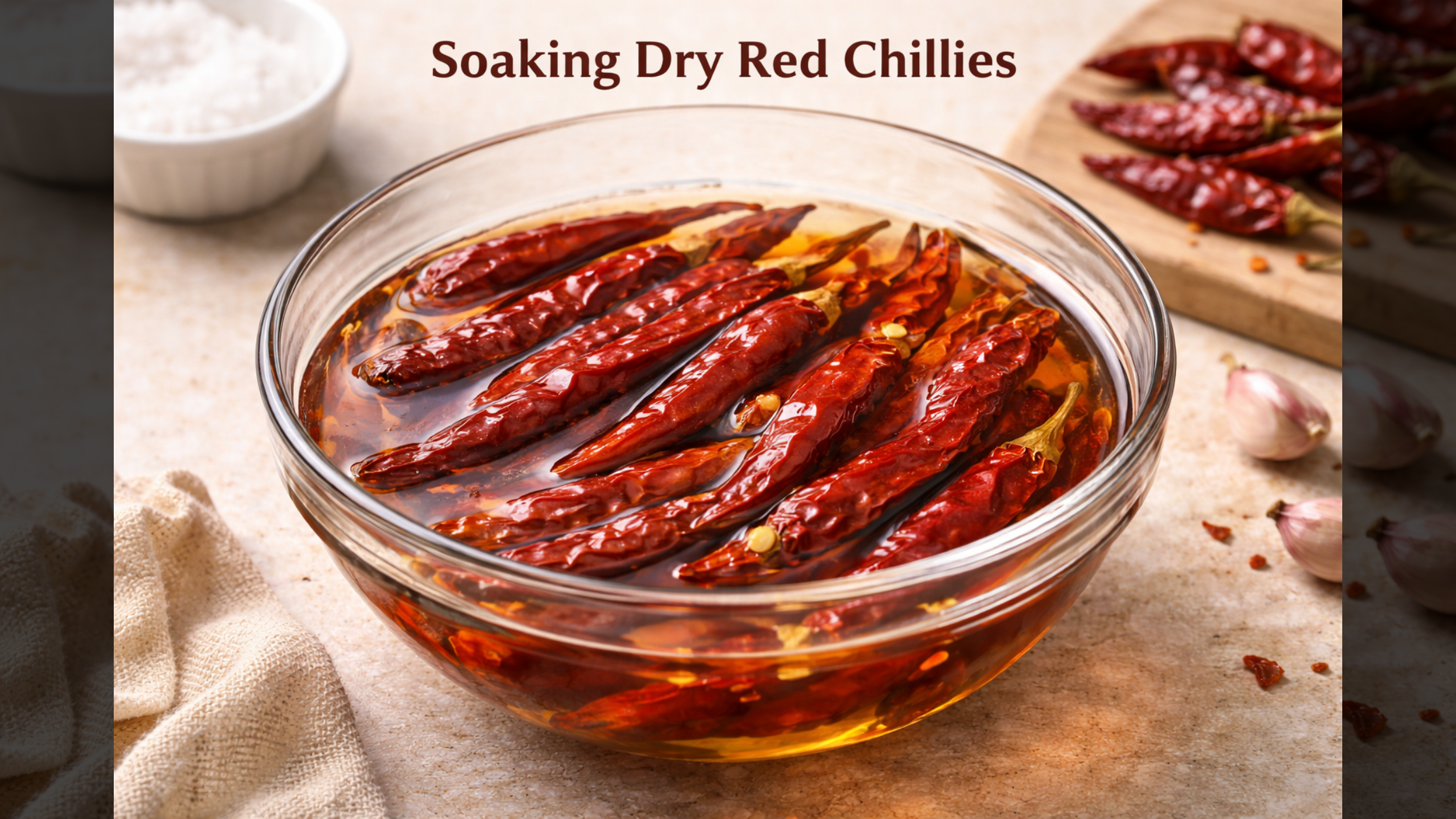
Submerge your deseeded chillies in warm water for 15-30 minutes before cooking. This not only softens them for easier blending but also leeches out some of the remaining capsaicin. Change the water once halfway through for better results. Some cooks add a pinch of salt to the soaking water, which seems to help draw out more heat compounds.
Toast with Caution
Dry roasting chillies intensifies both flavor and heat. If you want the toasted flavor without extra spice, keep the heat low and the time brief—just 30-45 seconds until fragrant. Over-toasting releases more capsaicin and can make the heat problem worse.
Smart Cooking Methods to Control Spice Levels
Oil Temperature Matters
When tempering chillies in hot oil, the temperature determines how much capsaicin gets released. Medium heat allows you to extract flavor without breaking down the chilli structure so much that it releases excessive heat. High heat causes rapid capsaicin release—great if you want fire, problematic if you don’t.
Whole Versus Crushed
Adding whole dried chillies to your dish imparts flavor gradually and gently. Breaking or crushing them exposes more surface area, releasing heat faster. For milder results with all fruits and vegetables curries, keep chillies whole and remove them before serving.
Timing Is Everything
Add chillies later in the cooking process rather than at the beginning. This limits the time capsaicin has to infuse throughout the dish. For slow-cooked preparations, this single adjustment can make a significant difference.
Ingredients That Naturally Balance Heat
Dairy Products
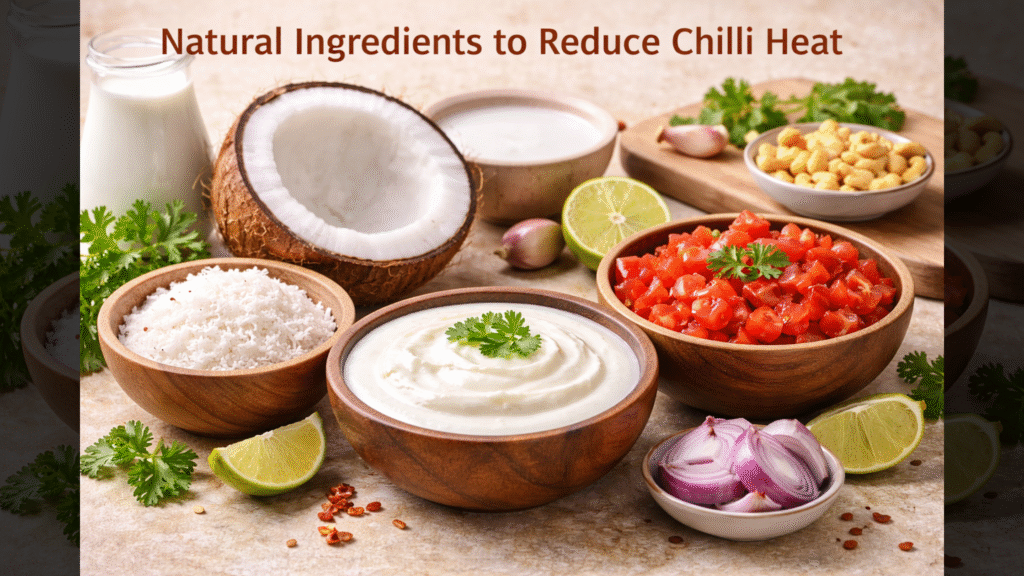
Yogurt, cream, and milk contain casein, a protein that binds with capsaicin and washes it away. A spoonful of yogurt in your curry or a dollop of cream at the end helps tremendously. This works because capsaicin is fat-soluble, not water-soluble—which is why drinking water doesn’t help with spicy food, but milk does.
Sweetness and Acidity
A small amount of jaggery, honey, or sugar counterbalances spiciness beautifully. Similarly, a squeeze of lemon juice or a splash of vinegar adds brightness that distracts from heat while enhancing overall flavor complexity. When cooking with vegetables of fruits that are naturally sweet like tomatoes or bell peppers, their inherent sugars help moderate the burn.
Coconut in Various Forms
Coconut milk, grated coconut, or coconut cream all provide cooling richness. The fats in coconut help dissolve and carry away capsaicin, making dishes feel milder even without reducing the actual chilli content.
Common Mistakes That Amplify Heat
Using Too Many Varieties Together
Combining multiple chilli types without understanding their individual heat levels often leads to unpredictable results. Stick to one variety until you understand its behavior, then experiment with blends.
Skipping the Seed Removal Step
Even experienced cooks sometimes get lazy about deseeding, assuming it won’t matter much. It does. Those tiny seeds carry disproportionate heat for their size.
High-Heat Cooking Throughout
Constant high heat doesn’t just speed up cooking—it also extracts more capsaicin and can even create bitter, acrid flavors. Gentle, patient cooking yields better control and more nuanced taste.
Post-Cooking Adjustments
If your dish still turned out too spicy, don’t panic. Add more of the base ingredients—extra vegetables of fruits, more lentils, additional rice. Dilution is simple but effective. Dairy products stirred in at the end work wonders. Some cooks keep a small bowl of seasoned yogurt on the side for guests to add according to their heat tolerance.
Wisdom from Traditional Indian Kitchens
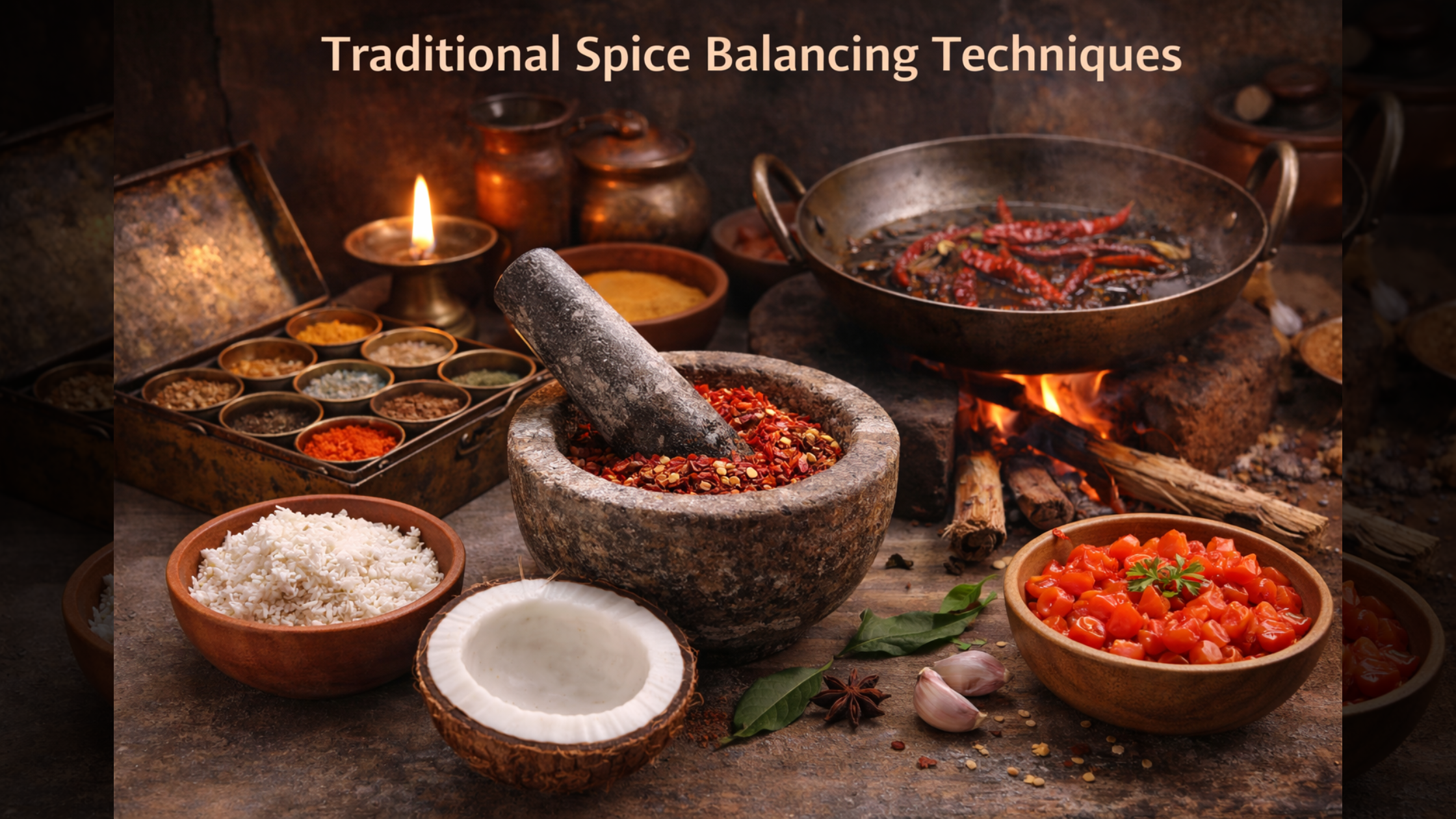
Indian home cooks have been balancing spice for generations. They understand that the goal isn’t to eliminate heat entirely but to create harmony among all the elements. In regional cuisines across India, you’ll find techniques like adding coconut in coastal areas, using dairy in northern preparations, and relying on tamarind’s acidity in southern cooking—all accomplishing the same goal through different means.
Grandmothers often say that patience is the secret ingredient. Rushing the process, whether in preparation or cooking, usually results in imbalanced flavors. Taking time to properly deseed, soak, and cook your chillies pays off in the final result.
How Vipra Overseas Supports Quality Spice Export
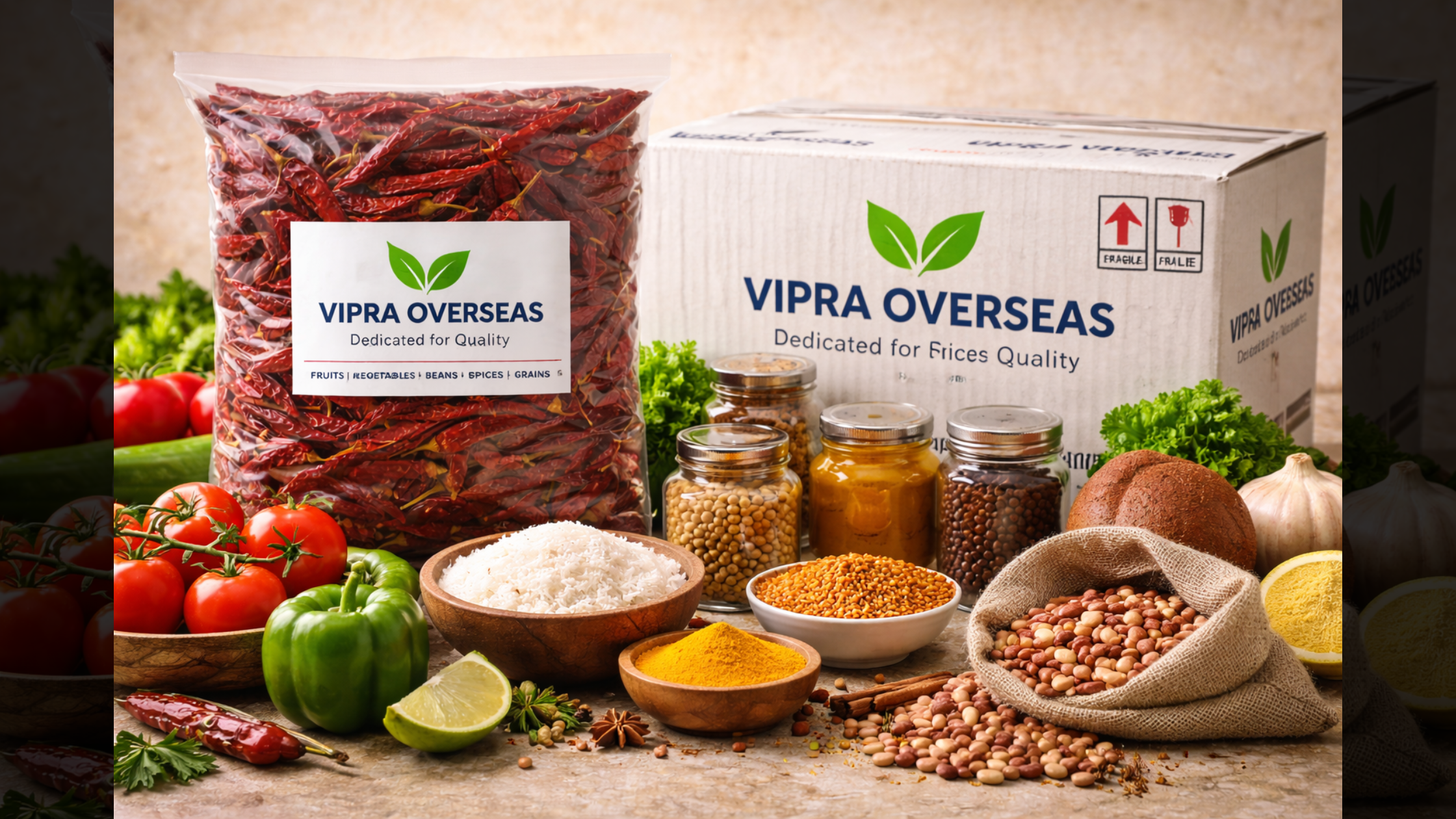
When sourcing dry red chillies and other ingredients, quality matters enormously. Vipra Overseas specializes in exporting premium agro products that help chefs and home cooks worldwide achieve authentic flavors. Their extensive range includes fresh fruits carefully selected for ripeness and flavor, fresh vegetables harvested at peak quality, various beans that form the foundation of countless dishes, frozen products that preserve nutritional value, an impressive selection of spices including multiple chilli varieties, and high-quality grains.
By connecting Indian farmers with global markets, Vipra Overseas ensures that restaurants, food manufacturers, and households can access the same quality ingredients used in traditional Indian cooking. Their understanding of spice characteristics means they can guide buyers toward varieties that match specific heat and flavor requirements.
Creating Flavorful Dishes Without Overwhelming Heat
The journey to perfectly balanced chilli dishes requires experimentation. Start conservatively—you can always add more heat, but you can’t easily remove it. Keep notes on what works with different recipes. Pay attention to how particular varieties behave in your cooking style.
Remember that everyone’s heat tolerance differs. What feels mild to you might overwhelm someone else. When cooking for others, aim for the lower end of the heat spectrum and offer additional chilli options on the side for those who want more kick.
The beauty of mastering these techniques is that you expand your cooking possibilities. Dishes that once seemed too intimidating become accessible. You can explore regional recipes that rely heavily on dry red chillies without worrying about making something inedible.
With these methods in your culinary toolkit—from careful seed removal and strategic soaking to smart use of dairy and timing adjustments—you’re equipped to create dishes where every element shines. The chillies contribute their distinctive character without dominating everything else on the plate. That’s the mark of truly skillful cooking: balance, depth, and flavors that complement rather than compete.