
Dry red chillies are a cornerstone of kitchens worldwide, especially in Indian cooking. They bring warmth, depth, and complexity to countless dishes. Yet, despite their popularity, many home cooks struggle to use them correctly. The result? Bitter flavours, overpowering heat, or dishes that lack the aromatic punch dry chillies are meant to provide. Understanding how to handle these dried beauties properly can transform your cooking and help you create restaurant-quality meals at home.
Unlike fresh chillies that offer bright, crisp heat, dried varieties deliver concentrated flavour and a different kind of warmth. They require specific techniques to release their full potential. When you understand what goes wrong, you can easily correct your approach and enjoy perfectly spiced dishes every time.
Why Dry Red Chillies Behave Differently from Fresh Ones
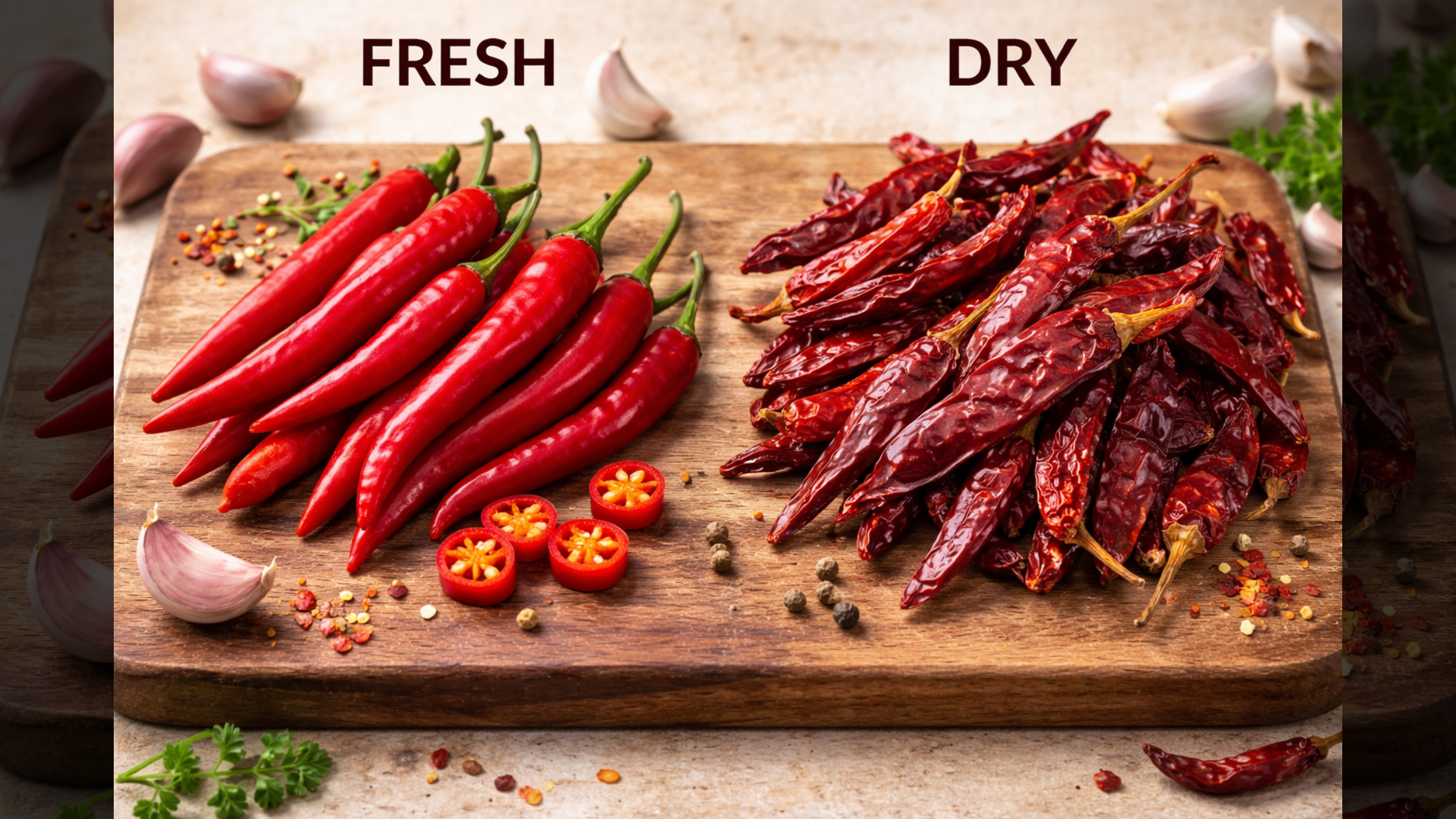
The drying process fundamentally changes how chillies behave in cooking. Fresh chillies contain moisture that helps distribute heat and flavour gradually. Dried chillies, however, are concentrated capsules of intense heat and complex smoky notes. Their oils are potent, and their structure is delicate. This means they burn faster, release flavour differently, and need gentler handling than their fresh counterparts.
Many people treat dry red chillies the same way they use fresh ones, leading to disappointing results. Recognising this difference is the first step toward mastering their use.
Mistake 1: Using Too Much Heat While Tempering
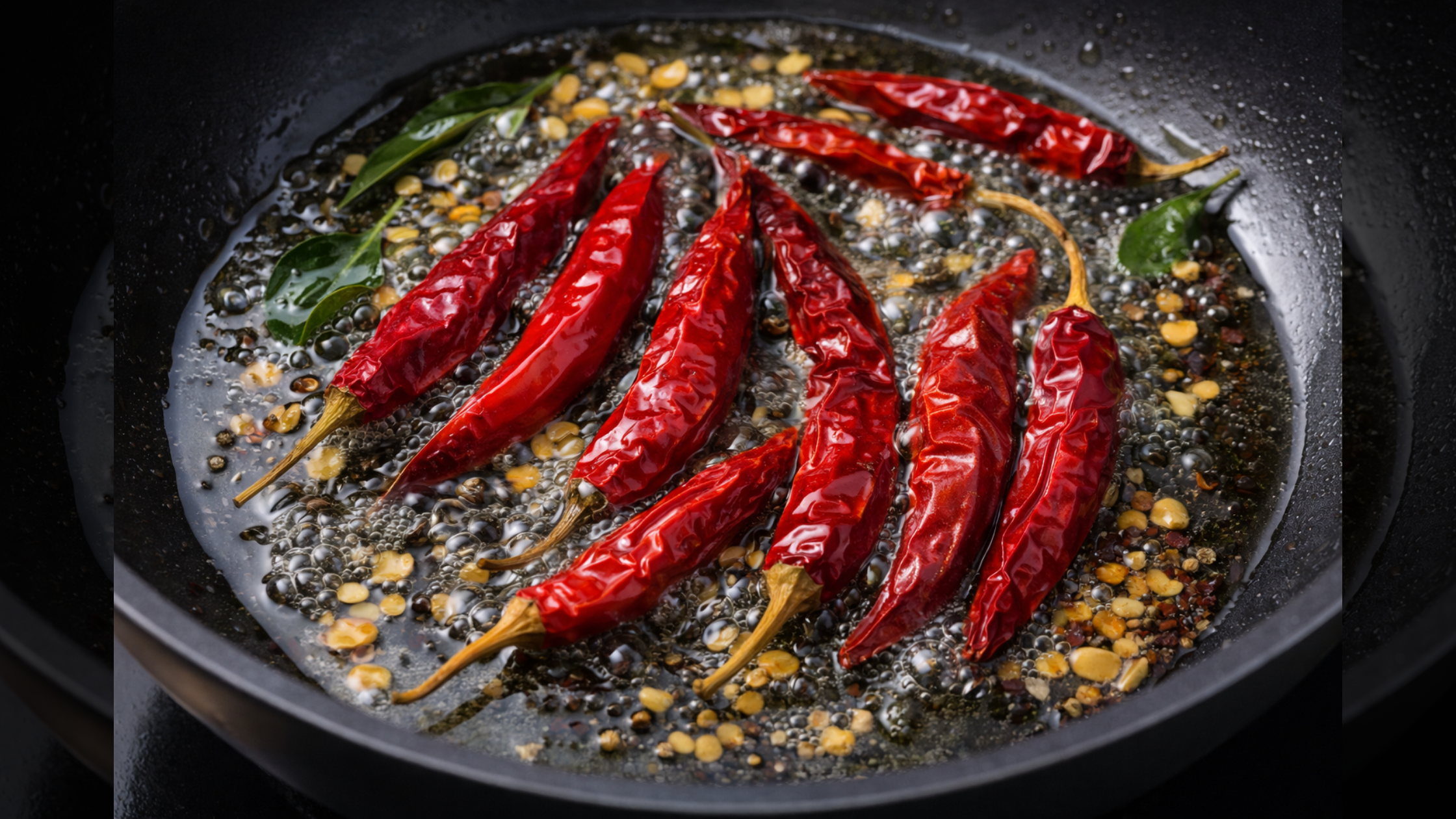
One of the most frequent errors happens during tempering or tadka. Cooks often heat oil until it’s smoking hot before adding whole dry red chillies. This causes the chillies to burn within seconds, turning them black and releasing acrid, bitter smoke. The dish picks up this burnt flavour, ruining what could have been a perfectly balanced meal.
The correct approach involves heating oil on medium heat until it shimmers gently. Add your chillies then, and watch them puff up slightly and darken just a shade. This gentle toasting releases their aromatic oils without burning. Within 10-15 seconds, they should be fragrant and ready. Remove the pan from heat immediately after to prevent overcooking.
Whether you’re preparing vegetables products like sabzi or finishing a dal, temperature control makes all the difference.
Mistake 2: Not Preparing Chillies Before Cooking
Many cooks toss whole dried chillies directly into dishes without any preparation. While this works in some recipes, it often results in uneven heat distribution and tough, chewy chilli pieces that are unpleasant to bite into.
For ground applications or when you want deeper flavour penetration, preparation is essential. Breaking chillies into smaller pieces helps them release oils more effectively. Removing seeds reduces heat if you want milder warmth. Soaking dried chillies in warm water for 15-20 minutes before blending them into pastes creates smoother textures and prevents raw, harsh flavours.
This preparation step is particularly valuable when cooking with fruits with vegetables in chutneys or mixed dishes, where you want balanced spicing throughout.
Mistake 3: Adding Chillies at the Wrong Cooking Stage
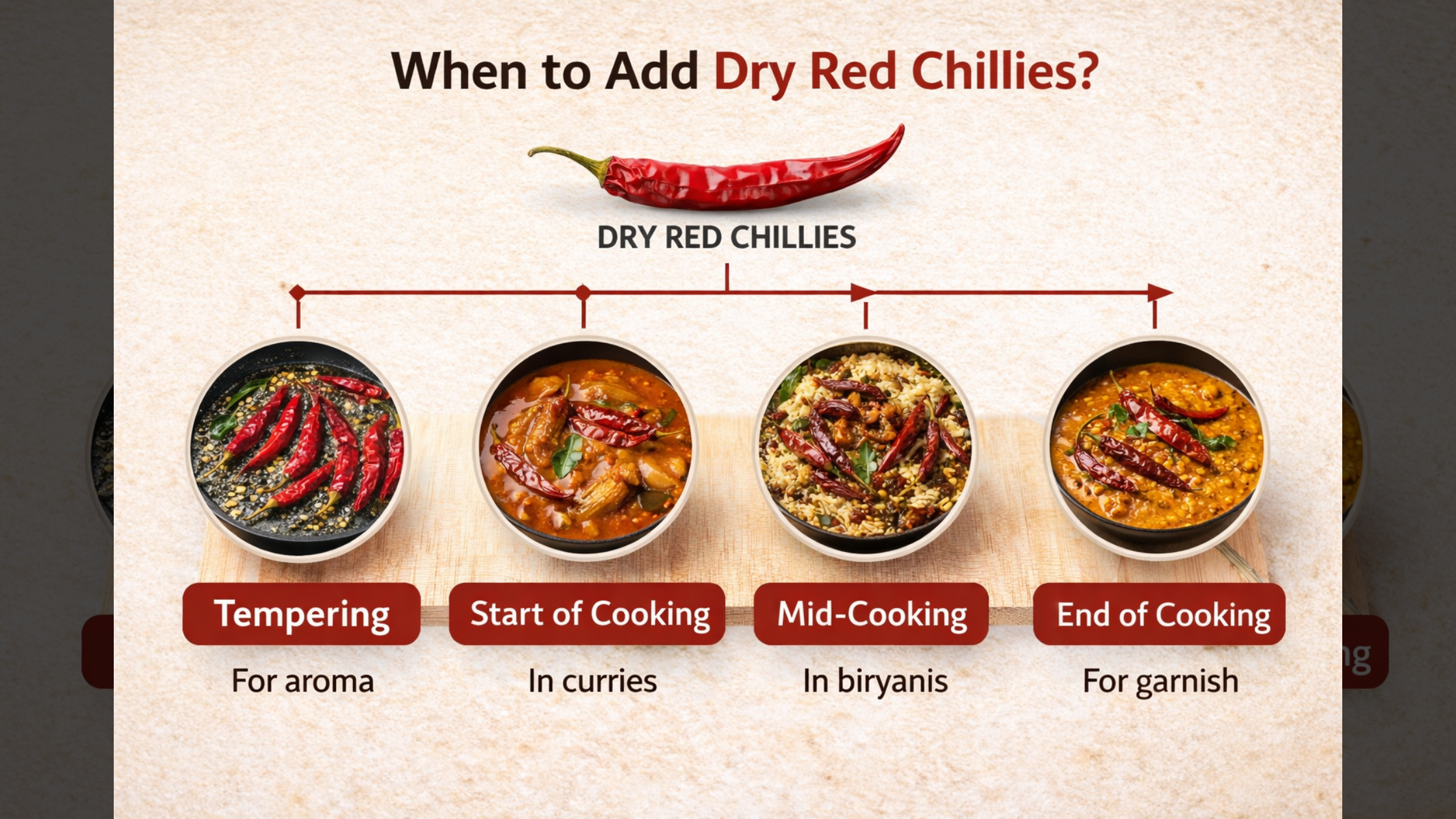
Timing matters enormously when working with dry red chillies. Adding them too early means prolonged cooking that can make them bitter. Adding them too late means they don’t have enough time to infuse the dish with their characteristic warmth and aroma.
For slow-cooked curries and stews, whole chillies should go in during the middle stages, after initial aromatics have cooked down but with enough time remaining for flavour development. For quick-cooked dishes, they work best at the beginning during tempering. Ground chilli powder needs even more careful timing—adding it to very hot oil causes immediate burning, while adding it to cooler bases allows proper blooming.
Understanding your recipe’s structure helps you decide the optimal moment for chilli addition. This consideration applies whether you’re cooking fruits home-grown in your garden or preparing commercially sourced ingredients.
Mistake 4: Ignoring Chilli Variety Differences
Not all dry red chillies are created equal. Kashmiri chillies provide colour with mild heat. Byadgi chillies offer deep red hues and moderate warmth. Guntur and other varieties pack serious fire. Using them interchangeably leads to unexpectedly mild or overwhelmingly hot dishes.
Each variety has distinct characteristics in heat level, colour contribution, and flavour profile. Kashmiri chillies work beautifully in dishes where you want vibrant red colour without excessive heat. Hotter varieties suit those who prefer authentic, fiery flavours. Reading labels, asking suppliers about heat levels, and adjusting quantities based on variety ensures consistent results.
Export-quality spices from reliable sources maintain these variety distinctions clearly, making it easier for cooks to choose appropriately.
Mistake 5: Poor Storage Affecting Flavour
Even the finest dry red chillies lose their potency when stored incorrectly. Exposure to light, moisture, or air causes flavour deterioration, making them taste flat or musty. Many people keep opened chilli packets in kitchen cabinets without proper sealing, wondering why their dishes lack the expected punch.
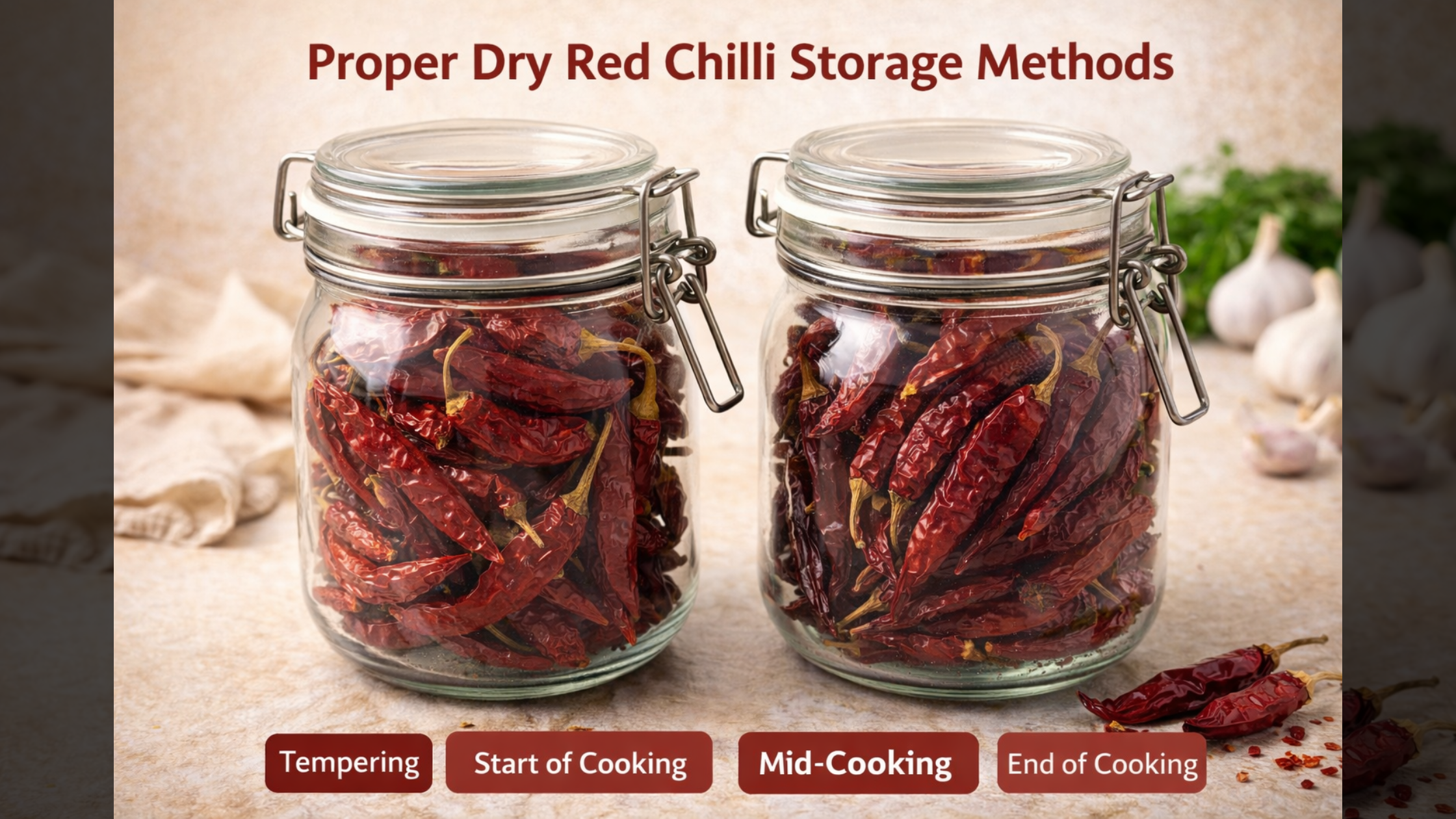
Proper storage involves keeping dry chillies in airtight containers away from direct sunlight and humidity. Cool, dark pantries work perfectly. For long-term storage, freezing works well—frozen dry chillies retain their oils and flavour for months. Check periodically for any signs of moisture or pest activity.
Quality storage applies equally to whole chillies and ground powder, ensuring your spices remain fresh and potent.
Simple Tips to Avoid These Mistakes
Start by purchasing high-quality dry red chillies with vibrant colour and no dampness. Toast them lightly before grinding for maximum flavour release. When tempering, use a light hand—you can always add more heat, but you can’t remove it once added. Taste as you cook and adjust accordingly.
Keep multiple chilli varieties on hand for different purposes. Maintain proper storage practices to preserve freshness. Most importantly, practice patience and gentle heat application. Dry chillies reward careful technique with layers of complex flavour.
How Proper Spice Use Improves Everyday Cooking
Mastering dry red chillies elevates everyday meals from ordinary to exceptional. When used correctly, they add warmth without overwhelming other flavours. They create depth in simple vegetable stir-fries, richness in lentil dishes, and complexity in meat preparations.
This knowledge transforms how you approach cooking. You develop confidence in adjusting spice levels, experimenting with varieties, and creating balanced dishes that satisfy. Whether preparing traditional recipes or modern fusion cuisine, understanding spice fundamentals makes you a better, more intuitive cook.
How Vipra Overseas Supports Your Culinary Journey
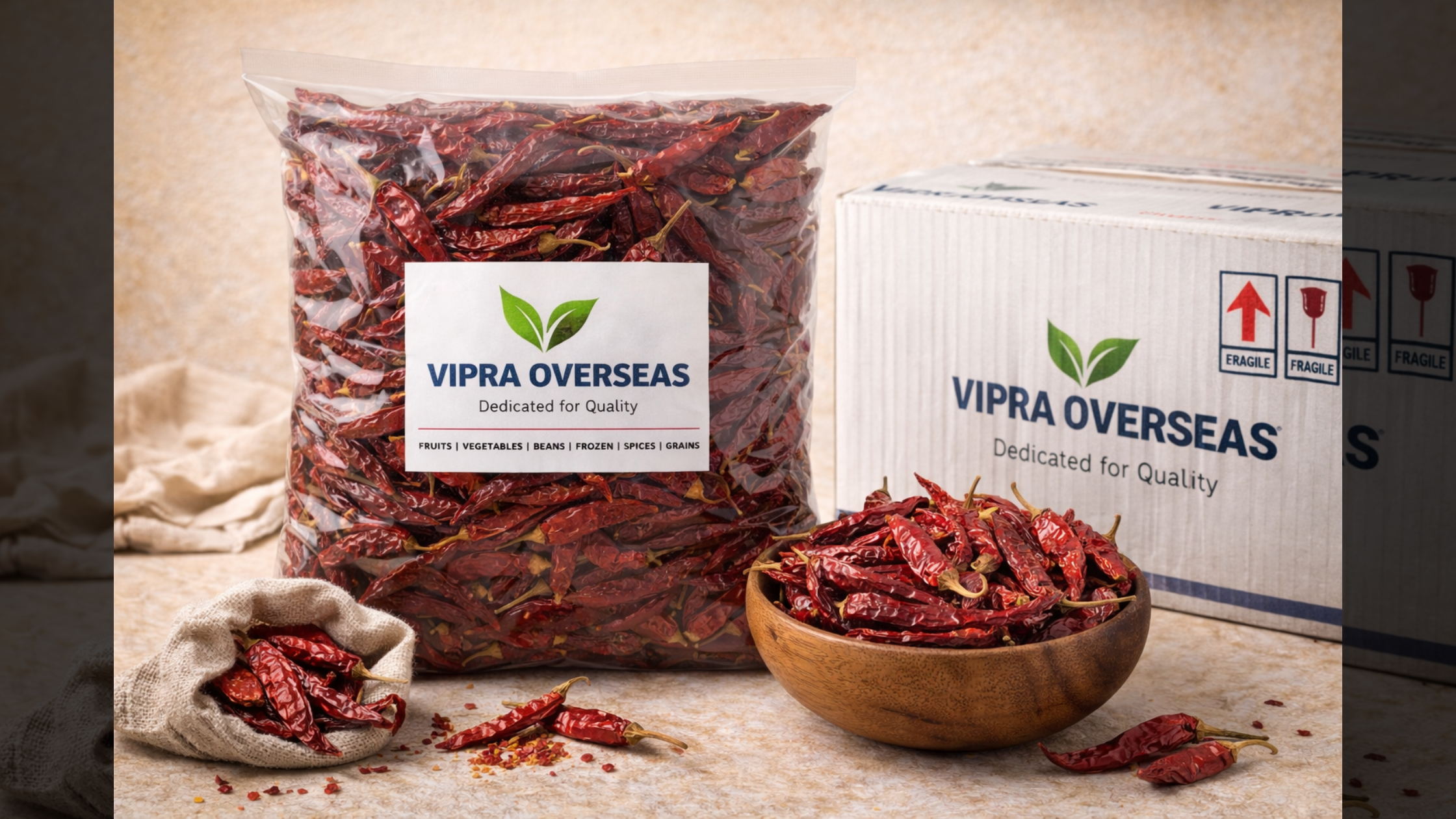
Quality ingredients form the foundation of excellent cooking. Vipra Overseas specializes in exporting premium agro vegetables products, ensuring customers worldwide receive the finest produce. Their extensive range includes fresh fruits bursting with natural sweetness, fresh vegetables harvested at peak ripeness, and diverse beans that add nutrition and texture to meals.
Beyond fresh produce, Vipra Overseas offers frozen products that preserve seasonal availability year-round, premium spices including various dry red chilli varieties, and quality grains that complete wholesome meals. Their commitment to quality control and proper handling ensures that whether you’re sourcing ingredients for home cooking or commercial food preparation, you receive products that meet international standards.
Their understanding of proper storage, handling, and export processes means the fruits home cooks and professional chefs receive retain maximum freshness and flavour potential.
Conclusion
Cooking confidently with dry red chillies comes from understanding their unique properties and avoiding common pitfalls. Control your heat, prepare your chillies thoughtfully, time their addition correctly, respect variety differences, and store them properly. These simple adjustments lead to dramatically better results.
Every dish you create becomes an opportunity to apply these principles. With practice, working with dry red chillies becomes second nature, allowing you to focus on creativity and flavour rather than worry about mistakes. Your kitchen adventures become more enjoyable, and your meals become more delicious. Start implementing these tips today, and experience the difference proper technique makes in bringing out the best in these essential spices.