
When it comes to adding heat and flavour to your meals, the form of chilli you choose makes a significant difference. Whether you’re cooking at home, running a restaurant, or managing a spice export business, understanding the distinctions between whole dry chillies, chilli flakes, and chilli powder helps you make better decisions. Each format offers unique characteristics that affect taste, aroma, shelf life, and culinary applications.
Understanding Different Chilli Formats
Chillies are available in multiple forms, each serving distinct purposes in cooking and food processing. The three most common formats are whole dried chillies, crushed flakes, and finely ground powder. While they all originate from the same vegetable, the processing method creates different heat levels, flavour profiles, and usage scenarios. Knowing when to use each form elevates your dishes and ensures proper spice management in commercial kitchens.
Characteristics and Best Uses of Whole Dry Chillies
Whole dry chillies retain their complete structure after drying, preserving essential oils and flavour compounds within the pod. These intact chillies offer maximum shelf stability and allow cooks to control heat release through various preparation methods. You can toast them whole for tempering, grind them fresh as needed, or rehydrate them for sauces and marinades.
The primary advantage of whole dried chillies lies in their versatility and longevity. When stored properly, they maintain potency for years, making them ideal for bulk purchasing and long-term storage. Home cooks who receive home delivery of vegetables often include whole dry chillies in their orders, appreciating the flexibility they provide in the kitchen.
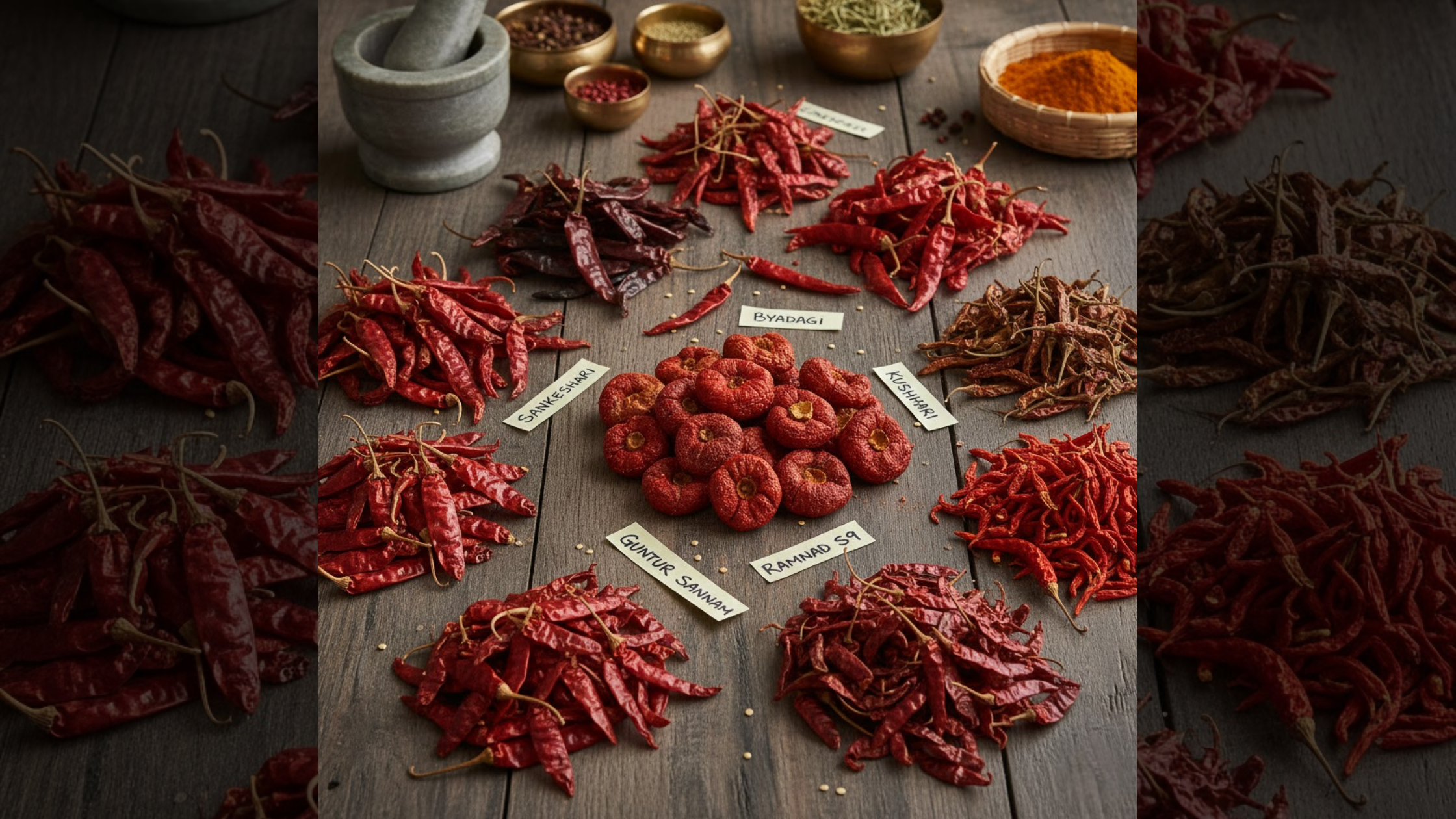
Indian varieties like Kashmiri, Byadgi, and Guntur chillies are commonly sold whole, each bringing distinct colour and heat characteristics to regional cuisines. Restaurants and food manufacturers prefer whole chillies because they can adjust grinding fineness based on specific recipe requirements.
Chilli Flakes: Texture, Flavour, and Applications
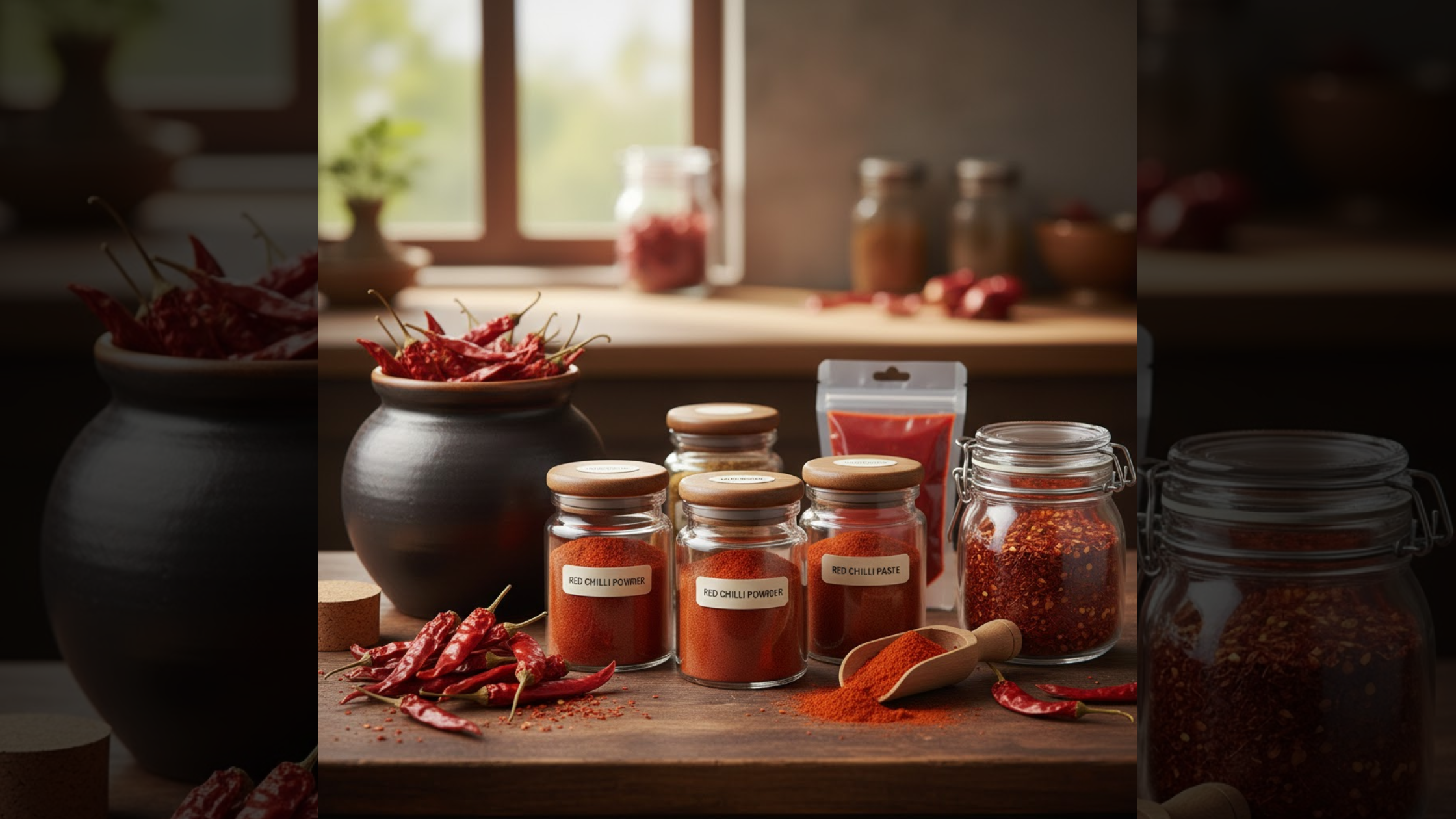
Chilli flakes result from crushing dried chillies into irregular pieces that include both flesh and seeds. This crushing process creates a medium-coarse texture that delivers immediate heat while retaining visible pieces of the pepper. The inconsistent particle size means each flake releases heat at different rates, creating layered spiciness in dishes.
Flakes work exceptionally well as finishing touches on pizzas, pasta, and roasted vegetable dishes. Their visual appeal adds colour and signals spiciness to diners. Many people who regularly order fruits products and spices together appreciate having chilli flakes on hand for quick seasoning without the commitment of powder’s fine texture.
The presence of seeds in most flake varieties intensifies the heat level compared to seedless preparations. Crushing rather than grinding preserves more aromatic volatile compounds, giving flakes a fresher, more complex flavour than powder. This format bridges the gap between whole chillies and powder, offering moderate convenience with enhanced flavour retention.
Chilli Powder: Intensity, Convenience, and Control
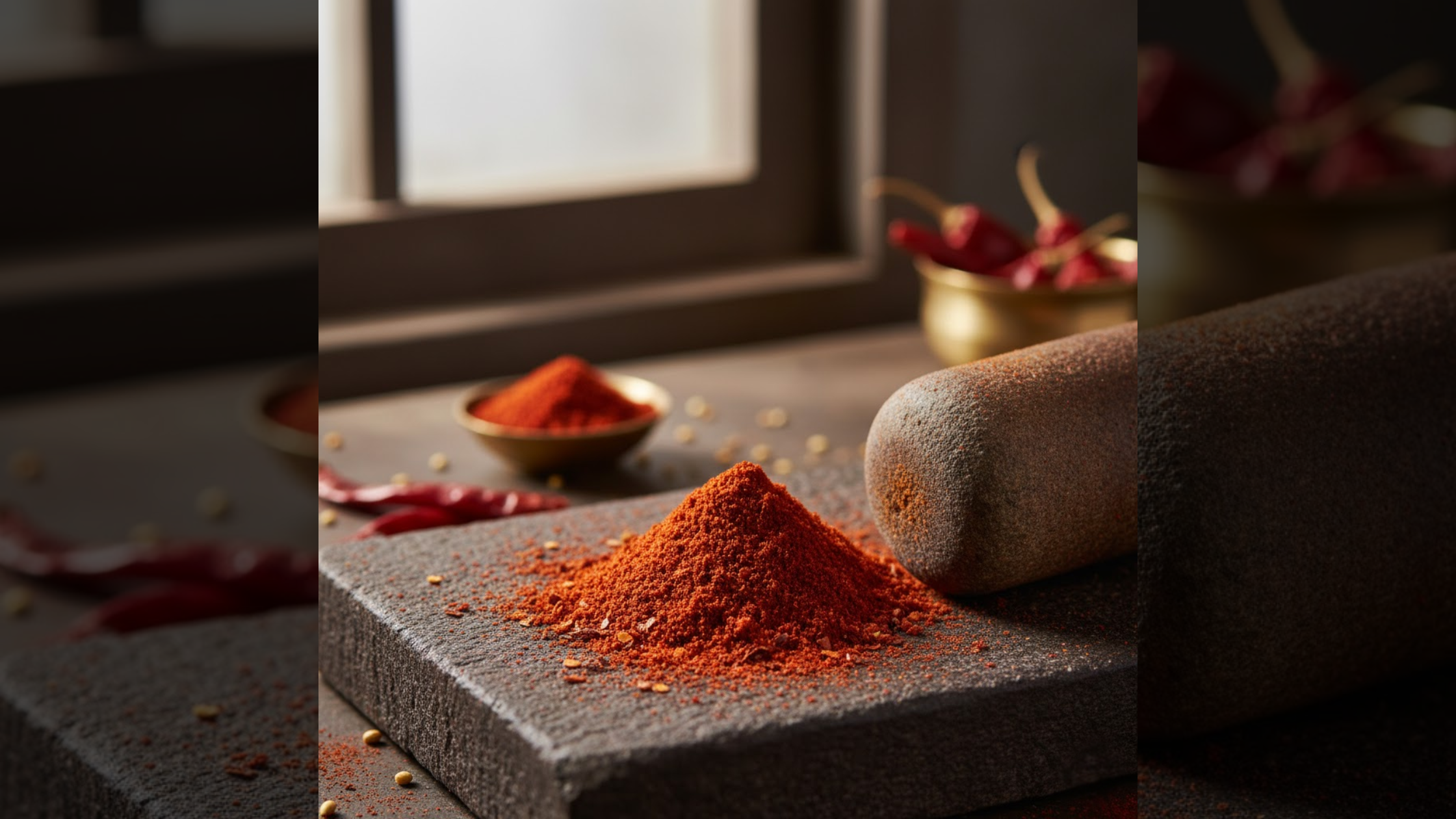
Finely ground chilli powder provides the most convenient form for instant heat and even distribution throughout dishes. The grinding process breaks down cell walls completely, allowing rapid flavour release and easy blending into liquids, rubs, and batters. This makes powder essential for curry bases, spice blends, and commercial food production where consistency matters.
However, the same fine texture that offers convenience also means faster flavour degradation. Ground spices have more surface area exposed to air, light, and moisture, accelerating the loss of essential oils. Commercial processors and home cooks alike must pay attention to proper packaging and storage conditions.
Quality varies significantly in chilli powder based on processing methods and ingredient purity. Some commercial powders include additives, anti-caking agents, or filler materials. Premium export-grade powder consists of pure ground chillies without adulterants, maintaining authentic heat and colour properties that professional chefs demand.
Side-by-Side Comparison for Taste, Heat, and Aroma
When comparing heat levels, whole chillies offer controlled spiciness that you can adjust based on preparation. Flakes provide moderate, immediate heat with visual appeal, while powder delivers intense, evenly distributed spiciness throughout dishes.
Aroma preservation follows a clear hierarchy: whole chillies retain the most aromatic compounds, followed by flakes, with powder experiencing the fastest aroma loss after grinding. Fresh-ground whole chillies just before cooking always produce superior fragrance compared to pre-ground powder that has been stored for months.
Flavour complexity also differs across formats. Whole chillies that you toast and grind yourself develop deeper, more nuanced flavour profiles. Flakes maintain reasonable flavour depth with added convenience, while commercial powder sacrifices some complexity for consistent heat and ease of use.
Storage and Shelf-Life Differences
Proper storage dramatically affects how long each chilli form maintains quality. Whole dry chillies, when kept in airtight containers away from moisture and sunlight, remain viable for two to three years. Their intact structure protects inner compounds from oxidation and degradation.
Chilli flakes have a moderate shelf life of twelve to eighteen months under proper conditions. The crushed structure exposes more surface area than whole chillies but less than powder, creating a middle ground for stability. Regular users who receive home delivery of vegetables and spices should rotate flakes more frequently than whole chillies.
Ground chilli powder has the shortest shelf life, typically six to twelve months for optimal flavour and potency. After opening, powder begins losing essential oils rapidly. Professional kitchens often purchase smaller quantities more frequently rather than storing large amounts that deteriorate before use.
Choosing the Right Form for Different Dishes
Selection depends on cooking technique and desired outcome. For tempering and tadka preparations in Indian cooking, whole dry chillies work best, allowing you to infuse oil with controlled heat. Breaking them releases more spiciness, while keeping them intact provides milder flavour.
Italian and Mediterranean recipes often call for chilli flakes because they complement olive oil-based dishes without dissolving completely. The texture adds interest while distributing heat evenly across pizza surfaces and pasta sauces.
Chilli powder excels in dishes requiring smooth consistency: curry bases, marinades, dry rubs, and blended sauces. When making large batches for commercial purposes, powder ensures standardized heat levels across production runs. Home cooks who prepare meal batches after receiving fruits products and fresh ingredients often rely on powder for quick seasoning.
Importance of Processing and Quality in Spice Trade
The global spice market demands strict quality standards for chilli products in all formats. Processing methods significantly impact final product characteristics, from drying techniques that preserve colour to grinding equipment that maintains hygiene standards.
Export-grade chillies undergo rigorous quality checks including moisture content analysis, contamination screening, and heat level verification. Proper processing facilities ensure that vegetable-derived spices meet international food safety regulations while maintaining authentic flavour profiles.
Traceability has become crucial in modern spice commerce. Buyers want to know the origin of their chillies, cultivation practices used, and processing timeline from harvest to packaging. This farm-to-kitchen transparency builds trust and supports premium pricing for quality products.
How Vipra Overseas Supports Agricultural Export Excellence
Vipra Overseas specializes in exporting premium agricultural products that meet international quality standards. Their expertise covers a comprehensive range including fresh fruits sourced from optimal growing regions, ensuring peak ripeness and flavour for global markets.
The company handles fresh vegetables with temperature-controlled logistics that preserve nutritional value and shelf life during transit. Their beans category includes both fresh and dried varieties suited for diverse culinary applications worldwide.
Frozen products from Vipra Overseas maintain farm-fresh quality through advanced freezing technology, making seasonal produce available year-round. Their spices division offers whole, flaked, and powdered chilli varieties alongside other essential Indian spices, all processed to meet export specifications.
The grains portfolio completes their offering, connecting agricultural producers with international buyers seeking reliable quality and consistent supply. This comprehensive approach makes Vipra Overseas a single-source solution for diverse agricultural export needs.

Making the Right Choice for Every Need
Selecting between whole dry chillies, flakes, and powder ultimately depends on your specific requirements. Home cooks seeking maximum flexibility and shelf life benefit from purchasing whole chillies and grinding small amounts as needed. The modest effort of grinding yields superior freshness that enhances everyday meals.
Food service operations often maintain all three formats, using each where it performs best. Whole chillies for tempering, flakes for finishing touches, and powder for base preparations create a complete spice program.
For those managing spice procurement, whether for retail or food manufacturing, working with reliable suppliers ensures consistent quality across all formats. Understanding how processing affects characteristics helps you specify exactly what your application requires, from heat levels to particle size to colour intensity.
The chilli form you choose impacts not just heat and flavour, but also preparation time, storage requirements, and cost considerations. By matching format to purpose, you optimize both culinary results and operational efficiency, whether cooking at home or supplying commercial markets.