
Few ingredients have transformed the world’s palate as profoundly as the humble dry red chilli. From the smoking kitchens of ancient Mesoamerica to the bustling spice bazaars of Asia, this fiery pod has woven itself into the fabric of global gastronomy. Unlike fresh chillies that perish within days, dried variants offered something revolutionary—preservation, portability, and a concentrated punch of flavor that could traverse oceans and survive seasons.
The Ancient Roots of Capsicum
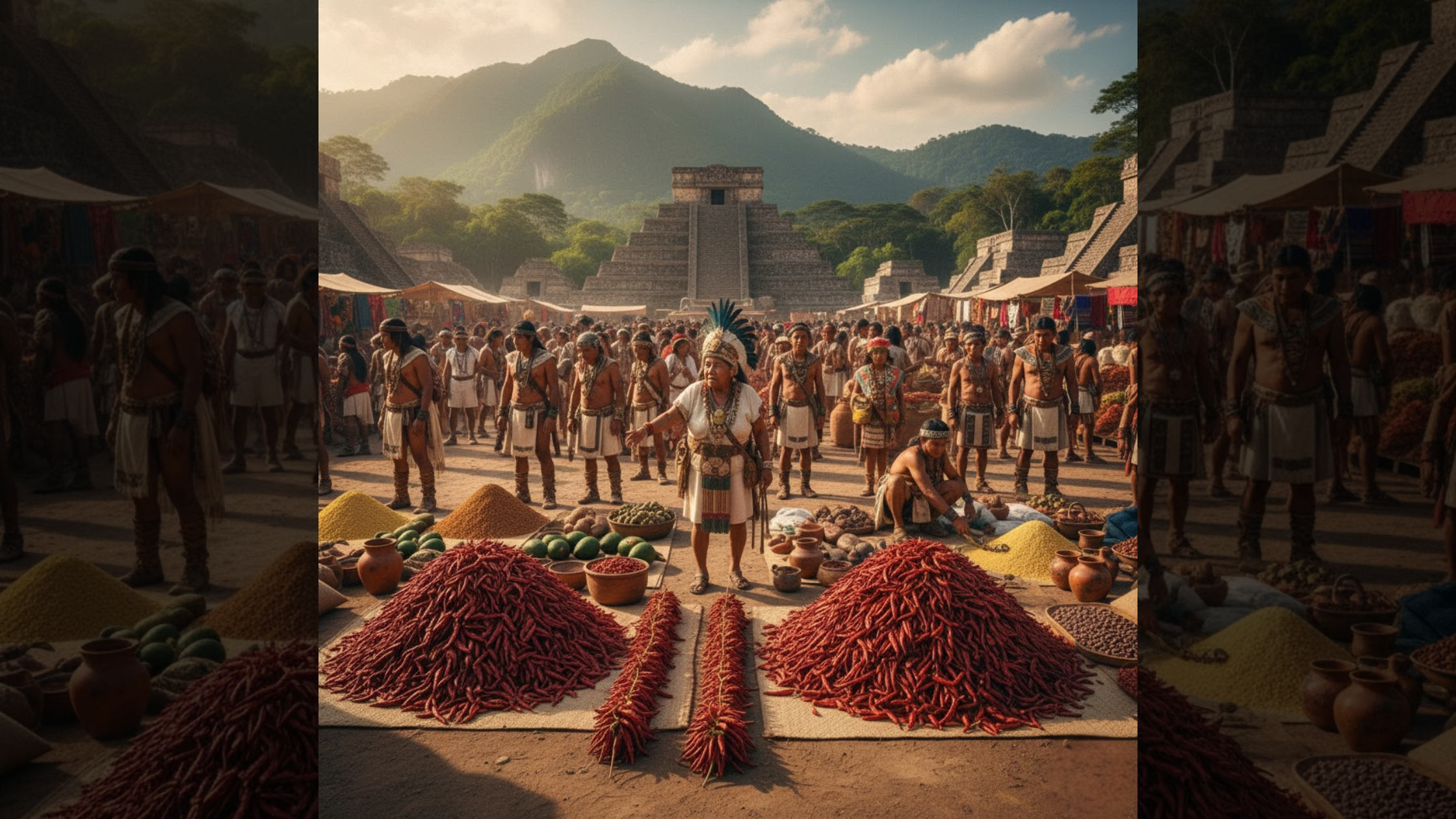
Long before Europeans knew of their existence, chilli peppers grew wild across Central and South America. Archaeological evidence suggests that indigenous communities in Mexico cultivated chillies as early as 7,500 BCE, making them one of humanity’s oldest domesticated crops. These early farmers recognized that drying their harvest under the sun transformed the fruit entirely—intensifying its heat, deepening its color, and creating a shelf-stable commodity that could sustain them through harsh winters.
The Aztecs and Mayans didn’t simply use chillies as food; they integrated them into medicine, rituals, and even warfare. Dried chilli smoke was weaponized against enemies, while healers prescribed specific varieties for ailments ranging from toothaches to digestive troubles. This multifaceted relationship with the plant established patterns that would echo through centuries of culinary evolution.
The Drying Revolution
The practice of sun-drying chillies wasn’t merely about preservation—it was culinary alchemy. When a fresh chilli pod loses its moisture content, chemical changes occur that create entirely new flavor compounds. The natural sugars concentrate, creating subtle sweetness beneath the heat. The flesh develops a leathery texture perfect for grinding into powders or rehydrating in stews. This transformation made dry red chillies ideal for long-distance trade, fundamentally different from other perishable produce like fresh vegetables that required immediate consumption or complicated cold storage.
Traditional drying methods varied by region and climate. In arid zones, farmers simply laid chillies on mats under intense sun for several days. In humid areas, they built smoking chambers or hung peppers from rafters above cooking fires. Each technique imparted distinct characteristics—smoke-dried varieties developed earthy, complex notes, while sun-dried ones retained brighter, fruitier flavors.
Portuguese Ships and the Great Dispersal
The true globalization of dry red chillies began in the late 15th century when Portuguese explorers returned from the Americas with these exotic specimens. Unlike the spice monopolies that guarded black pepper and cinnamon, chilli plants adapted readily to new environments. Within decades, Portuguese traders had introduced them to outposts across Africa, India, and Southeast Asia.
India’s encounter with chillies around 1500 CE marked one of history’s most dramatic culinary shifts. Before their arrival, black pepper, long pepper, and mustard provided the heat in Indian cooking. But chillies offered something unprecedented—intense heat at minimal cost, easy cultivation, and remarkable versatility. South Indian farmers quickly discovered that their warm climate was perfect for growing and sun-drying multiple chilli varieties.

Dry Red Chillies in Asian Kitchens
Across Asia, dried chillies became kitchen essentials with astonishing speed. Chinese cooks in Sichuan and Hunan provinces developed elaborate techniques using dried chillies—sometimes frying them whole until crisp and aromatic, other times grinding them into pastes with fermented beans and garlic. The Korean gochugaru, made from sun-dried red chillies, became the soul of kimchi and countless other dishes.
Thai cuisine embraced dried chillies for curry pastes, where their concentrated flavor created the foundation for complex sauces. Indonesian cooks developed sambal varieties using different dried chilli types, each producing distinct heat levels and flavor profiles. What made dried versions particularly valuable was their reliability—a vegetable supplier could guarantee consistent heat and quality year-round, something impossible with seasonal fresh produce.
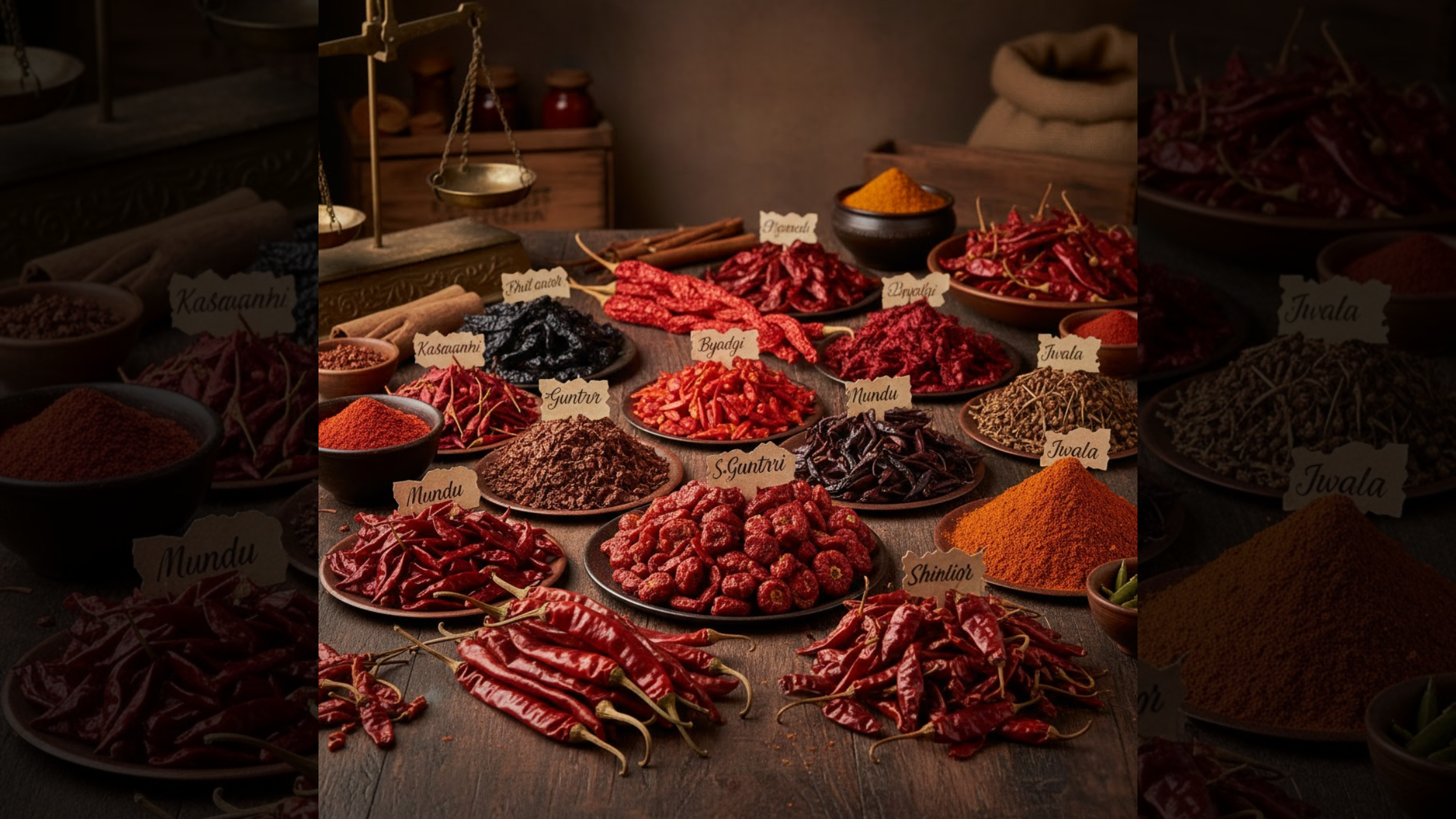
Indian regional cuisines developed their own relationships with dry red chillies. Kashmiri chillies became prized for their brilliant red color and mild heat, perfect for Mughlai dishes where appearance mattered as much as taste. Guntur and Byadgi chillies from southern India offered fierce heat and deep flavor, becoming export favorites. Tamil and Telugu households hung bunches of dried chillies above doorways, believing they warded off evil spirits—a tradition blending culinary pragmatism with cultural symbolism.
European Adoption and Global Integration
European cuisines proved slower to embrace chillies compared to their Asian counterparts, but the impact was no less significant. Hungarian paprika, made from specific dried chilli varieties, became central to goulash and gave birth to an entire culinary identity. Spanish pimentón, whether sweet or smoky, transformed chorizo and countless regional dishes.
The preservation qualities of dried chillies solved practical problems for European explorers and colonizers. Ships carrying all vegetables and dried goods could include chillies without refrigeration concerns, providing sailors with flavor and nutrition on months-long voyages. This portability accelerated their spread to every corner of the globe.
From Village Kitchens to Global Commerce
For centuries, chilli drying remained a household and village-level activity. Families harvested their crops, dried them on rooftops, and stored them in earthen pots for the year ahead. But as global demand grew, particularly from the mid-20th century onward, commercial drying operations emerged. Modern facilities use controlled heat and humidity to produce consistent products that meet international food safety standards.
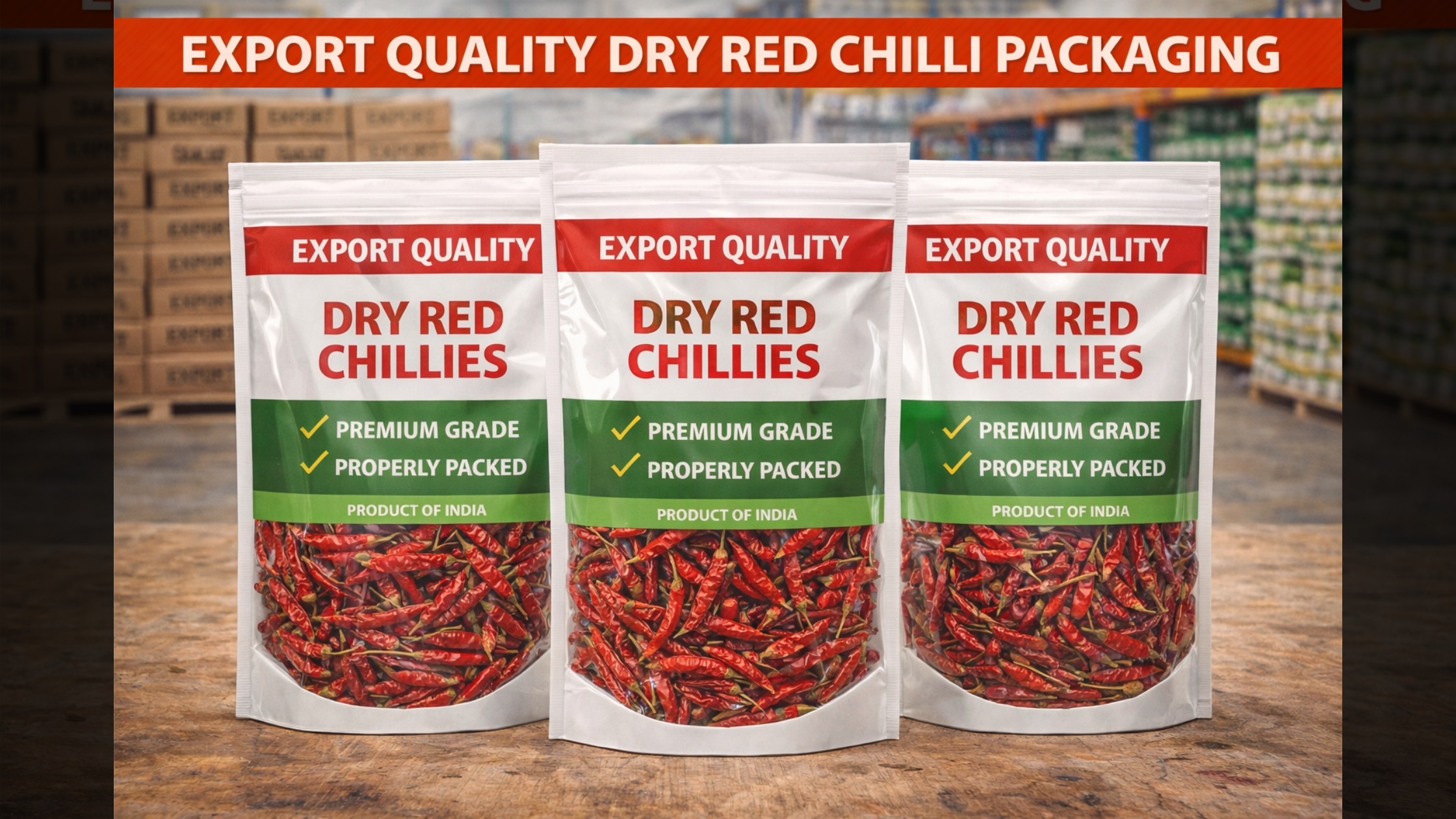
Today’s export market for dry red chillies is sophisticated and demanding. A fruits and vegetables delivery system connecting farms to global markets requires careful grading, sorting, and quality control. Buyers from restaurants, food manufacturers, and spice companies seek specific varieties with predictable Scoville ratings, moisture content, and color retention.
Vipra Overseas: Bridging Tradition and Modern Markets
Companies like Vipra Overseas play a crucial role in connecting India’s rich agricultural heritage with global consumers. Specializing in the export of premium agro products, Vipra Overseas offers a comprehensive range including fresh fruits, fresh vegetables, beans, frozen products, spices, and grains. Their expertise in handling all vegetables ensures that dry red chillies and other produce reach international markets while maintaining the quality and authenticity that traditional cultivation methods provide.
By working directly with farming communities and implementing rigorous quality standards, Vipra Overseas ensures that the centuries-old traditions of chilli cultivation and drying continue to thrive in the modern economy. Their commitment to excellence makes them a trusted vegetable supplier for businesses seeking authentic Indian agricultural products.
The Enduring Legacy
The journey of dry red chillies from Mesoamerican fields to global kitchen shelves represents more than culinary history—it’s a story of human ingenuity, cultural exchange, and agricultural innovation. The simple act of drying a pepper created a product that could survive ocean crossings, outlast winters, and fundamentally alter how billions of people season their food.
Today, whether ground into Korean gochugaru, simmered in Indian curries, or scattered over Italian pizza, dried chillies carry forward traditions that span continents and millennia. They remain one of the few truly global ingredients, equally at home in street food stalls and Michelin-starred restaurants. As modern fruits and vegetables delivery systems become increasingly sophisticated, the demand for quality dry red chillies continues to grow, connecting contemporary consumers with an agricultural practice as old as civilization itself.
The bright red pods drying on rooftops in rural India or Sichuan aren’t just ingredients—they’re living links to the Portuguese sailors who carried them across oceans, the Aztec farmers who first cultivated them, and every cook who discovered that this small fruit could transform the ordinary into the extraordinary.