
Dry red chillies form the backbone of countless recipes across Indian and global cuisines. Whether you’re a home cook looking to add authentic heat to your dishes or a business owner sourcing in bulk, knowing where and how to buy quality dry red chillies makes all the difference. Poor-quality chillies can ruin a dish’s flavour, while premium ones elevate the entire culinary experience. This guide walks you through everything you need to know about purchasing the best dry red chillies available.
What Makes Dry Red Chillies High Quality
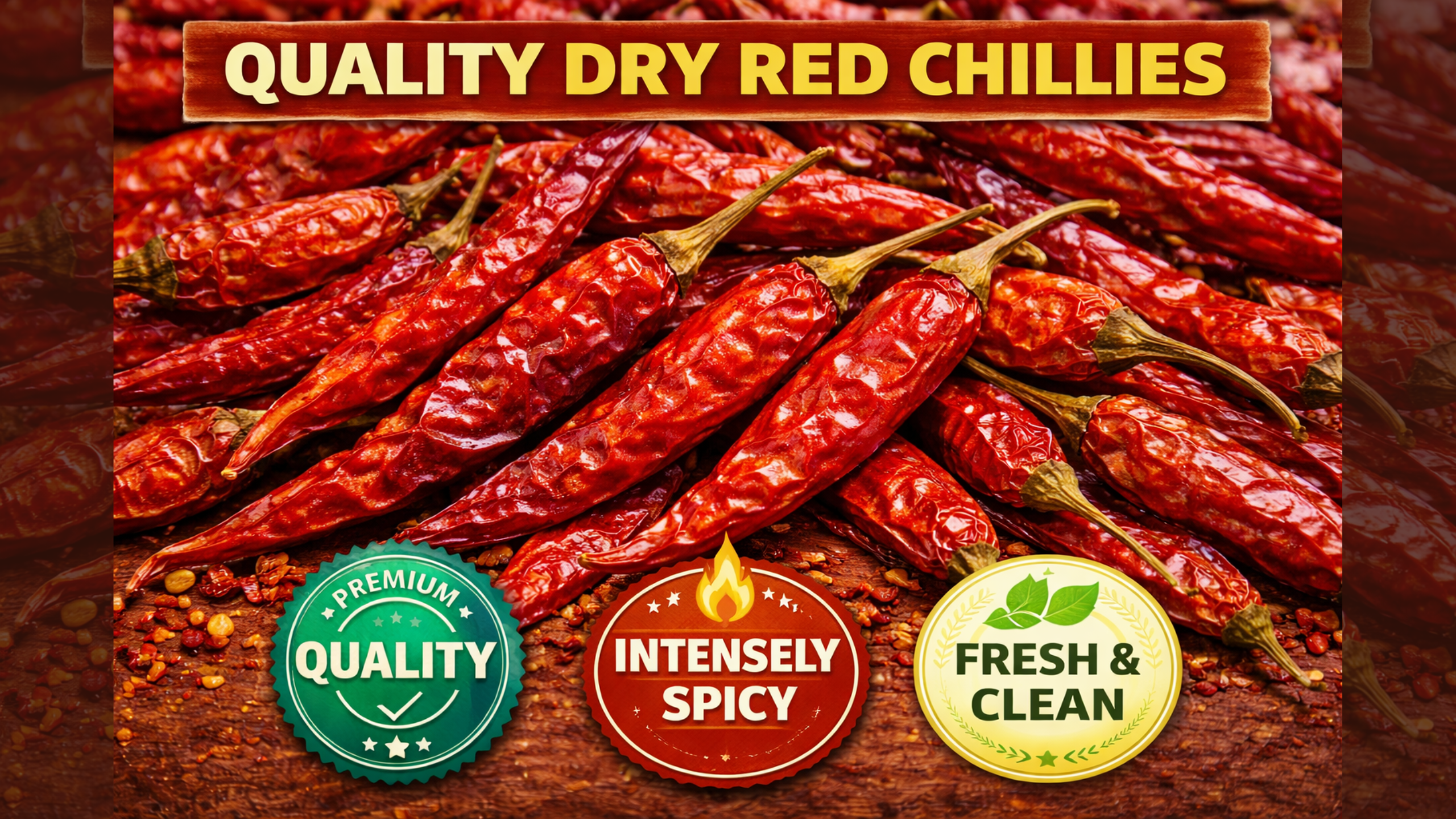
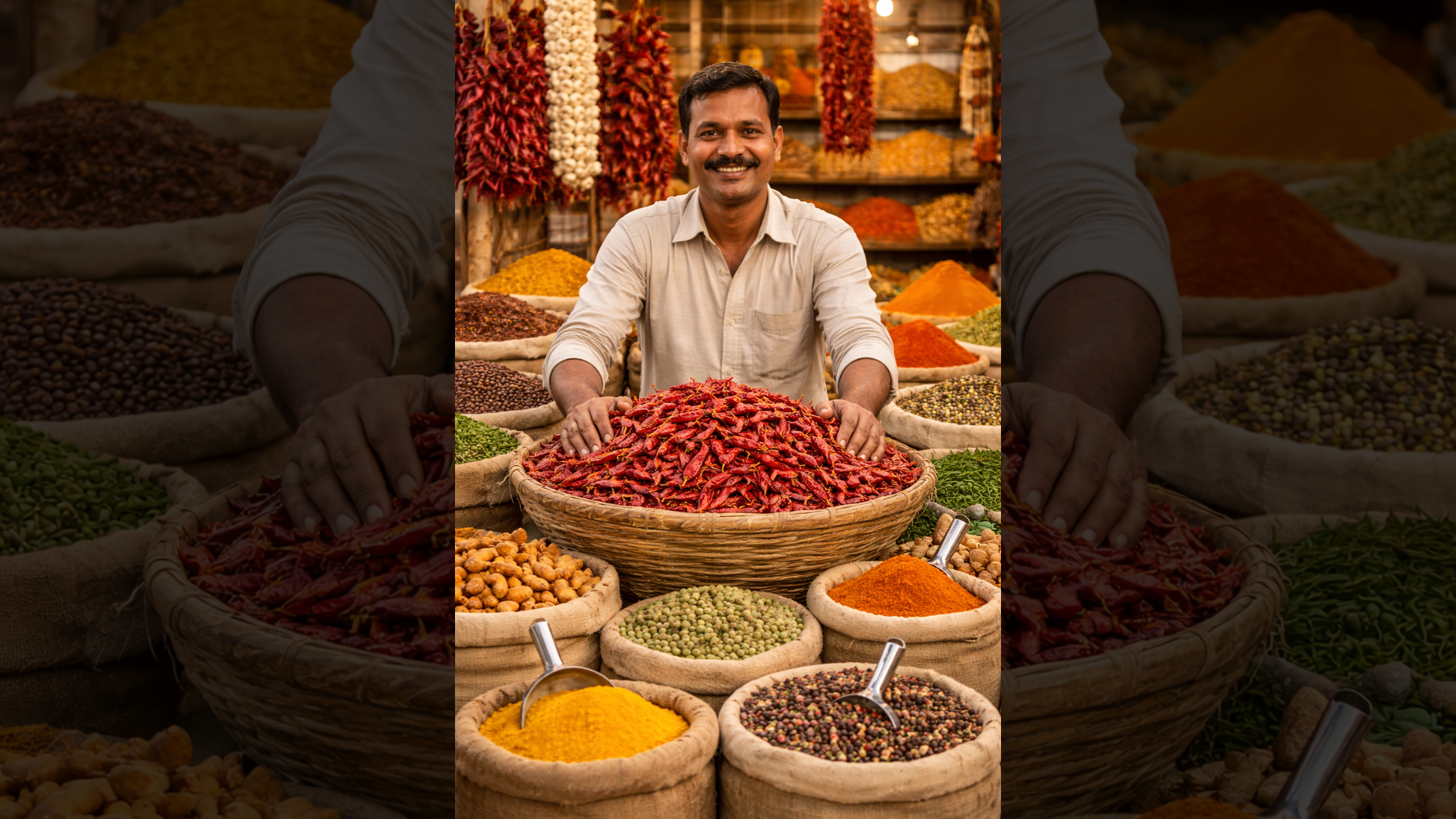
Quality dry red chillies display several distinct characteristics that separate them from inferior products. The colour should be deep and vibrant—ranging from bright red to dark maroon depending on the variety. Faded or dull chillies often indicate old stock or improper drying methods. The surface should appear slightly glossy but not oily, with intact skin that hasn’t cracked excessively during the drying process.
Aroma plays an equally important role. Fresh, high-grade chillies release a sharp, pungent smell when crushed between your fingers. If the aroma seems weak or musty, the chillies have likely lost their potency. Texture matters too—they should feel firm and crisp, breaking cleanly when bent. Flexible or soft chillies suggest high moisture content, which can lead to fungal growth and reduced shelf life.
Visual and Physical Inspection Before Purchase
Before committing to any purchase, conduct a thorough inspection. Check for visible mould, white spots, or discolouration, which indicate poor storage conditions. Examine the stems—they should be intact and green or slightly brown, not black. Broken stems or excessive stem debris in the package suggests rough handling during harvest or processing.
Pick up a few chillies and feel their weight. Quality dry red chillies feel substantial for their size, not hollow or extremely lightweight. Inspect for insect damage by looking for small holes or powdery residue. These signs point to infestation and compromised quality. When possible, ask the seller to crush a small piece so you can assess the aroma intensity and inner colour, which should match the outer appearance.
Local Markets Versus Online Sellers and Bulk Suppliers
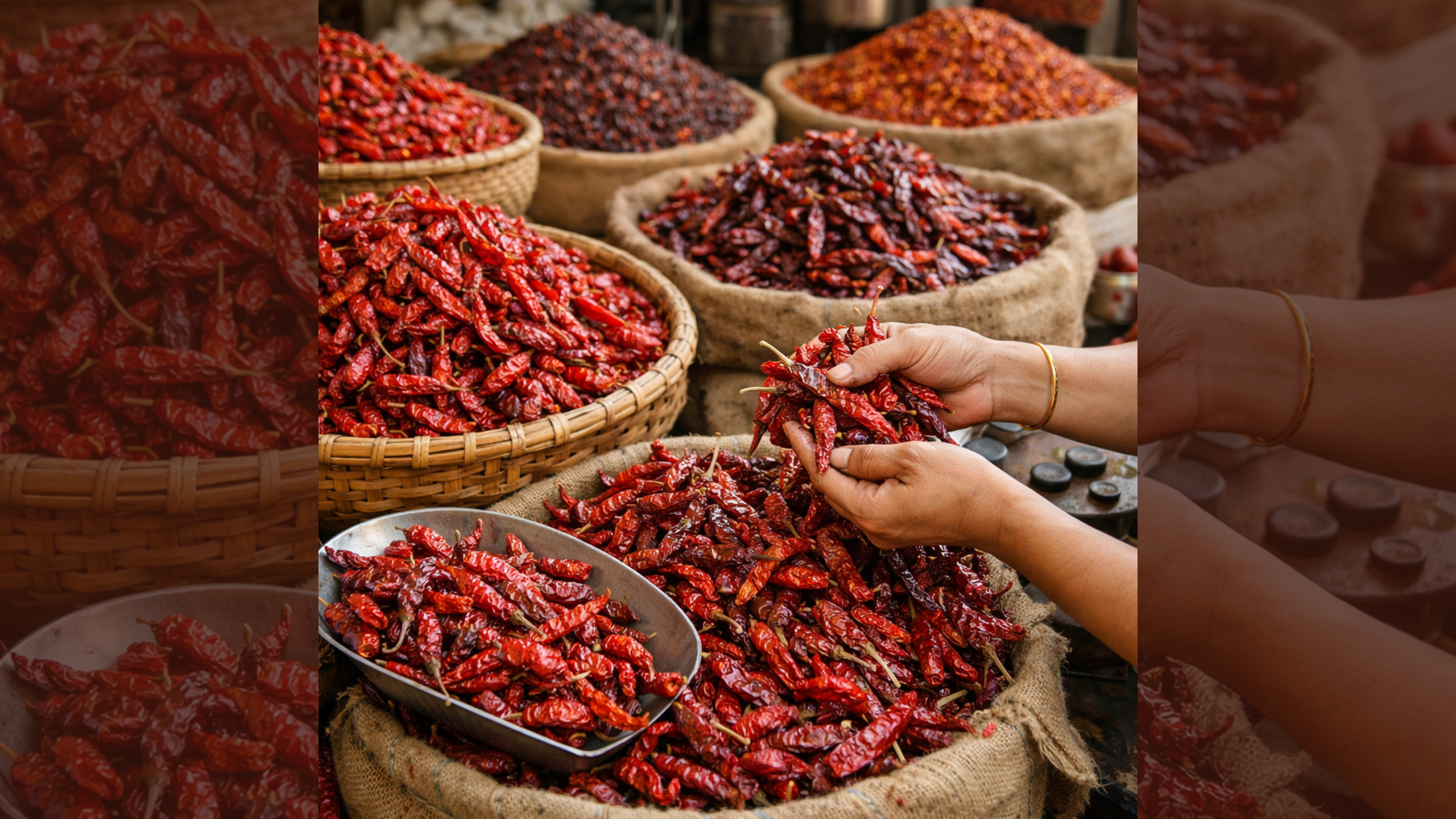
Each purchasing channel offers distinct advantages and challenges. Local spice markets provide the benefit of physical inspection before buying. You can touch, smell, and examine the chillies directly, making it easier to assess quality. Many traditional markets also source from nearby farms, ensuring fresher stock. However, variety selection might be limited, and pricing can vary significantly between vendors.
Online sellers have expanded access to different varieties from across the country. Kashmiri, Guntur, Byadgi, and other regional varieties are now just a click away. The challenge lies in trusting product descriptions and photographs without physical verification. Reading customer reviews and choosing established sellers with return policies helps mitigate this risk. Many online platforms now provide detailed information about sourcing locations and quality certifications, which adds transparency to the buying process.
Wholesale suppliers and direct farm purchases work best for those with bulk requirements. These channels often offer better pricing and consistent quality, especially when dealing with reputable suppliers who follow sustainable agriculture practices. Building relationships with trusted wholesalers ensures steady supply and often opens doors to understanding the entire supply chain—from cultivation methods to post-harvest handling.
Buying for Home Use Versus Commercial Requirements
Home buyers typically purchase smaller quantities, focusing on immediate cooking needs. For household use, buying 500 grams to 2 kilograms at a time ensures the chillies remain fresh and potent. Store them in airtight containers away from direct sunlight and moisture. Home buyers should prioritize flavour intensity and heat level that matches their cooking style over bulk pricing.
Commercial buyers or those in the export business need different considerations. Volume pricing, consistent quality across batches, and reliable supply schedules become critical factors. Professional buyers often request samples before placing large orders, testing for colour consistency, heat units (measured in Scoville ratings), and moisture content. Understanding the grading system used in commercial trade—such as S4, S5, S6 grades for Guntur chillies or Deluxe, A-grade classifications for Kashmiri varieties—helps in making informed bulk purchases.
The Importance of Reliable Sourcing from Farms and Suppliers
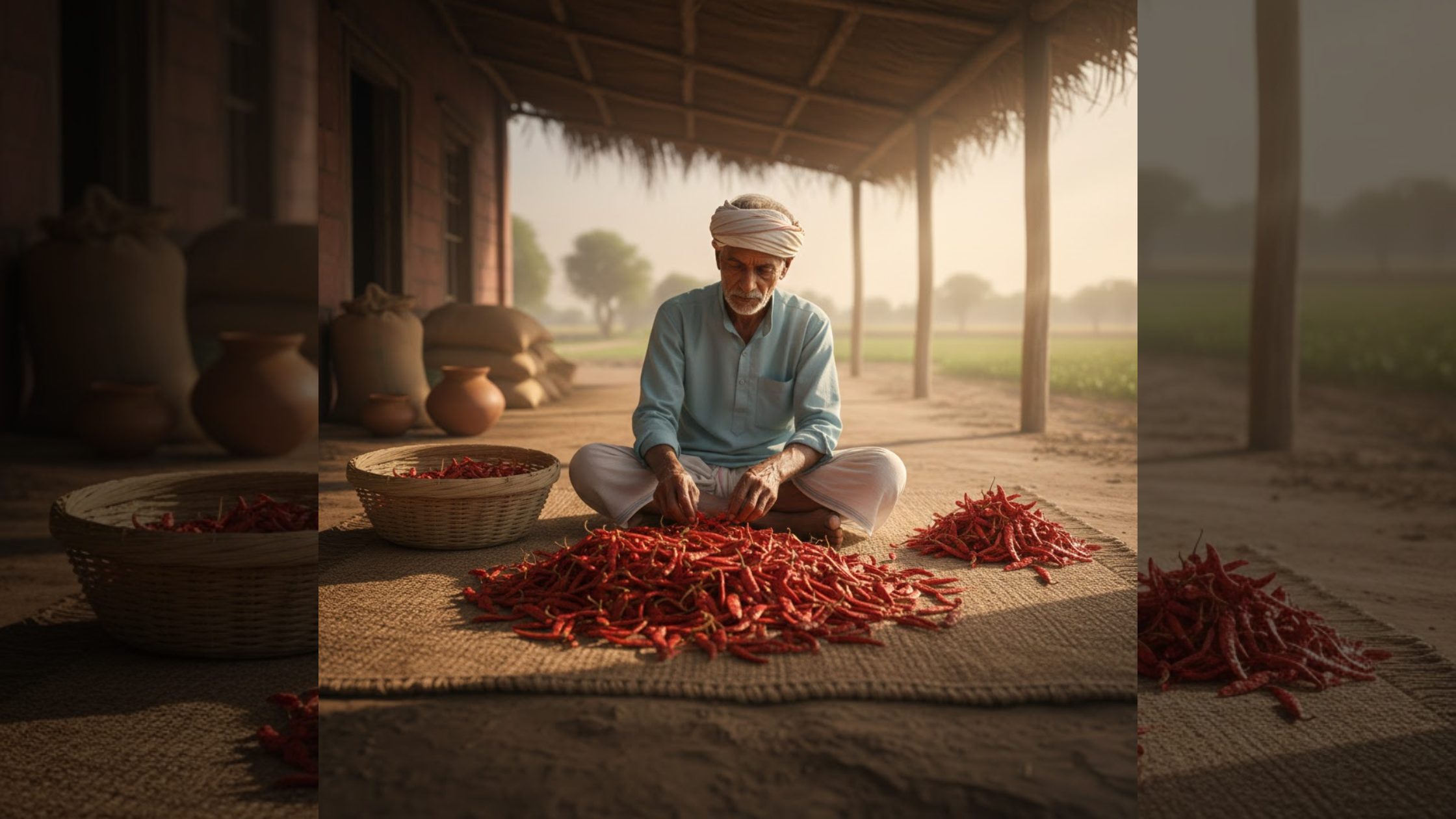
Knowing where your dry red chillies come from matters more than many buyers realize. Chillies sourced directly from farms that follow sustainable agriculture practices tend to have superior quality and fewer chemical residues. These farms typically implement proper drying techniques using sunlight or controlled dryers, maintaining the natural colour and flavour compounds.
Reliable suppliers maintain transparency about their sourcing locations and farming methods. They can provide information about whether the chillies were grown using organic methods or conventional farming. Some progressive farms now use modern agriculture equipment for sorting and grading, which improves consistency and reduces contamination risks. When suppliers share details about their quality control processes, it demonstrates commitment to delivering premium products.
Traceability has become increasingly important in the spice trade. Reputable suppliers maintain records of which batches came from which farms and when they were processed. This information proves invaluable if quality issues arise and helps build trust between buyers and sellers over time.
Storage and Packaging Considerations at Purchase
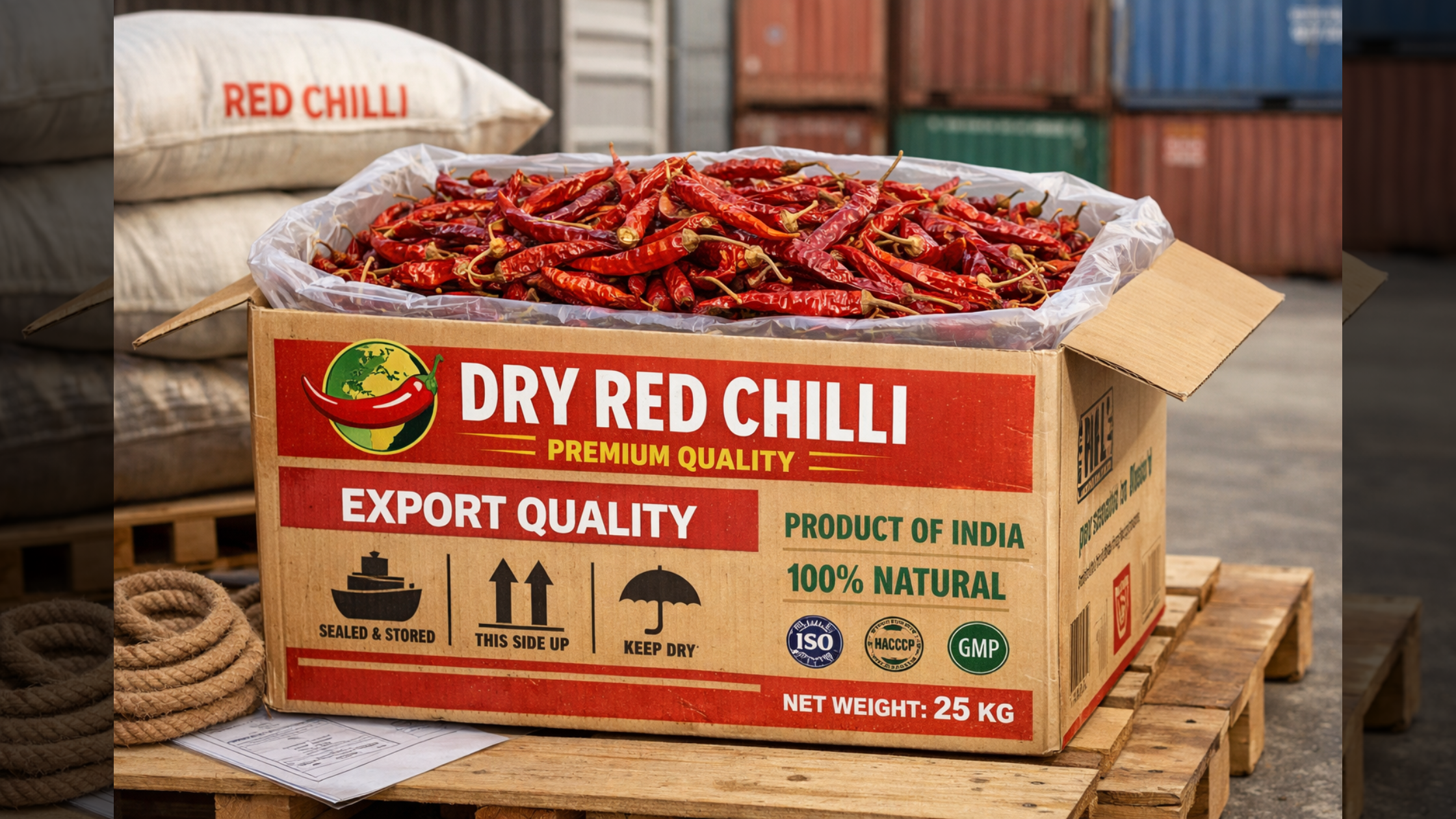
How chillies are packaged at the point of sale indicates the seller’s quality standards. Premium dry red chillies come in sealed, food-grade packaging that protects them from moisture and pests. Avoid purchasing from open bins or containers where chillies are exposed to air and handling by multiple customers. Such exposure increases contamination risks and allows moisture absorption.
Check packaging dates when available. Dry red chillies maintain peak quality for approximately one year when stored properly, though they remain usable beyond that period with gradual flavour loss. If buying in bulk for the export business, verify that packaging meets international food safety standards and includes necessary certifications. Vacuum-sealed packages offer maximum protection for long-term storage and transportation.
For business purposes, proper packaging also supports brand value and customer satisfaction. Many suppliers now offer customized packaging options with quality seals and origin information, which adds credibility to the final product.
Growing Quality Awareness in Domestic and International Markets
Consumer awareness about spice quality has increased dramatically over recent years. Home cooks now research chilli varieties, understand heat levels, and seek specific regional types for authentic recipes. This shift has pushed sellers to improve quality standards and provide detailed product information. The availability of agriculture equipment for processing has enabled smaller farms to meet higher quality benchmarks previously accessible only to large operations.
International markets have even stricter requirements. Export quality red chillies must meet specific parameters for colour value (measured using ASTA standards), heat levels, moisture content (typically below 12%), and contamination limits. Countries importing Indian spices have regulatory requirements that demand proper documentation and quality certifications. This has created a ripple effect, raising quality consciousness throughout the supply chain from farm to final consumer.
How Informed Buying Supports Farmers and Trade
When buyers make quality-conscious purchasing decisions and are willing to pay fair prices for premium products, they directly support farmers who invest in better cultivation and post-harvest practices. Farmers implementing sustainable agriculture practices often face higher initial costs for organic inputs, proper drying infrastructure, and quality testing. Buyers who recognize and reward quality encourage more farmers to adopt these beneficial practices.
The export business thrives on maintaining India’s reputation for premium spices. When domestic buyers also demand high quality, it strengthens the entire ecosystem. Farmers receive better returns, traders maintain consistent standards, and India’s position in global spice markets remains strong. This positive cycle benefits everyone involved in the supply chain.
Supporting local farming communities through informed purchases also contributes to rural economic development. Many spice-growing regions depend heavily on chilli cultivation as a primary income source. When buyers choose quality over just low prices, they help sustain these agricultural communities.
How Vipra Overseas Supports Quality Agro Exports
Vipra Overseas has established itself as a trusted partner in the agricultural export sector, connecting quality Indian produce with international markets. The company specializes in exporting a comprehensive range of agricultural products including fresh fruits, fresh vegetables, beans, frozen products, spices, and grains. Their expertise in handling dry red chillies and other spices ensures that products meet international quality standards and reach global buyers in optimal condition.
With a deep understanding of both farming practices and export requirements, Vipra Overseas works closely with farming communities to source premium quality produce. Their quality assurance processes include rigorous inspection, proper grading, and adherence to food safety regulations. For buyers seeking reliable suppliers of export-quality dry red chillies and other agricultural products, Vipra Overseas offers the consistency and professionalism that international trade demands.
Making Smart Shopping Choices for Dry Red Chillies
Purchasing quality dry red chillies requires attention to multiple factors—from visual inspection and aroma testing to understanding sourcing practices and packaging standards. Whether buying for home kitchens or commercial needs, taking time to evaluate quality pays off through better flavour, longer shelf life, and supporting ethical farming practices.
Start by identifying your specific requirements in terms of variety, heat level, and quantity. Research sellers thoroughly, read reviews, and don’t hesitate to ask questions about sourcing and quality parameters. For bulk purchases, request samples before committing to large orders. Build relationships with trusted suppliers who maintain transparency about their products and practices.
Remember that the cheapest option rarely delivers the best value. Premium quality dry red chillies might cost slightly more upfront but provide superior flavour, longer usability, and the satisfaction of supporting sustainable agriculture and fair trade practices. Make informed choices, prioritize quality indicators, and you’ll enjoy the vibrant heat and flavour that only truly excellent dry red chillies can deliver.