
When it comes to metabolism and weight management, people often look toward natural food sources that might give them an edge. Dry red chillies have long been celebrated in traditional Indian cuisine and medicine, but can they actually boost your metabolic rate? Modern research provides some fascinating insights into how these fiery pods interact with our body’s energy systems.
Understanding Your Metabolic Rate
Metabolism refers to all the chemical processes that keep your body functioning, from breathing to digesting food. Your basal metabolic rate is the number of calories your body burns at rest. Several factors influence this rate, including age, muscle mass, genetics, and yes, even the foods you eat. The concept of thermogenic foods—those that slightly increase calorie burning during digestion—has gained attention in recent years.
The Capsaicin Connection
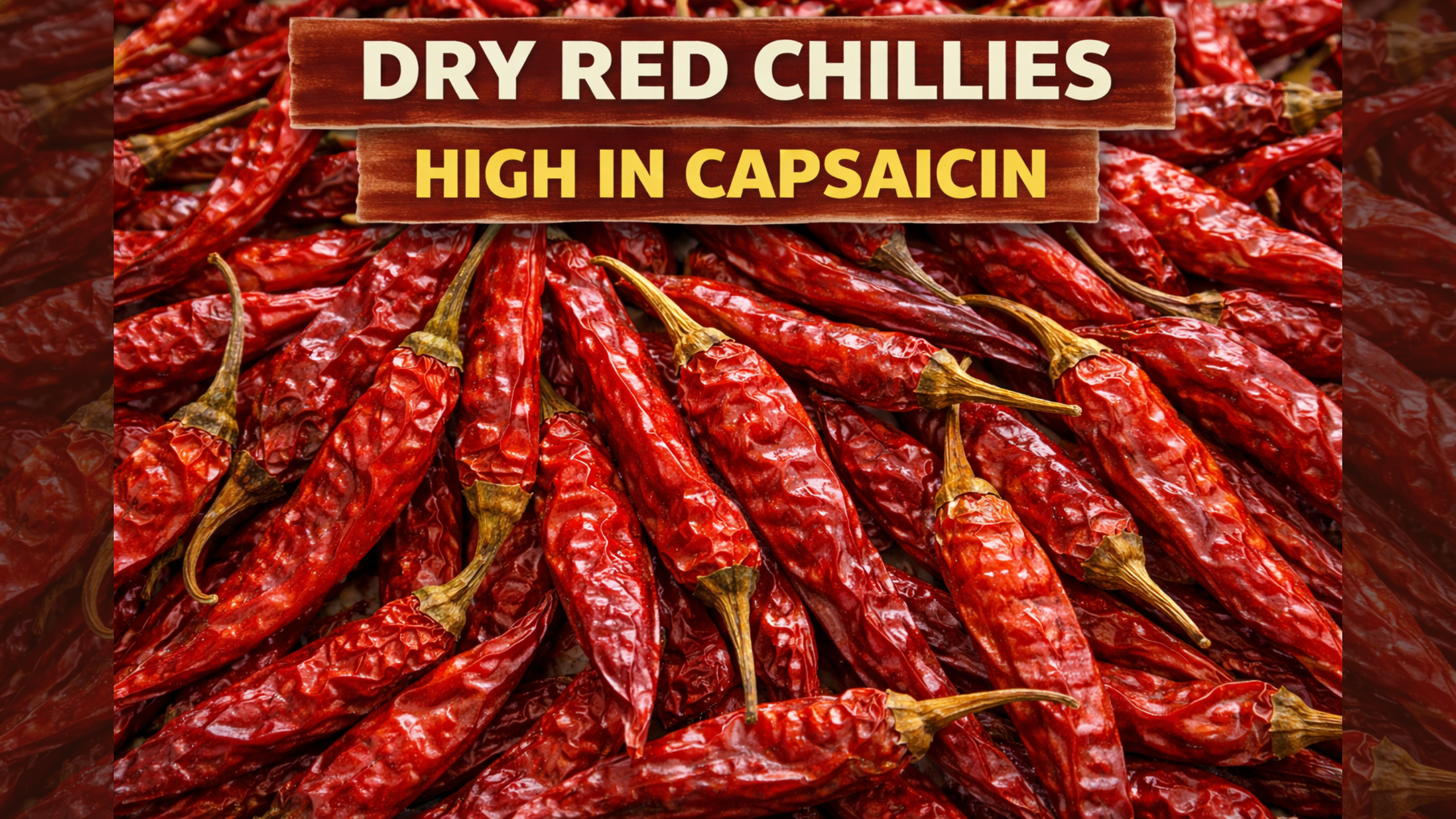
The heat you feel when biting into a chilli pepper comes from capsaicin, a compound that binds to pain receptors in your mouth. This same compound has been studied extensively for its potential metabolic effects. When consumed, capsaicin activates specific receptors in your body that can trigger a slight increase in energy expenditure and heat production, a process known as diet-induced thermogenesis.
Research published in nutrition journals has examined how capsaicin influences fat oxidation and energy balance. The compound appears to work by stimulating the sympathetic nervous system, which controls various automatic body functions including metabolic rate.
What Scientific Studies Reveal
Multiple studies have investigated the relationship between capsaicin consumption and metabolic changes. A body of research suggests that consuming capsaicin can increase energy expenditure by approximately 50 calories per day in some individuals. While this might sound modest, the effect becomes more interesting when combined with other dietary strategies.
Scientific studies on capsaicin have shown that the compound may enhance fat oxidation, particularly during moderate physical activity. However, researchers emphasize that these effects are relatively small and shouldn’t be viewed as a magic solution for weight management. The thermogenic effect typically lasts for a few hours after consumption.
One important finding is that regular consumers of spicy foods may develop a tolerance to capsaicin’s metabolic effects over time. This suggests that while dry red chillies can contribute to a healthy diet, their impact on metabolism may diminish with habitual use.
Short-Term Versus Long-Term Effects
The immediate response to consuming chilli heat includes increased body temperature and slightly elevated calorie burning. These short-term effects are measurable but modest. Long-term studies examining regular capsaicin intake show mixed results. Some research indicates sustained benefits for appetite control and energy balance, while other studies find the effects diminish over weeks or months.
The key takeaway is that dry red chillies and metabolism research supports a supplementary role rather than a primary weight-loss strategy. They work best when incorporated into an overall balanced diet rich in whole foods, vegetables, and adequate protein.
Fresh Versus Dried: Does It Matter?
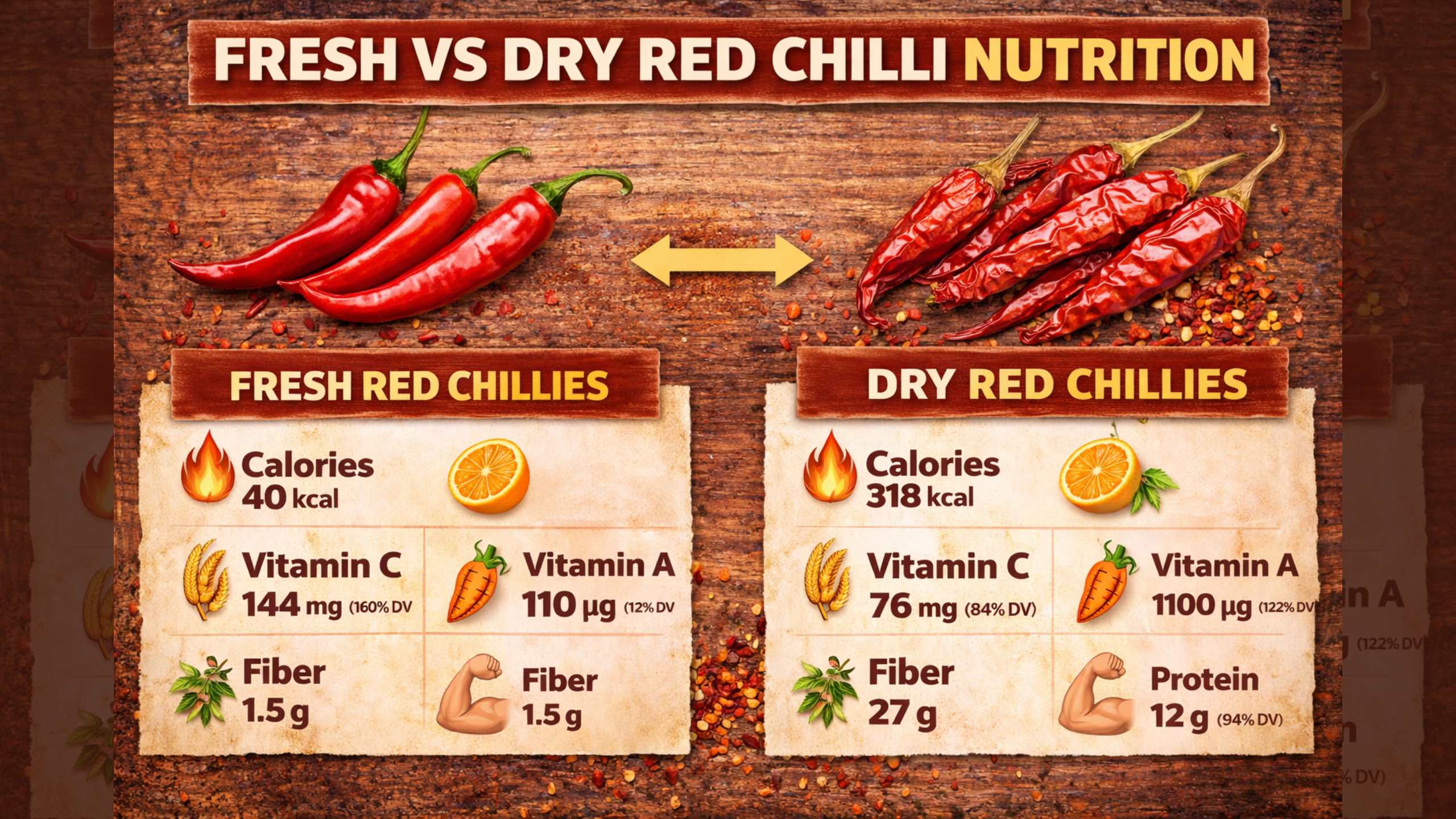
Dry red chillies often contain higher concentrations of capsaicin per gram compared to fresh varieties, simply because water removal concentrates the active compounds. However, the actual metabolic impact depends more on total capsaicin intake rather than whether the chilli is fresh or dried.
Traditional Indian red chilli varieties like Guntur, Byadgi, and Kashmiri chillies vary significantly in their capsaicin content. Processing methods, drying techniques, and storage conditions all influence the final potency of dried chillies.
Safe Consumption Guidelines
While exploring thermogenic foods, it’s important to approach chilli consumption sensibly. For most people, adding moderate amounts of dry red chillies to meals is safe and may offer modest metabolic benefits. However, excessive intake can cause digestive discomfort, irritation, or exacerbate certain health conditions.
Individual tolerance varies widely. What feels mildly spicy to someone accustomed to Indian cuisine might be overwhelming for others. Starting with smaller amounts and gradually increasing intake allows your body to adapt while minimizing discomfort.
How Modern Farming Influences Spice Quality
The capsaicin levels in dry red chillies depend significantly on growing conditions and agricultural practices. Modern sustainable farming practices ensure consistent quality while maintaining soil health and reducing environmental impact. Factors like soil composition, water availability, sunlight exposure, and harvest timing all affect the final capsaicin concentration.
Advanced indoor farming techniques allow for controlled environments where temperature, humidity, and light are optimized for specific crop requirements. While most chillies are still grown outdoors, smart agriculture technologies help farmers monitor crop health, predict optimal harvest times, and ensure maximum nutrient retention.
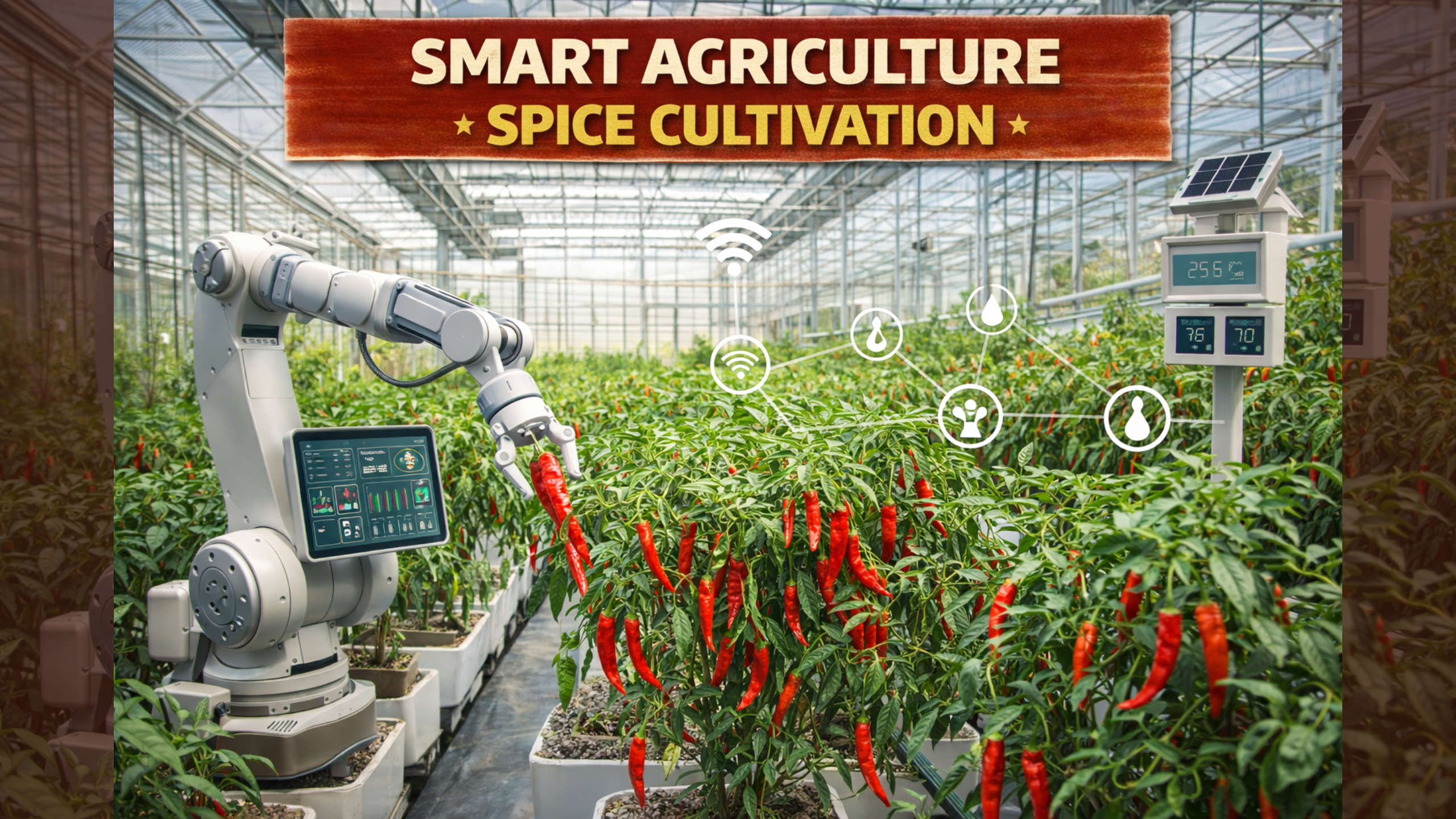
These innovations in farming technology contribute to higher-quality spices with more predictable characteristics. For export-oriented agriculture businesses, consistency in capsaicin content and overall quality is essential for meeting international standards.
Global Interest in Functional Spices
Food science and spices have converged as consumers worldwide seek natural ingredients with potential health benefits. The global spice consumption trends show increasing demand for high-quality products with verified origins and processing standards. Dry red chillies rank among the most researched spices due to their widespread use and bioactive compounds.
Traditional Indian spice wisdom is now being validated through modern scientific methods. What ancient practices recognized empirically, contemporary research is beginning to quantify and explain through metabolic and nutritional studies.
Connecting Farms to Global Markets
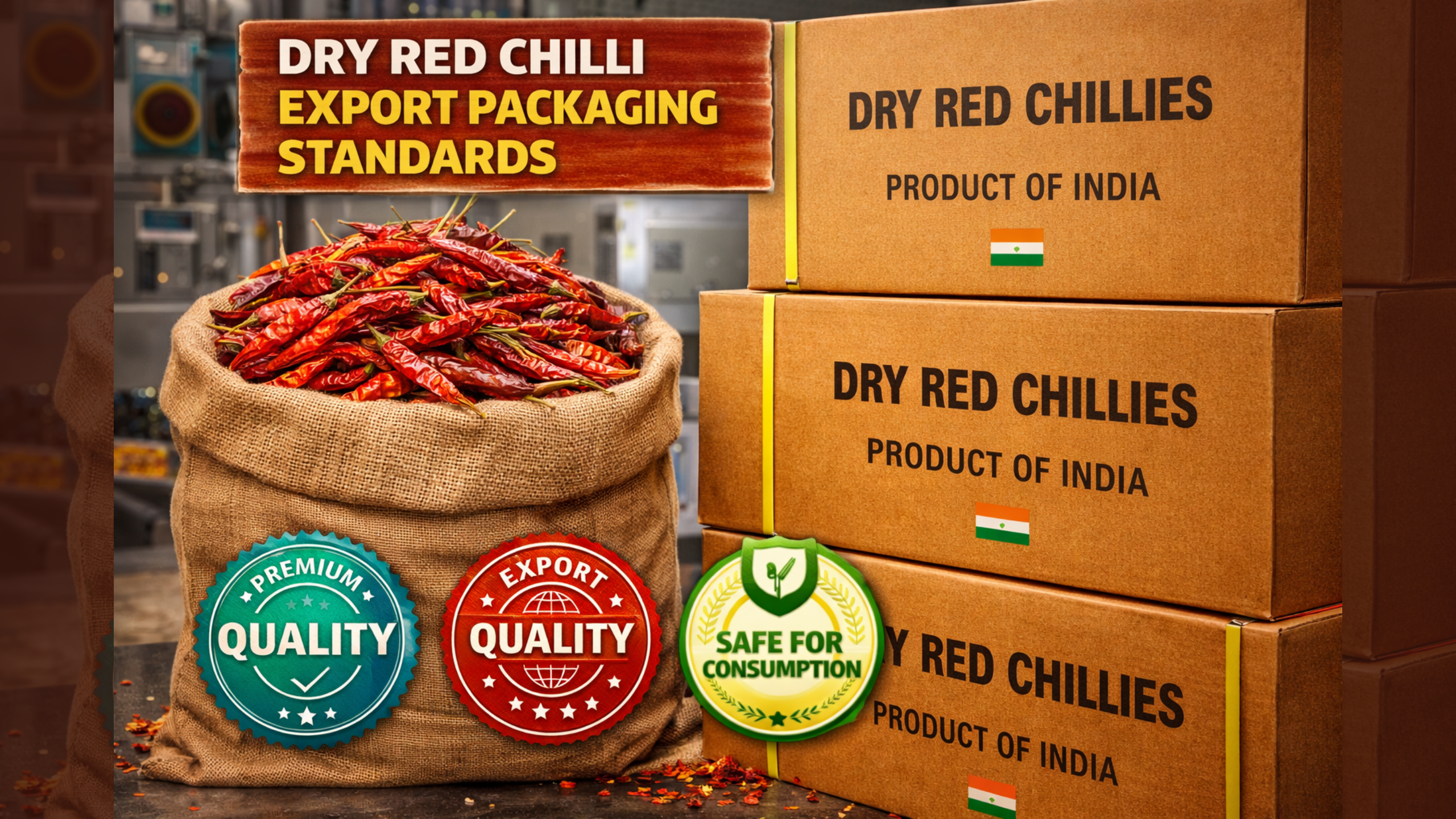
Quality spices begin with responsible agricultural practices and continue through careful processing, packaging, and distribution. Companies specializing in agro-product exports play a crucial role in bringing premium ingredients from farms to consumers worldwide.
Vipra Overseas has established itself as a reliable partner for businesses seeking high-quality agricultural products. The company exports a comprehensive range of items including fresh fruits, fresh vegetables, beans, frozen products, spices, and grains. Their expertise in handling temperature-sensitive and quality-dependent products ensures that items like dry red chillies retain their capsaicin content and flavor profile throughout the supply chain.
By working with farmers who implement sustainable farming practices and utilize smart agriculture monitoring systems, Vipra Overseas maintains consistent quality standards. Their export infrastructure supports both small-scale specialty producers and larger agricultural operations, creating market access for diverse farming communities.
What Science Really Supports
After examining the research on dry red chillies and metabolic rate, we can draw some clear conclusions. Yes, capsaicin does have measurable thermogenic effects. Yes, consuming chillies can slightly increase calorie expenditure and may support fat oxidation during physical activity. However, these effects are modest and work best as part of a comprehensive approach to nutrition and health.
The science doesn’t support using dry red chillies as a standalone metabolism-boosting solution. Instead, they represent one component of a varied, nutrient-rich diet. Their value extends beyond metabolism to include culinary enjoyment, cultural significance, and the numerous other compounds they contain beyond capsaicin.
For those interested in spice-based metabolism research, the field continues to evolve. Newer studies are exploring how capsaicin interacts with gut bacteria, influences appetite hormones, and affects long-term body composition when combined with exercise.
The farm-to-consumer spice journey matters because cultivation and processing methods directly impact the active compounds we’re discussing. Supporting quality standards in Indian spice exports ensures that products meet both safety requirements and deliver the characteristics consumers expect.
Understanding the realistic benefits of thermogenic foods helps set appropriate expectations. Dry red chillies can be a flavorful, beneficial addition to your diet with modest metabolic effects, but they’re not a miracle weight-loss ingredient. The most reliable path to metabolic health remains a balanced diet, regular physical activity, adequate sleep, and stress management—with spices adding both flavor and marginal functional benefits along the way.