
When we think of dry red chillies, our minds often jump straight to heat and flavor. But beyond their ability to transform bland dishes into memorable meals, these vibrant crimson pods pack an impressive array of wellness properties that have been valued across cultures for centuries. From ancient Ayurvedic practices to cutting-edge nutritional science, dry red chillies continue to reveal their potential as functional foods worthy of closer attention.
Why Dry Red Chillies Deserve a Second Look
In kitchens across India and beyond, dry red chillies serve as foundational ingredients. Yet most people remain unaware of the complex nutritional profile hidden within these unassuming pods. Unlike many processed foods that lose their value during preservation, properly dried chillies actually concentrate certain beneficial compounds, making them potent additions to a health-conscious diet.
The drying process transforms fresh chillies into shelf-stable powerhouses while preserving most of their natural goodness. This makes them not just convenient pantry staples but also vehicles for delivering consistent nutritional benefits throughout the year.
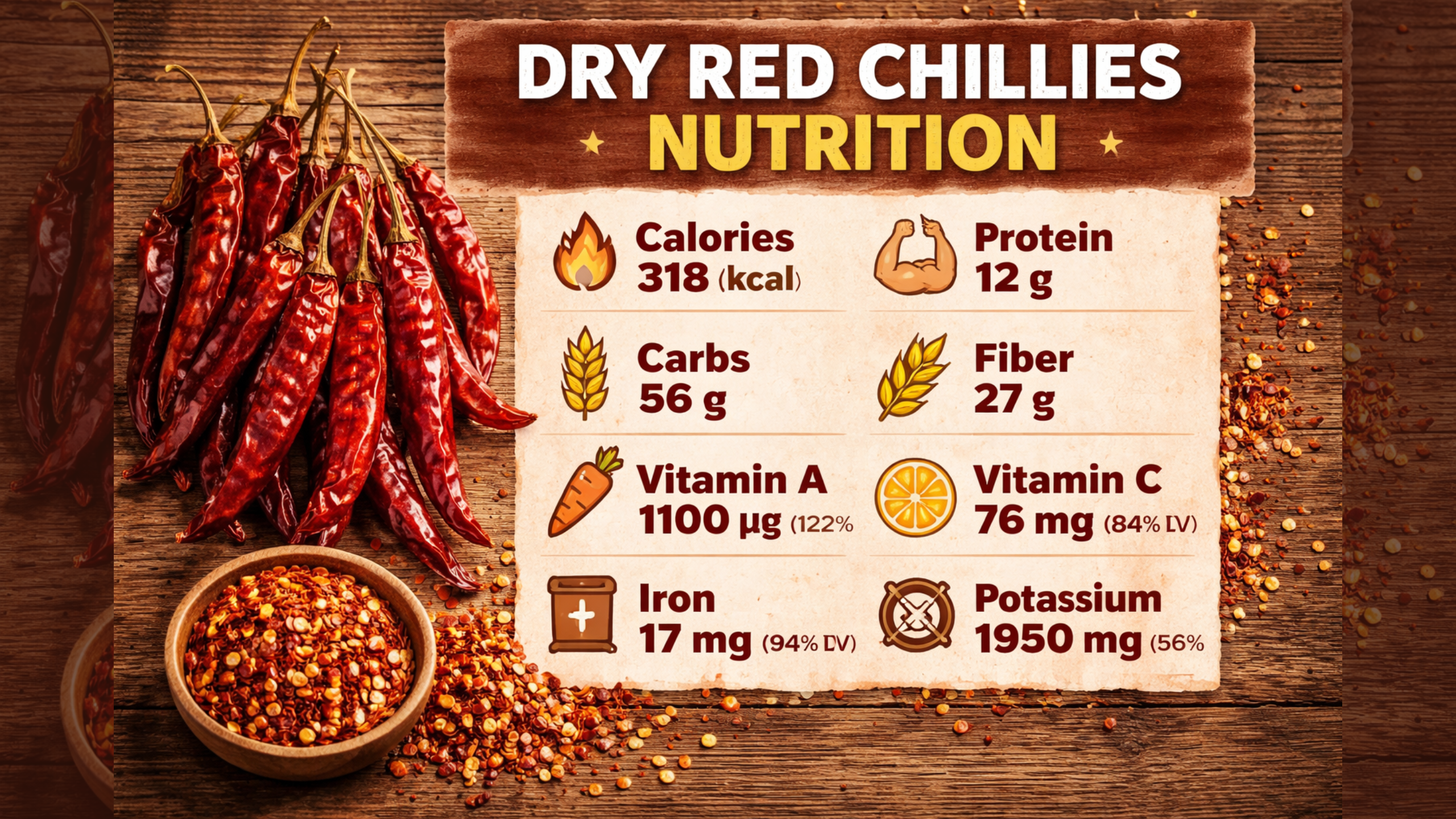
The Nutritional Foundation
Dry red chillies contain an impressive spectrum of vitamins and minerals. They’re particularly rich in vitamin A, which supports vision and immune function, and vitamin C, a crucial antioxidant that protects cells from damage. These pods also provide B-complex vitamins, iron, potassium, and magnesium in meaningful amounts.
What sets them apart is their concentration of plant compounds. Beyond basic nutrition, dry red chillies deliver flavonoids, carotenoids, and other phytonutrients that work synergistically to support various body systems. This complexity explains why traditional food wisdom has long recognized chillies as more than mere seasonings.
Capsaicin: The Heat That Heals
The compound responsible for that characteristic burn—capsaicin—turns out to be far more than a sensory experience. Research has explored capsaicin health effects extensively, revealing its potential to influence pain perception, circulation, and metabolic processes.
Capsaicin activates specific receptors in the body, triggering responses that may help with discomfort management. This explains why topical preparations containing chilli extracts have been used traditionally for joint and muscle issues. When consumed, capsaicin may stimulate thermogenesis, the process by which the body generates heat and burns energy.
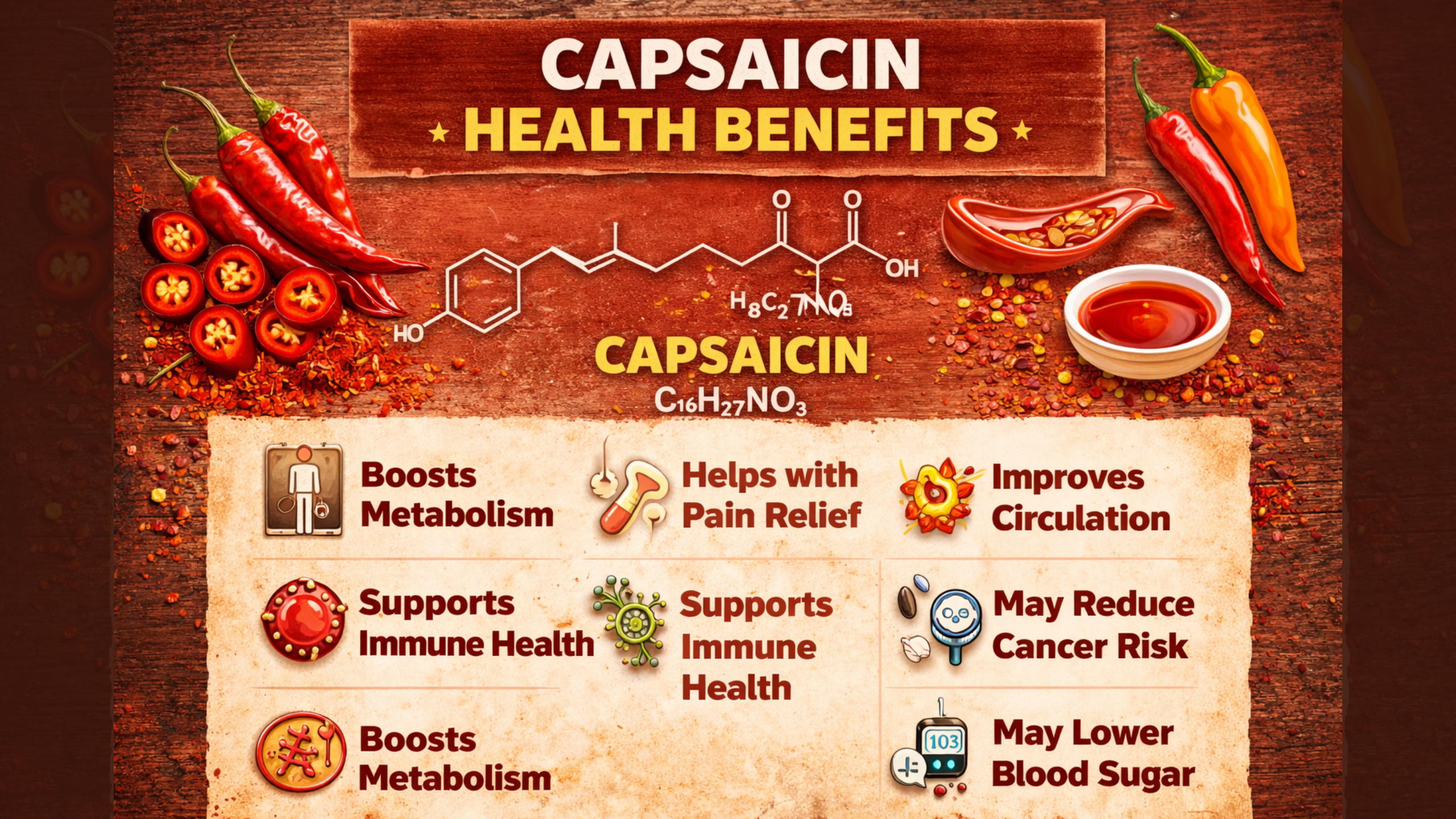
Metabolism and Weight Management Support
One of the most talked-about aspects of metabolism and chillies is the temporary boost in metabolic rate that can occur after eating spicy foods. While no single food is a magic solution for weight management, incorporating dry red chillies into balanced meals may support metabolic function as part of an overall healthy lifestyle.
The thermogenic effect means your body works slightly harder to process spicy foods, potentially burning a few extra calories in the process. More importantly, the bold flavor of chillies can make nutritious foods more appealing, helping people enjoy vegetable-rich meals that align with wellness goals.
Digestive System Interactions
Contrary to popular belief, moderate chilli consumption doesn’t harm a healthy digestive system. In fact, capsaicin may stimulate digestive secretions and promote gut motility. The key word here is “moderate”—those with sensitive stomachs should start with small amounts and observe their body’s response.
Traditional Indian wisdom has long paired chillies with specific foods to aid digestion. Modern understanding suggests these combinations weren’t accidental but reflected generations of observation about how different ingredients interact in the digestive process.
Antioxidant Power and Cellular Protection
Antioxidants in red chillies work to neutralize free radicals, unstable molecules that can damage cells over time. The vitamin C content alone makes dry red chillies valuable in this regard, but they also contain other protective compounds like quercetin and luteolin.
These dry red chilli compounds act as cellular guardians, potentially reducing oxidative stress throughout the body. While eating chillies won’t prevent all health challenges, they contribute to the diverse array of protective foods that support long-term wellness when consumed as part of varied diets.
Immune System Considerations
Immunity boosting spices have gained attention in recent years, and dry red chillies deserve a place in this conversation. Their vitamin C content supports immune cell function, while other plant compounds may have mild antimicrobial properties.
The warming sensation of chillies also promotes circulation, potentially helping the body distribute immune cells more effectively. Combined with their ability to clear sinuses and promote respiratory comfort during seasonal challenges, chillies offer multiple pathways for supporting the body’s natural defense systems.
Traditional Knowledge Meets Modern Research
Traditional Indian spice benefits have been documented in ancient texts for thousands of years. Ayurveda classified chillies based on their heating properties and their ability to kindle digestive fire. These traditional frameworks didn’t have access to modern analytical tools, yet they identified patterns that contemporary science is now validating.
This intersection of ancestral wisdom and current research creates a fuller picture of chilli consumption benefits. Rather than dismissing old knowledge or accepting it uncritically, we can appreciate how different approaches to understanding food complement each other.
From Farm to Table: Quality Matters
The health potential of any agricultural product begins in the field. Modern sustainable farming practices recognize that soil health, water quality, and cultivation methods all influence the final nutritional profile of crops. Farmers practicing sustainable farming techniques often produce chillies with higher concentrations of beneficial compounds.
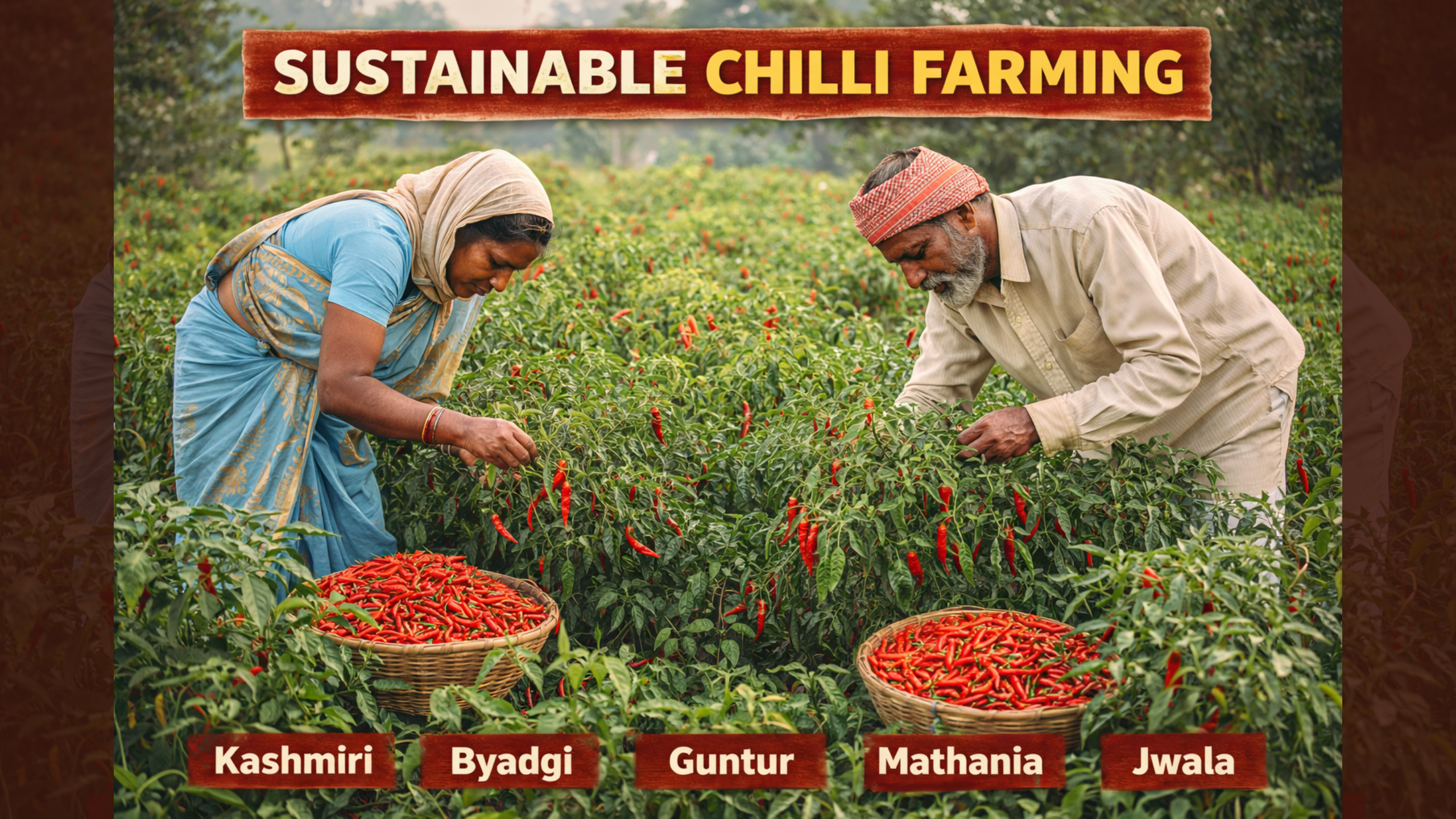
Processing matters equally. Sun-drying preserves nutrients differently than mechanical drying, and storage conditions affect how long chillies retain their properties. This is where community supported agriculture models create advantages—shorter supply chains mean fresher products and better preserved nutritional value.
Understanding food and spice science helps us appreciate why sourcing matters. A chilli grown in depleted soil, harvested prematurely, and stored improperly won’t deliver the same benefits as one cultivated with care through farm-to-plate spices channels that prioritize quality at every step.
The Global Perspective on Quality Spices
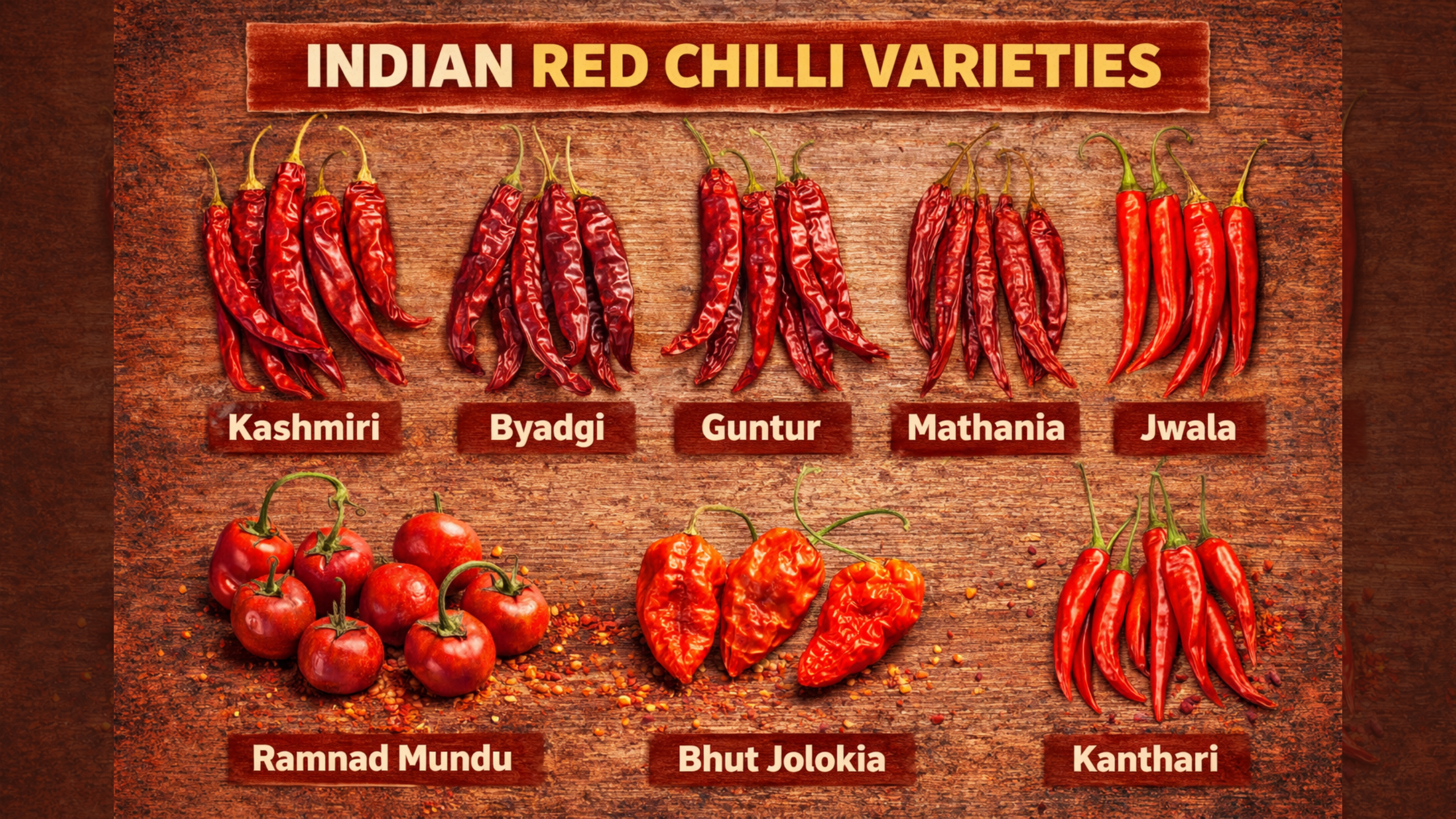
Growing international awareness of spice-based wellness has increased demand for premium dry red chillies. Export markets particularly value Indian red chilli varieties known for specific heat profiles and flavor characteristics. This global interest has encouraged better farming practices and quality standards.
Innovations in agro tech have enabled better sorting, cleaning, and packaging while maintaining the integrity of the product. Temperature-controlled storage, moisture monitoring, and modern logistics ensure that quality spice sourcing delivers consistent products to consumers worldwide.
Responsible Sourcing and Export Excellence
When considering dry red chilli export packaging and distribution, companies that prioritize transparency and traceability offer distinct advantages. Knowing where your spices come from and how they were handled provides confidence in their quality.
Vipra Overseas represents this commitment to excellence in agricultural exports. The company facilitates global access to premium Indian products across multiple categories. Their portfolio includes fresh fruits sourced from optimal growing regions, fresh vegetables harvested at peak ripeness, and beans selected for quality and consistency. They also export frozen products that lock in freshness, spices including premium dry red chilli varieties, and grains that meet international standards.
By connecting responsible producers with global markets, companies like Vipra Overseas help ensure that consumers worldwide can access the authentic quality that delivers genuine nutritional value. This export agro products approach benefits farmers through fair market access while providing international customers with products that meet their quality expectations.

Making the Most of Dry Red Chillies
Incorporating these spices into your routine doesn’t require dramatic changes. Start with small amounts if you’re unaccustomed to heat, and gradually increase based on tolerance and preference. Toasting whole dry chillies before grinding releases aromatic oils and deepens flavor complexity.
Pair them with foods rich in healthy fats to enhance absorption of fat-soluble vitamins. Combine them with black pepper and turmeric for synergistic effects that traditional Indian cooking has long recognized. Use them to make nutritious foods more appealing, turning simple vegetables into dishes you look forward to eating.
Conclusion: Balance and Enjoyment
The surprising health benefits of dry red chillies emerge not from isolated compounds consumed as supplements but from whole foods enjoyed as part of diverse, balanced diets. Their nutritional properties complement—not replace—other healthy lifestyle choices.
Approached with mindful appreciation rather than fear or exaggeration, dry red chillies reveal themselves as remarkable gifts from the plant kingdom. They connect us to agricultural traditions, support farming communities, and offer genuine wellness potential. Whether you’re drawn to their flavor, intrigued by their history, or motivated by their nutritional profile, there’s never been a better time to explore what these humble pods have to offer.
By choosing quality sources and incorporating them thoughtfully, you can enjoy both the culinary excitement and the functional benefits that make dry red chillies worthy of their place in kitchens and wellness conversations worldwide.