
Dry red chillies have been the backbone of Indian cuisine for centuries, transforming simple ingredients into dishes bursting with warmth, depth, and character. Unlike fresh green chillies that bring sharp heat, sun-dried red chillies offer a complex flavour profile—earthy, slightly sweet, and intensely aromatic. Whether used whole for tempering, ground into powder, or crushed for texture, these crimson gems are irreplaceable in kitchens across the subcontinent and beyond.
Why Dry Red Chillies Bring Depth to Recipes
The magic of dry red chillies lies in their concentrated flavour. The drying process intensifies their natural oils and capsaicin, creating layers of heat that unfold gradually on the palate. When roasted or fried, they release smoky, nutty notes that fresh chillies simply cannot replicate. This depth makes them essential for authentic Indian cooking, where balance between spice, aroma, and colour matters as much as heat itself.
From a culinary perspective, dry red chillies also provide versatility. They can be rehydrated for paste-based gravies, dry-roasted for powder, or fried whole to infuse oils with their essence. This adaptability explains why they feature prominently in regional cuisines from Kashmir to Kerala, each tradition showcasing different varieties and preparation methods rooted in local farming practices and climate conditions.
Key Tips Before Cooking with Dry Red Chillies
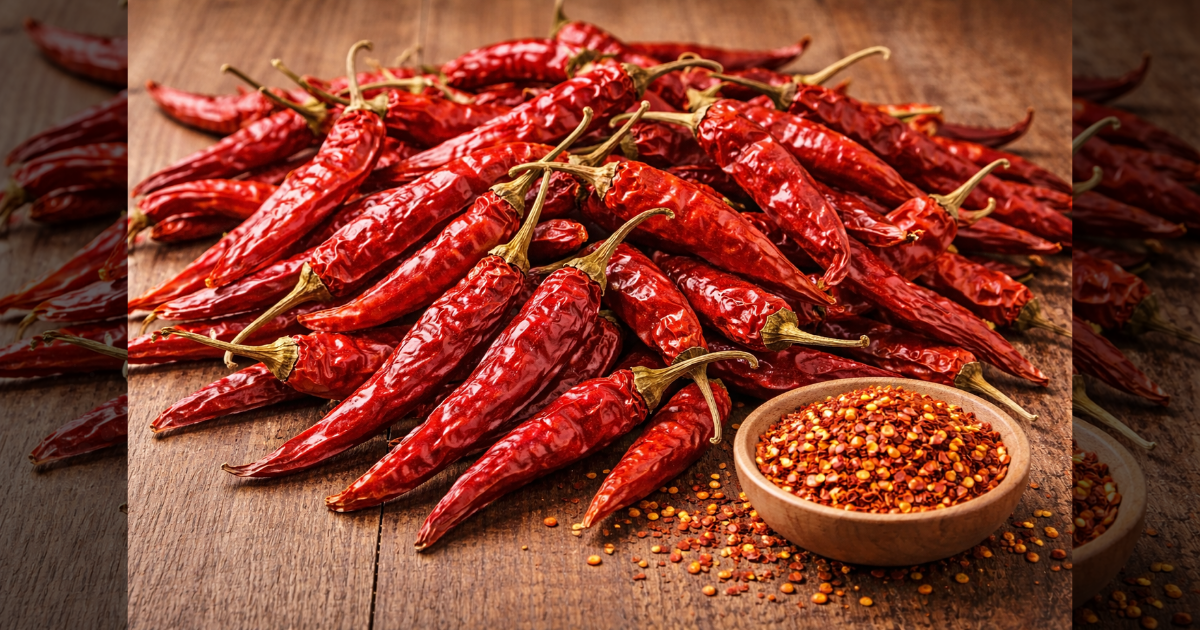
Before diving into recipes, understanding proper handling ensures the best results. Always deseed dry red chillies if you want flavour without overwhelming heat—the seeds concentrate most of the capsaicin. Soaking them in warm water for 10-15 minutes softens the flesh, making them easier to grind into smooth pastes for curries and marinades.
When tempering, add whole red chillies to hot oil and remove them just as they darken—burnt chillies turn bitter and ruin the dish. For powder, dry-roast chillies briefly on low flame to enhance their aroma before grinding. Storage matters too: keep them in airtight containers away from moisture to preserve their potency and prevent mould growth.
Quality sourcing significantly impacts the final taste. Export-grade spices undergo rigorous selection, ensuring uniform drying, vibrant colour, and freedom from contaminants. These standards, often upheld by professionals trained in bsc agriculture programs, guarantee that what reaches your kitchen delivers authentic flavour profiles developed through generations of cultivation expertise.
10 Essential Recipes That Highlight Dry Red Chillies
1. Tadka Dal (Tempered Lentils)
This everyday comfort food showcases the simplest yet most effective use of dry red chillies. Whole chillies are fried in ghee with cumin seeds, releasing their essence into the oil before being poured over cooked lentils. The technique, called tadka or tempering, is fundamental to Indian cooking and demonstrates how minimal ingredients create maximum impact.
2. Andhra Chicken Curry
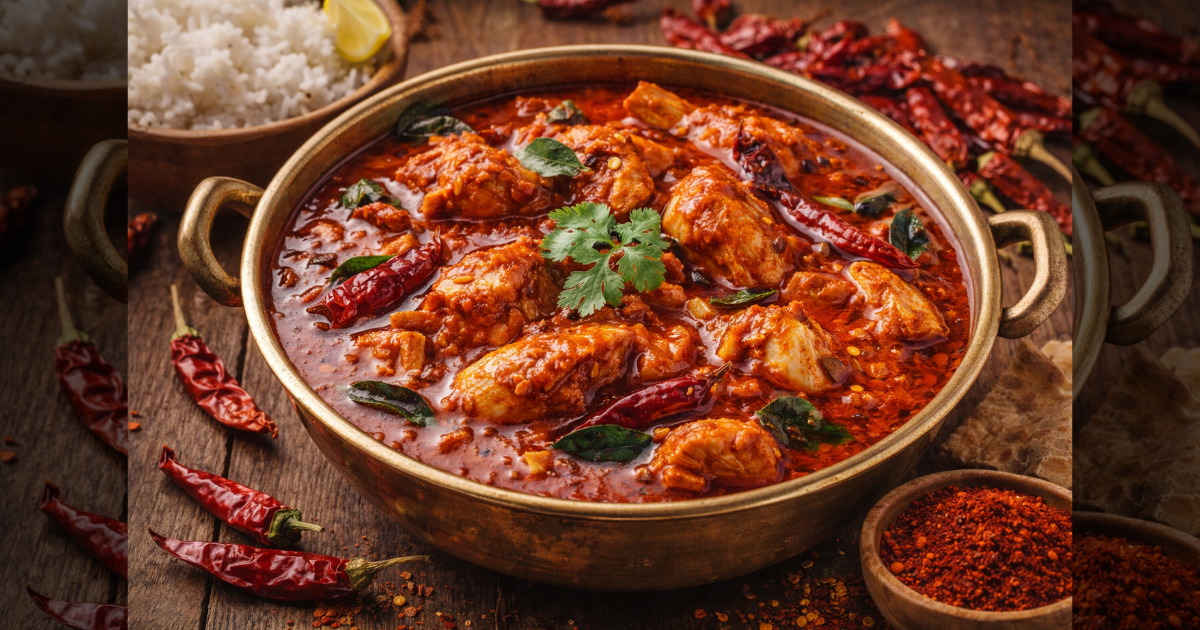
Hailing from India’s spice belt, this fiery curry relies on both whole and powdered dry red chillies. The chillies are dry-roasted with coriander seeds and coconut, then ground into a paste that forms the curry base. The result is a dish with layers of heat, smokiness, and depth that represents traditional Andhra cuisine.
3. Kashmiri Rogan Josh
This iconic Kashmiri dish uses mild Kashmiri red chillies for their brilliant colour and gentle heat. Unlike hotter varieties, these chillies contribute visual appeal and subtle warmth, allowing other spices like fennel and ginger to shine. The recipe reflects how regional agriculture shapes culinary traditions—Kashmir’s cooler climate produces these unique mild chillies.
4. Chettinad Peppercorn Rasam
This South Indian soup combines dry red chillies with black pepper for a throat-clearing, soul-warming brew. The chillies are dry-roasted until fragrant, then ground with tamarind and tomatoes. This recipe demonstrates spice processing techniques that elevate simple ingredients into medicinal comfort food.
5. Hyderabadi Mirchi Ka Salan
Large whole red chillies form the star of this tangy peanut-sesame curry. The chillies are slit, stuffed, and simmered in a spiced gravy, transforming them from seasoning to main ingredient. This dish exemplifies how Indian regional chilli dishes celebrate the pepper itself rather than just its heat.
6. Kerala Thoran (Stir-Fried Vegetables)
Dry red chillies appear in the tempering for this simple vegetable stir-fry, alongside mustard seeds and curry leaves. Broken into small pieces, they distribute gentle heat throughout the dish while coconut adds richness. The recipe reflects Kerala’s coastal agriculture and spice trade heritage.
7. Punjabi Rajma Masala
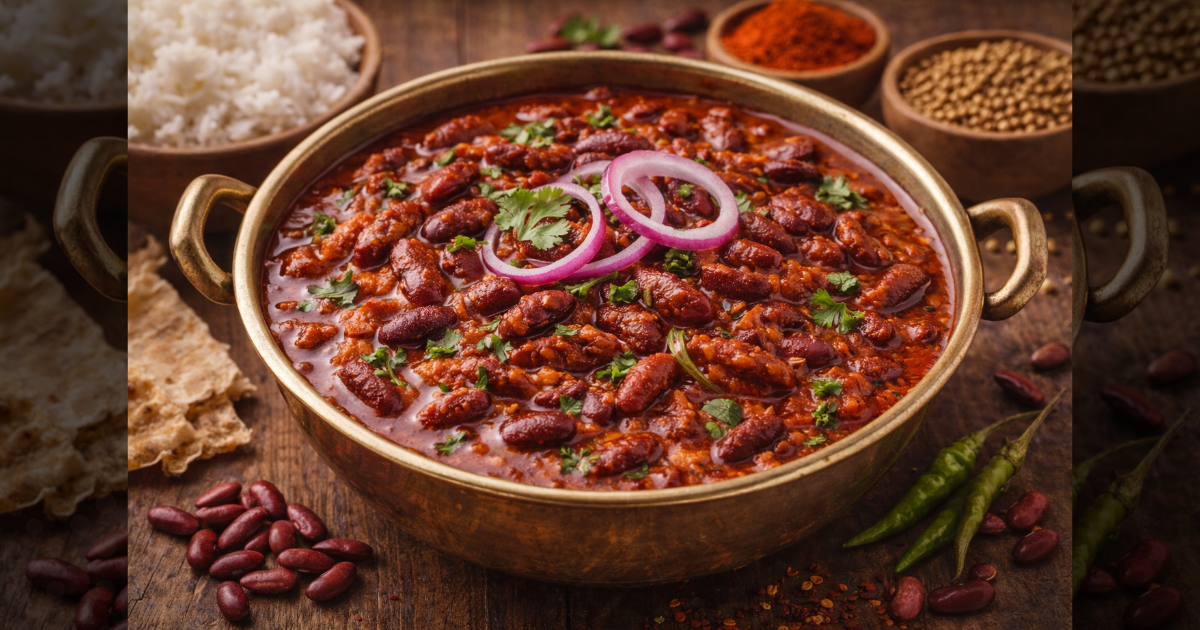
This hearty kidney bean curry uses dry red chilli powder as its heat source, balanced with creamy tomato gravy. The powder blends seamlessly, providing consistent spice throughout rather than concentrated pockets of heat. It’s a staple that connects traditional Indian spice recipes with modern, everyday cooking.
8. Goan Vindaloo
Portuguese influence meets Indian spice expertise in this tangy, fiery curry. Dry red chillies are soaked in vinegar with garlic and ginger, creating a paste that preserves meat while flavouring it intensely. The recipe showcases how culinary uses of dry red chillies extend beyond heat to include preservation and flavour development.
9. Kadai Paneer
Crushed dry red chillies give this restaurant favourite its characteristic texture and appearance. Unlike powder, crushed chillies provide visual interest and varied heat intensity, with some pieces mild and others intensely spicy. The dish demonstrates chilli tempering techniques that professional chefs use to control spice distribution.
10. Tamil Nadu Sambar
This lentil-based vegetable stew uses dry red chillies in its spice blend foundation. Roasted with fenugreek and coriander seeds, the chillies contribute to sambar powder’s complex flavour profile. The recipe represents how spice flavour enhancement through proper roasting transforms individual ingredients into harmonious blends.
Regional Influence of Dry Red Chillies in Indian Cuisine
India’s diverse climates and farming traditions have given rise to numerous red chilli varieties, each with distinct characteristics. Guntur chillies from Andhra Pradesh offer intense heat, while Kashmiri varieties provide vibrant colour with mild warmth. Bydagi chillies from Karnataka balance both qualities, making them popular in South Indian cooking and spice exports.
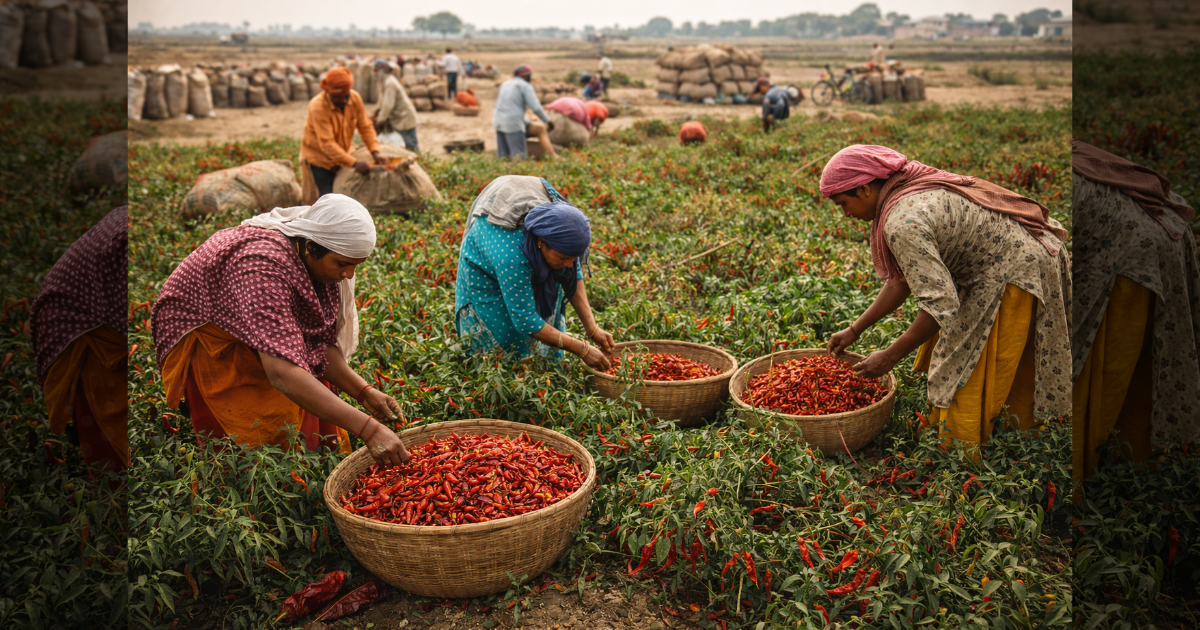
These regional varieties reflect centuries of selective cultivation by farming communities whose knowledge has been passed down through generations. Today, sustainable agriculture practices ensure these heritage varieties thrive while meeting global quality standards. The connection between soil quality, climate, and chilli characteristics demonstrates why origin matters in premium spice sourcing.
How Quality Sourcing Impacts Taste and Aroma
The journey from farm to kitchen profoundly affects the final dish. Export-grade dry red chillies undergo careful selection for size, colour uniformity, and dryness levels. Proper sun-drying preserves essential oils while preventing mould, ensuring the chillies retain their aromatic compounds and vibrant appearance.
Professional agribusiness operations employ trained specialists who understand spice processing nuances. From harvest timing to storage conditions, each step influences the final product’s quality. This expertise, often developed through formal bsc agriculture education combined with practical experience, separates commodity-grade spices from premium offerings that discerning chefs and home cooks seek.
Traceability has become increasingly important in the global spice trade. Knowing the chilli variety, growing region, and processing methods allows cooks to select the perfect type for specific recipes, much like choosing wine varietals for different occasions.
Role of Traditional Spice Usage in Modern Kitchens
Contemporary Indian cooking increasingly values authenticity, driving renewed interest in traditional spice techniques. Home cooks and professional chefs alike are rediscovering the art of whole spice tempering, spice blend grinding, and variety-specific usage that their grandmothers practiced instinctively.
This revival connects modern kitchens to agricultural heritage. Understanding why certain recipes call for specific chilli types deepens appreciation for the farmers who cultivate them and the sustainable agriculture methods that preserve these varieties for future generations. It transforms cooking from following recipes to participating in cultural preservation.
Growing Global Appreciation for Indian Chilli-Based Dishes
International interest in Indian cuisine has brought dry red chillies to global prominence. Restaurants worldwide now feature authentic Indian regional chilli dishes, while home cooks seek genuine ingredients for their experiments. This demand has strengthened India’s position as a leading spice exporter, with dry red chillies among the top exported varieties.
The farm-to-kitchen spice journey has become a selling point, with consumers increasingly interested in sourcing transparency. Quality red chilli varieties command premium prices in international markets, benefiting farmers who invest in sustainable cultivation and proper processing infrastructure.
Connection Between Recipes, Farming, and Spice Trade
Every recipe carries within it the story of agricultural expertise, processing knowledge, and trade networks. When you add whole dry red chillies to hot oil, you’re employing a technique refined over centuries by cooks who understood how to maximize flavour from locally grown ingredients. The agribusiness infrastructure that brings these chillies from rural farms to urban markets enables this culinary continuity.
Modern spice companies bridge traditional farming communities and global consumers, ensuring quality standards while supporting rural livelihoods. This ecosystem depends on professionals with expertise in both agricultural science and market dynamics—knowledge often gained through bsc agriculture programs that combine theoretical understanding with practical field experience.
How Vipra Overseas Supports Global Spice Trade
Vipra Overseas plays a vital role in connecting Indian agricultural excellence with international markets. Specializing in export of premium agro products, the company ensures that traditional quality meets modern food safety standards. Their product range includes fresh fruits, fresh vegetables, beans, frozen products, spices, and grains—each category representing India’s agricultural diversity.
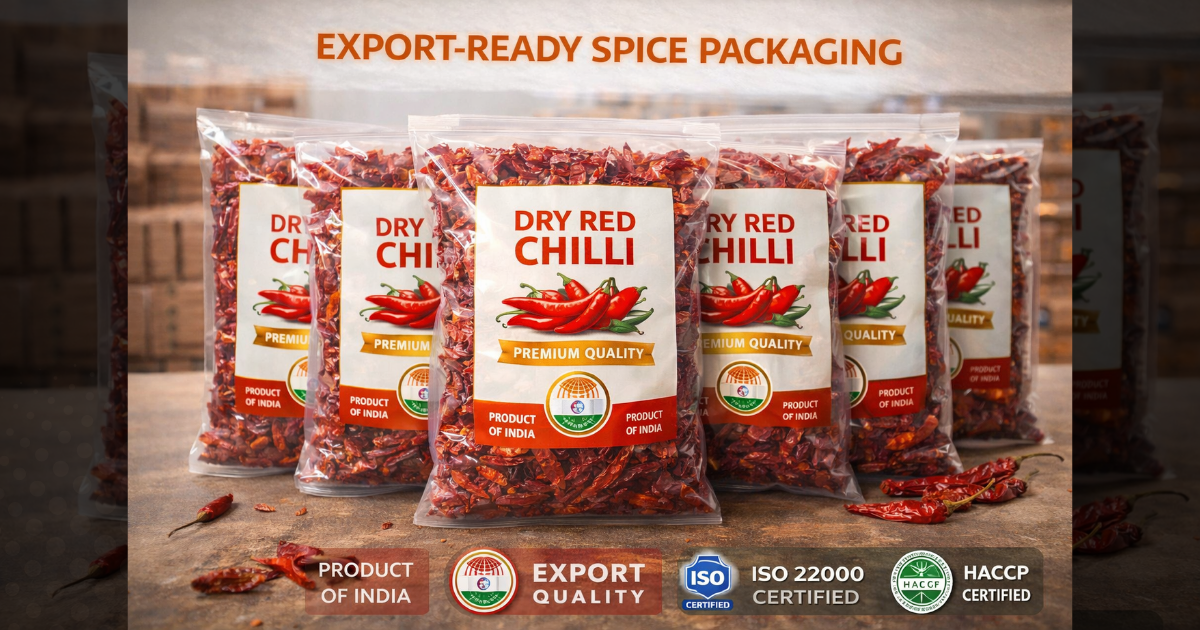
For dry red chillies specifically, Vipra Overseas maintains strict quality control throughout sourcing, processing, and packaging. By working directly with farming communities and employing sustainable agriculture practices, they ensure consistent supply of export-grade spices that meet international certification requirements. This commitment to quality helps preserve India’s reputation as a premium spice supplier while supporting rural economies.
Their expertise in cold chain management for frozen products and quality preservation for spices ensures that products retain their authentic characteristics during international transit. This technical capability, combined with deep understanding of global market requirements, positions them as a trusted partner for businesses seeking reliable Indian agro product suppliers.
Celebrating Dry Red Chillies Through Timeless Recipes
Dry red chillies represent more than just heat—they embody the complexity of Indian cuisine and the agricultural heritage that sustains it. From simple dal tadka to elaborate vindaloos, these ten essential recipes demonstrate the versatility and depth that quality chillies bring to cooking. Each dish tells a story of regional traditions, farming expertise, and culinary innovation spanning generations.
As global appreciation for authentic Indian flavours grows, so does the importance of sourcing genuine, quality ingredients. Whether you’re a home cook exploring traditional recipes or a professional chef seeking premium supplies, understanding the connection between cultivation, processing, and flavour enriches every dish you create. These recipes invite you to experience that connection, one aromatic, flavourful bite at a time.