
When you bite into a fiery curry or feel that familiar burn from a chilli-laden dish, you’re experiencing the remarkable chemistry of capsaicin. This powerful compound defines not just the heat level of dry red chillies, but also their value in kitchens and markets worldwide. Understanding capsaicin helps us appreciate why certain chillies command premium prices, how farming techniques influence pungency, and what makes Indian red chillies distinct in the global spice trade.
The Science Behind the Heat
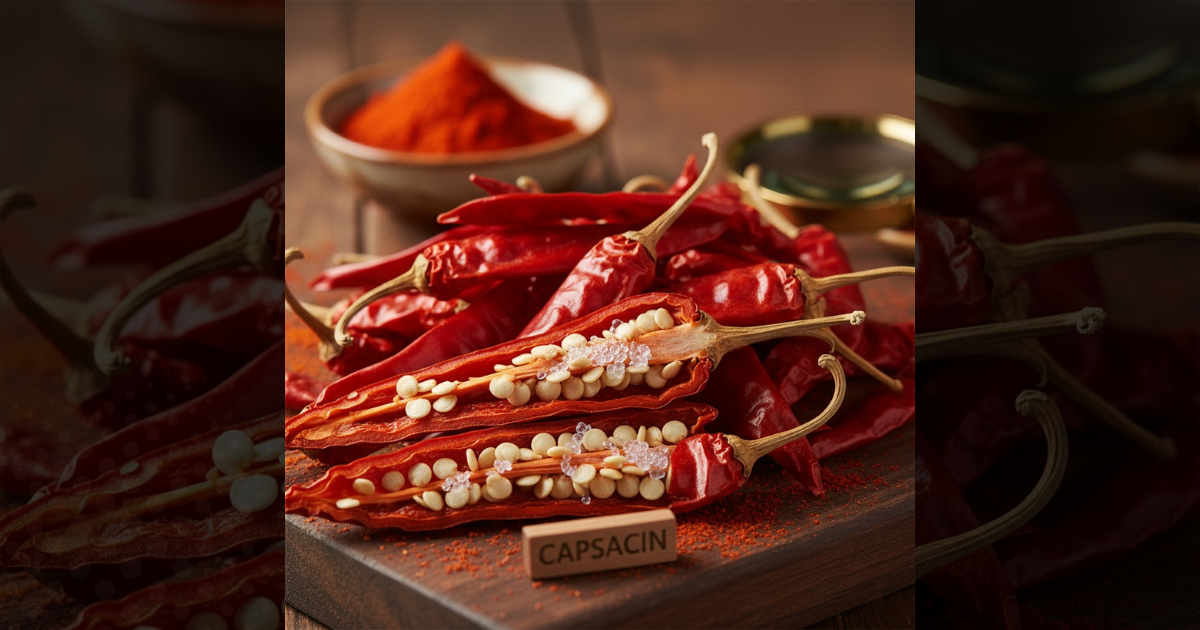
Capsaicin belongs to a group of compounds called capsaicinoids, found primarily in the placental tissue of chilli peppers—the white membrane where seeds attach. When capsaicin molecules contact pain receptors in your mouth, they trigger the same neural response as actual heat, creating that burning sensation we associate with spicy food.
What makes capsaicin fascinating from a food science perspective is its stability. Unlike many volatile flavour compounds that degrade during cooking, capsaicin withstands high temperatures and long storage periods. This resilience explains why dry red chillies retain their punch for months, making them ideal for export and long-distance trade.
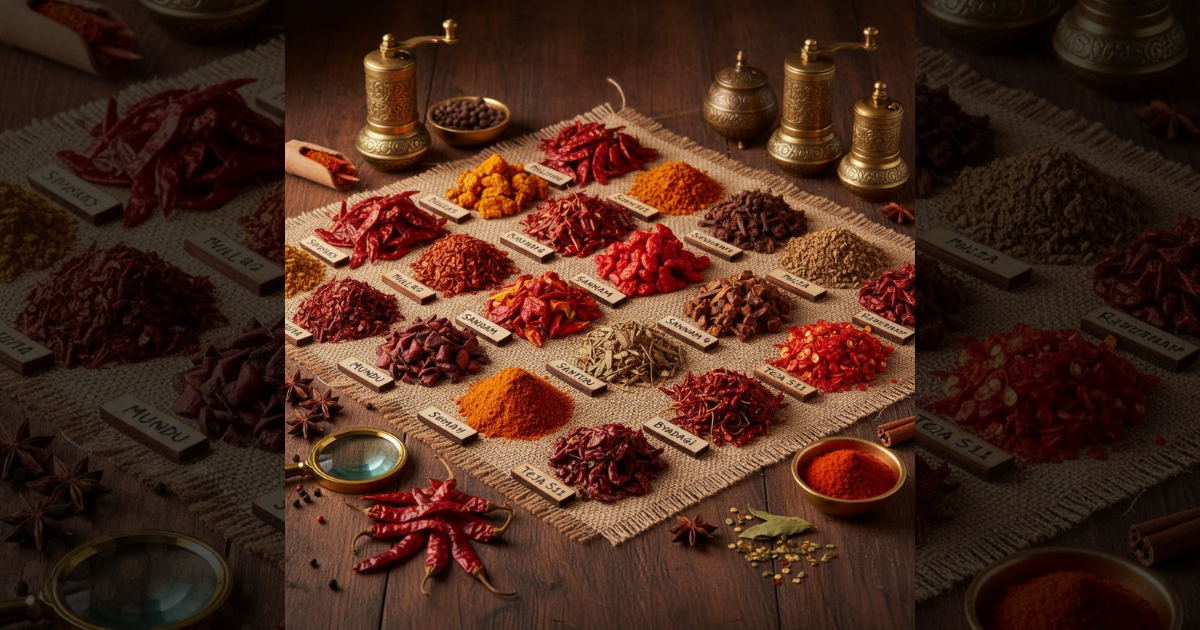
The concentration of capsaicin in dry red chillies varies dramatically by variety. Byadgi chillies from Karnataka typically measure between 8,000 and 15,000 Scoville Heat Units (SHU), offering moderate heat with deep colour. In contrast, Guntur chillies from Andhra Pradesh can reach 30,000 to 40,000 SHU, delivering intense pungency that appeals to specific market segments.
How Growing Conditions Shape Capsaicin Levels
The capsaicin content in red chillies isn’t predetermined by genetics alone. Environmental stress during cultivation plays a crucial role in determining final heat levels. Chilli plants produce more capsaicin when exposed to moderate water stress, higher temperatures, and increased sunlight—nature’s defence mechanism against pests and herbivores.
This agricultural reality has significant implications for spice quality. Farmers employing regenerative farming methods often report more consistent capsaicin levels across harvests. By focusing on soil health, natural pest management, and water conservation, regenerative farming creates growing conditions that support robust capsaicin development without synthetic interventions.
Modern chilli cultivation increasingly relies on specialized farm equipment for sale that helps maintain optimal growing conditions. Drip irrigation systems, for instance, allow precise water management that can influence capsaicin concentration. Mechanical harvesters reduce labour costs while ensuring timely picking—critical because capsaicin levels peak when fruits reach full maturity.
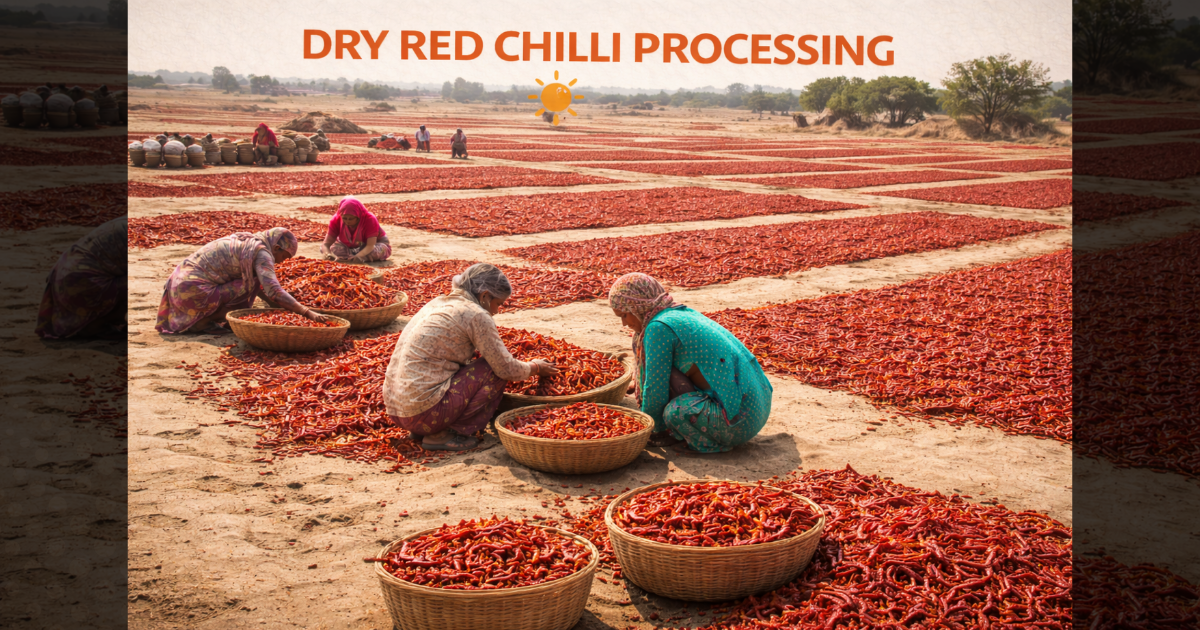
The relationship between farming practices and compound development extends beyond field management. Post-harvest processing significantly affects capsaicin retention. Sun-drying, the traditional method for red chillies in India, preserves capsaicinoids effectively while reducing moisture to safe storage levels. Industrial hot-air drying offers speed but requires careful temperature control to prevent capsaicin degradation.
Culinary Impact and Kitchen Chemistry
Chefs and home cooks who understand capsaicin work more effectively with chillies. Since capsaicin is fat-soluble but not water-soluble, it explains why cold water does little to relieve chilli burn, while dairy products provide immediate relief. This property also means capsaicin transfers readily into cooking oils, forming the base of many spice-forward cuisines.
The heat perception from capsaicin isn’t one-dimensional. Different capsaicinoid ratios create distinct sensations—some chillies produce immediate front-of-mouth heat, while others build gradually with lingering warmth. Experienced spice blenders consider these characteristics when formulating curry powders and masalas for specific regional preferences.
Capsaicin’s influence extends to food preservation. Its antimicrobial properties have made chillies valuable in hot climates where spices help extend food shelf life. This practical benefit drove the historical spread of chilli cultivation across tropical and subtropical regions following their introduction from the Americas.
Health Perspectives on Capsaicin
Modern research has identified multiple physiological effects of capsaicin beyond the obvious burning sensation. Studies suggest capsaicin may boost metabolism temporarily, support cardiovascular health, and provide pain relief when applied topically. However, tolerance varies significantly among individuals and populations with different dietary traditions.
People regularly consuming capsaicin-rich foods develop reduced sensitivity over time as their pain receptors become less responsive. This adaptation explains why individuals from chilli-consuming cultures often handle heat levels that seem extreme to others. The health effects of capsaicin continue to interest researchers, though most findings suggest moderate consumption as part of balanced diets offers the most benefit.
The Export Trade Perspective
For international spice buyers, capsaicin levels represent a critical quality parameter. Import specifications often include minimum pungency requirements measured in Scoville units or through chemical analysis. An agriculture website serving the export sector typically provides detailed specifications including capsaicin content alongside colour value and moisture levels.
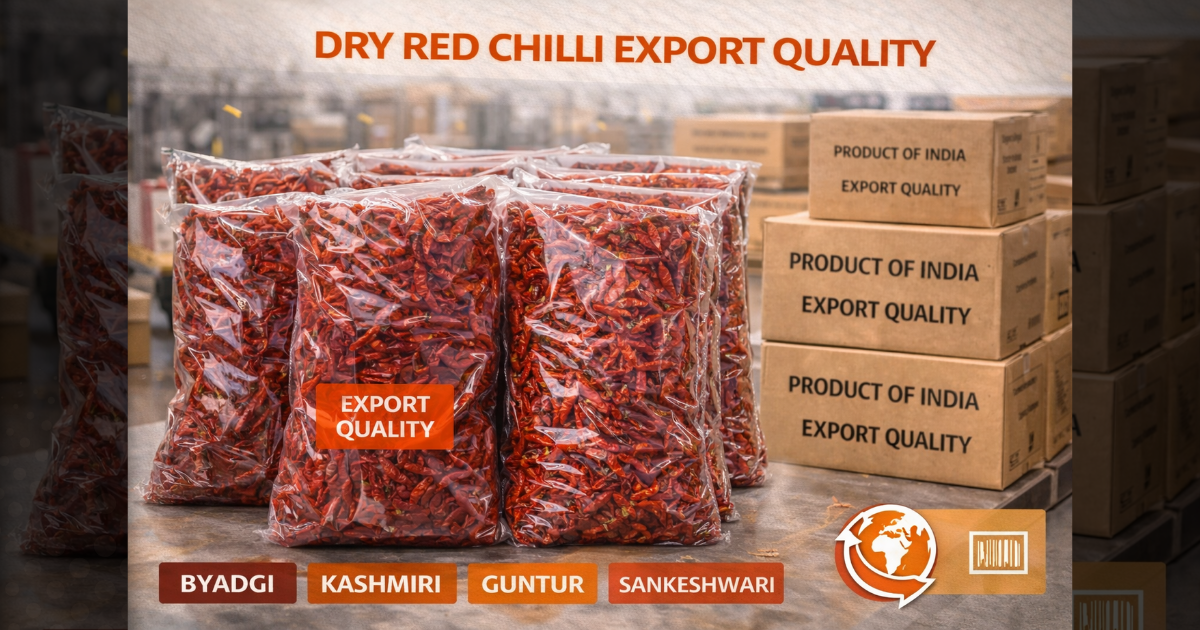
Indian dry red chilli exports compete on both heat and colour. Understanding that some global markets prioritize vibrant red appearance while others demand maximum pungency helps exporters match varieties to buyer requirements. This market intelligence separates successful spice traders from those struggling to establish reliable international channels.
Processing consistency matters enormously in maintaining capsaicin standards. Exporters investing in regenerative farming partnerships often achieve more predictable heat levels, as healthier soils produce more uniform crops. This consistency reduces rejection rates and strengthens long-term buyer relationships.
Vipra Overseas: Connecting Quality to Global Markets
Understanding capsaicin’s role in dry red chilli quality has positioned companies like Vipra Overseas as trusted partners in the agro-export sector. With deep knowledge of spice characteristics and international quality standards, Vipra Overseas facilitates exports of premium agricultural products including fresh fruits, fresh vegetables, beans, frozen products, spices, and grains.
Their expertise extends beyond simple trading to include guidance on optimal harvesting times for maximum capsaicin retention, appropriate processing methods for different chilli varieties, and matching specific heat profiles to buyer requirements across diverse international markets. This comprehensive approach ensures that capsaicin-rich dry red chillies reach customers who value their distinct characteristics.
By maintaining relationships with farmers committed to quality cultivation—including those adopting regenerative farming techniques—Vipra Overseas supports sustainable practices while meeting the exacting standards of global buyers. Their agriculture website provides detailed product specifications, allowing international customers to make informed purchasing decisions based on capsaicin content and other quality parameters.
Respecting the Power in Your Kitchen
Capsaicin represents more than just heat—it embodies the complex relationship between plant chemistry, agricultural practice, culinary tradition, and international commerce. Every dried chilli carries the story of growing conditions, farming decisions, and processing choices that determined its final pungency.
Whether you’re a home cook adjusting heat levels in family recipes, a restaurant chef crafting signature spice blends, or an importer specifying requirements for container loads, understanding capsaicin helps you make better decisions. The burning sensation that seems so simple actually reflects sophisticated biochemistry shaped by soil quality, climate, harvesting timing, and drying methods.
As global demand for authentic flavours grows, knowledge about capsaicin and its development in dry red chillies becomes increasingly valuable. This compound, evolved as a plant defence mechanism, now drives agricultural livelihoods, shapes culinary traditions, and satisfies the human appetite for foods that challenge our taste receptors. Respecting capsaicin’s power means appreciating the entire chain from farm equipment selection to final export—a journey that transforms sun-ripened chillies into one of the world’s most traded and treasured spices.