
Dry red chillies have been the backbone of Indian cuisine for centuries, transforming simple ingredients into flavor-packed dishes that awaken the palate. Beyond their culinary importance, these fiery pods represent a significant agricultural commodity in global spice trade, connecting farmers from rural India to kitchens across continents. Whether you’re a home cook, a chef, or someone interested in the spice industry, understanding dry red chillies opens up a world of flavor, nutrition, and economic opportunity.
The Global Significance of Dry Red Chillies
India stands as the world’s largest producer, consumer, and exporter of dry red chillies, contributing nearly 25% of global production. These sun-dried peppers carry cultural significance in Indian households while simultaneously serving as essential ingredients in international cuisines—from Mexican salsas to Korean kimchi. The vibrant red color, intense heat levels, and complex flavor profiles make them irreplaceable in both traditional and modern cooking.
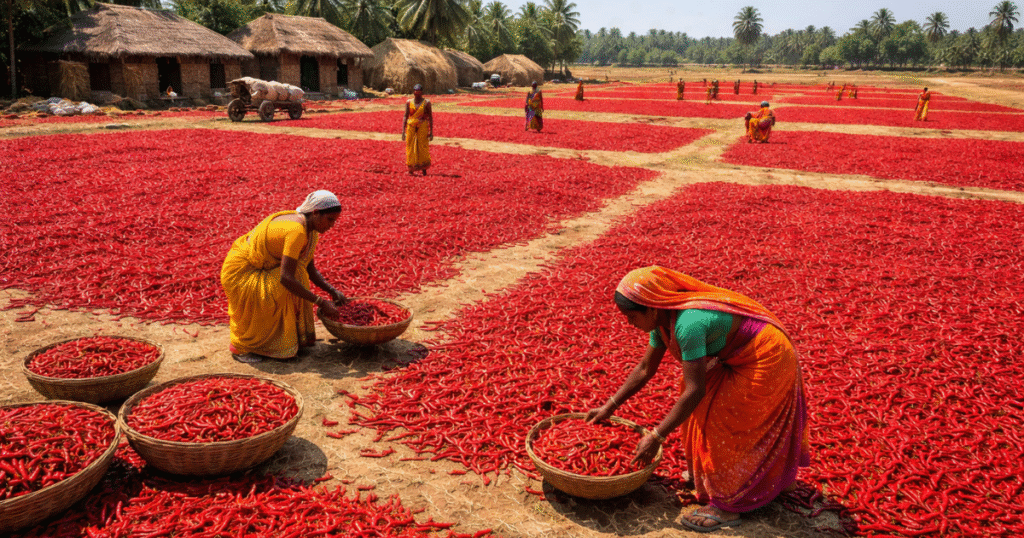
The journey from green chilli to dried red pod involves careful harvesting, sun-drying, and processing that preserves the capsaicin content while extending shelf life significantly. This transformation makes dry red chillies a practical choice for year-round use, unlike fresh produce that perishes quickly.
Popular Indian Dry Red Chilli Varieties
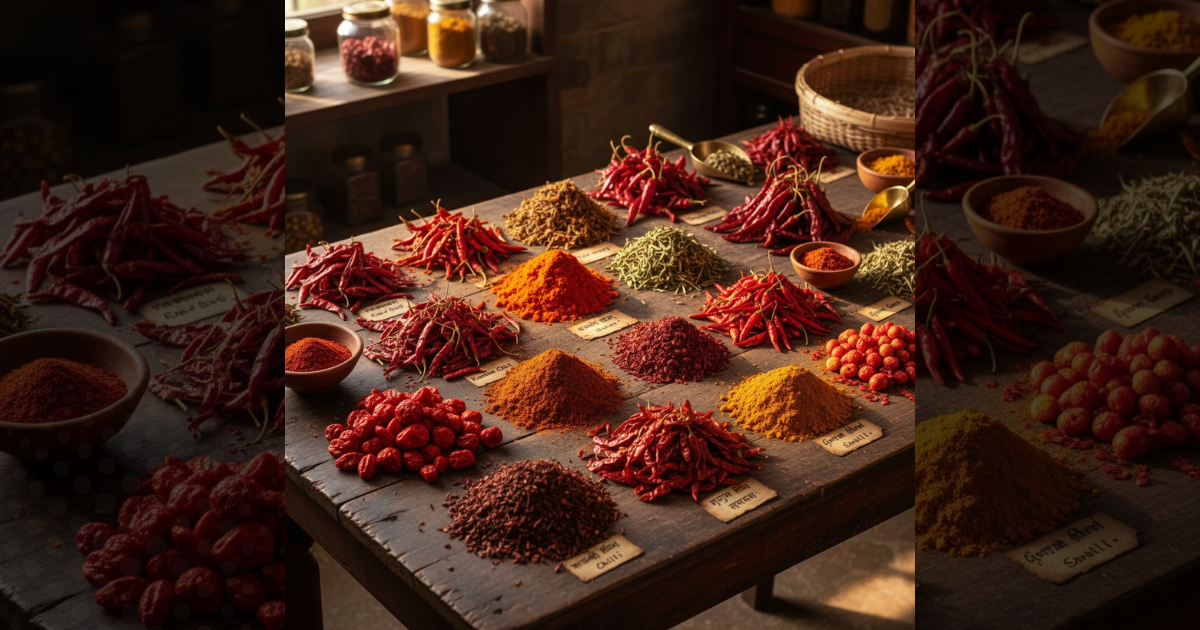
India cultivates numerous varieties, each with distinct heat levels, color intensity, and flavor characteristics:
Kashmiri Chillies are prized for their brilliant red hue and mild heat, perfect for dishes requiring color without overwhelming spiciness. They’re extensively used in Mughlai and North Indian preparations.
Guntur Chillies from Andhra Pradesh pack serious heat and robust flavor, making them ideal for pickles, chutneys, and spicy curries. This variety dominates both domestic and international markets.
Byadgi Chillies from Karnataka offer a balance between color and moderate heat, popular in South Indian cuisine and increasingly sought after in global markets.
Teja Chillies are known for their wrinkled appearance and high capsaicin content, delivering intense spiciness that appeals to heat enthusiasts.
Each variety serves different culinary purposes, and understanding these distinctions helps in selecting the right type for specific dishes.
Culinary Applications Across Cuisines
Dry red chillies demonstrate remarkable versatility in cooking applications. They can be used whole in tempering (tadka), ground into powder for masalas, or rehydrated for paste-based gravies. In Indian cooking, whole red chillies release their essential oils when tempered in hot oil, infusing dishes with depth and warmth.
International cuisines embrace dry red chillies differently. Thai cooking incorporates them into curry pastes, while Chinese cuisine uses them in stir-fries and Sichuan preparations. Mexican cooking relies on various dried chilli varieties for moles and salsas, though Indian varieties have started gaining popularity in these applications.
The heat level can be controlled by removing seeds before use, making these chillies adaptable for different spice tolerances. Toasting them lightly before grinding enhances their aromatic qualities, creating richer, more complex flavors in final dishes.
Nutritional Profile and Traditional Health Insights
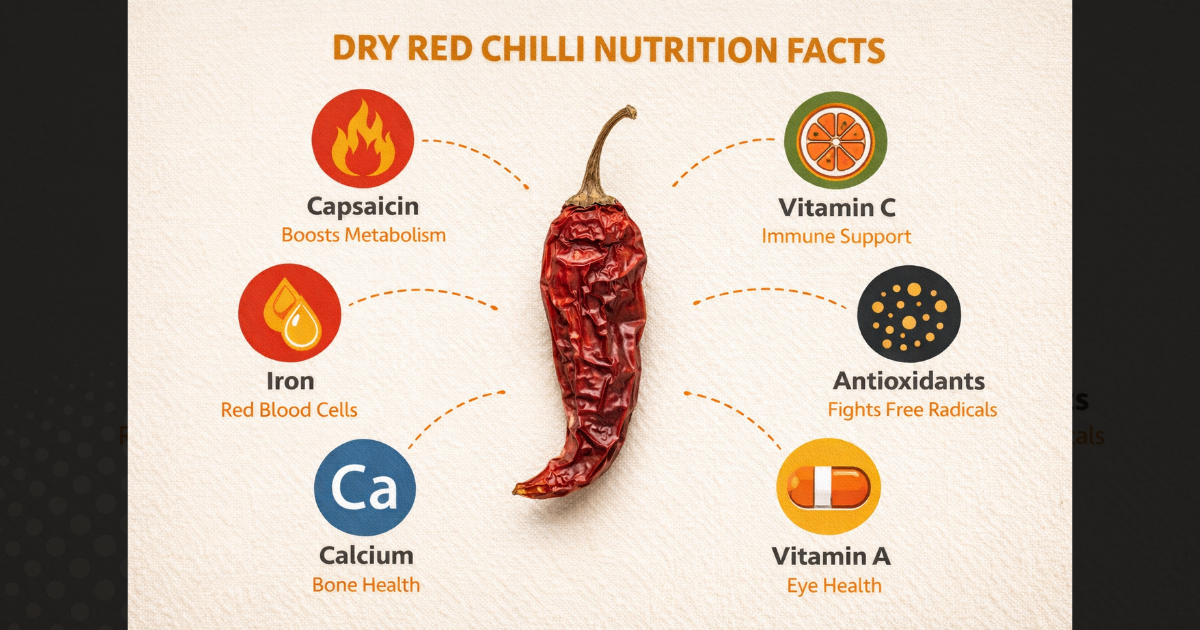
Beyond flavor, dry red chillies offer impressive nutritional benefits. They’re rich in Vitamin C, Vitamin A, and antioxidants that support immune function and cellular health. The capsaicin compound responsible for their heat has been studied for potential metabolism-boosting properties and pain relief applications.
Traditional Indian medicine systems like Ayurveda recognize dry red chillies for their warming properties and digestive benefits. They’re believed to stimulate digestive enzymes and improve nutrient absorption when consumed in moderation. The antimicrobial properties of capsaicin have made chillies valuable for food preservation throughout history.
Moderate consumption may support cardiovascular health by promoting healthy blood circulation. However, individuals with sensitive digestive systems should consume them cautiously and consult healthcare providers if concerns arise.
Processing, Storage, and Shelf-Life Advantages
The processing of dry red chillies begins with selecting fully mature, red peppers at peak ripeness. Sun-drying remains the traditional method in India, where chillies are spread on clean surfaces under direct sunlight for 7-15 days, depending on weather conditions and variety.
Modern facilities also employ mechanical dryers that maintain consistent temperatures, ensuring uniform drying and preventing mold growth. Properly dried chillies should snap cleanly when bent, indicating moisture content below 10%, which is crucial for long-term storage.
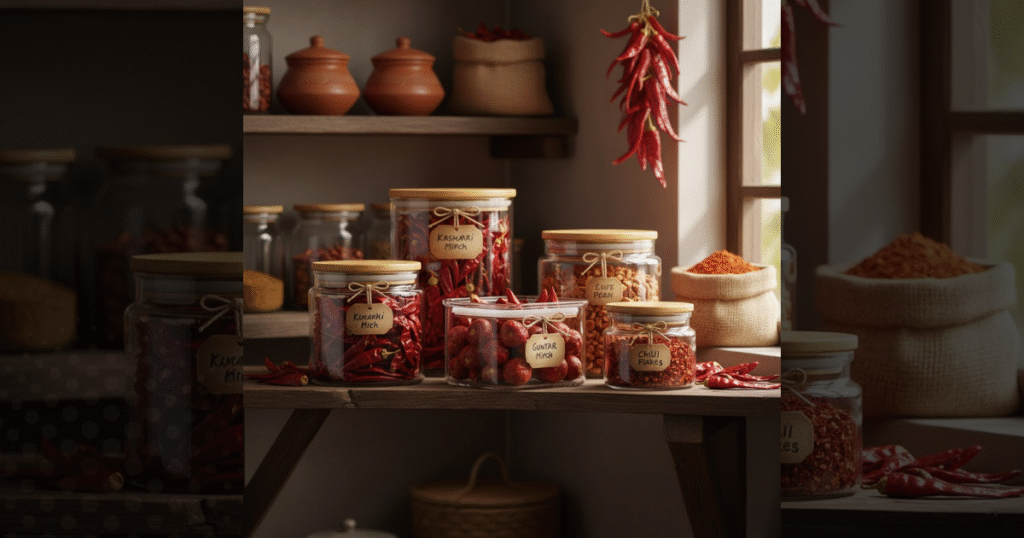
Storage practices significantly impact quality retention. Dry red chillies should be kept in airtight containers away from moisture, direct sunlight, and strong odors. When stored correctly, they maintain potency and flavor for 12-18 months, far exceeding the shelf life of fresh produce including many fruits and vegetables that require refrigeration or immediate consumption.
This extended shelf life makes dry red chillies economically advantageous for both households and commercial establishments, reducing waste and ensuring consistent availability regardless of seasonal variations affecting fresh fruits & veges.
Growing Global Demand and Export Trends
The international appetite for Indian dry red chillies continues expanding as global consumers discover authentic ethnic cuisines and seek natural spice alternatives to artificial flavorings. Markets in the Middle East, Southeast Asia, Europe, and North America show consistent growth in importing Indian chilli varieties.
Quality parameters for export markets include color value (measured in ASTA units), capsaicin content, moisture levels, and absence of aflatoxins and pesticide residues. Indian exporters invest in modern testing facilities and certifications to meet international food safety standards.
The rise of plant-based diets and clean-label food products has further boosted demand, as dry red chillies offer natural flavor enhancement without synthetic additives. This trend parallels the growing interest in authentic spices alongside increased consumption of fruits and vegetables fruits and vegetables in health-conscious markets worldwide.
Quality Factors in Domestic and Export Markets
Several parameters determine the commercial value of dry red chillies. Color intensity remains paramount, particularly for varieties like Kashmiri chillies where visual appeal drives premium pricing. The capsaicin concentration determines heat levels, measured in Scoville Heat Units (SHU), helping buyers select appropriate varieties for their needs.
Physical characteristics matter significantly—uniform size, intact stems, absence of discoloration, and freedom from insect damage indicate superior quality. Moisture content verification prevents mold development during transportation and storage, especially important for long-distance export shipments.
Certification standards like FSSAI (Food Safety and Standards Authority of India), Spice Board certifications, and organic credentials add value in competitive markets. Traceability from farm to export container has become increasingly important as consumers demand transparency about food origins.

How Vipra Overseas Supports Global Agro Exports
Vipra Overseas has established itself as a trusted name in agricultural exports, connecting Indian farmers and processors with international buyers seeking premium quality products. The company specializes in exporting a diverse range of products including dry red chillies and other essential spices that bring authentic Indian flavors to global kitchens.
Beyond spices, Vipra Overseas handles fresh fruits that meet international quality standards, ensuring optimal ripeness and careful packaging for long-distance transportation. Their fresh vegetables portfolio includes both common and specialty varieties grown in India’s diverse agricultural regions.
The company exports beans of various types—from pulses to green beans—meeting the protein needs of health-conscious consumers worldwide. Their frozen products range maintains nutritional value while offering convenience to modern households and food service establishments.
Grains form another crucial category in Vipra Overseas’s export operations, supplying staple foods to markets across different continents. The company’s comprehensive quality control measures, proper documentation handling, and reliable logistics network ensure that products reach international destinations in optimal condition.
By working with Vipra Overseas, international buyers gain access to India’s rich agricultural diversity, including premium dry red chillies sourced from specialized growing regions. The company’s commitment to quality and customer service has built long-term relationships with clients who value consistency and reliability in their supply chains.
The Timeless Appeal of Dry Red Chillies
Dry red chillies occupy a unique position in global cuisine—simultaneously ancient and contemporary, traditional yet innovative in application. Their ability to transform simple ingredients into memorable dishes ensures their continued relevance in evolving culinary landscapes. As interest grows in authentic ethnic cooking and natural ingredients, these vibrant pods connect heritage with modern food trends.
The economic importance of dry red chillies extends from smallholder farmers in rural India to sophisticated international markets demanding quality and consistency. Understanding their varieties, proper usage, nutritional benefits, and quality parameters empowers consumers to make informed choices while appreciating the complexity behind these seemingly simple ingredients.
Whether adding a pinch of heat to everyday cooking or exploring regional specialty varieties, dry red chillies continue enriching our food experiences while supporting agricultural communities and international trade relationships that span the globe.