
Green Chilli and Its Uses
A small ingredient with a strong identity
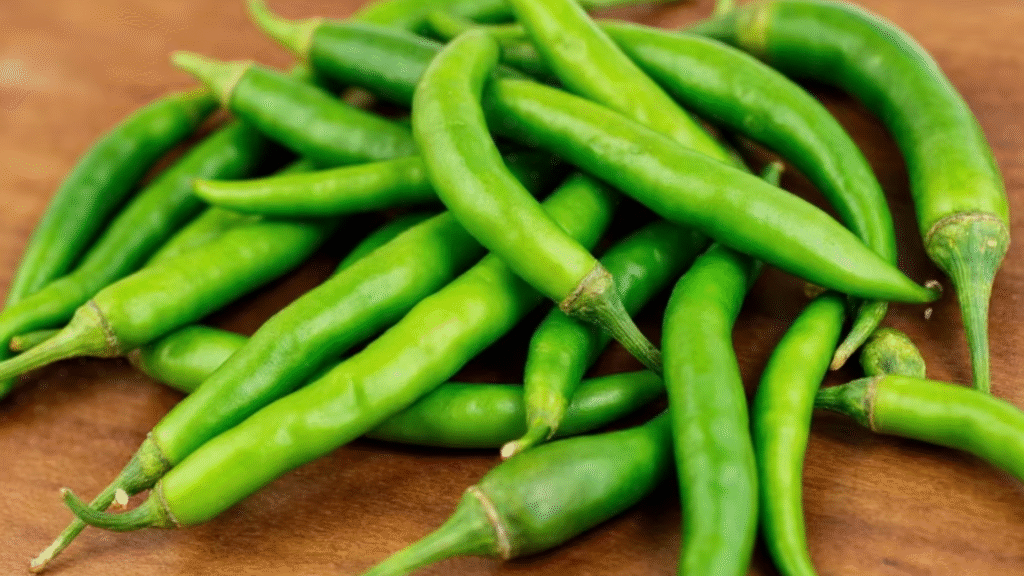 Green chilli is one of the most recognisable ingredients in everyday cooking. Though small in size, it carries a sharp flavour that can completely change the character of a dish. In many households, meals are considered incomplete without the presence of green chilli, whether it is added whole, chopped, or ground.
Across regions, green chilli is valued not only for heat but also for the freshness it brings to food. It sits comfortably alongside all vegetables, blends well with indian vegetables, and pairs naturally with different fruits in salads and chutneys. This flexibility has made green chilli an essential part of kitchens for generations.
Green chilli in daily cooking
Green chilli is used in countless ways during cooking. It is often added at the beginning of a recipe when oil is heated, allowing its aroma to release slowly. This method builds a flavour  base for vegetables, lentils, and curries.
Many cooks prefer green chilli over dried varieties because it offers a cleaner and fresher heat. It enhances taste without overpowering other ingredients. In stir-fries, gravies, and dry dishes, green chilli adds sharpness that balances spices and soil
Use of green chilli in raw preparations
Green chilli is not limited to cooked food. It is widely used raw in salads, chutneys, and garnishes. Finely chopped green chilli adds crunch and intensity to fresh 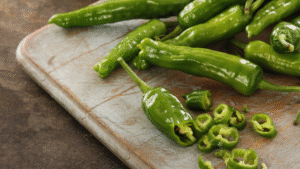 vegetable salads. In chutneys, it blends with herbs, coconut, or spices to create bold flavours.
Some people enjoy green chilli with fruits such as raw mango or citrus-based preparations. This combination of heat and tang creates a refreshing taste that is popular in many regions. Such uses show how green chilli works well beyond traditional cooking methods.
Importance in regional cuisines
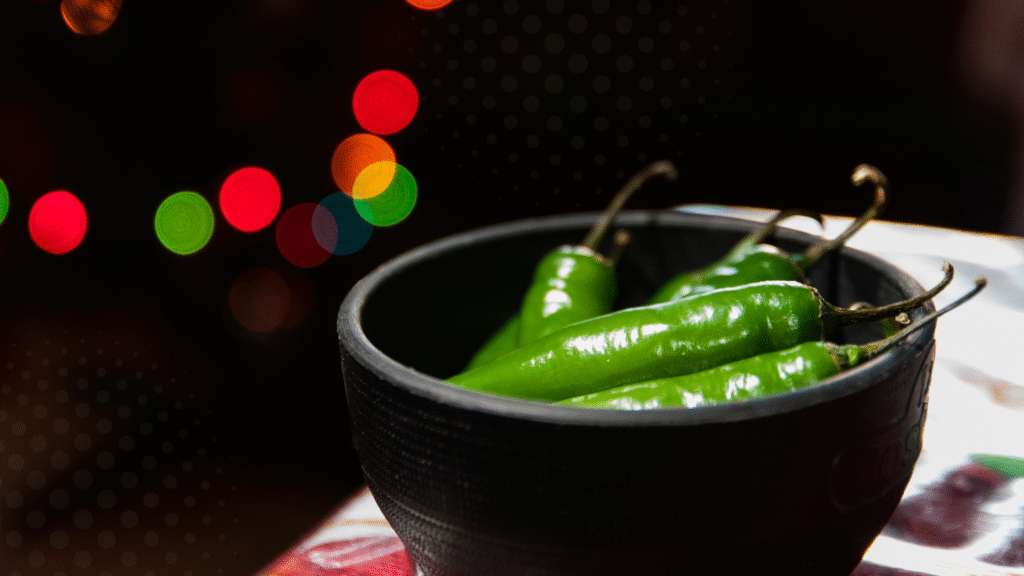 Different regions use green chilli in their own way. In some areas, milder varieties are chosen for everyday meals, while sharper types are used for pickles and spice pastes. Street food vendors rely heavily on green chilli to balance sweet, salty, and sour flavours.
In south Indian cooking, green chilli is often used with curry leaves and mustard seeds. In northern regions, it is commonly paired with ginger and garlic. Despite these variations, green chilli remains a shared ingredient across cuisines.
Nutritional value in small amounts
Green chilli contains vitamins such as vitamin C and vitamin A. Though it is used in small quantities, regular inclusion adds nutritional value to meals. It is also 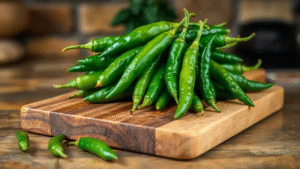 low in calories, making it suitable for daily use.
The natural compound responsible for heat gives green chilli its strong character. When consumed in moderation, it is commonly believed to support digestion and appetite. This is one reason green chilli has remained part of traditional diets for so long.
Role in traditional food habits
Green chilli has always been part of simple, home-style cooking. In earlier times, it was often grown in backyard gardens, making it easily available. Families learned how to adjust quantity based on taste 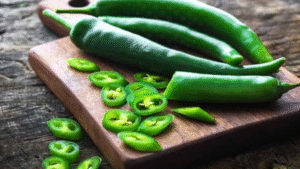 and tolerance, passing this knowledge across generations.
Its long shelf life when stored properly and ease of use made green chilli a practical choice. Even today, it remains a staple ingredient because it requires minimal preparation and offers maximum impact.
Cultivation and farming journey
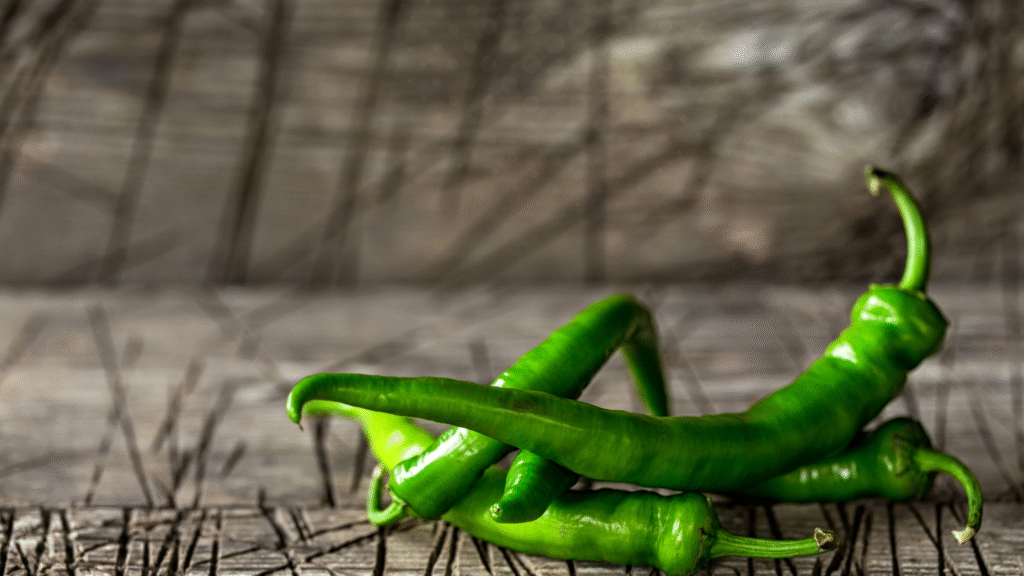 Green chilli grows well in warm climates with good sunlight and well-drained soil. Farmers carefully monitor watering and pest control to maintain quality. Harvesting is usually done by hand to avoid damage, which helps keep the pods fresh.
Many small and medium farms rely on green chilli as a steady source of income. Its regular demand in local and international markets makes it an important crop within vegetable farming systems.
Side effects and moderation
While green chilli adds flavour and freshness, consuming too much may cause discomfort for some people. Excess intake can lead to irritation or acidity, especially for those with sensitive digestion. 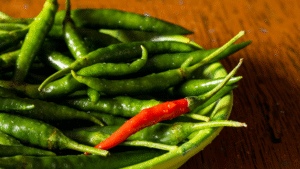 Cooking green chilli reduces its sharpness, making it easier to consume.
Using green chilli in balanced amounts allows people to enjoy its benefits without unwanted effects. As with most ingredients, moderation is key.
Green chilli in global trade
Green chilli is widely traded in fresh and processed forms. Export-quality produce must meet standards related to size, colour, and freshness. Proper 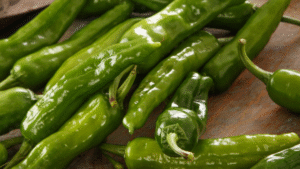 packaging and storage help maintain quality during transport.
As demand for fresh produce grows internationally, green chilli continues to find a place in global markets. Its ability to retain flavour and appearance makes it suitable for export when handled correctly.
How Vipra Overseas supports agro exports
 Reliable export partners help bridge the gap between farms and global buyers. Vipra Overseas plays an important role in supporting the export of agricultural produce from India.
Their export portfolio includes fresh fruits, fresh vegetables, beans, frozen products, spices, and grains. By focusing on quality checks, careful packaging, and efficient logistics, Vipra Overseas helps ensure that products like green chilli reach international markets in good condition. This support allows farmers to focus on cultivation while buyers receive produce that meets their expectations.
A simple ingredient with lasting value
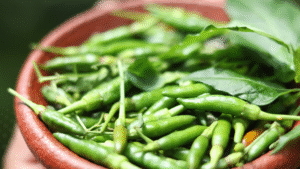 Green chilli continues to be relevant because it adapts easily to changing food habits. It works well with traditional recipes and modern dishes alike. From simple home meals to large-scale food preparation, its role remains unchanged.
This small ingredient connects farms, kitchens, and markets through its everyday use. Green chilli proves that even the simplest vegetable can hold lasting importance when it consistently delivers flavour, freshness, and versatility.
Conclusion
Green chilli may be small, but its impact on cooking is significant. Its uses range from everyday home meals to preserved products and global food supply. When used in moderation, it enhances flavor without causing discomfort.
With growing demand and strong export support from companies like Vipra Overseas, green chilli continues to travel from farms to kitchens around the world—adding freshness, heat, and character to food everywhere.